





In the world of blogging, tracking metrics is essential for understanding how your content is performing. Metrics provide insights into what resonates with your audience, helping you refine your approach and improve your overall strategy. Without this data, you’re essentially flying blind, making it difficult to gauge the effectiveness of your efforts. By keeping an eye on key performance indicators (KPIs), you can make informed decisions that lead to better engagement, increased traffic, and ultimately, a more successful blog.
Moreover, tracking metrics allows you to identify trends over time. You might notice that certain topics generate more interest or that specific times of the day yield higher traffic. This information can guide your content creation process, ensuring that you focus on what works best for your audience. In essence, metrics are not just numbers; they are a roadmap that can lead you to greater success in your blogging journey.
Key Takeaways
- Understanding the Importance of Tracking Metrics:
- Tracking metrics is crucial for understanding the performance of blog posts and making informed decisions for improvement.
- Setting Clear Goals for Blog Post Performance:
- Clear and specific goals help in measuring the success of blog posts and provide direction for improvement.
- Choosing the Right Metrics to Track:
- Selecting relevant metrics that align with the goals of the blog posts is essential for accurate performance evaluation.
- Utilizing Analytics Tools for Monitoring Performance:
- Using analytics tools such as Google Analytics can provide valuable insights into the performance of blog posts.
- Analyzing Traffic and Engagement Metrics:
- Monitoring traffic and engagement metrics helps in understanding the reach and impact of blog posts on the audience.
Setting Clear Goals for Blog Post Performance
Before diving into the nitty-gritty of metrics, it’s crucial to establish clear goals for your blog posts. What do you want to achieve with each piece of content? Whether it’s increasing traffic, boosting engagement, or driving conversions, having specific objectives will help you determine which metrics to focus on. For instance, if your goal is to enhance reader engagement, you might prioritize metrics like average time on page or comments per post.
Setting SMART goals—Specific, Measurable, Achievable, Relevant, and Time-bound—can provide a solid framework for your blogging strategy. Instead of saying, “I want more traffic,” you could set a goal like, “I want to increase my monthly page views by 20% over the next three months.” This clarity not only helps you track progress but also keeps you motivated as you see tangible results from your efforts.
Choosing the Right Metrics to Track

With your goals in mind, the next step is selecting the right metrics to track. Not all metrics are created equal; some will be more relevant to your specific objectives than others. For example, if your primary aim is to grow your audience, metrics like unique visitors and page views will be crucial. On the other hand, if you’re focused on engagement, you might want to look at bounce rates and social shares.
It’s also important to consider both quantitative and qualitative metrics. While numbers can provide a clear picture of performance, qualitative feedback—like comments and user surveys—can offer deeper insights into how your audience feels about your content. Striking a balance between these two types of metrics will give you a more comprehensive understanding of your blog’s performance.
Utilizing Analytics Tools for Monitoring Performance
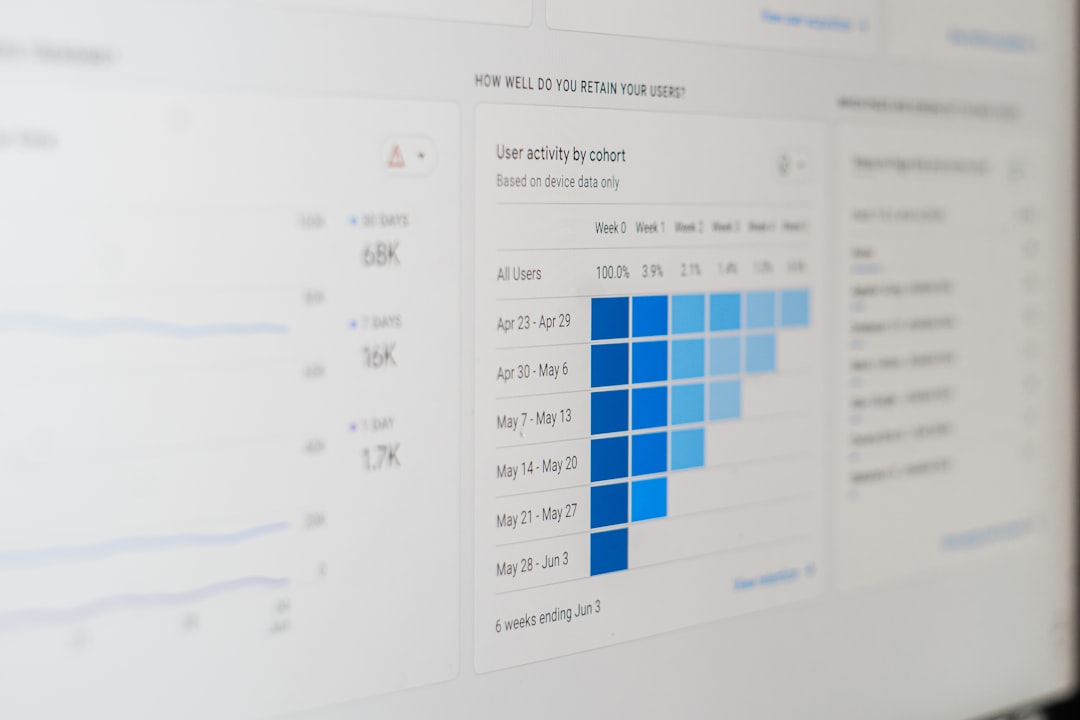
To effectively track your chosen metrics, leveraging analytics tools is essential. Google Analytics is one of the most popular options available, offering a wealth of data about your blog’s performance. From traffic sources to user demographics, this tool can help you uncover valuable insights that inform your strategy. Setting up Google Analytics is relatively straightforward, and once it’s in place, you’ll have access to real-time data that can guide your decision-making.
In addition to Google Analytics, there are other tools worth exploring. Platforms like SEMrush and Ahrefs provide in-depth SEO analysis, while social media analytics tools can help you gauge engagement across different channels. By utilizing a combination of these tools, you can create a well-rounded view of your blog’s performance and make data-driven decisions that enhance your content strategy.
Analyzing Traffic and Engagement Metrics
“`html
| Blog Post | Views | Comments | Shares |
|---|---|---|---|
| Post 1 | 1000 | 50 | 200 |
| Post 2 | 800 | 30 | 150 |
| Post 3 | 1200 | 70 | 250 |
“`
Once you have your analytics tools set up, it’s time to dive into the data. Start by analyzing traffic metrics such as page views and unique visitors. These numbers will give you a sense of how many people are reading your content and whether your audience is growing over time. Pay attention to trends—are there specific posts that consistently attract more visitors? Identifying these patterns can help you replicate successful content in the future.
Engagement metrics are equally important. Look at average time on page and bounce rates to understand how well readers are interacting with your content. A high bounce rate might indicate that visitors aren’t finding what they expected or that your content isn’t engaging enough. On the flip side, if users are spending a significant amount of time on certain posts, it’s a good sign that they’re finding value in what you’re sharing. Use this information to refine your content strategy and create more of what resonates with your audience.
Monitoring Conversion and Sales Metrics
If one of your goals is to drive conversions or sales through your blog, monitoring relevant metrics is crucial. Start by tracking conversion rates—this metric tells you what percentage of visitors are taking the desired action, whether it’s signing up for a newsletter or making a purchase. Understanding where users drop off in the conversion process can help you identify areas for improvement.
Additionally, consider tracking metrics related to revenue generated from your blog. If you’re using affiliate marketing or selling products directly through your site, keeping an eye on sales figures will provide insight into how well your content is driving financial results. By analyzing these metrics regularly, you can adjust your approach to maximize conversions and ensure that your blog is not just a platform for sharing ideas but also a viable source of income.
Tracking Social Media and Referral Metrics
Social media plays a significant role in driving traffic to blogs, so it’s essential to track how well your posts perform across different platforms. Look at referral traffic from social media channels in Google Analytics to see which platforms are sending the most visitors to your blog. This information can help you focus your promotional efforts on the channels that yield the best results.
Engagement metrics on social media—such as likes, shares, and comments—are also valuable indicators of how well your content resonates with audiences outside of your blog. If certain posts generate significant engagement on social media, consider creating similar content or promoting those posts further. By understanding which types of content perform well across various platforms, you can create a cohesive strategy that amplifies your reach.
Measuring SEO and Keyword Performance
Search engine optimization (SEO) is critical for driving organic traffic to your blog, so tracking SEO-related metrics is essential. Start by monitoring keyword rankings—tools like SEMrush or Moz can help you see how well your blog ranks for specific keywords over time. This information will allow you to adjust your content strategy based on which keywords are driving traffic and which ones need more attention.
Additionally, analyze organic search traffic in Google Analytics to understand how many visitors are coming from search engines compared to other sources. If organic traffic is low, it may be time to revisit your SEO strategy and optimize existing posts or create new content targeting high-potential keywords. By continuously measuring SEO performance, you can ensure that your blog remains visible in search results and attracts new readers.
Using A/B Testing to Optimize Blog Post Performance
A/B testing is a powerful method for optimizing blog post performance by comparing two versions of a post or element to see which one performs better. This could involve testing different headlines, images, or calls-to-action (CTAs). By running A/B tests, you can gather data on what resonates most with your audience and make informed decisions about future content.
When conducting A/B tests, it’s important to change only one variable at a time so that you can accurately assess its impact on performance. For example, if you’re testing two different headlines for the same post, keep all other elements consistent. After running the test for a sufficient amount of time, analyze the results to determine which version performed better and why. This iterative process allows you to continually refine your approach based on real data.
Adjusting Strategies Based on Performance Data
As you gather insights from tracking metrics and conducting A/B tests, it’s crucial to be willing to adjust your strategies accordingly. If certain types of content consistently underperform or if specific promotional tactics aren’t yielding results, don’t hesitate to pivot. Flexibility is key in the ever-evolving landscape of blogging; what works today may not work tomorrow.
Regularly reviewing performance data will help you stay attuned to changes in audience preferences and industry trends. Use this information not just as a report card but as a guide for future content creation and marketing efforts. By being proactive in adjusting strategies based on performance data, you’ll be better positioned for long-term success.
Implementing Continuous Improvement for Blog Post Performance
Finally, embracing a mindset of continuous improvement is essential for enhancing blog post performance over time. This means regularly revisiting your goals and metrics while staying open to new ideas and strategies. Consider setting aside time each month or quarter to review performance data comprehensively and brainstorm ways to improve.
Engage with your audience through surveys or feedback forms to gain insights directly from them about what they enjoy or want more of on your blog.
This feedback can be invaluable in shaping future content and ensuring that you’re meeting the needs of your readers.
By fostering a culture of continuous improvement and being responsive to both data and audience feedback, you’ll create a blog that not only attracts visitors but keeps them coming back for more.
FAQs
What is blog post performance tracking?
Blog post performance tracking is the process of monitoring and analyzing the success of your blog posts. This includes measuring metrics such as page views, engagement, click-through rates, and conversions to understand how well your content is resonating with your audience.
Why is blog post performance tracking important?
Tracking the performance of your blog posts is important because it provides valuable insights into the effectiveness of your content marketing efforts. It helps you understand which topics resonate with your audience, which types of content drive the most engagement, and which channels are most effective for promoting your blog posts.
What are some key metrics for tracking blog post performance?
Some key metrics for tracking blog post performance include page views, bounce rate, time on page, social shares, click-through rate, conversion rate, and engagement metrics such as comments and likes. These metrics can provide valuable insights into how well your blog posts are performing and where there may be opportunities for improvement.
How can blog post performance tracking help improve content strategy?
By tracking the performance of your blog posts, you can identify trends and patterns that can help inform your content strategy. For example, if you notice that certain topics consistently perform well, you can create more content around those topics. Additionally, tracking performance can help you identify areas for improvement and optimize your content strategy for better results.
What are some tools for tracking blog post performance?
There are several tools available for tracking blog post performance, including Google Analytics, social media analytics platforms, and content management systems with built-in analytics features. These tools can provide valuable data and insights into how your blog posts are performing and help you make data-driven decisions to improve your content strategy.



0 Comments