




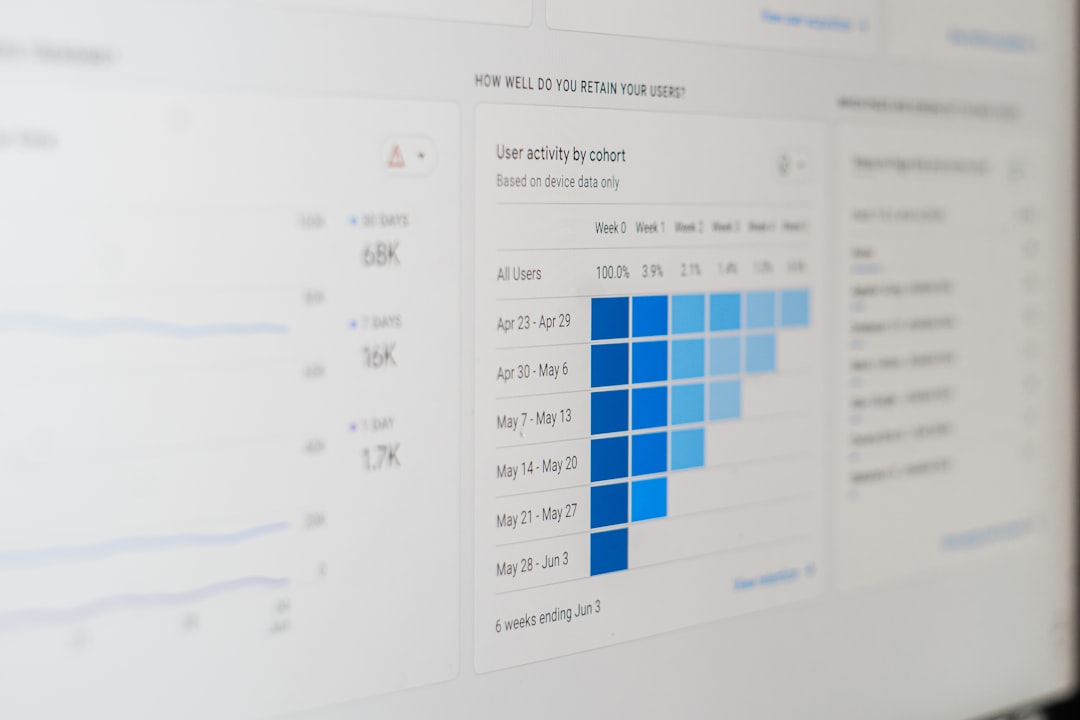
To truly engage an audience, it’s essential to understand their behavior. This means diving deep into what drives their interests, preferences, and interactions with content. By grasping the nuances of audience behavior, content creators can tailor their strategies to resonate more effectively. For instance, knowing when your audience is most active online can help you time your posts for maximum visibility. Similarly, understanding the types of content they prefer—be it articles, videos, or infographics—can guide your content creation process.
Moreover, audience behavior isn’t static; it evolves over time. Regularly monitoring changes in preferences and engagement patterns allows you to stay ahead of the curve. This could involve analyzing feedback, comments, and shares to gauge what resonates most. By keeping a pulse on these dynamics, you can create content that not only attracts attention but also fosters a deeper connection with your audience.
Key Takeaways
- Understanding audience behavior is crucial for engaging them effectively.
- Data analytics can provide valuable insights for creating content that resonates with the audience.
- Identifying trends and patterns in audience interactions can help in tailoring content to their preferences.
- A/B testing is a powerful tool for optimizing content engagement and improving audience response.
- Personalization strategies can significantly increase audience engagement and connection with the content.
Leveraging Data Analytics to Inform Content Creation
Data analytics plays a crucial role in shaping effective content strategies. By utilizing various analytics tools, you can gather insights about your audience’s demographics, interests, and online behavior. This information is invaluable when it comes to crafting content that speaks directly to your target audience. For example, if analytics reveal that a significant portion of your audience is interested in sustainability, you might consider creating more content around eco-friendly practices or products.
Additionally, data analytics can help you assess the performance of your existing content. By examining metrics such as page views, time spent on page, and bounce rates, you can identify which pieces are performing well and which ones may need a refresh. This iterative process allows you to refine your content strategy continuously, ensuring that you’re always delivering value to your audience.
Identifying Trends and Patterns in Audience Interactions

Recognizing trends and patterns in how your audience interacts with your content is essential for ongoing engagement. This involves looking beyond surface-level metrics and delving into the specifics of user interactions. For instance, are there particular topics that consistently generate more comments or shares? Are there specific times when engagement spikes? By identifying these trends, you can tailor your content strategy to align with your audience’s preferences.
Moreover, understanding these patterns can help you anticipate future behavior. If you notice a growing interest in a specific topic or format, you can proactively create content that capitalizes on this trend. This not only keeps your content relevant but also positions you as a thought leader in your niche. Staying attuned to these shifts ensures that you’re not just reacting to changes but actively shaping your content strategy around them.
Utilizing A/B Testing to Optimize Content Engagement

A/B testing is a powerful method for optimizing content engagement. By comparing two versions of a piece of content—whether it’s a headline, image, or call-to-action—you can determine which one resonates more with your audience. This data-driven approach allows you to make informed decisions rather than relying on guesswork. For example, if you’re unsure whether a more straightforward headline or a catchy one will perform better, A/B testing can provide clarity.
The beauty of A/B testing lies in its ability to refine your content over time. Even small changes can lead to significant improvements in engagement rates. By continuously testing and iterating on your content, you can create a more effective strategy that aligns with your audience’s preferences. This process not only enhances engagement but also fosters a culture of experimentation and learning within your team.
Personalization Strategies for Increased Audience Engagement
| Metrics | Description |
|---|---|
| Engagement Rate | The percentage of your audience that interacts with your content |
| Page Views | The number of times a page has been viewed by visitors |
| Time on Page | The average amount of time visitors spend on a page |
| Conversion Rate | The percentage of visitors who take a desired action |
| Click-Through Rate (CTR) | The percentage of people who click on a link compared to the total number of people who see it |
Personalization is no longer just a nice-to-have; it’s a necessity for effective audience engagement. Tailoring content to meet the specific needs and preferences of individual users can significantly enhance their experience. This could involve segmenting your audience based on demographics or behavior and delivering targeted content that speaks directly to each group’s interests.
For instance, if you run an e-commerce site, personalized product recommendations based on past purchases can lead to higher conversion rates. Similarly, personalized email campaigns that address subscribers by name and offer relevant content can foster a stronger connection with your audience. By investing in personalization strategies, you not only improve engagement but also build loyalty among your audience.
The Role of Emotional Intelligence in Creating Compelling Content
Emotional intelligence is a critical component of creating compelling content that resonates with audiences. Understanding the emotions that drive your audience’s behavior allows you to craft messages that connect on a deeper level.
This means being attuned to their pain points, aspirations, and values, and reflecting these in your content.
For example, if you’re writing about mental health, acknowledging the struggles many face while offering hope and solutions can create a powerful connection with readers. Content that evokes emotion—whether it’s joy, empathy, or inspiration—tends to be shared more widely and leaves a lasting impact. By incorporating emotional intelligence into your content creation process, you can foster genuine connections with your audience.
Harnessing the Power of User-generated Content for Engagement
User-generated content (UGC) is an invaluable asset for enhancing audience engagement. When users create and share their own content related to your brand or message, it not only builds community but also serves as authentic social proof. Encouraging UGC can take many forms—such as contests, hashtags, or simply inviting feedback—which can lead to increased interaction and loyalty.
Moreover, UGC often resonates more with potential customers than traditional marketing messages because it comes from real people sharing their experiences. Highlighting user-generated stories or testimonials can enhance credibility and foster trust among your audience. By leveraging UGC effectively, you create a sense of belonging and encourage ongoing engagement with your brand.
The Impact of Visual Content on Audience Engagement
Visual content plays a pivotal role in capturing attention and driving engagement. In an age where attention spans are shorter than ever, compelling visuals can make all the difference in how your message is received. Infographics, videos, and images not only break up text but also convey information quickly and effectively.
Research shows that people are more likely to remember information presented visually than through text alone. Incorporating high-quality visuals into your content strategy can enhance understanding and retention while making your content more shareable. Whether it’s through eye-catching graphics or engaging video snippets, investing in visual content is essential for maximizing audience engagement.
Creating Interactive Content for Maximum Engagement
Interactive content is an excellent way to boost audience engagement by encouraging active participation rather than passive consumption. Quizzes, polls, surveys, and interactive infographics invite users to engage directly with the material, making the experience more memorable and enjoyable.
This type of content not only captures attention but also provides valuable insights into audience preferences and behaviors. For example, a quiz about personal preferences can help you tailor future content based on the results. By creating interactive experiences, you foster a sense of community and encourage users to return for more engaging interactions.
Leveraging Social Media Insights for Content Creation
Social media platforms offer a wealth of insights that can inform your content creation strategy. By analyzing engagement metrics such as likes, shares, comments, and follower growth, you can gain valuable insights into what resonates with your audience. Each platform has its unique characteristics; understanding these nuances allows you to tailor your approach accordingly.
For instance, if you notice that video content performs exceptionally well on Instagram but static images do better on Facebook, you can adjust your strategy to maximize engagement across platforms. Additionally, social media listening tools can help you monitor conversations around relevant topics or trends in real-time, allowing you to create timely and relevant content that meets the needs of your audience.
Measuring and Analyzing Engagement Metrics for Continuous Improvement
Finally, measuring and analyzing engagement metrics is crucial for continuous improvement in your content strategy. Key performance indicators (KPIs) such as click-through rates, conversion rates, and social shares provide insights into how well your content is performing. Regularly reviewing these metrics allows you to identify areas for improvement and adjust your strategy accordingly.
Moreover, setting specific goals for engagement metrics helps create accountability within your team. Whether it’s increasing social media shares by a certain percentage or improving email open rates, having clear objectives allows for focused efforts toward achieving them.
By embracing a culture of measurement and analysis, you ensure that your content strategy remains dynamic and responsive to audience needs.
In conclusion, understanding audience behavior and leveraging data-driven strategies are essential for creating engaging content that resonates with users. By continuously refining your approach through testing, personalization, emotional intelligence, and interactive elements, you can foster deeper connections with your audience while driving ongoing engagement.
FAQs
What are data insights for content creators?
Data insights for content creators refer to the use of data and analytics to understand audience behavior, preferences, and trends in order to create more effective and engaging content.
Why are data insights important for content creators?
Data insights are important for content creators because they provide valuable information about audience preferences, content performance, and trends, which can help creators make informed decisions and improve the effectiveness of their content.
What type of data can content creators use for insights?
Content creators can use various types of data for insights, including website analytics, social media metrics, audience demographics, content engagement metrics, and market trends.
How can content creators use data insights to improve their content?
Content creators can use data insights to understand what type of content resonates with their audience, identify areas for improvement, optimize content distribution channels, and create more targeted and relevant content.
What are some tools and platforms for content creators to gather data insights?
Content creators can use tools and platforms such as Google Analytics, social media analytics tools (e.g., Facebook Insights, Twitter Analytics), content management systems (e.g., WordPress), and third-party analytics platforms to gather data insights for their content.




0 Comments