





Tracking blog engagement is crucial for anyone looking to make their content resonate with readers. It’s not just about writing great posts; it’s about understanding how those posts are received.
Engagement metrics provide insights into what your audience finds valuable, allowing you to tailor your content accordingly.
When you know what keeps readers interested, you can create more of it, leading to a more loyal audience and potentially higher traffic.
Moreover, tracking engagement helps you identify areas for improvement. If certain posts aren’t performing well, it’s an opportunity to analyze why. Are the topics off-base? Is the writing style not connecting? By keeping a close eye on engagement metrics, you can refine your approach and ensure that your blog remains relevant and appealing to your target audience.
Key Takeaways
- Tracking blog engagement is crucial for understanding audience behavior and improving content strategy.
- Utilize analytics tools to track key performance indicators (KPIs) such as click-through rates and time spent on page.
- Monitor social media shares and comments to gauge audience engagement and interest in your content.
- Use A/B testing to improve engagement by experimenting with different content and measuring the results.
- Identify top-performing content and replicate success to maintain and improve blog engagement.
Understanding Your Audience’s Behavior
To effectively track engagement, you first need to understand your audience’s behavior. This involves digging into who your readers are, what they like, and how they interact with your content. Are they skimming through articles quickly, or do they spend time reading every word? Understanding these nuances can help you craft content that resonates more deeply.
You can gather insights through various means, such as surveys or feedback forms. Asking your audience directly about their preferences can yield valuable information. Additionally, analyzing demographic data can help you identify trends in behavior. For instance, younger audiences might prefer shorter, more visual content, while older readers may appreciate in-depth articles. Tailoring your content to these preferences can significantly enhance engagement.
Utilizing Analytics Tools for Tracking

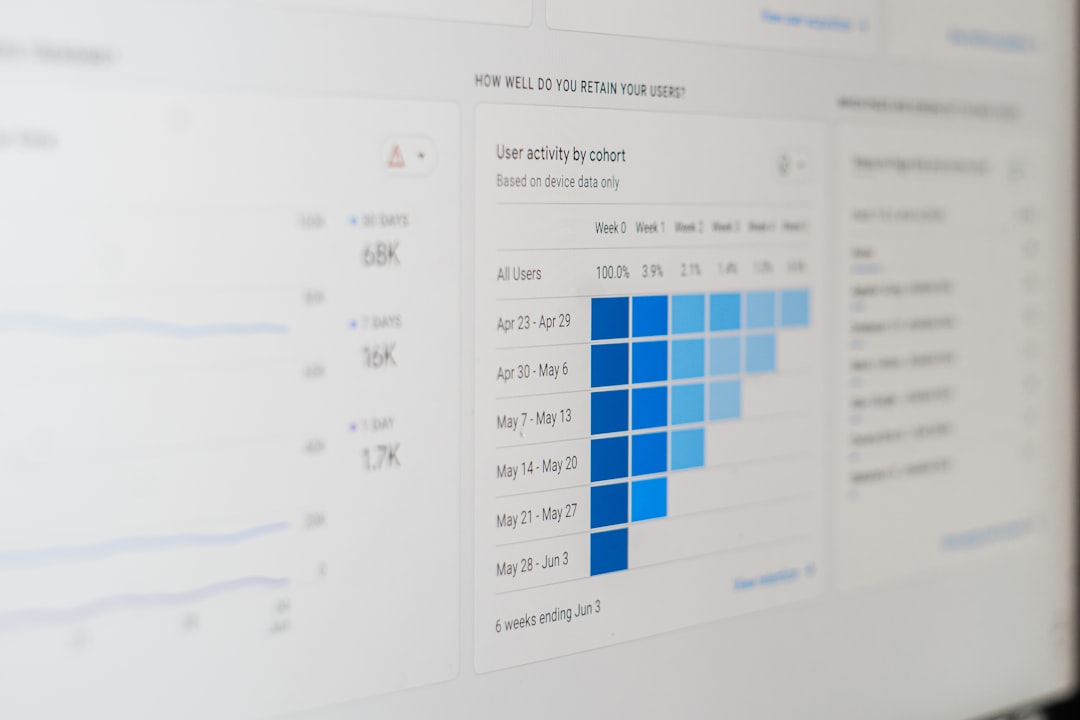
Once you have a grasp on your audience’s behavior, the next step is to utilize analytics tools for tracking engagement. Platforms like Google Analytics provide a wealth of data about how users interact with your blog. You can see which posts are getting the most views, how long visitors stay on each page, and where they’re coming from. This information is invaluable for understanding what works and what doesn’t.
In addition to Google Analytics, there are other tools available that can offer more specialized insights. For example, social media analytics can show how your blog posts are performing across different platforms. By combining data from various sources, you can get a comprehensive view of your blog’s performance and make informed decisions about future content.
Setting Key Performance Indicators (KPIs) for Engagement

Establishing Key Performance Indicators (KPIs) is essential for measuring engagement effectively. KPIs are specific metrics that help you gauge the success of your blog in terms of reader interaction. Common KPIs include page views, average time on page, bounce rate, and social shares. By setting clear targets for these metrics, you can track progress over time and adjust your strategy as needed.
When setting KPIs, it’s important to align them with your overall goals for the blog. If your aim is to build a community around your content, you might prioritize comments and social shares over page views. On the other hand, if you’re focused on driving traffic for monetization purposes, page views may take precedence. Whatever your goals are, having defined KPIs will help keep you focused and accountable.
Analyzing Click-Through Rates and Time Spent on Page
| Blog Post Title | Number of Views | Number of Likes | Number of Comments |
|---|---|---|---|
| How to Increase Blog Traffic | 1000 | 500 | 50 |
| Tips for Writing Engaging Content | 800 | 400 | 40 |
| SEO Strategies for Bloggers | 1200 | 600 | 60 |
Click-through rates (CTR) and time spent on page are two critical metrics that provide insight into how engaging your content is. A high CTR indicates that your headlines and calls-to-action are compelling enough to entice readers to click through to your posts. Conversely, if your CTR is low, it may be time to rethink your headlines or the way you present links within your content.
Time spent on page is another telling metric. If readers are spending only a few seconds on a post before bouncing away, it could signal that the content isn’t meeting their expectations or that it’s not engaging enough. On the flip side, longer time spent on a page often indicates that readers are finding value in what you’ve written. By analyzing these metrics together, you can gain a clearer picture of how well your content is performing.
Monitoring Social Media Shares and Comments
Social media shares and comments are vital indicators of engagement that shouldn’t be overlooked. When readers share your content on social platforms, it not only amplifies your reach but also serves as a form of endorsement. Monitoring which posts get shared the most can help you identify what resonates with your audience and encourage you to create similar content in the future.
Comments also provide direct feedback from readers. They can reveal what aspects of your content sparked interest or debate, giving you insights into your audience’s thoughts and preferences. Engaging with commenters can further enhance community building around your blog, making readers feel valued and more likely to return.
Using A/B Testing to Improve Engagement
A/B testing is a powerful method for optimizing blog engagement. This technique involves creating two versions of a post or element (like a headline or call-to-action) and comparing their performance. By testing different approaches, you can determine which resonates better with your audience and leads to higher engagement rates.
For example, if you’re unsure whether a question-based headline or a statement-based headline will attract more clicks, you can create two versions of the same post and see which one performs better. A/B testing allows for data-driven decisions rather than relying solely on intuition, making it an effective strategy for continuous improvement.
Tracking Conversion Rates and Call-to-Action Clicks
While engagement metrics are important, tracking conversion rates is equally crucial for understanding the effectiveness of your blog. Conversion rates measure how many visitors take a desired action after engaging with your content—whether that’s signing up for a newsletter, downloading an eBook, or making a purchase.
Call-to-action (CTA) clicks are a key component of this metric. By monitoring how many readers click on CTAs within your posts, you can assess whether they’re compelling enough to drive action. If you notice low click rates, it might be time to rethink the wording or placement of your CTAs to make them more enticing.
Identifying Top-performing Content and Replicating Success
One of the most valuable outcomes of tracking engagement is the ability to identify top-performing content. By analyzing which posts receive the most views, shares, and comments, you can pinpoint what works well with your audience. This insight allows you to replicate successful elements in future posts.
For instance, if a particular topic garners significant interest, consider creating a series around it or exploring related themes in depth. Similarly, if certain formats—like listicles or how-to guides—perform better than others, it may be worth focusing more on those styles moving forward.
Adjusting Content Strategy Based on Tracking Data
Once you’ve gathered enough data on engagement metrics and identified trends in audience behavior, it’s time to adjust your content strategy accordingly. This might mean shifting focus to topics that resonate more with readers or experimenting with different formats based on what has proven successful in the past.
Flexibility is key here; the digital landscape is constantly evolving, and so are audience preferences. Regularly reviewing tracking data will help ensure that your content remains relevant and engaging over time.
Measuring the Impact of Engagement on Overall Blog Success
Finally, measuring the impact of engagement on overall blog success is essential for understanding the bigger picture. Engagement metrics not only reflect how well individual posts perform but also contribute to broader goals like brand awareness and audience loyalty.
High engagement often correlates with increased traffic and conversions over time. By consistently tracking these metrics and adjusting your strategy based on insights gained, you’ll be better positioned to achieve long-term success with your blog. Ultimately, understanding engagement isn’t just about numbers; it’s about building meaningful connections with your audience that drive growth and sustainability for your blog in the long run.
FAQs
What is blog post engagement tracking?
Blog post engagement tracking is the process of monitoring and analyzing the interactions and behaviors of users with your blog content. This includes metrics such as page views, time spent on page, social shares, comments, and click-through rates.
Why is it important to track engagement on blog posts?
Tracking engagement on blog posts is important because it provides valuable insights into the effectiveness of your content. It helps you understand what resonates with your audience, which posts are performing well, and where there may be opportunities for improvement. This data can inform your content strategy and help you better engage with your readers.
What are some common metrics used to track blog post engagement?
Common metrics used to track blog post engagement include page views, bounce rate, time on page, social shares, comments, and click-through rates. These metrics can provide a comprehensive view of how users are interacting with your blog content.
How can I track engagement on my blog posts?
There are various tools and platforms available to track engagement on blog posts, such as Google Analytics, social media analytics tools, and content management systems with built-in tracking capabilities. These tools can help you monitor and analyze the performance of your blog posts and gain insights into user behavior.
What are some best practices for improving blog post engagement?
Some best practices for improving blog post engagement include creating high-quality, relevant content, using compelling visuals, optimizing for SEO, promoting your posts on social media, encouraging reader interaction through comments and discussions, and analyzing engagement data to inform your content strategy.



0 Comments