




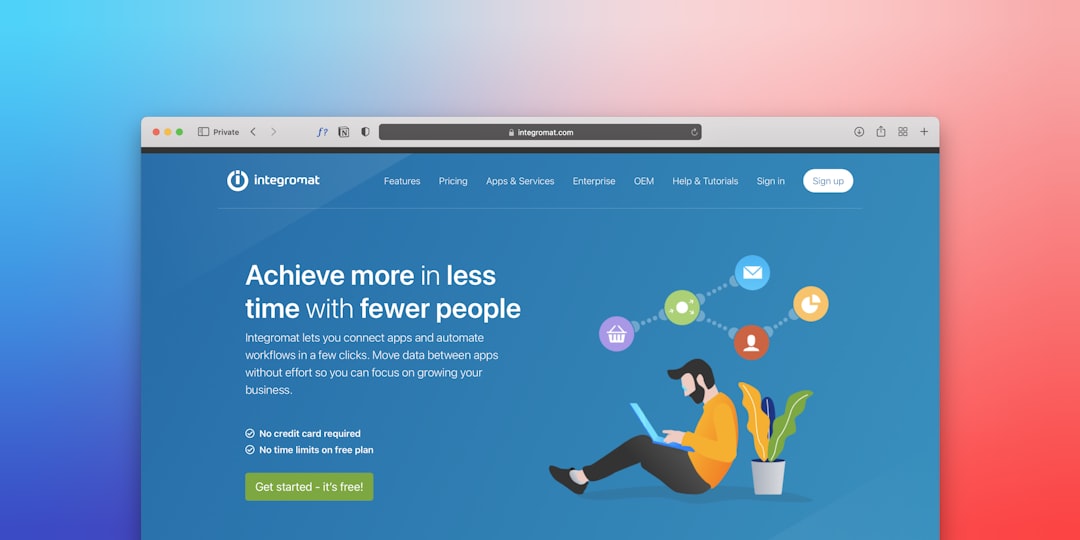
User experience (UX) is a broad term that encompasses how users interact with a product, service, or website. It’s not just about aesthetics; it’s about the overall journey a user takes while navigating through a platform. This journey includes everything from the first impression of the site to the ease of finding information and completing tasks. A positive user experience means that users find what they need quickly and enjoyably, leading to higher satisfaction and engagement.
At its core, user experience is about empathy. It requires understanding the needs, preferences, and behaviors of users. This understanding can be achieved through research, testing, and observation. By putting yourself in the shoes of your users, you can create a more intuitive and enjoyable experience that meets their expectations and encourages them to return.
Key Takeaways
- User experience (UX) refers to the overall experience a user has when interacting with a website or blog.
- A good blog user experience is important for retaining visitors and encouraging them to engage with the content.
- Identifying user needs and goals is crucial for designing a user-friendly interface that meets their expectations.
- Improving website navigation and optimizing load time are essential for a positive user experience.
- Creating engaging and valuable content, implementing responsive design, utilizing clear call-to-actions, integrating social sharing features, and monitoring user feedback and behavior are all key elements in enhancing blog user experience.
Importance of Blog User Experience
When it comes to blogs, user experience plays a crucial role in retaining readers and encouraging them to engage with your content. A well-designed blog that prioritizes user experience can lead to increased readership, longer time spent on the site, and higher conversion rates. If users find your blog difficult to navigate or frustrating to use, they are likely to leave and seek information elsewhere.
Moreover, a positive user experience can enhance your blog’s credibility. Readers are more likely to trust a site that is easy to use and visually appealing. This trust can translate into loyalty, where users return for more content and recommend your blog to others. In a crowded digital landscape, where countless blogs compete for attention, prioritizing user experience can set you apart from the rest.
Identifying User Needs and Goals

To create an effective user experience, it’s essential to identify what your users need and what goals they aim to achieve when visiting your blog. This process often begins with research. Surveys, interviews, and analytics can provide valuable insights into your audience’s preferences and behaviors. Understanding their demographics, interests, and pain points will help you tailor your content and design to meet their expectations.
Once you have gathered this information, it’s important to define clear user personas. These personas represent different segments of your audience and encapsulate their goals and motivations. By keeping these personas in mind during the design process, you can create a blog that resonates with your readers and addresses their specific needs effectively.
Designing a User-Friendly Interface

A user-friendly interface is key to a positive user experience. This means creating a layout that is intuitive and easy to navigate. Start by organizing your content logically; categories and tags should be clear and accessible.
A clean design with ample white space can help reduce clutter and make it easier for users to focus on the content.
Additionally, consider the visual hierarchy of your blog. Important elements like headings, images, and calls-to-action should stand out while maintaining a cohesive look. Consistency in fonts, colors, and styles also contributes to a seamless experience. When users can easily understand how to interact with your blog, they are more likely to stay engaged.
Improving Website Navigation
| Metrics | Data |
|---|---|
| Page Load Time | 3 seconds |
| Mobile Responsiveness | Yes |
| Readability Score | 80 |
| Navigation Ease | Simple |
Effective navigation is one of the cornerstones of a good user experience. If users struggle to find what they’re looking for, they may become frustrated and leave your site. To improve navigation, start by simplifying your menu structure. Limit the number of top-level categories and ensure that subcategories are logically organized.
Incorporating a search function can also enhance navigation. Users appreciate being able to quickly search for specific topics or keywords without having to sift through multiple pages. Breadcrumbs are another useful feature; they provide users with a clear path back to previous pages, making it easier for them to explore related content without feeling lost.
Optimizing Website Load Time
Website load time is a critical factor in user experience. Research shows that users expect pages to load within two seconds; if it takes longer than that, they are likely to abandon the site. To optimize load time, start by compressing images and minimizing the use of heavy scripts that can slow down performance.
Utilizing a content delivery network (CDN) can also help speed up load times by distributing your content across multiple servers worldwide. Additionally, consider implementing lazy loading for images and videos so that they only load when they come into view on the user’s screen. These strategies not only improve user experience but can also positively impact your search engine rankings.
Creating Engaging and Valuable Content
Content is at the heart of any successful blog, but it’s not just about quantity; quality matters too. Engaging content captures readers’ attention and keeps them coming back for more. To create valuable content, focus on addressing the needs and interests of your audience. This means providing insights, solutions, or entertainment that resonates with them.
Incorporating various formats—such as videos, infographics, or podcasts—can also enhance engagement. Different users have different preferences for consuming content, so offering diverse formats can cater to a wider audience. Additionally, don’t forget the importance of storytelling; weaving narratives into your posts can make them more relatable and memorable.
Implementing Responsive Design
With an increasing number of users accessing blogs via mobile devices, responsive design has become essential. A responsive design ensures that your blog looks good and functions well on all screen sizes—from desktops to smartphones. This adaptability not only improves user experience but also helps with search engine optimization.
To implement responsive design effectively, use flexible grids and layouts that adjust based on the device being used. Test your blog on various devices to ensure that all elements are accessible and visually appealing across platforms. A seamless mobile experience can significantly increase user retention and satisfaction.
Utilizing Clear Call-to-Actions
Call-to-actions (CTAs) guide users toward specific actions you want them to take—whether it’s subscribing to a newsletter, downloading an eBook, or sharing content on social media. Clear CTAs are essential for enhancing user experience because they provide direction and purpose during the browsing journey.
When designing CTAs, make sure they stand out visually but still fit within the overall design of your blog. Use action-oriented language that clearly communicates what users will gain by clicking on them. Testing different placements and wording can help you determine what resonates best with your audience.
Integrating Social Sharing Features
Social sharing features allow readers to easily share your content across their social networks, which can help increase visibility and drive traffic back to your blog. Integrating social sharing buttons is relatively simple but can have a significant impact on user engagement.
Position these buttons prominently on your posts—ideally at both the top and bottom—to encourage sharing at different points in the reading process. Additionally, consider adding social proof elements like share counts or testimonials to further motivate users to share your content with their networks.
Monitoring and Analyzing User Feedback and Behavior
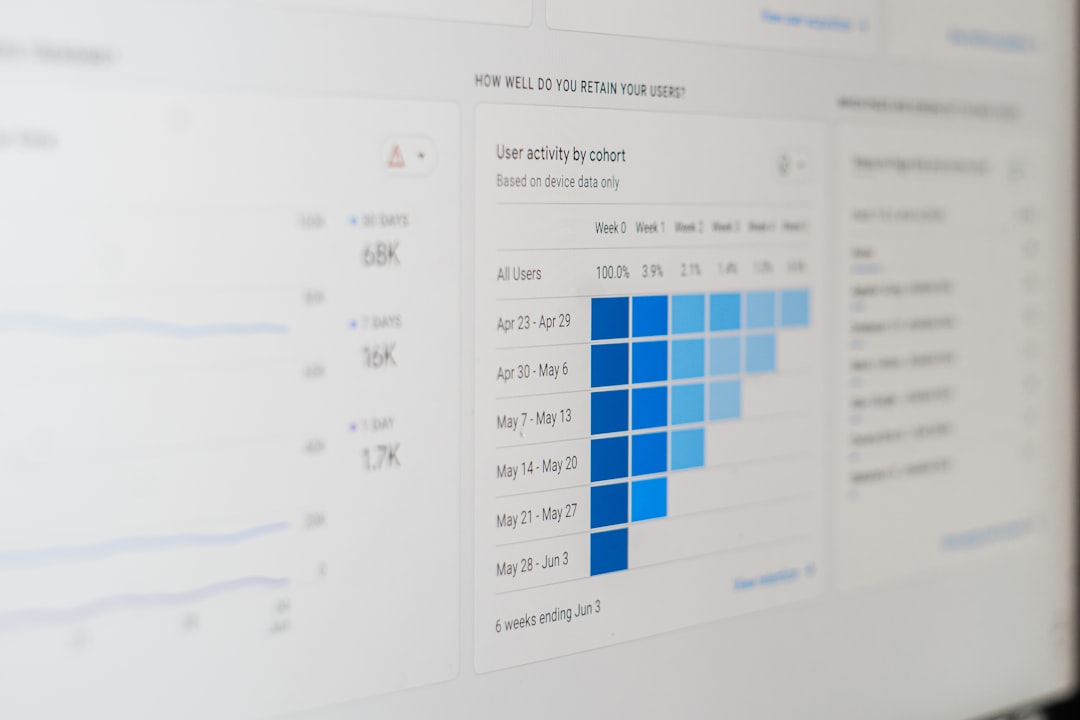
Finally, continuously monitoring user feedback and behavior is crucial for maintaining an effective user experience over time. Tools like Google Analytics can provide insights into how users interact with your blog—what pages they visit most often, where they drop off, and how long they stay on each page.
Encouraging direct feedback through surveys or comment sections can also provide valuable insights into what users like or dislike about your blog. By regularly analyzing this data, you can make informed decisions about updates or changes needed to enhance user experience further.
In conclusion, creating a positive user experience for your blog involves understanding your audience’s needs, designing an intuitive interface, optimizing performance, and continuously engaging with readers through valuable content. By focusing on these elements, you can build a blog that not only attracts visitors but keeps them coming back for more.
FAQs
What is blog user experience optimization?
Blog user experience optimization refers to the process of improving the overall experience for visitors to a blog. This includes factors such as site speed, mobile responsiveness, easy navigation, and engaging content.
Why is it important to optimize blog user experience?
Optimizing blog user experience is important because it can lead to higher engagement, increased time spent on the site, and ultimately, more conversions. A positive user experience can also improve search engine rankings and overall brand perception.
What are some strategies for optimizing blog user experience?
Some strategies for optimizing blog user experience include improving site speed, ensuring mobile responsiveness, simplifying navigation, creating engaging and valuable content, and utilizing clear calls-to-action.
How can site speed be improved for better user experience?
Site speed can be improved by optimizing images, leveraging browser caching, minimizing HTTP requests, and using a content delivery network (CDN) to distribute content across multiple servers.
What are the benefits of optimizing blog user experience?
The benefits of optimizing blog user experience include increased user engagement, higher conversion rates, improved search engine rankings, and a positive impact on overall brand perception. Additionally, a well-optimized user experience can lead to higher customer satisfaction and retention.



0 Comments