



Website conversions are crucial for any online business or platform. Simply put, a conversion occurs when a visitor takes a desired action on your site, whether that’s making a purchase, signing up for a newsletter, or filling out a contact form. The importance of these conversions cannot be overstated; they directly impact your bottom line and overall business success. A high conversion rate indicates that your website is effectively engaging visitors and guiding them toward taking action, which is the ultimate goal of any online presence.
Moreover, understanding conversions goes beyond just numbers. It’s about grasping the user journey and recognizing what motivates visitors to engage with your content. By focusing on conversions, you can identify areas for improvement, enhance user experience, and ultimately drive more revenue. In a competitive digital landscape, optimizing for conversions can set you apart from others in your industry.
Key Takeaways
- Understanding the importance of website conversions is crucial for driving business growth and increasing revenue.
- Identifying key conversion metrics helps in tracking and analyzing the effectiveness of conversion strategies.
- Creating compelling call-to-actions is essential for guiding visitors towards desired actions and improving conversion rates.
- Optimizing landing pages for conversions involves designing and structuring pages to encourage visitors to take specific actions.
- Implementing A/B testing for website optimization allows for testing different elements to identify the most effective conversion strategies.
Identifying Key Conversion Metrics
To effectively improve your website’s conversion rates, you need to identify and track key conversion metrics. These metrics provide insights into how well your site is performing and where adjustments may be necessary. Common metrics include conversion rate, bounce rate, average session duration, and click-through rate (CTR). Each of these metrics offers valuable information about user behavior and engagement.
For instance, the conversion rate tells you the percentage of visitors who complete a desired action. A low conversion rate might indicate issues with your site’s design or content. On the other hand, a high bounce rate could suggest that visitors are not finding what they expected upon landing on your page. By analyzing these metrics regularly, you can pinpoint specific areas that need attention and develop strategies to enhance overall performance.
Creating Compelling Call-to-Actions

A well-crafted call-to-action (CTA) can significantly influence your conversion rates. CTAs guide users toward taking specific actions and should be clear, concise, and compelling. The language you use matters; it should resonate with your audience and create a sense of urgency or excitement. Phrases like “Get Started Now” or “Join Our Community Today” can motivate users to click through.
Placement is also key when it comes to CTAs. They should be strategically positioned throughout your website—on landing pages, blog posts, and even in the footer. Experimenting with different colors, sizes, and wording can help you determine what resonates best with your audience. Remember, the goal is to make it as easy as possible for users to take the next step in their journey.
Optimizing Landing Pages for Conversions
Landing pages play a pivotal role in converting visitors into leads or customers. An optimized landing page should have a clear focus, compelling content, and an easy-to-navigate layout.
Start by ensuring that your landing page aligns with the expectations set by your marketing efforts.
If users click on an ad promising a discount, they should land on a page that highlights that offer prominently.
Additionally, consider the design elements of your landing page. Use visuals that support your message and avoid clutter that could distract visitors from the main goal. A/B testing different versions of your landing page can also provide insights into what works best for your audience. Small changes in layout or wording can lead to significant improvements in conversion rates.
Implementing A/B Testing for Website Optimization
| Metrics | Definition |
|---|---|
| Conversion Rate | The percentage of website visitors who complete a desired action, such as making a purchase or filling out a form. |
| Conversion Funnel | A series of steps that a visitor must complete in order to fulfill the desired action, often including landing page, product page, and checkout page. |
| Conversion Attribution | The process of determining which marketing channels or touchpoints contributed to a conversion, helping agencies understand the most effective strategies. |
| Conversion Optimization | The practice of improving the website and marketing strategies to increase the likelihood of visitors completing the desired action. |
A/B testing is a powerful tool for optimizing your website and improving conversion rates. This method involves creating two versions of a webpage—Version A and Version B—and comparing their performance to see which one yields better results. You can test various elements such as headlines, images, CTAs, or even entire layouts to determine what resonates most with your audience.
The beauty of A/B testing lies in its data-driven approach. By analyzing user behavior and preferences, you can make informed decisions rather than relying on assumptions. It’s essential to test one element at a time to accurately measure its impact on conversions. Over time, these incremental improvements can lead to significant gains in overall performance.
Leveraging User Experience (UX) Design for Conversions
User experience (UX) design is integral to driving conversions on your website. A positive UX ensures that visitors can navigate your site easily and find the information they need without frustration. This includes everything from fast loading times to intuitive navigation and mobile responsiveness. If users encounter obstacles while browsing, they are likely to leave without converting.
Investing in UX design means prioritizing the needs and preferences of your audience. Conducting user research can help you understand their pain points and expectations better. By addressing these issues through thoughtful design choices, you create an environment where users feel comfortable engaging with your content and ultimately converting.
Utilizing Data and Analytics for Conversion Optimization
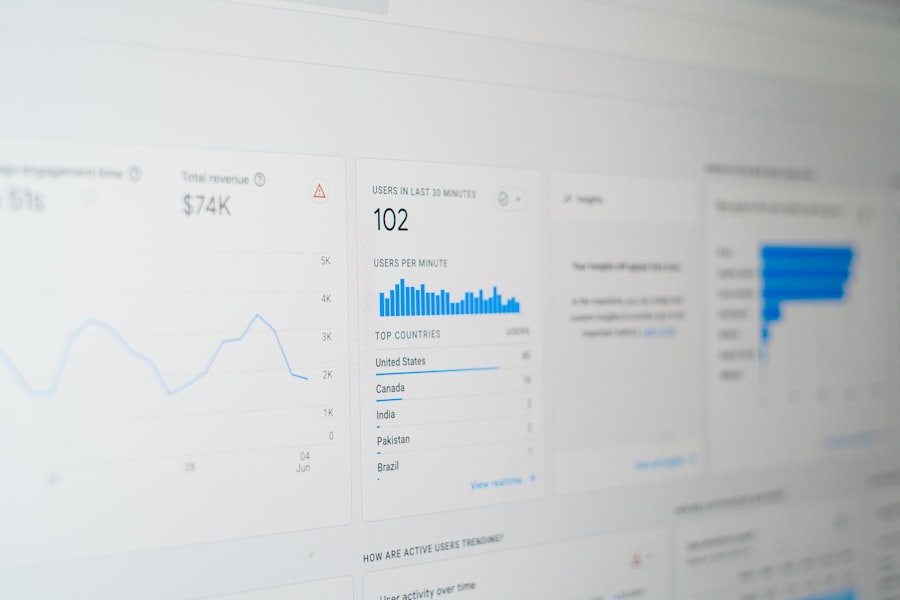
Data and analytics are invaluable resources for optimizing conversions on your website. Tools like Google Analytics provide insights into user behavior, traffic sources, and engagement levels. By analyzing this data, you can identify trends and patterns that inform your conversion strategies.
For example, if you notice that users from a particular traffic source have a higher conversion rate than others, it may be worth investing more resources into that channel. Additionally, tracking user behavior on your site can reveal which pages are performing well and which ones need improvement. Regularly reviewing this data allows you to make informed decisions that enhance your overall conversion strategy.
Integrating Social Proof and Testimonials
Social proof is a powerful psychological phenomenon that can significantly influence purchasing decisions. When potential customers see that others have had positive experiences with your product or service, they are more likely to trust your brand and convert. Integrating testimonials, reviews, or case studies on your website can help build credibility and encourage visitors to take action.
Consider showcasing customer testimonials prominently on landing pages or product pages. Video testimonials can be particularly effective as they add a personal touch and authenticity. Additionally, displaying trust badges or certifications can further enhance credibility and reassure visitors about the quality of your offerings.
Personalizing the User Journey for Higher Conversions
Personalization is becoming increasingly important in the digital landscape. Tailoring the user journey based on individual preferences and behaviors can lead to higher conversion rates. This could involve recommending products based on past purchases or displaying content that aligns with users’ interests.
Utilizing data from user interactions allows you to create personalized experiences that resonate with visitors. For instance, if a user frequently browses specific categories on your site, consider highlighting those categories in their next visit or sending targeted email campaigns featuring related products.
Personalization fosters a sense of connection with your brand and encourages users to engage more deeply.
Implementing Retargeting Strategies for Increased Conversions
Retargeting is an effective strategy for re-engaging visitors who have previously interacted with your website but did not convert. By displaying targeted ads to these users as they browse other sites or social media platforms, you remind them of their interest in your offerings and encourage them to return.
Setting up retargeting campaigns requires careful planning; you’ll want to segment audiences based on their behavior on your site. For example, users who added items to their cart but didn’t complete the purchase may respond well to ads featuring those specific products along with an incentive like a discount code. Retargeting keeps your brand top-of-mind and increases the likelihood of conversions.
Measuring and Analyzing Conversion Rate Optimization (CRO) Success
Finally, measuring and analyzing the success of your conversion rate optimization (CRO) efforts is essential for continuous improvement. Establishing clear goals and KPIs allows you to track progress over time effectively. Regularly reviewing these metrics helps you understand what strategies are working and where adjustments may be needed.
Consider using tools that provide detailed reports on conversion rates across different channels or campaigns. This data will help you identify successful tactics as well as areas requiring further attention. By maintaining a focus on measurement and analysis, you can refine your approach to CRO and drive sustained growth for your business.
In conclusion, optimizing website conversions is an ongoing process that requires attention to detail and a willingness to adapt based on data-driven insights. By understanding key metrics, creating compelling CTAs, optimizing landing pages, leveraging UX design, utilizing analytics, integrating social proof, personalizing user journeys, implementing retargeting strategies, and measuring success effectively, you can significantly enhance your website’s performance and drive meaningful results for your business.
FAQs
What are website conversion insights for agencies?
Website conversion insights for agencies refer to the data and analysis that help agencies understand how effectively their websites are converting visitors into customers or leads. This includes metrics such as conversion rates, user behavior, and the effectiveness of calls to action.
Why are website conversion insights important for agencies?
Website conversion insights are important for agencies because they provide valuable information about the effectiveness of their websites in driving business results. By understanding how visitors are interacting with their websites, agencies can make informed decisions to optimize their conversion rates and improve their overall performance.
What are some common website conversion insights metrics?
Common website conversion insights metrics include conversion rate, bounce rate, average session duration, pages per session, and goal completions. These metrics provide valuable information about how visitors are engaging with the website and whether they are taking the desired actions.
How can agencies use website conversion insights to improve their websites?
Agencies can use website conversion insights to identify areas for improvement on their websites. By analyzing user behavior and conversion data, agencies can make informed decisions about website design, content, and calls to action to optimize the user experience and drive more conversions.
What are some tools and methods for tracking website conversion insights?
There are various tools and methods for tracking website conversion insights, including Google Analytics, heatmaps, A/B testing, and user surveys. These tools provide agencies with valuable data and insights to understand how visitors are interacting with their websites and identify opportunities for improvement.



0 Comments