




In today’s fast-paced digital landscape, agencies are constantly seeking ways to enhance their performance and deliver better results for their clients. One of the most effective tools at their disposal is an analytics suite. By harnessing the power of data, agencies can gain valuable insights that drive decision-making and improve overall efficiency. This article will explore how analytics suites can be leveraged to maximize agency performance, from understanding their role to implementing them effectively.
The journey toward maximizing agency performance begins with recognizing the importance of data. Analytics suites provide a comprehensive platform for collecting, analyzing, and interpreting data, enabling agencies to make informed decisions. Whether it’s tracking campaign performance or understanding customer behavior, the right analytics tools can transform raw data into actionable insights that lead to improved outcomes.
Key Takeaways
- Analytics suite plays a crucial role in maximizing agency performance by providing valuable insights and data-driven decision-making capabilities.
- Choosing the right analytics suite for your agency is essential for effective data collection, analysis, and strategic decision-making.
- Implementing analytics suite for data collection and analysis can help improve operational efficiency and enhance customer experience through data-driven insights.
- Measuring and monitoring key performance indicators with analytics suite is crucial for optimizing marketing and sales strategies and for future planning and forecasting.
- Overcoming challenges and maximizing the benefits of analytics suite for agency performance requires a strategic approach and a commitment to leveraging data insights for strategic decision making.
Understanding the Role of Analytics in Agency Performance
Analytics play a crucial role in shaping agency performance by providing a clear picture of what’s working and what isn’t. By analyzing data from various sources, agencies can identify trends, measure success, and pinpoint areas for improvement. This level of insight allows agencies to adapt their strategies in real-time, ensuring they remain competitive in a rapidly changing environment.
Moreover, analytics help agencies understand their clients better. By examining customer interactions and preferences, agencies can tailor their services to meet specific needs. This not only enhances client satisfaction but also fosters long-term relationships built on trust and understanding. In essence, analytics serve as a guiding light, illuminating the path toward more effective agency operations.
Choosing the Right Analytics Suite for Your Agency
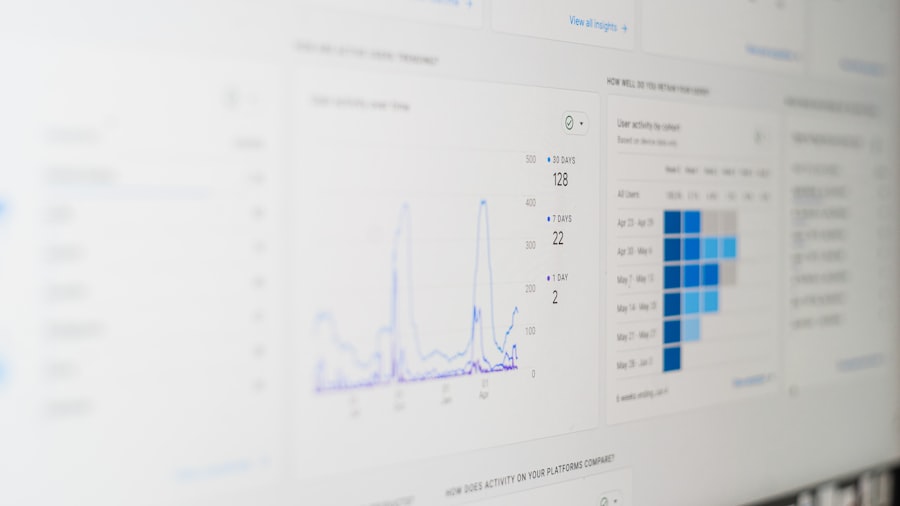
Selecting the right analytics suite is a critical step in maximizing agency performance. With numerous options available, it’s essential to consider factors such as ease of use, integration capabilities, and the specific needs of your agency. A user-friendly interface can significantly reduce the learning curve for your team, allowing them to focus on deriving insights rather than grappling with complex software.
Additionally, consider how well the analytics suite integrates with your existing tools and systems. Seamless integration can streamline data collection and analysis processes, making it easier to gather insights from various sources. It’s also wise to evaluate the scalability of the analytics suite; as your agency grows, your data needs will evolve, and your tools should be able to keep pace.
Implementing Analytics Suite for Data Collection and Analysis
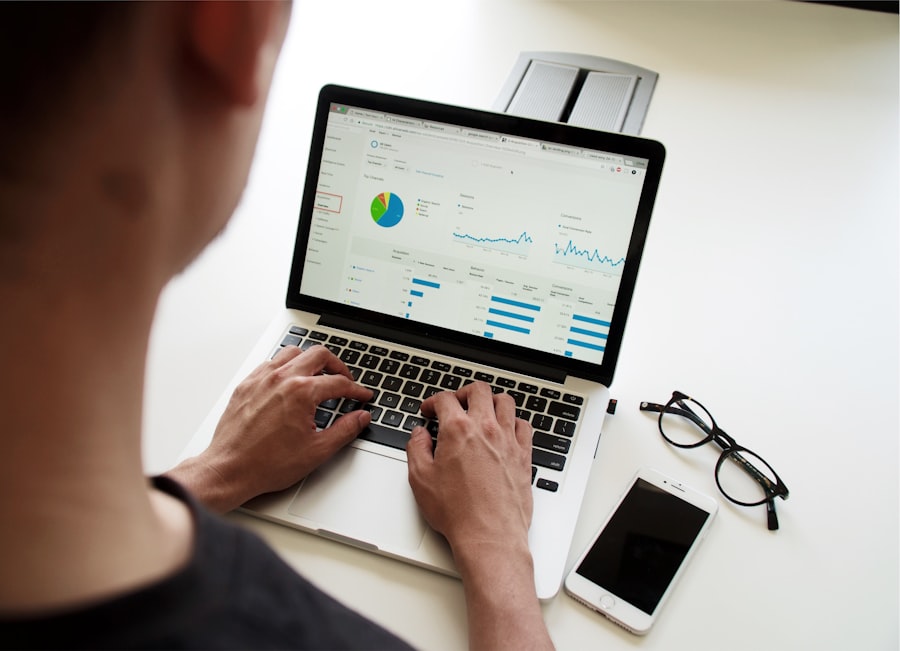
Once you’ve chosen an analytics suite, the next step is implementation. This process involves setting up data collection mechanisms that ensure you’re capturing relevant information from the outset. Depending on your agency’s focus, this could include website traffic data, social media engagement metrics, or client feedback.
Effective implementation also requires training your team on how to use the analytics suite effectively. Providing comprehensive training sessions can empower your staff to leverage the tools at their disposal fully. Encourage a culture of data-driven decision-making within your agency; when everyone understands the value of analytics, they’re more likely to utilize them in their daily tasks.
Leveraging Data Insights for Strategic Decision Making
| Metrics | Data |
|---|---|
| Website Traffic | 10,000 visits |
| Conversion Rate | 5% |
| Revenue Generated | 100,000 |
| Social Media Engagement | 500 likes, 200 shares |
With data collected and analyzed, it’s time to put those insights into action. Leveraging data insights for strategic decision-making involves interpreting the information in a way that aligns with your agency’s goals. For instance, if data reveals that a particular marketing campaign is underperforming, it may be time to pivot your strategy or allocate resources elsewhere.
Moreover, data-driven decision-making fosters a proactive approach rather than a reactive one. By continuously monitoring performance metrics and adjusting strategies based on real-time insights, agencies can stay ahead of trends and anticipate client needs. This agility not only enhances performance but also positions your agency as a forward-thinking partner for clients.
Improving Operational Efficiency with Analytics Suite
Operational efficiency is another area where analytics suites can make a significant impact. By analyzing internal processes and workflows, agencies can identify bottlenecks and inefficiencies that hinder productivity. For example, if data shows that certain tasks take longer than expected, it may indicate a need for process optimization or additional training.
Furthermore, analytics can help agencies allocate resources more effectively. By understanding which projects yield the highest returns or require the most effort, agencies can prioritize their efforts accordingly. This strategic allocation of resources not only improves efficiency but also enhances overall performance by ensuring that time and effort are spent where they matter most.
Enhancing Customer Experience through Data-Driven Insights
In an era where customer experience is paramount, leveraging data-driven insights can set your agency apart from competitors. By analyzing customer feedback and behavior patterns, agencies can gain a deeper understanding of client preferences and pain points. This knowledge allows for more personalized service offerings that resonate with clients on a deeper level.
Additionally, data insights can inform communication strategies. Understanding when and how clients prefer to engage can lead to more effective outreach efforts. Whether it’s through targeted email campaigns or personalized content recommendations, using data to enhance customer experience fosters loyalty and encourages repeat business.
Measuring and Monitoring Key Performance Indicators with Analytics Suite
Key Performance Indicators (KPIs) are essential for tracking agency performance over time. An analytics suite provides the tools necessary to measure these indicators effectively. By establishing clear KPIs aligned with your agency’s goals, you can monitor progress and make adjustments as needed.
Regularly reviewing KPIs allows agencies to stay accountable and focused on their objectives. It also provides an opportunity to celebrate successes and identify areas for improvement. By using an analytics suite to track KPIs consistently, agencies can ensure they remain on the right path toward achieving their performance goals.
Optimizing Marketing and Sales Strategies with Analytics Suite
Marketing and sales strategies are often at the forefront of agency efforts to drive growth. An analytics suite can provide invaluable insights into which strategies are most effective in reaching target audiences. By analyzing campaign performance data, agencies can identify successful tactics and replicate them in future initiatives.
Moreover, understanding customer behavior through analytics allows for more targeted marketing efforts. Agencies can segment their audience based on preferences and engagement levels, tailoring messages that resonate with each group. This level of personalization not only improves conversion rates but also enhances overall client satisfaction.
Utilizing Predictive Analytics for Future Planning and Forecasting
Predictive analytics takes data analysis a step further by forecasting future trends based on historical data. This capability is particularly valuable for agencies looking to plan strategically for upcoming projects or campaigns. By identifying patterns in past performance, agencies can make informed predictions about future outcomes.
For instance, if historical data indicates a spike in demand during certain seasons or events, agencies can prepare accordingly by ramping up marketing efforts or adjusting resource allocation.
Predictive analytics empowers agencies to be proactive rather than reactive, positioning them for success in an ever-evolving marketplace.
Overcoming Challenges and Maximizing the Benefits of Analytics Suite for Agency Performance
While the benefits of an analytics suite are clear, challenges may arise during implementation and usage. Common hurdles include data quality issues, resistance to change within teams, or difficulties in interpreting complex data sets. Addressing these challenges head-on is crucial for maximizing the benefits of analytics.
To overcome these obstacles, agencies should prioritize data governance practices that ensure accuracy and consistency in data collection. Additionally, fostering a culture of openness toward change can help ease resistance among team members. Providing ongoing training and support will empower staff to embrace analytics as a valuable tool rather than a daunting task.
In conclusion, maximizing agency performance through an analytics suite is not just about collecting data; it’s about transforming that data into actionable insights that drive strategic decision-making and operational efficiency. By understanding the role of analytics, choosing the right tools, implementing them effectively, and leveraging insights for continuous improvement, agencies can position themselves for long-term success in a competitive landscape.
FAQs
What is an agency analytics and reporting suite?
An agency analytics and reporting suite is a software tool designed to help marketing and advertising agencies track, analyze, and report on the performance of their campaigns and client accounts. It typically includes features such as data visualization, customizable reporting templates, and integration with various data sources.
What are the key features of an agency analytics and reporting suite?
Key features of an agency analytics and reporting suite may include customizable dashboards, automated report generation, client portal access, data integration with popular marketing platforms, and the ability to create custom metrics and KPIs.
How can an agency analytics and reporting suite benefit marketing and advertising agencies?
An agency analytics and reporting suite can benefit marketing and advertising agencies by providing them with the tools to track campaign performance, demonstrate ROI to clients, make data-driven decisions, and streamline the reporting process. It can also help agencies identify areas for improvement and optimize their strategies.
What are some popular agency analytics and reporting suite options?
Some popular agency analytics and reporting suite options include Google Data Studio, Tableau, Datorama, AgencyAnalytics, and TapClicks. These tools offer a range of features and integrations to meet the needs of different agencies.
How can agencies choose the right analytics and reporting suite for their needs?
Agencies can choose the right analytics and reporting suite for their needs by considering factors such as their budget, the specific features and integrations they require, ease of use, and the level of support and training offered by the software provider. It’s also important to consider how well the tool aligns with the agency’s reporting and analysis processes.



0 Comments