





Conversion tracking is a crucial aspect of digital marketing that allows you to measure the effectiveness of your online efforts. At its core, conversion tracking helps you understand how well your blog is performing in terms of achieving specific goals, such as generating leads, making sales, or increasing newsletter sign-ups. By tracking these conversions, you can gain insights into user behavior, identify what works, and make informed decisions to enhance your blog’s performance.
The process involves setting up specific actions that you want your visitors to take and then monitoring those actions. This could be anything from clicking a button to filling out a contact form. Understanding conversion tracking is not just about numbers; it’s about interpreting those numbers to improve user experience and drive better results. When you know what drives conversions, you can tailor your content and marketing strategies accordingly.
Key Takeaways
- Understanding Conversion Tracking: Conversion tracking is the process of monitoring and analyzing the actions that users take on your blog to determine the effectiveness of your marketing efforts.
- Setting Up Conversion Tracking on Your Blog: Utilize tools like Google Analytics to set up conversion tracking on your blog, allowing you to track specific actions such as form submissions, purchases, or sign-ups.
- Choosing the Right Conversion Goals: Select conversion goals that align with your blog’s objectives, such as increasing sales, generating leads, or growing your email subscriber list.
- Analyzing Conversion Data: Regularly analyze conversion data to identify trends, understand user behavior, and make informed decisions to improve your blog’s performance.
- Optimizing Your Blog Content for Conversions: Create compelling and relevant content that encourages visitors to take action, leading to higher conversion rates on your blog.
Setting Up Conversion Tracking on Your Blog
Setting up conversion tracking on your blog may seem daunting at first, but it’s quite manageable with the right tools. Most blogging platforms offer built-in analytics features or allow integration with third-party tools like Google Analytics. To get started, you’ll need to define what a conversion looks like for your blog. This could be a purchase, a subscription, or any other action that signifies engagement.
Once you’ve identified your conversion goals, the next step is to implement tracking codes. For instance, if you’re using Google Analytics, you can set up goals within the platform that correspond to the actions you want to track. This involves creating a new goal and specifying the type of conversion you want to monitor. After setting this up, it’s essential to test the tracking to ensure it’s working correctly. This way, you can be confident that the data you’re collecting is accurate and actionable.
Choosing the Right Conversion Goals

Choosing the right conversion goals is fundamental to effective tracking. It’s important to align these goals with your overall business objectives. For example, if your primary aim is to build an email list, then tracking newsletter sign-ups should be a priority. On the other hand, if you’re selling products directly from your blog, monitoring sales conversions will be more relevant.
When selecting goals, consider both short-term and long-term objectives. Short-term goals might include immediate actions like downloads or sign-ups, while long-term goals could focus on customer retention or repeat purchases. It’s also beneficial to prioritize goals based on their potential impact on your business. By focusing on the most significant conversions first, you can allocate resources more effectively and see quicker results.
Analyzing Conversion Data

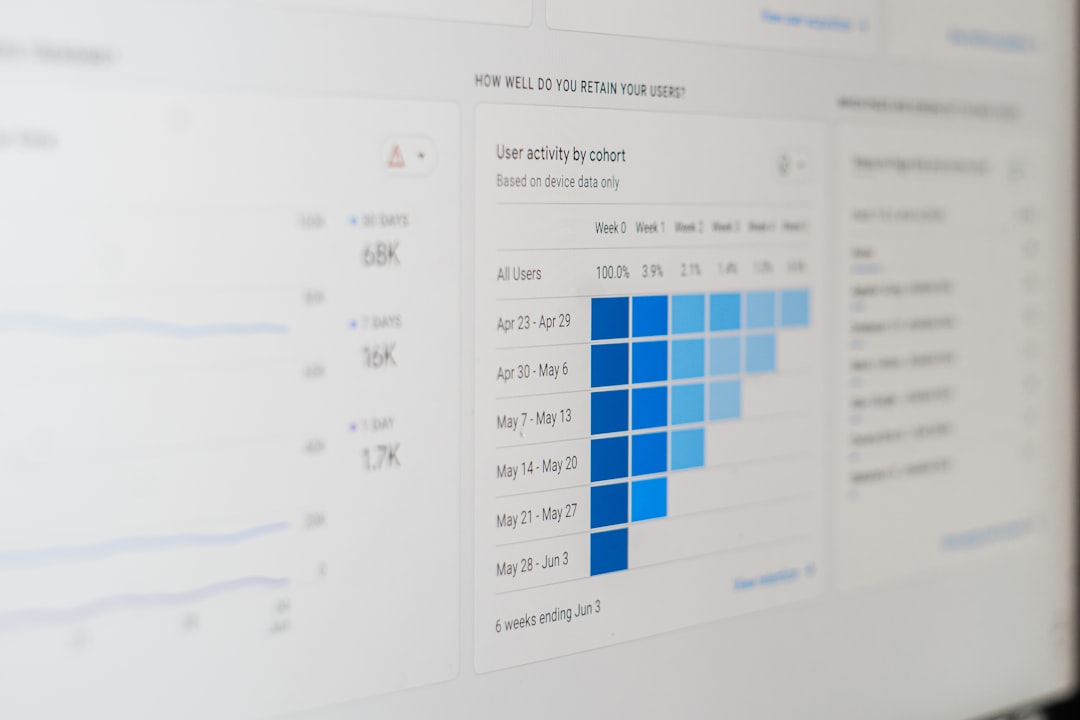
Once you have set up conversion tracking and defined your goals, the next step is analyzing the data you collect. This analysis will provide insights into how users interact with your blog and which elements are driving conversions. Look for patterns in user behavior—such as which pages have the highest conversion rates or where users tend to drop off in the conversion process.
Utilizing tools like Google Analytics can help streamline this analysis. You can create reports that show conversion rates over time, compare different traffic sources, and even segment data by demographics or device types. Understanding this data allows you to identify strengths and weaknesses in your content and marketing strategies, enabling you to make informed adjustments that can lead to improved performance.
Optimizing Your Blog Content for Conversions
| Month | Visitors | Page Views | Conversion Rate |
|---|---|---|---|
| January | 5000 | 25000 | 3% |
| February | 5500 | 28000 | 3.5% |
| March | 6000 | 30000 | 4% |
Optimizing your blog content for conversions involves making strategic changes that encourage visitors to take action. Start by ensuring that your content is engaging and relevant to your audience. High-quality content that addresses the needs and interests of your readers is more likely to lead to conversions.
In addition to content quality, consider the layout and design of your blog. Clear calls-to-action (CTAs) are essential; they should be visible and compelling enough to prompt users to click. Experiment with different placements for CTAs—whether at the beginning, middle, or end of a post—to see what works best for your audience. Also, don’t underestimate the power of visuals; images and videos can enhance engagement and lead to higher conversion rates.
Using A/B Testing to Improve Conversions
A/B testing is a powerful method for optimizing conversions on your blog. This technique involves creating two versions of a webpage or element (like a CTA) and comparing their performance against each other. By testing different headlines, colors, or layouts, you can determine which version resonates more with your audience.
To conduct A/B testing effectively, start with one variable at a time to isolate its impact on conversions. Use analytics tools to track performance metrics such as click-through rates or conversion rates for each version. Over time, these tests can provide valuable insights into user preferences and behaviors, allowing you to refine your approach continually.
Leveraging Social Media for Increased Conversions
Social media platforms are excellent channels for driving traffic to your blog and increasing conversions.
By sharing your content on social media, you can reach a broader audience and engage with potential customers directly.
It’s important to tailor your messaging for each platform; what works on Instagram may not resonate on LinkedIn.
Engagement is key when leveraging social media for conversions. Encourage followers to interact with your posts through comments or shares, and respond promptly to inquiries or feedback.
Additionally, consider using targeted ads on social media platforms to reach specific demographics that align with your target audience.
This targeted approach can significantly enhance your chances of converting social media traffic into loyal readers or customers.
Implementing Email Marketing Strategies for Higher Conversions
Email marketing remains one of the most effective strategies for driving conversions on your blog. Building an email list allows you to communicate directly with your audience and nurture relationships over time. Start by offering valuable incentives for sign-ups, such as exclusive content or discounts.
Once you have an email list, segment it based on user behavior or preferences to send tailored messages that resonate with different groups. Regularly sending newsletters with engaging content can keep your audience interested and encourage them to return to your blog. Additionally, including clear CTAs in your emails can guide readers toward taking specific actions that lead to conversions.
Utilizing SEO Techniques to Drive More Conversions
Search engine optimization (SEO) plays a vital role in driving traffic to your blog and ultimately increasing conversions. By optimizing your content for relevant keywords, you can improve your visibility in search engine results pages (SERPs). This increased visibility means more potential visitors who are likely interested in what you have to offer.
In addition to keyword optimization, focus on creating high-quality content that answers users’ questions or solves their problems. Engaging content not only attracts visitors but also encourages them to take action once they arrive at your site. Furthermore, ensure that your blog is mobile-friendly and loads quickly; these factors significantly impact user experience and conversion rates.
Tracking and Analyzing Mobile Traffic Conversions
With an increasing number of users accessing blogs via mobile devices, tracking mobile traffic conversions is essential. Mobile users often have different behaviors compared to desktop users; understanding these differences can help tailor your strategies accordingly. Use analytics tools that allow you to segment data by device type so you can see how mobile visitors interact with your blog.
When analyzing mobile traffic conversions, pay attention to metrics such as bounce rates and time spent on site. If mobile users are dropping off quickly, it may indicate issues with site navigation or loading times. Optimizing the mobile experience—such as simplifying forms or ensuring buttons are easy to click—can lead to higher conversion rates among mobile visitors.
Measuring the ROI of Your Conversion Tracking Efforts
Finally, measuring the return on investment (ROI) of your conversion tracking efforts is crucial for understanding their effectiveness. To calculate ROI, compare the revenue generated from conversions against the costs associated with implementing and maintaining your tracking systems. This analysis will help you determine whether your efforts are yielding positive results.
Additionally, consider qualitative factors such as brand awareness and customer loyalty when assessing ROI. While these may not have direct monetary value, they contribute significantly to long-term success. Regularly reviewing and adjusting your conversion tracking strategies based on ROI insights will ensure that you’re continually optimizing for better results in the future.
In conclusion, mastering conversion tracking is essential for any blogger looking to enhance their online presence and achieve specific goals. By understanding how to set up tracking systems, analyze data effectively, and optimize content for conversions, you can create a more engaging experience for your audience while driving meaningful results for your blog.
FAQs
What is blog traffic?
Blog traffic refers to the number of visitors or users who access a blog. It can be measured in various ways, such as page views, unique visitors, or sessions.
What is conversion tracking?
Conversion tracking is the process of monitoring and analyzing the actions that users take on a website, such as making a purchase, signing up for a newsletter, or filling out a contact form. It helps to measure the effectiveness of marketing efforts and identify areas for improvement.
Why is it important to track blog traffic?
Tracking blog traffic is important because it provides insights into the performance of a blog, helps to identify popular content, and allows for the measurement of the effectiveness of marketing strategies. It also helps to understand the behavior of visitors and make data-driven decisions to improve the blog’s performance.
What are some common tools for tracking blog traffic and conversions?
Some common tools for tracking blog traffic and conversions include Google Analytics, Adobe Analytics, Kissmetrics, and Mixpanel. These tools provide valuable data and insights into user behavior, traffic sources, and conversion rates.
How can blog traffic and conversion tracking help improve a blog’s performance?
By tracking blog traffic and conversions, bloggers can identify areas for improvement, optimize content and marketing strategies, and ultimately increase the blog’s effectiveness in reaching its goals, whether that’s increasing sales, generating leads, or building brand awareness.



0 Comments