





In today’s fast-paced digital landscape, editorial teams are under constant pressure to produce high-quality content quickly and efficiently. The need for speed and quality often creates a challenging environment where teams must juggle multiple projects, deadlines, and stakeholder expectations. To navigate this complexity, many teams are turning to analytics as a way to enhance their efficiency. By leveraging data-driven insights, editorial teams can streamline their processes, improve collaboration, and ultimately deliver better content.
Understanding how to effectively utilize analytics can be a game-changer for editorial teams. It’s not just about tracking metrics; it’s about making informed decisions that lead to tangible improvements in workflow and output. In this article, we’ll explore various aspects of editorial team efficiency, focusing on the role of analytics in optimizing performance and productivity.
Key Takeaways
- Editorial team efficiency is crucial for successful content creation and publication.
- Analytics plays a key role in understanding and improving editorial team efficiency.
- Setting clear key performance indicators (KPIs) is essential for measuring editorial team performance.
- Analytics can be used to track and improve editorial team productivity.
- Analyzing content performance can provide valuable insights for making editorial decisions.
Understanding the Role of Analytics in Editorial Team Efficiency
Analytics serves as a compass for editorial teams, guiding them through the often murky waters of content creation and distribution. By collecting and analyzing data, teams can gain insights into their performance, audience engagement, and content effectiveness.
This information is crucial for identifying areas that need improvement and for making strategic decisions that align with overall business goals.
Moreover, analytics can help teams understand their audience better. By examining metrics such as page views, time spent on articles, and social media shares, editorial teams can tailor their content to meet the preferences and needs of their readers. This not only enhances the relevance of the content but also boosts engagement rates, leading to a more efficient use of resources.
Setting Key Performance Indicators for Editorial Team
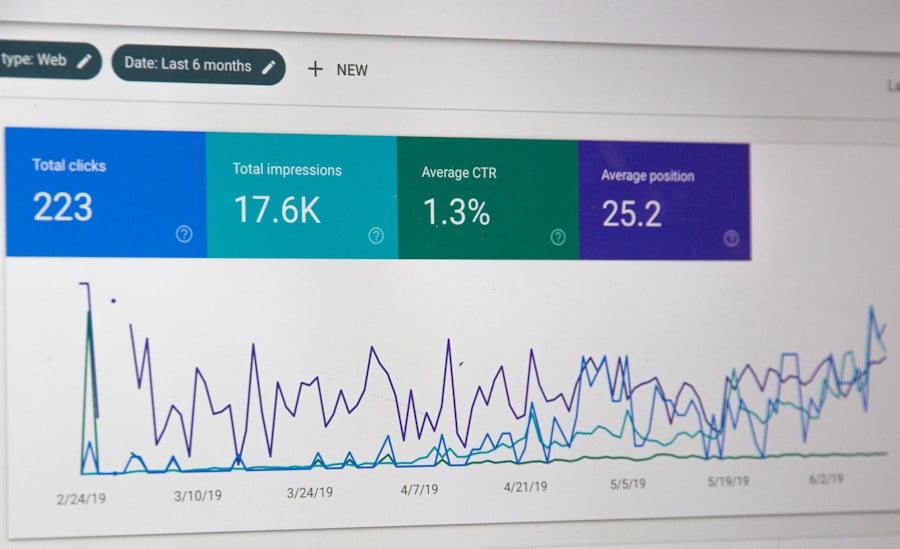
Establishing clear Key Performance Indicators (KPIs) is essential for measuring the success of an editorial team. KPIs provide a framework for evaluating performance and help teams stay focused on their objectives. Common KPIs for editorial teams include metrics like content production rates, audience engagement levels, and conversion rates.
When setting KPIs, it’s important to ensure they are specific, measurable, achievable, relevant, and time-bound (SMART). For instance, instead of a vague goal like “increase engagement,” a more effective KPI would be “increase average time spent on articles by 20% over the next quarter.” This clarity allows teams to track their progress and make necessary adjustments along the way.
Using Analytics to Track Editorial Team Productivity

Tracking productivity is a vital aspect of maintaining an efficient editorial team. Analytics tools can provide insights into how much content is being produced, the time taken for each piece, and the overall workflow efficiency. By analyzing these metrics, teams can identify patterns that may indicate inefficiencies or areas for improvement.
For example, if data shows that certain types of content take significantly longer to produce than others, it may be worth investigating why that is the case. Are there bottlenecks in the approval process? Is there a lack of resources or expertise? By pinpointing these issues through analytics, teams can implement targeted solutions that enhance productivity.
Analyzing Content Performance to Inform Editorial Decisions
| Metrics | Description |
|---|---|
| Pageviews | The number of times a page has been viewed by users |
| Unique Visitors | The number of distinct individuals visiting the website |
| Time on Page | The average amount of time users spend on a page |
| Bounce Rate | The percentage of visitors who navigate away from the site after viewing only one page |
| Engagement Rate | The measure of how much users interact with the content |
Content performance analysis is another critical area where analytics can make a significant impact.
By examining how different pieces of content perform across various channels, editorial teams can gain valuable insights into what resonates with their audience.
Metrics such as click-through rates, shares, and comments can reveal which topics or formats are most engaging.
This data-driven approach allows teams to make informed decisions about future content strategies. For instance, if analytics show that video content consistently outperforms written articles in terms of engagement, it may be time to invest more resources into video production. By aligning content creation with audience preferences, teams can enhance their overall effectiveness.
Leveraging Data to Improve Editorial Workflow
Data can also play a crucial role in refining editorial workflows. By analyzing the steps involved in content creation—from ideation to publication—teams can identify inefficiencies and streamline processes. For example, if data reveals that the review process is taking longer than expected, it may indicate a need for clearer guidelines or better communication among team members.
Additionally, leveraging data can help in resource allocation. If certain team members consistently excel in specific areas—like SEO optimization or graphic design—assigning them tasks that align with their strengths can lead to faster turnaround times and higher-quality output. This strategic approach not only improves workflow but also boosts team morale by allowing individuals to work in areas where they feel most competent.
Identifying and Addressing Bottlenecks in Editorial Processes
Bottlenecks can severely hinder an editorial team’s efficiency. These are points in the workflow where progress slows down or stalls altogether, often leading to missed deadlines and frustration among team members. Analytics can help identify these bottlenecks by providing visibility into where delays are occurring.
For instance, if data shows that articles spend an excessive amount of time in the editing phase, it may be necessary to evaluate the editing process itself. Are there too many layers of approval? Is feedback being communicated effectively? Addressing these questions can lead to actionable changes that alleviate bottlenecks and enhance overall productivity.
Utilizing Analytics to Optimize Editorial Team Collaboration
Collaboration is key to any successful editorial team, but it can sometimes be challenging to manage effectively. Analytics can facilitate better collaboration by providing insights into team dynamics and communication patterns. For example, tools that track project progress can help team members stay aligned on deadlines and responsibilities.
Furthermore, analytics can highlight areas where collaboration may be lacking. If certain team members are consistently not engaging with shared projects or resources, it may indicate a need for improved communication or support. By fostering a collaborative environment backed by data-driven insights, teams can work more cohesively towards common goals.
Implementing Data-Driven Editorial Strategies
Once analytics have been utilized to gather insights about performance and workflow, it’s time to implement data-driven strategies. This involves taking the findings from your analysis and translating them into actionable plans that guide future content creation and distribution efforts.
For example, if analytics indicate that a particular topic has generated significant interest among readers, an editorial team might decide to create a series of related articles or multimedia content around that theme. By being responsive to data insights, teams can ensure they are producing relevant content that meets audience demands while also maximizing their resources.
Measuring the Impact of Analytics on Editorial Team Efficiency
To truly understand the value of analytics in enhancing editorial efficiency, it’s important to measure its impact over time. This involves regularly reviewing KPIs and other performance metrics to assess whether changes made based on data insights have led to improvements.
For instance, if a new workflow was implemented based on analytics findings, tracking productivity levels before and after the change can provide clear evidence of its effectiveness. This ongoing evaluation not only helps in refining strategies but also reinforces the importance of data-driven decision-making within the team.
Best Practices for Sustaining Editorial Team Efficiency with Analytics
Sustaining efficiency in an editorial team requires ongoing commitment to utilizing analytics effectively. Here are some best practices to consider:
1. Regularly Review KPIs: Make it a habit to revisit your KPIs frequently to ensure they remain relevant and aligned with your goals.
2. Foster a Data-Driven Culture: Encourage all team members to embrace analytics as part of their workflow. Provide training if necessary to ensure everyone understands how to interpret data effectively.
3. Stay Agile: The digital landscape is constantly evolving; be prepared to adapt your strategies based on new insights or changing audience preferences.
4. Collaborate Across Departments: Work closely with other departments—like marketing or sales—to gain a holistic view of how your content fits into broader business objectives.
5. Celebrate Wins: Acknowledge improvements driven by data insights within your team. Celebrating successes fosters motivation and reinforces the value of analytics.
By following these best practices, editorial teams can create a sustainable framework for efficiency that leverages analytics as a core component of their operations.
In conclusion, enhancing editorial team efficiency through analytics is not just about tracking numbers; it’s about making informed decisions that lead to better content and improved workflows. By understanding the role of analytics in various aspects of editorial work—from setting KPIs to optimizing collaboration—teams can navigate challenges more effectively and deliver high-quality content that resonates with their audience.
FAQs
What is analytics for editorial teams?
Analytics for editorial teams refers to the use of data and metrics to track and analyze the performance of content produced by editorial teams. This includes measuring audience engagement, content reach, and other key performance indicators to inform editorial decision-making.
Why is analytics important for editorial teams?
Analytics is important for editorial teams because it provides valuable insights into the performance of their content. By analyzing data, editorial teams can better understand their audience, identify trends, and make data-driven decisions to improve content strategy and overall performance.
What are some common metrics used in analytics for editorial teams?
Common metrics used in analytics for editorial teams include page views, unique visitors, time on page, bounce rate, social shares, and conversion rates. These metrics help editorial teams understand how their content is being consumed and its impact on the audience.
How can editorial teams use analytics to improve content strategy?
Editorial teams can use analytics to improve content strategy by identifying top-performing content, understanding audience preferences, and optimizing content for better engagement. By analyzing data, editorial teams can also identify gaps and opportunities for new content ideas.
What are some tools and platforms for analytics for editorial teams?
There are several tools and platforms available for analytics for editorial teams, including Google Analytics, Adobe Analytics, Chartbeat, Parse.ly, and many others. These tools provide insights into audience behavior, content performance, and other key metrics for editorial teams to leverage in their decision-making.



0 Comments