




Understanding user behavior is crucial for any website or application aiming to provide a seamless experience. It involves analyzing how users interact with your site, what they look for, and where they tend to drop off. By gaining insights into these patterns, you can tailor your content and design to better meet their needs. For instance, if you notice that users frequently abandon their shopping carts at a specific point in the checkout process, it may indicate that the process is too complicated or that there are unexpected costs involved.
To delve deeper into user behavior, consider employing tools like heatmaps and session recordings. Heatmaps visually represent where users click, scroll, and hover on your site, allowing you to identify popular areas and potential dead zones. Session recordings provide a real-time look at user interactions, helping you understand the journey they take through your site. By combining these insights with demographic data, you can create a more comprehensive picture of your audience and their preferences.
Key Takeaways
- Understanding user behavior is crucial for creating a user-friendly website.
- Tracking user interactions helps in identifying areas for improvement and optimization.
- Analyzing user feedback provides valuable insights for enhancing the website experience.
- Implementing A/B testing allows for data-driven decision making and optimization.
- Optimizing website navigation improves user experience and increases engagement.
Tracking User Interactions
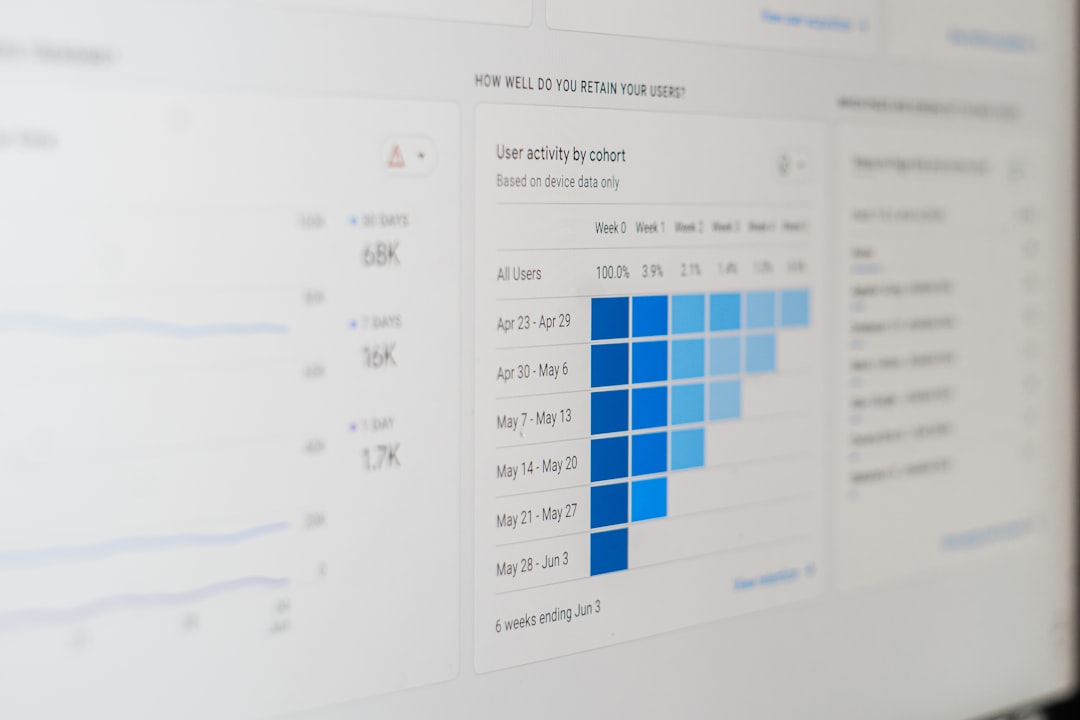
Tracking user interactions is essential for gathering data that informs your website’s design and functionality. This can be done through various analytics tools that monitor user actions, such as clicks, page views, and time spent on each page. Google Analytics is a popular choice, offering a wealth of information about user behavior and engagement metrics. By setting up goals and events within these tools, you can track specific actions that are important to your business, such as newsletter sign-ups or product purchases.
In addition to traditional analytics, consider implementing event tracking to capture more granular data. This allows you to see how users interact with specific elements on your site, such as buttons or links. By understanding which features are most engaging or which ones are ignored, you can make informed decisions about where to focus your design efforts. The key is to ensure that the data you collect aligns with your business objectives so that you can effectively measure success.
Analyzing User Feedback
User feedback is a goldmine of information that can help you refine your website and improve user experience. Gathering feedback can be done through surveys, comment sections, or direct outreach via email. Tools like SurveyMonkey or Typeform make it easy to create and distribute surveys that ask users about their experiences, preferences, and pain points. The insights gained from this feedback can guide your design choices and help prioritize features that matter most to your audience.
Once you’ve collected feedback, it’s important to analyze it systematically. Look for common themes or recurring issues that users mention. For example, if multiple users express frustration with navigation or find certain content hard to locate, it’s a clear signal that changes are needed.
Additionally, consider segmenting feedback by user demographics to identify trends among different groups.
This targeted approach can help you tailor your website to meet the diverse needs of your audience.
Implementing A/B Testing

A/B testing is a powerful method for optimizing your website based on real user data. This technique involves creating two versions of a webpage—Version A and Version B—and then directing traffic to both versions to see which one performs better. You might test different headlines, images, call-to-action buttons, or even layout changes. The goal is to determine which version leads to higher conversion rates or better user engagement.
When implementing A/B tests, it’s crucial to define clear objectives and metrics for success beforehand. This could be anything from increased click-through rates on a specific button to higher overall sales conversions. Additionally, ensure that you run tests long enough to gather statistically significant data; otherwise, your results may not accurately reflect user preferences. By continuously testing and iterating based on findings, you can make informed decisions that enhance the overall user experience.
Optimizing Website Navigation
| Client | Page Load Time (seconds) | Mobile Responsiveness | Navigation Ease |
|---|---|---|---|
| Client A | 3.5 | Yes | Easy |
| Client B | 4.2 | Yes | Moderate |
| Client C | 2.8 | Yes | Difficult |
Website navigation plays a pivotal role in how users interact with your site. If users struggle to find what they’re looking for, they’re likely to leave in frustration. A well-structured navigation system should be intuitive and straightforward, allowing users to easily access different sections of your site. Start by organizing content into clear categories and subcategories that make sense for your audience.
Consider conducting usability tests to evaluate how real users navigate your site. Observing users as they attempt to find specific information can reveal pain points in your navigation structure. Based on these insights, you may need to simplify menus or add search functionality to help users locate content more efficiently. Remember that effective navigation not only improves user experience but also contributes to better SEO performance by making it easier for search engines to crawl your site.
Improving Page Load Speed
Page load speed is a critical factor in user experience and can significantly impact bounce rates. Research shows that users expect pages to load within a few seconds; if they don’t, they’re likely to abandon the site altogether. To improve load times, start by optimizing images and other media files. Compressing images without sacrificing quality can drastically reduce load times while maintaining visual appeal.
Additionally, consider leveraging browser caching and content delivery networks (CDNs) to enhance performance. Caching allows frequently accessed data to be stored temporarily on users’ devices, reducing load times for repeat visits. CDNs distribute your content across multiple servers worldwide, ensuring that users access data from the nearest location. By implementing these strategies, you can create a faster browsing experience that keeps users engaged.
Enhancing Mobile Responsiveness
With an increasing number of users accessing websites via mobile devices, ensuring mobile responsiveness is no longer optional; it’s essential. A responsive design adapts seamlessly to different screen sizes and orientations, providing an optimal viewing experience across devices. Start by using flexible grids and layouts that adjust based on the screen size rather than fixed dimensions.
Testing your website on various devices is crucial for identifying any issues with mobile responsiveness. Pay attention to how elements like buttons and text appear on smaller screens; they should remain easy to read and interact with. Additionally, consider simplifying content for mobile users who may prefer quick access to information rather than lengthy text blocks. By prioritizing mobile responsiveness, you’ll cater to a broader audience and improve overall user satisfaction.
Simplifying Forms and Checkout Process
Forms and checkout processes are often where users encounter frustration and abandon their transactions. Simplifying these processes can significantly enhance user experience and increase conversion rates. Start by minimizing the number of fields required in forms; only ask for essential information that is necessary for completing the task at hand.
Consider implementing features like autofill for returning users or social media logins to streamline the process further. During checkout, provide clear progress indicators so users know how many steps remain before completion. Additionally, offering multiple payment options can cater to different preferences and make the process more convenient for users. By focusing on simplicity and clarity in forms and checkout processes, you’ll reduce friction and encourage more successful transactions.
Personalizing User Experience
Personalization is becoming increasingly important in creating meaningful user experiences online. By tailoring content and recommendations based on individual user behavior and preferences, you can foster a deeper connection with your audience. Start by analyzing user data to identify patterns in behavior—what products they view most often or what content they engage with.
Once you have this information, consider implementing personalized recommendations on your site. For example, if a user frequently browses outdoor gear, showcasing related products or articles can enhance their experience and encourage further exploration. Additionally, personalized email campaigns based on past interactions can keep users engaged long after their initial visit. By prioritizing personalization, you’ll create a more relevant experience that resonates with users.
Incorporating User-Friendly Design
User-friendly design is all about creating an intuitive interface that enhances usability while maintaining aesthetic appeal. This involves considering factors such as color schemes, typography, and layout consistency throughout the site. A clean design with ample white space can make content easier to digest and navigate.
Incorporating accessibility features is also vital in ensuring that all users can interact with your site effectively. This includes using alt text for images, ensuring sufficient color contrast for readability, and providing keyboard navigation options for those who may have difficulty using a mouse. By focusing on user-friendly design principles, you’ll create an inclusive environment that caters to diverse audiences while improving overall satisfaction.
Monitoring and Iterating for Continuous Improvement
The digital landscape is constantly evolving, making it essential to monitor performance regularly and iterate based on findings. Establishing key performance indicators (KPIs) will help you track progress over time and identify areas needing improvement. Regularly reviewing analytics data allows you to spot trends or shifts in user behavior that may require adjustments.
Don’t hesitate to experiment with new features or design elements based on insights gathered from user interactions and feedback. Continuous improvement should be an ongoing process rather than a one-time effort; staying attuned to user needs will help ensure your website remains relevant and effective over time. By fostering a culture of iteration and responsiveness, you’ll create a dynamic online presence that adapts alongside your audience’s expectations.
FAQs
What is website usability?
Website usability refers to how easy and efficient it is for users to navigate and interact with a website. It encompasses factors such as ease of use, accessibility, and overall user experience.
Why is tracking website usability important for clients?
Tracking website usability allows clients to understand how their website is being used by visitors, identify areas for improvement, and make data-driven decisions to enhance the user experience. It can also help in increasing conversion rates and customer satisfaction.
What are some common methods for tracking website usability?
Common methods for tracking website usability include user testing, heatmaps, click tracking, A/B testing, and analyzing user behavior through tools like Google Analytics. These methods provide valuable insights into how users interact with the website.
How can clients use the data from tracking website usability to improve their website?
Clients can use the data from tracking website usability to identify pain points in the user experience, optimize website navigation, improve page load times, enhance accessibility, and make informed decisions about design and content changes to better meet the needs of their target audience.
What are the benefits of improving website usability for clients?
Improving website usability can lead to increased user satisfaction, higher conversion rates, improved search engine rankings, and ultimately, a positive impact on the client’s business goals. It can also help in building brand loyalty and trust among users.



0 Comments