





In today’s data-driven world, understanding customer behavior is crucial for businesses aiming to thrive. A Behavior Analytics Dashboard serves as a powerful tool that aggregates and visualizes data related to user interactions, allowing organizations to gain insights into how customers engage with their products or services.
By providing a clear view of user behavior, these dashboards help businesses make informed decisions that can enhance customer experience and drive growth.
The essence of a Behavior Analytics Dashboard lies in its ability to transform raw data into actionable insights. It enables companies to track user journeys, identify patterns, and understand the motivations behind customer actions. This article will delve into the significance of behavior analytics, explore the key features of these dashboards, and discuss how they can be effectively implemented in organizations.
Key Takeaways
- Behavior analytics dashboard provides valuable insights into user behavior and interactions with digital platforms.
- Understanding the importance of behavior analytics helps businesses make data-driven decisions and improve customer experience.
- Key features of behavior analytics dashboard include real-time data tracking, user segmentation, and customizable reporting.
- Implementing behavior analytics dashboard can benefit businesses by optimizing marketing strategies, improving website usability, and increasing customer retention.
- Best practices for utilizing behavior analytics dashboard include setting clear objectives, regularly analyzing data, and integrating feedback from multiple departments.
Understanding the Importance of Behavior Analytics
Behavior analytics is more than just a buzzword; it’s a critical component of modern business strategy. By analyzing how users interact with a product or service, companies can uncover valuable insights that inform marketing strategies, product development, and customer service improvements. Understanding user behavior helps businesses tailor their offerings to meet customer needs more effectively.
Moreover, behavior analytics can significantly enhance customer retention. When businesses understand what keeps their customers engaged or what drives them away, they can make targeted adjustments to improve satisfaction. This proactive approach not only fosters loyalty but also encourages word-of-mouth referrals, which are invaluable for growth.
Key Features of Behavior Analytics Dashboard
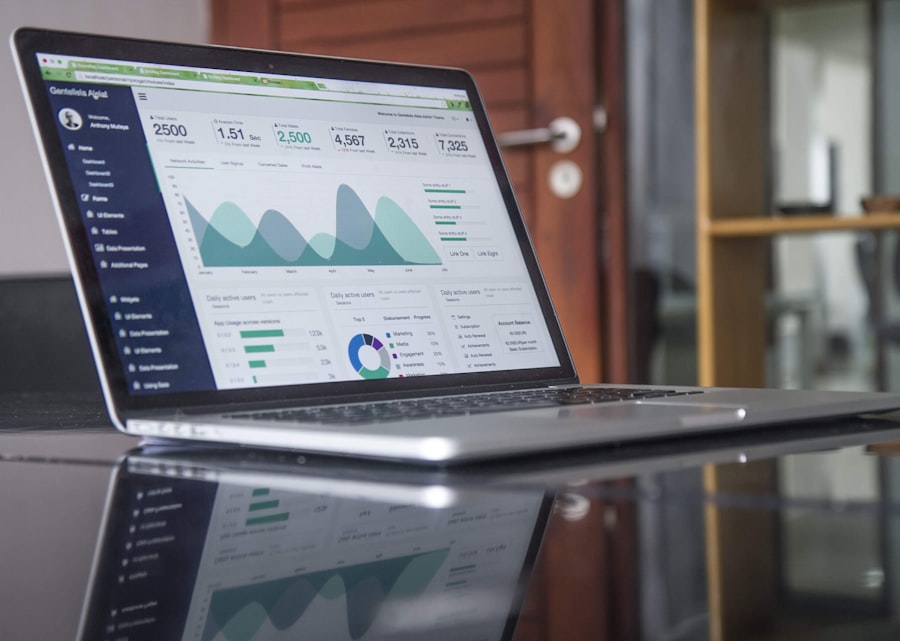
A robust Behavior Analytics Dashboard comes equipped with several key features that enhance its functionality. One of the most important features is real-time data tracking. This allows businesses to monitor user interactions as they happen, providing immediate insights into customer behavior. Real-time tracking can help identify trends and anomalies quickly, enabling swift responses to emerging issues.
Another essential feature is segmentation capabilities. A good dashboard allows users to segment data based on various criteria such as demographics, behavior patterns, or engagement levels. This segmentation helps businesses understand different customer groups and tailor their strategies accordingly. Additionally, visualization tools like graphs and heat maps make it easier to interpret complex data sets, allowing stakeholders to grasp insights at a glance.
How Behavior Analytics Dashboard Can Benefit Businesses
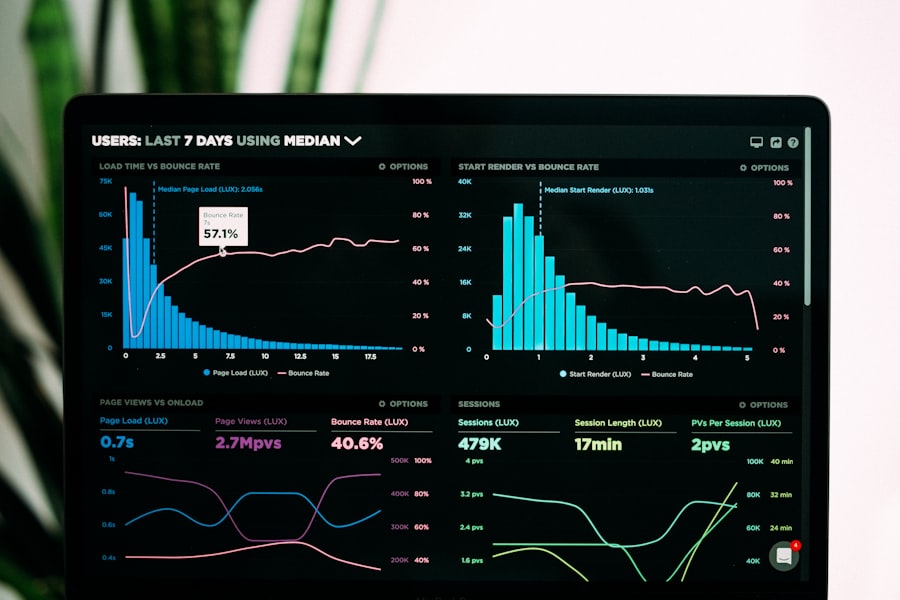
The benefits of implementing a Behavior Analytics Dashboard are manifold. First and foremost, it enhances decision-making processes. With access to detailed insights about user behavior, businesses can make data-driven decisions rather than relying on gut feelings or assumptions. This leads to more effective marketing campaigns and product enhancements that resonate with customers.
Furthermore, these dashboards can improve operational efficiency. By identifying bottlenecks in user journeys or areas where customers drop off, organizations can streamline processes and enhance the overall user experience. This not only boosts customer satisfaction but also increases conversion rates, ultimately driving revenue growth.
Implementing Behavior Analytics Dashboard in Your Organization
| Metrics | Value |
|---|---|
| Number of Sessions | 1,500 |
| Page Views | 5,000 |
| Average Session Duration | 00:03:45 |
| Bounce Rate | 25% |
Implementing a Behavior Analytics Dashboard requires careful planning and execution. The first step is to define clear objectives for what you want to achieve with the dashboard. Whether it’s improving customer retention, increasing sales, or enhancing user experience, having specific goals will guide your implementation process.
Next, selecting the right tools is crucial. There are various platforms available that offer behavior analytics capabilities, so it’s important to choose one that aligns with your business needs and budget. Once you’ve selected a tool, ensure that your team is trained on how to use it effectively. This training will empower employees to leverage the dashboard’s features fully and integrate insights into their daily operations.
Best Practices for Utilizing Behavior Analytics Dashboard
To maximize the effectiveness of a Behavior Analytics Dashboard, it’s essential to follow best practices. Regularly reviewing and updating your dashboard is one such practice. As business needs evolve and new data becomes available, your dashboard should reflect these changes to remain relevant and useful.
Another best practice is to encourage collaboration across departments. Sharing insights from the dashboard with marketing, sales, and customer service teams can foster a unified approach to addressing customer needs. This collaborative effort ensures that everyone is on the same page and working towards common goals based on shared insights.
Case Studies: Successful Implementation of Behavior Analytics Dashboard
Examining real-world examples can provide valuable insights into the successful implementation of Behavior Analytics Dashboards. For instance, a leading e-commerce company utilized a behavior analytics dashboard to track user interactions on their website. By analyzing this data, they identified that many users were abandoning their shopping carts at a specific point in the checkout process. Armed with this information, they streamlined the checkout experience, resulting in a significant increase in conversion rates.
Another case study involves a SaaS company that used behavior analytics to understand how users interacted with their software. By segmenting users based on their engagement levels, they discovered that certain features were underutilized. They then focused on educating users about these features through targeted campaigns, leading to increased usage and customer satisfaction.
Overcoming Challenges in Using Behavior Analytics Dashboard
While the benefits of a Behavior Analytics Dashboard are clear, challenges can arise during its implementation and use. One common challenge is data privacy concerns. With increasing regulations around data protection, businesses must ensure they are compliant while still gathering meaningful insights from user data.
Another challenge is ensuring data accuracy. Inaccurate data can lead to misguided decisions and strategies. To overcome this issue, organizations should establish robust data collection processes and regularly audit their data sources for accuracy and reliability.
Future Trends in Behavior Analytics Dashboard
As technology continues to evolve, so too will behavior analytics dashboards. One emerging trend is the integration of artificial intelligence (AI) and machine learning (ML) into these tools.
AI can enhance predictive analytics capabilities, allowing businesses to anticipate customer needs and behaviors more accurately.
Additionally, there’s a growing emphasis on personalization in user experiences. Future dashboards may incorporate more advanced segmentation techniques that allow for hyper-personalized marketing strategies based on real-time user behavior analysis.
Integrating Behavior Analytics Dashboard with Other Business Tools
For a Behavior Analytics Dashboard to be truly effective, it should be integrated with other business tools such as Customer Relationship Management (CRM) systems and marketing automation platforms. This integration allows for a seamless flow of information across departments and enhances the overall effectiveness of marketing campaigns.
By connecting your dashboard with CRM systems, you can gain deeper insights into customer interactions throughout their lifecycle. This holistic view enables businesses to tailor their strategies more effectively and respond promptly to changing customer needs.
Maximizing the Potential of Behavior Analytics Dashboard
In conclusion, a Behavior Analytics Dashboard is an invaluable asset for any organization looking to understand its customers better and drive growth through informed decision-making. By leveraging the insights gained from user behavior analysis, businesses can enhance customer experiences, improve operational efficiency, and ultimately increase revenue.
To maximize the potential of these dashboards, organizations should focus on clear implementation strategies, adhere to best practices, and remain adaptable to future trends in technology and analytics. With the right approach, a Behavior Analytics Dashboard can transform how businesses interact with their customers and pave the way for sustained success in an increasingly competitive landscape.
FAQs
What is a behavior analytics dashboard?
A behavior analytics dashboard is a tool that collects and analyzes data on user behavior within a system or platform. It provides insights into how users interact with the system, their preferences, and patterns of behavior.
What are the key features of a behavior analytics dashboard?
Key features of a behavior analytics dashboard include data visualization, user segmentation, event tracking, funnel analysis, cohort analysis, and predictive analytics. These features help businesses understand user behavior and make data-driven decisions.
How can a behavior analytics dashboard benefit businesses?
A behavior analytics dashboard can benefit businesses by providing insights into user engagement, retention, and conversion rates. It helps businesses understand customer preferences, identify areas for improvement, and optimize their products or services to better meet customer needs.
What are some common use cases for a behavior analytics dashboard?
Common use cases for a behavior analytics dashboard include e-commerce websites tracking user interactions, mobile apps analyzing user engagement, and SaaS platforms monitoring user onboarding and feature adoption. It can also be used for A/B testing and personalization efforts.
What are some popular behavior analytics dashboard tools in the market?
Popular behavior analytics dashboard tools in the market include Google Analytics, Mixpanel, Amplitude, Kissmetrics, and Heap Analytics. These tools offer a range of features for tracking and analyzing user behavior across various platforms and industries.



0 Comments