





Ecommerce visitor behavior refers to the actions and patterns exhibited by individuals when they interact with online retail platforms. This behavior encompasses a wide range of activities, including browsing products, adding items to shopping carts, and completing purchases. Understanding these behaviors is crucial for ecommerce businesses, as it can significantly influence sales and customer satisfaction. As the digital marketplace continues to evolve, the analysis of visitor behavior has become an essential component of ecommerce strategy.
The rise of online shopping has transformed consumer habits, making it imperative for businesses to adapt to these changes. With the increasing competition in the ecommerce sector, companies must not only attract visitors but also understand their motivations and preferences. By analyzing visitor behavior, businesses can tailor their offerings and marketing strategies to meet the needs of their target audience, ultimately leading to improved conversion rates and customer loyalty.
Key Takeaways
- Understanding ecommerce visitor behavior is crucial for optimizing user experience and increasing sales.
- Common visitor patterns and influencing factors help tailor marketing and site design strategies.
- Analyzing visitor data with specialized tools enables targeted improvements and personalization.
- Mobile and social media significantly shape how visitors interact with ecommerce platforms.
- Future trends in visitor behavior analysis will focus on advanced personalization and predictive analytics.
The Importance of Understanding Visitor Behavior in Ecommerce
Understanding visitor behavior in ecommerce is vital for several reasons. First, it allows businesses to identify trends and patterns that can inform marketing strategies. By analyzing how visitors navigate a website, companies can determine which products are most appealing and which pages may be causing friction in the purchasing process. This insight enables businesses to optimize their websites for better user experience, ultimately leading to higher conversion rates.
Moreover, understanding visitor behavior helps in segmenting the audience based on their preferences and actions. This segmentation allows for more targeted marketing efforts, ensuring that promotions and advertisements resonate with specific groups of consumers. By catering to the unique needs of different segments, businesses can enhance customer engagement and foster long-term relationships with their audience.
Common Patterns in Ecommerce Visitor Behavior

Ecommerce visitor behavior often exhibits several common patterns that can be observed across various platforms.
One notable pattern is the “browse-to-buy” journey, where visitors typically start by browsing products before making a purchase decision.
This journey often involves multiple touchpoints, including product comparisons, reading reviews, and checking prices across different websites. Understanding this journey is crucial for businesses aiming to streamline the purchasing process.
Another common pattern is cart abandonment, where visitors add items to their shopping carts but fail to complete the purchase. Research indicates that a significant percentage of online shoppers abandon their carts due to various reasons, such as unexpected shipping costs or complicated checkout processes. By recognizing these patterns, ecommerce businesses can implement strategies to reduce cart abandonment rates and encourage visitors to finalize their purchases.
Factors Influencing Ecommerce Visitor Behavior

Several factors influence ecommerce visitor behavior, ranging from external elements like market trends to internal factors such as website design. One significant external factor is consumer trust. Visitors are more likely to engage with ecommerce sites that they perceive as trustworthy and secure. Elements such as customer reviews, secure payment options, and clear return policies contribute to building this trust.
Additionally, website usability plays a critical role in shaping visitor behavior. A well-designed website that is easy to navigate can significantly enhance the user experience. Factors such as page load speed, mobile responsiveness, and intuitive layout can either encourage or deter visitors from making a purchase. Businesses must prioritize these aspects to create a seamless shopping experience that meets consumer expectations.
Tools and Techniques for Analyzing Ecommerce Visitor Behavior
| Metric | Description | Typical Value | Importance |
|---|---|---|---|
| Average Session Duration | Average time a visitor spends on the site per session | 3-5 minutes | Indicates engagement level |
| Bounce Rate | Percentage of visitors who leave after viewing only one page | 30-50% | Measures site relevance and user experience |
| Pages per Session | Average number of pages viewed during a session | 3-6 pages | Shows depth of visitor interaction |
| Cart Abandonment Rate | Percentage of shoppers who add items to cart but do not complete purchase | 60-80% | Highlights checkout process issues |
| Conversion Rate | Percentage of visitors who complete a purchase | 1-3% | Key indicator of sales effectiveness |
| New vs Returning Visitors | Ratio of first-time visitors to repeat visitors | 70% new / 30% returning | Helps understand customer loyalty and acquisition |
| Exit Rate | Percentage of visitors who leave from a specific page | Varies by page | Identifies problematic pages |
| Click-Through Rate (CTR) | Percentage of visitors who click on a specific link or ad | 2-5% | Measures effectiveness of calls to action |
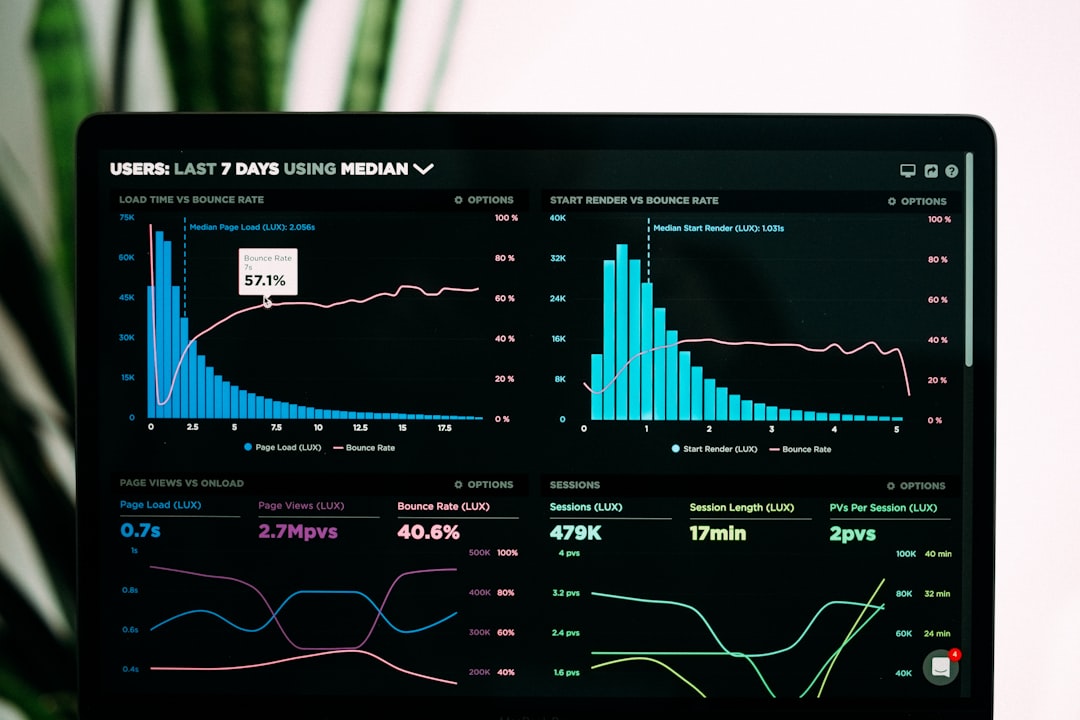
To effectively analyze ecommerce visitor behavior, businesses can utilize a variety of tools and techniques. Web analytics platforms like Google Analytics provide valuable insights into visitor demographics, traffic sources, and user interactions on a website. These tools enable businesses to track key performance indicators (KPIs) such as bounce rates, average session duration, and conversion rates.
In addition to web analytics, heat mapping tools can visually represent how visitors interact with a website. These tools highlight areas where users click most frequently, allowing businesses to identify popular content and potential areas for improvement. A/B testing is another effective technique that enables businesses to compare different versions of a webpage to determine which design or content performs better in terms of visitor engagement and conversion.
How to Use Data to Improve Ecommerce Visitor Experience
Data analysis plays a crucial role in enhancing the ecommerce visitor experience. By leveraging insights gained from visitor behavior analysis, businesses can make informed decisions about website design, product offerings, and marketing strategies. For instance, if data reveals that visitors frequently abandon their carts at a specific point in the checkout process, businesses can investigate the issue and implement changes to simplify that step.
Furthermore, data can inform personalized marketing efforts. By analyzing past purchase behavior and browsing history, businesses can tailor product recommendations and promotional offers to individual visitors. This level of personalization not only improves the shopping experience but also increases the likelihood of repeat purchases, as customers feel more valued when presented with relevant options.
Strategies for Encouraging Desired Visitor Behavior in Ecommerce
To encourage desired visitor behavior, ecommerce businesses can implement several strategies aimed at enhancing user engagement and driving conversions. One effective approach is to create a sense of urgency through limited-time offers or flash sales. By highlighting scarcity or time-sensitive promotions, businesses can motivate visitors to make quicker purchasing decisions.
Another strategy involves simplifying the checkout process. Reducing the number of steps required to complete a purchase can significantly decrease cart abandonment rates. Offering guest checkout options and providing clear information about shipping costs and delivery times can also enhance the overall user experience and encourage visitors to finalize their transactions.
The Role of Personalization in Ecommerce Visitor Behavior
Personalization has become a key factor in shaping ecommerce visitor behavior. By tailoring experiences based on individual preferences and past interactions, businesses can create a more engaging shopping environment. Personalized product recommendations based on browsing history or previous purchases can lead to increased sales as customers are more likely to discover items that align with their interests.
Moreover, personalized email marketing campaigns can effectively re-engage visitors who may have abandoned their carts or shown interest in specific products. By sending targeted messages that address individual preferences or offer incentives such as discounts, businesses can encourage these visitors to return and complete their purchases.
Understanding the Impact of Mobile and Social Media on Ecommerce Visitor Behavior
The proliferation of mobile devices has significantly influenced ecommerce visitor behavior. With an increasing number of consumers using smartphones for online shopping, businesses must ensure that their websites are optimized for mobile use. A mobile-friendly design enhances user experience by allowing visitors to browse products easily and complete transactions on their devices.
Social media also plays a pivotal role in shaping ecommerce visitor behavior. Platforms like Instagram and Facebook serve as powerful marketing tools that drive traffic to ecommerce sites. Social media allows businesses to showcase products visually and engage with potential customers through targeted advertising campaigns. Understanding how social media influences consumer decisions can help businesses tailor their marketing strategies effectively.
Case Studies of Successful Ecommerce Visitor Behavior Analysis
Several case studies illustrate the impact of effective ecommerce visitor behavior analysis on business success. For instance, an online fashion retailer implemented heat mapping technology to analyze user interactions on its website. The insights gained revealed that visitors were often drawn to specific product categories but struggled with navigation. By redesigning the site layout based on these findings, the retailer saw a significant increase in conversion rates.
Another example involves an electronics retailer that utilized A/B testing to optimize its checkout process. By comparing two different checkout designs, the retailer identified which version led to higher completion rates. Implementing the winning design resulted in a notable decrease in cart abandonment and an increase in overall sales.
The Future of Ecommerce Visitor Behavior Analysis and Trends
As technology continues to advance, the future of ecommerce visitor behavior analysis is likely to evolve significantly. The integration of artificial intelligence (AI) and machine learning will enable businesses to analyze vast amounts of data more efficiently and accurately predict consumer behavior trends. This predictive capability will allow companies to proactively adjust their strategies based on anticipated changes in visitor preferences.
Additionally, the growing emphasis on data privacy will shape how businesses collect and utilize visitor data. Striking a balance between personalization and privacy will be essential for maintaining consumer trust while delivering tailored experiences. As ecommerce continues to grow, understanding visitor behavior will remain a critical focus for businesses seeking to thrive in an increasingly competitive landscape.
FAQs
What is ecommerce visitor behavior?
Ecommerce visitor behavior refers to the actions and patterns exhibited by users when they visit an online store. This includes how they navigate the site, what products they view, how long they stay, and their purchasing decisions.
Why is understanding ecommerce visitor behavior important?
Understanding visitor behavior helps online retailers optimize their websites, improve user experience, increase conversion rates, and tailor marketing strategies to better meet customer needs.
What are common metrics used to analyze ecommerce visitor behavior?
Common metrics include bounce rate, average session duration, pages per session, cart abandonment rate, and conversion rate. These metrics provide insights into how visitors interact with the site.
How can ecommerce businesses track visitor behavior?
Businesses can use analytics tools like Google Analytics, heatmaps, session recordings, and customer feedback to monitor and analyze visitor behavior on their websites.
What factors influence ecommerce visitor behavior?
Factors include website design and usability, product availability, pricing, loading speed, personalized recommendations, trust signals, and the overall shopping experience.



0 Comments