





User engagement metrics are essential for any content creator or marketer looking to understand how their audience interacts with their articles. These metrics provide insights into how well your content resonates with readers, helping you gauge interest and effectiveness. By analyzing these metrics, you can identify what works and what doesn’t, allowing you to refine your approach and create more compelling content.
At its core, user engagement refers to the level of interaction that readers have with your articles. This can include actions like reading time, comments, shares, and likes. Understanding these metrics is crucial because they not only reflect the quality of your content but also indicate how well you’re meeting the needs and interests of your audience. The more engaged your readers are, the more likely they are to return for future content, share it with others, and even convert into loyal followers or customers.
Key Takeaways
- User engagement metrics help measure the level of interaction and interest users have with an article or content.
- Tracking article interactions is important for understanding user behavior and preferences, which can help in improving content and user experience.
- Key metrics to track for user engagement include page views, time on page, bounce rate, click-through rate, and social shares.
- Tools for tracking article interactions include Google Analytics, heatmaps, and A/B testing tools to analyze user behavior and engagement.
- Analyzing user behavior on articles can provide insights into what content resonates with the audience and what can be improved for better engagement.
Importance of Tracking Article Interactions
Tracking article interactions is vital for several reasons. First, it allows you to measure the effectiveness of your content strategy. By understanding which articles attract the most engagement, you can replicate successful elements in future pieces. This data-driven approach helps you focus your efforts on what truly resonates with your audience.
Moreover, tracking interactions can reveal trends over time. For instance, if you notice a spike in engagement during a particular season or after a specific event, you can tailor your content calendar accordingly. This not only enhances your relevance but also positions you as a go-to source for timely information. Ultimately, keeping an eye on article interactions helps you stay connected with your audience’s evolving preferences and interests.
Key Metrics to Track for User Engagement

When it comes to user engagement metrics, several key indicators stand out. First and foremost is the average time spent on an article. This metric gives you a clear idea of whether readers are genuinely interested in your content or just skimming through it. A longer reading time typically indicates that your article is engaging and informative.
Another important metric is the bounce rate, which measures the percentage of visitors who leave your site after viewing only one page. A high bounce rate may suggest that your content isn’t meeting reader expectations or that it lacks a compelling hook. Additionally, tracking social shares and comments can provide valuable feedback on how well your content resonates with readers. These interactions not only enhance visibility but also foster a sense of community around your articles.
Tools for Tracking Article Interactions

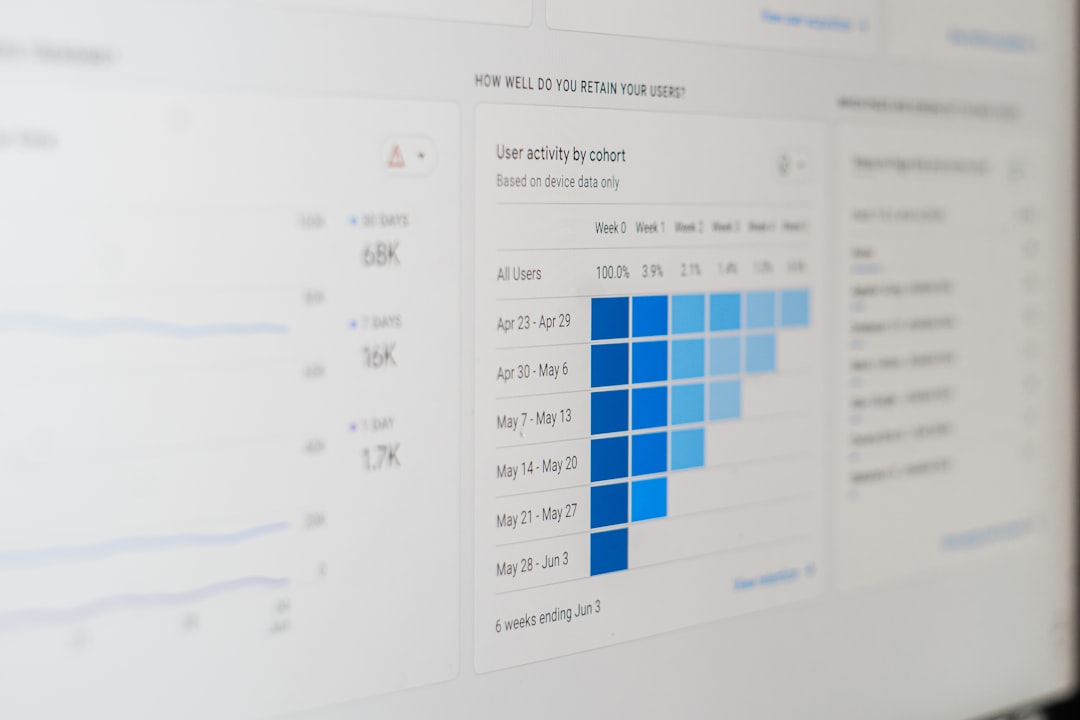
There are numerous tools available to help you track article interactions effectively. Google Analytics is one of the most widely used platforms for this purpose. It offers comprehensive insights into user behavior, including page views, average session duration, and bounce rates. Setting up goals within Google Analytics can also help you track specific actions, such as newsletter sign-ups or downloads.
In addition to Google Analytics, other tools like Hotjar and Crazy Egg provide heatmaps that visually represent where users click and scroll on your articles. This information can be invaluable for understanding how readers navigate your content and where they might lose interest. Social media analytics tools like Buffer or Hootsuite can also help you track shares and engagement across various platforms, giving you a holistic view of how your articles perform online.
Analyzing User Behavior on Articles
| Article Title | Number of Views | Number of Likes | Number of Comments |
|---|---|---|---|
| How to Track User Interactions | 500 | 150 | 50 |
| Maximizing User Engagement | 700 | 200 | 80 |
| Improving Article Readability | 400 | 100 | 30 |
Analyzing user behavior on your articles involves digging deeper into the data collected from various metrics. Start by segmenting your audience based on demographics or behavior patterns. This allows you to see how different groups interact with your content and identify any significant differences in engagement levels.
Look for patterns in the data that can inform your content strategy. For example, if certain topics consistently generate higher engagement, consider producing more articles on those subjects.
Additionally, pay attention to the types of headlines or formats that attract more clicks.
By understanding user behavior, you can tailor your content to better meet the needs and preferences of your audience.
Implementing Strategies to Maximize User Engagement
Once you have a solid understanding of user engagement metrics and behavior, it’s time to implement strategies to maximize engagement. One effective approach is to create a content calendar that aligns with audience interests and seasonal trends. This ensures that you’re consistently delivering relevant content that keeps readers coming back for more.
Another strategy is to encourage interaction through comments and discussions.
Prompt readers to share their thoughts at the end of each article or pose questions that invite responses.
Engaging with readers in the comments section not only fosters community but also provides valuable insights into their preferences and opinions.
Creating Engaging Content for User Interaction
Creating engaging content is at the heart of boosting user interaction. Start by focusing on storytelling; people connect with narratives more than dry facts or statistics. Use anecdotes or case studies to illustrate your points and make your articles relatable. Additionally, consider incorporating multimedia elements like images, videos, or infographics to break up text and enhance visual appeal.
Another effective tactic is to use a conversational tone in your writing. This makes your articles feel more personal and approachable, encouraging readers to engage with the content. Don’t shy away from asking questions or inviting feedback throughout the article; this invites readers to think critically about the topic and share their perspectives.
Utilizing Call-to-Actions for Increased Engagement
Call-to-actions (CTAs) are powerful tools for driving user engagement. A well-placed CTA can guide readers toward taking specific actions, whether it’s leaving a comment, sharing the article on social media, or signing up for a newsletter. Make sure your CTAs are clear and compelling; instead of simply saying “click here,” try something more engaging like “Join the conversation” or “Share your thoughts below.”
It’s also important to strategically position CTAs within your articles. Placing them at the end of an article is common, but consider adding them mid-way through as well, especially if the content is lengthy. This way, you capture readers’ attention while they’re still engaged with the material.
A/B Testing for Optimal User Engagement
A/B testing is an effective method for optimizing user engagement by comparing two versions of an article or element within it. For instance, you might test different headlines to see which one attracts more clicks or experiment with varying formats to determine what keeps readers engaged longer.
When conducting A/B tests, ensure that you’re only changing one variable at a time to accurately assess its impact on engagement metrics. Analyze the results carefully; even small changes can lead to significant differences in user behavior. By continuously testing and refining your approach based on data-driven insights, you can enhance user engagement over time.
Leveraging Social Media for Article Interaction
Social media platforms are invaluable for driving article interaction and expanding your reach. Share snippets or quotes from your articles on platforms like Twitter, Facebook, or LinkedIn to entice followers to read the full piece. Engaging visuals or infographics can also capture attention and encourage shares.
Additionally, consider joining relevant groups or forums where discussions around your article topics take place. Sharing your expertise in these communities can drive traffic back to your articles while establishing you as a thought leader in your niche. Remember to engage with users who comment on your posts; this interaction fosters relationships and encourages further discussion around your content.
Measuring the Success of User Engagement Strategies
Finally, measuring the success of your user engagement strategies is crucial for ongoing improvement. Regularly review the metrics you’ve been tracking to assess whether your strategies are yielding positive results. Look for trends over time; are certain types of content consistently performing better? Are there specific times when engagement spikes?
Don’t hesitate to adjust your strategies based on what the data reveals. If certain approaches aren’t working as expected, be open to experimenting with new ideas or refining existing ones. The goal is to create a dynamic content strategy that evolves alongside your audience’s preferences and behaviors, ensuring sustained engagement over time.
In conclusion, understanding user engagement metrics and implementing effective strategies can significantly enhance how readers interact with your articles. By tracking interactions, analyzing behavior, creating engaging content, and leveraging social media, you can foster a loyal audience that actively engages with your work.
FAQs
What is user interaction tracking on articles?
User interaction tracking on articles refers to the process of monitoring and recording how users engage with online articles. This can include tracking metrics such as page views, time spent on page, scroll depth, clicks on links, and social media shares.
Why is it important to track user interactions on articles?
Tracking user interactions on articles is important for understanding how users engage with content. This data can provide valuable insights into user behavior, preferences, and interests, which can be used to optimize content, improve user experience, and drive engagement and conversions.
What are some common methods for tracking user interactions on articles?
Common methods for tracking user interactions on articles include using web analytics tools such as Google Analytics, implementing event tracking and custom tracking codes, and integrating with content management systems or publishing platforms that offer built-in tracking capabilities.
What are the benefits of tracking user interactions on articles?
Some benefits of tracking user interactions on articles include gaining insights into user behavior, identifying popular content and topics, understanding how users navigate through articles, optimizing content for better engagement, and measuring the effectiveness of marketing and promotional efforts.
How can the data from user interaction tracking be used to improve articles?
The data from user interaction tracking can be used to improve articles by informing content strategy, identifying opportunities for content optimization, personalizing user experiences, and informing decisions related to design, layout, and user interface.



0 Comments