





The integration of artificial intelligence (AI) into ecommerce has transformed the landscape of online retail. AI analytics refers to the use of advanced algorithms and machine learning techniques to analyze data, derive insights, and inform decision-making processes. As ecommerce continues to grow, businesses are increasingly turning to AI analytics to enhance their operations, improve customer experiences, and drive sales. This technology enables retailers to process vast amounts of data quickly and efficiently, allowing them to stay competitive in a rapidly evolving market.
The rise of AI analytics in ecommerce is driven by the need for businesses to understand consumer behavior better and respond to market trends. With the proliferation of data generated from online transactions, social media interactions, and customer feedback, traditional methods of analysis are often insufficient. AI analytics provides a more sophisticated approach, enabling retailers to identify patterns, predict future trends, and make data-driven decisions that can lead to increased profitability and customer satisfaction.
Key Takeaways
- AI analytics plays a crucial role in driving ecommerce success through enhanced data insights.
- Customer segmentation and personalization are significantly improved using AI technologies.
- Predictive analytics powered by AI helps optimize inventory management and demand forecasting.
- AI enables dynamic pricing strategies and boosts marketing campaign effectiveness.
- Implementing AI enhances fraud detection, customer support, and overall ecommerce performance measurement.
Understanding the Role of AI in Ecommerce Success
AI plays a crucial role in the success of ecommerce by enhancing various aspects of the business model. One of the primary functions of AI is to analyze customer data, which helps retailers understand their target audience’s preferences and behaviors. By leveraging this information, businesses can tailor their offerings to meet customer needs more effectively. This level of personalization not only improves customer satisfaction but also fosters brand loyalty, which is essential for long-term success in the competitive ecommerce landscape.
Moreover, AI contributes to operational efficiency by automating routine tasks and streamlining processes. For instance, AI-powered chatbots can handle customer inquiries around the clock, reducing the need for extensive customer service teams. This automation allows human resources to focus on more complex issues that require personal attention. Additionally, AI can optimize supply chain management by predicting demand fluctuations and adjusting inventory levels accordingly, ensuring that businesses can meet customer expectations without overstocking or understocking products.
Leveraging AI for Customer Segmentation and Personalization

Customer segmentation is a critical strategy in ecommerce that involves dividing a customer base into distinct groups based on shared characteristics. AI enhances this process by analyzing large datasets to identify patterns that may not be immediately apparent through traditional methods. By employing machine learning algorithms, retailers can segment customers based on various factors such as purchasing behavior, demographics, and engagement levels. This granular understanding allows businesses to create targeted marketing campaigns that resonate with specific segments.
Personalization is another area where AI excels. Once customers are segmented, AI can help deliver tailored experiences that cater to individual preferences. For example, recommendation engines powered by AI analyze past purchases and browsing behavior to suggest products that a customer is likely to be interested in. This not only increases the likelihood of conversion but also enhances the overall shopping experience. By providing personalized content and offers, retailers can foster deeper connections with their customers, ultimately driving sales and improving retention rates.
Utilizing AI for Predictive Analytics and Forecasting
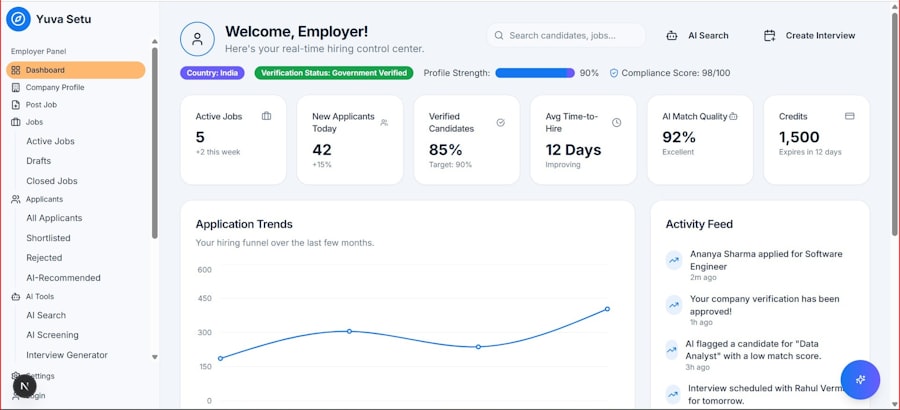
Predictive analytics is a powerful application of AI that enables ecommerce businesses to forecast future trends based on historical data. By analyzing past sales patterns, seasonal fluctuations, and external factors such as economic conditions or social media trends, AI can generate insights that inform strategic planning. Retailers can use these predictions to optimize inventory levels, plan marketing campaigns, and allocate resources more effectively.
The ability to anticipate customer demand is particularly valuable in ecommerce, where consumer preferences can shift rapidly. For instance, during holiday seasons or special events, predictive analytics can help businesses prepare for spikes in demand by adjusting their inventory and staffing levels accordingly. This proactive approach minimizes the risk of stockouts or excess inventory, both of which can negatively impact profitability. By leveraging AI for predictive analytics, ecommerce companies can make informed decisions that enhance operational efficiency and improve customer satisfaction.
Harnessing AI for Inventory Management and Demand Forecasting
| Metric | Description | Typical Value / Range | Impact on Ecommerce |
|---|---|---|---|
| Conversion Rate | Percentage of visitors who make a purchase | 1% – 5% | Higher conversion rates indicate effective AI-driven personalization and recommendations |
| Customer Lifetime Value (CLV) | Projected revenue from a customer over their entire relationship | Varies widely by industry | AI analytics helps identify high-value customers and tailor marketing efforts |
| Cart Abandonment Rate | Percentage of shoppers who add items to cart but do not complete purchase | 60% – 80% | AI can predict abandonment and trigger targeted interventions to recover sales |
| Average Order Value (AOV) | Average amount spent per order | Varies by store | AI-driven upselling and cross-selling can increase AOV |
| Customer Segmentation Accuracy | Effectiveness of AI in grouping customers by behavior and preferences | 70% – 90% | Improves targeted marketing and personalization |
| Product Recommendation Click-Through Rate (CTR) | Percentage of recommended products clicked by users | 5% – 15% | Higher CTR indicates more relevant AI recommendations |
| Inventory Turnover Rate | How often inventory is sold and replaced over a period | 4 – 12 times per year | AI analytics optimize stock levels and reduce overstock or stockouts |
| Churn Rate | Percentage of customers who stop buying over a period | 5% – 20% | AI helps identify at-risk customers and enables retention strategies |
Effective inventory management is essential for ecommerce success, as it directly impacts cash flow and customer satisfaction. AI technologies can significantly enhance inventory management processes by providing real-time insights into stock levels and demand forecasts. Machine learning algorithms analyze historical sales data alongside external factors such as market trends and consumer behavior to predict future demand accurately.
By utilizing AI for demand forecasting, retailers can optimize their inventory levels, ensuring they have the right products available at the right time. This reduces the likelihood of overstocking or stockouts, both of which can lead to lost sales opportunities or increased holding costs. Additionally, AI can help identify slow-moving products that may require promotional strategies or discounts to clear out inventory. Overall, harnessing AI for inventory management allows ecommerce businesses to operate more efficiently while meeting customer expectations.
Optimizing Pricing Strategies with AI Analytics
Pricing strategies are critical in determining an ecommerce business’s competitiveness and profitability. AI analytics provides retailers with the tools needed to optimize pricing by analyzing various factors such as competitor pricing, market demand, and customer behavior. Dynamic pricing models powered by AI allow businesses to adjust prices in real-time based on these variables, ensuring they remain competitive while maximizing profit margins.
For example, if a retailer notices a surge in demand for a particular product, AI can recommend a price increase to capitalize on this trend. Conversely, if sales are lagging for a specific item, AI may suggest a temporary discount to stimulate interest. By continuously monitoring market conditions and consumer responses, AI-driven pricing strategies enable retailers to make informed decisions that enhance revenue while maintaining customer satisfaction.
Improving Customer Service and Support with AI
Customer service is a vital component of ecommerce success, as it directly influences customer satisfaction and loyalty.
AI technologies have revolutionized this area by providing tools that enhance support capabilities.
Chatbots and virtual assistants powered by natural language processing (NLP) can handle a wide range of customer inquiries without human intervention. These systems are available 24/7, allowing customers to receive assistance at any time.
In addition to chatbots, AI can analyze customer interactions to identify common issues or areas for improvement in service delivery. By understanding the types of inquiries customers frequently make, businesses can refine their support processes and provide more effective solutions. Furthermore, AI can assist human agents by providing them with relevant information during live interactions, enabling them to resolve issues more efficiently. Overall, leveraging AI in customer service enhances the overall experience for consumers while optimizing operational efficiency for retailers.
Enhancing Marketing and Advertising Campaigns with AI
AI analytics plays a significant role in shaping marketing and advertising strategies within ecommerce. By analyzing consumer data and behavior patterns, businesses can create highly targeted marketing campaigns that resonate with their audience. Machine learning algorithms can identify which channels are most effective for reaching specific segments and optimize ad placements accordingly.
Moreover, AI can enhance content creation by analyzing what types of messaging or visuals perform best with different demographics. This allows marketers to tailor their campaigns more effectively and allocate resources toward strategies that yield the highest return on investment (ROI). Additionally, predictive analytics can help forecast the success of marketing initiatives before they are launched, enabling businesses to make data-driven adjustments that improve outcomes.
Implementing AI for Fraud Detection and Security
As ecommerce continues to grow, so does the risk of fraud and cyber threats. Implementing AI for fraud detection has become essential for protecting both businesses and consumers. Machine learning algorithms can analyze transaction patterns in real-time to identify anomalies that may indicate fraudulent activity. By flagging suspicious transactions before they are completed, retailers can mitigate potential losses and protect their customers’ sensitive information.
AI also enhances security measures beyond fraud detection. For instance, biometric authentication methods powered by AI can provide an additional layer of security during the checkout process. These technologies analyze unique physical characteristics such as fingerprints or facial recognition to verify user identities. By leveraging AI for security purposes, ecommerce businesses can build trust with their customers while safeguarding their operations against potential threats.
Measuring and Analyzing Ecommerce Performance with AI
Measuring performance is crucial for any ecommerce business seeking growth and improvement. AI analytics provides comprehensive tools for tracking key performance indicators (KPIs) such as conversion rates, average order value, and customer acquisition costs. By analyzing these metrics in real-time, businesses can gain insights into their operational effectiveness and identify areas for enhancement.
Furthermore, AI enables retailers to conduct A/B testing more efficiently by analyzing consumer responses to different strategies or campaigns simultaneously. This allows businesses to determine which approaches yield the best results without relying solely on intuition or guesswork. By continuously measuring performance through AI analytics, ecommerce companies can adapt their strategies based on data-driven insights that lead to improved outcomes.
The Future of Ecommerce with AI Analytics
The future of ecommerce is increasingly intertwined with advancements in AI analytics. As technology continues to evolve, retailers will have access to even more sophisticated tools that enhance decision-making processes across various aspects of their operations. From customer segmentation and personalization to inventory management and fraud detection, the applications of AI are vast and varied.
As businesses embrace these technologies, they will be better equipped to navigate the complexities of the digital marketplace while meeting consumer demands effectively. The integration of AI analytics not only streamlines operations but also fosters deeper connections between brands and customers through personalized experiences. Ultimately, the continued evolution of AI in ecommerce promises a future where data-driven insights lead to greater efficiency, enhanced customer satisfaction, and sustained growth in an increasingly competitive environment.
FAQs
What is AI analytics in ecommerce?
AI analytics in ecommerce refers to the use of artificial intelligence technologies to analyze large volumes of data generated by online retail platforms. This analysis helps businesses understand customer behavior, optimize marketing strategies, improve inventory management, and enhance the overall shopping experience.
How does AI analytics improve customer experience in ecommerce?
AI analytics improves customer experience by personalizing product recommendations, predicting customer preferences, optimizing pricing strategies, and providing real-time support through chatbots. These capabilities help create a more engaging and efficient shopping journey for customers.
What types of data are used in AI analytics for ecommerce?
AI analytics utilizes various types of data including customer demographics, browsing history, purchase patterns, product reviews, social media interactions, and inventory levels. This diverse data set enables comprehensive insights into consumer behavior and market trends.
Can AI analytics help with inventory management in ecommerce?
Yes, AI analytics can forecast demand, optimize stock levels, and reduce overstock or stockouts by analyzing sales trends and customer purchasing behavior. This leads to more efficient inventory management and cost savings for ecommerce businesses.
Are there any challenges associated with implementing AI analytics in ecommerce?
Challenges include data privacy concerns, the need for high-quality data, integration with existing systems, and the requirement for skilled personnel to interpret AI-generated insights. Additionally, the initial investment in AI technology can be significant for some ecommerce businesses.



0 Comments