




The ecommerce funnel is a conceptual model that outlines the journey a potential customer takes from the moment they become aware of a product to the point of purchase and beyond. This funnel typically consists of several stages: awareness, interest, consideration, intent, evaluation, and purchase. Each stage represents a different level of engagement and decision-making, and understanding this progression is crucial for businesses aiming to optimize their sales processes. By mapping out the customer journey, companies can identify where they may lose potential buyers and develop strategies to enhance conversion rates.
At the top of the funnel, awareness is generated through various marketing channels such as social media, search engines, and email campaigns. As customers move down the funnel, they express interest in specific products or services, often leading to further research and consideration. This stage is critical as it sets the foundation for future interactions. Businesses must ensure that they provide valuable content and resources to guide potential customers through their decision-making process. Understanding the nuances of each stage allows companies to tailor their marketing efforts effectively, ultimately driving more conversions.
Key Takeaways
- Ecommerce funnels map the customer journey from awareness to purchase, helping identify drop-off points.
- Setting up accurate funnel tracking and choosing relevant metrics are crucial for effective analysis.
- Analyzing user behavior and identifying conversion roadblocks enable targeted optimizations.
- A/B testing, retargeting, and personalization enhance funnel performance and customer engagement.
- Incorporating customer feedback, social proof, and measuring lifetime value drive long-term growth.
Setting Up Funnel Tracking
To effectively analyze the ecommerce funnel, businesses must implement robust tracking mechanisms. Funnel tracking involves monitoring user interactions at each stage of the customer journey, providing insights into how users navigate through the funnel. This can be achieved through various analytics tools that track user behavior on websites and mobile applications. Setting up funnel tracking requires defining key stages in the customer journey and determining which actions signify movement from one stage to another.
Once the tracking system is in place, businesses can collect data on user behavior, such as page views, click-through rates, and conversion rates. This data is essential for understanding how users interact with the ecommerce platform and identifying areas for improvement. By analyzing this information, companies can make informed decisions about their marketing strategies and website design, ensuring that they effectively guide users through the funnel. Properly set up funnel tracking not only aids in identifying trends but also helps in forecasting future sales performance.
Choosing the Right Metrics to Track

Selecting appropriate metrics is vital for effective funnel analysis. Businesses should focus on key performance indicators (KPIs) that align with their specific goals and objectives. Common metrics include conversion rates at each stage of the funnel, average order value, cart abandonment rates, and customer acquisition costs. By monitoring these metrics, companies can gain insights into their overall performance and identify areas that require attention.
In addition to quantitative metrics, qualitative data can also provide valuable context. Customer feedback, surveys, and user testing can help businesses understand why users may drop off at certain stages or what factors influence their purchasing decisions. By combining both quantitative and qualitative data, companies can develop a comprehensive view of their funnel performance and make data-driven decisions to enhance user experience and increase conversions.
Analyzing User Behavior at Each Stage
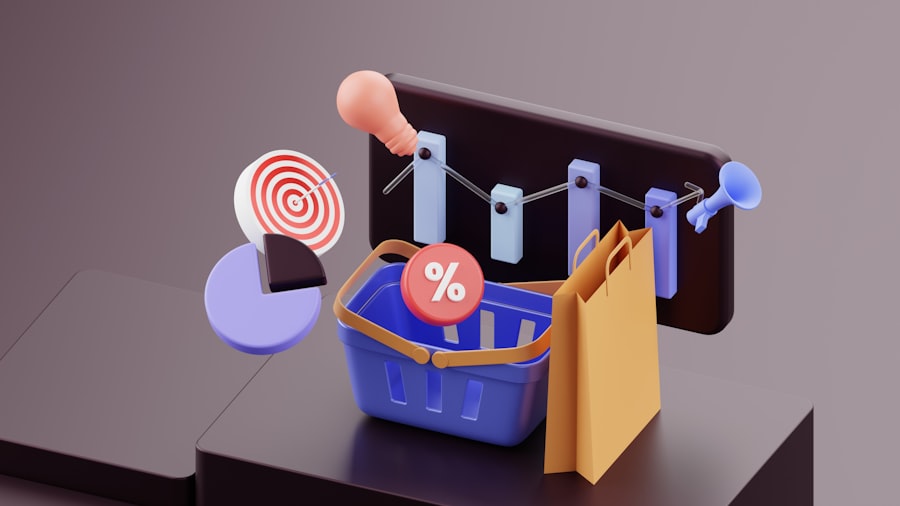
Understanding user behavior at each stage of the ecommerce funnel is essential for identifying opportunities for improvement. At the awareness stage, businesses should analyze how users discover their products—whether through organic search, paid advertising, or social media. This analysis can help determine which channels are most effective in driving traffic and generating interest.
As users progress to the consideration stage, it is important to examine how they engage with product information. Metrics such as time spent on product pages, bounce rates, and click-through rates on related products can provide insights into user interest levels. Additionally, analyzing user behavior during the intent stage—such as adding items to a cart or initiating checkout—can reveal potential friction points that may hinder conversions. By closely monitoring these behaviors, businesses can make targeted adjustments to their marketing strategies and website design to better meet user needs.
Identifying Conversion Roadblocks
| Funnel Stage | Metric | Description | Example Value | Importance |
|---|---|---|---|---|
| Awareness | Website Visitors | Number of unique visitors landing on the site | 50,000 | High |
| Interest | Product Page Views | Number of views on product detail pages | 20,000 | High |
| Consideration | Add to Cart Rate | Percentage of visitors adding products to cart | 15% | High |
| Intent | Checkout Initiation | Number of users starting the checkout process | 2,500 | Medium |
| Evaluation | Cart Abandonment Rate | Percentage of users who abandon cart before purchase | 60% | High |
| Purchase | Conversion Rate | Percentage of visitors who complete a purchase | 3% | Critical |
| Post-Purchase | Repeat Purchase Rate | Percentage of customers who make another purchase | 25% | Medium |
| Post-Purchase | Customer Lifetime Value (CLV) | Average revenue generated per customer over time | 120 | Critical |
Identifying conversion roadblocks is a critical step in optimizing the ecommerce funnel. Roadblocks can occur at any stage of the funnel and may stem from various factors such as website usability issues, unclear messaging, or lack of trust signals. For instance, if users frequently abandon their carts during checkout, it may indicate that the process is too complicated or that shipping costs are unexpectedly high.
To effectively identify these roadblocks, businesses should conduct thorough analyses of user behavior data alongside customer feedback. Heatmaps and session recordings can provide visual insights into how users interact with a website, highlighting areas where they may struggle or lose interest. Additionally, A/B testing different elements of the funnel can help pinpoint specific changes that lead to improved conversion rates. By systematically addressing these roadblocks, companies can create a more seamless shopping experience that encourages users to complete their purchases.
Implementing A/B Testing for Optimization
A/B testing is a powerful method for optimizing various elements of the ecommerce funnel. This technique involves comparing two versions of a webpage or marketing asset to determine which one performs better in terms of user engagement and conversions. By systematically testing different variables—such as headlines, images, call-to-action buttons, or layout—businesses can gather data on what resonates most with their audience.
The results from A/B tests can inform decisions about website design and marketing strategies. For example, if one version of a product page leads to higher conversion rates than another, businesses can implement those changes across their site to enhance overall performance. A/B testing not only helps in optimizing individual elements but also fosters a culture of continuous improvement within an organization. By regularly testing and iterating on their strategies, companies can stay responsive to changing consumer preferences and market trends.
Utilizing Retargeting Strategies
Retargeting is an effective strategy for re-engaging users who have previously interacted with a brand but did not complete a purchase. This approach involves displaying targeted ads to users across various platforms based on their previous online behavior. For instance, if a user visits an ecommerce site but leaves without making a purchase, retargeting ads can remind them of the products they viewed or offer incentives such as discounts to encourage them to return.
Implementing retargeting strategies requires careful segmentation of audiences based on their behavior within the funnel. Businesses can create tailored ad campaigns for users at different stages—those who have shown interest but not converted may receive different messaging than those who have abandoned their carts.
By delivering relevant content to users who have already expressed interest in a brand’s offerings, companies can increase the likelihood of conversion and maximize their marketing efforts.
Personalizing the Customer Journey
Personalization plays a significant role in enhancing the ecommerce funnel by creating tailored experiences for individual users. By leveraging data on user behavior and preferences, businesses can deliver personalized product recommendations, content, and marketing messages that resonate with each customer. This approach not only improves user engagement but also fosters brand loyalty.
To implement personalization effectively, companies should utilize customer data collected through various touchpoints—such as browsing history, past purchases, and demographic information. Advanced algorithms and machine learning techniques can help analyze this data to generate personalized experiences at scale. For example, an ecommerce site might display recommended products based on a user’s previous purchases or send targeted emails featuring items related to their interests. By prioritizing personalization throughout the customer journey, businesses can create more meaningful interactions that drive conversions.
Integrating Customer Feedback into Funnel Optimization
Customer feedback is an invaluable resource for optimizing the ecommerce funnel. Gathering insights directly from users allows businesses to understand their needs, preferences, and pain points more clearly. Surveys, reviews, and direct feedback mechanisms can provide qualitative data that complements quantitative metrics collected through analytics tools.
Integrating customer feedback into funnel optimization involves actively listening to customers and making adjustments based on their input.
For instance, if multiple customers express frustration with a particular aspect of the checkout process, businesses should investigate further and consider implementing changes to address these concerns.
By demonstrating responsiveness to customer feedback, companies not only improve their funnel performance but also build trust and loyalty among their audience.
Leveraging Social Proof and Trust Signals
Social proof and trust signals are essential components of an effective ecommerce funnel. These elements help establish credibility and reassure potential customers about their purchasing decisions. Social proof can take various forms—such as customer reviews, testimonials, case studies, or user-generated content—that showcase positive experiences from other buyers.
Incorporating trust signals into the ecommerce platform is equally important. Elements such as secure payment options, clear return policies, and recognizable security badges can alleviate concerns about online shopping safety. By prominently displaying these signals throughout the funnel—especially during critical stages like checkout—businesses can enhance user confidence and reduce friction points that may lead to cart abandonment.
Measuring and Improving Customer Lifetime Value
Customer lifetime value (CLV) is a key metric that reflects the total revenue a business can expect from a single customer over their entire relationship with the brand. Understanding CLV is crucial for evaluating the effectiveness of marketing strategies and optimizing the ecommerce funnel. By measuring CLV, businesses can identify high-value customers and tailor their marketing efforts accordingly.
Improving CLV involves implementing strategies that encourage repeat purchases and foster long-term relationships with customers. This may include loyalty programs, personalized marketing campaigns, or exceptional customer service experiences that keep customers engaged beyond their initial purchase. By focusing on enhancing CLV through targeted initiatives within the ecommerce funnel, businesses can drive sustainable growth while maximizing profitability over time.
In conclusion, optimizing the ecommerce funnel requires a comprehensive understanding of user behavior at each stage along with strategic implementation of tracking mechanisms and metrics analysis. By identifying roadblocks and leveraging techniques such as A/B testing and retargeting strategies while personalizing customer journeys and integrating feedback into optimization efforts, businesses can enhance conversion rates significantly. Additionally, utilizing social proof and trust signals builds credibility while measuring customer lifetime value ensures long-term success in an increasingly competitive online marketplace.
FAQs
What is ecommerce funnel tracking?
Ecommerce funnel tracking is the process of monitoring and analyzing the steps a customer takes from first visiting an online store to completing a purchase. It helps businesses understand where users drop off and optimize the sales process.
Why is ecommerce funnel tracking important?
It is important because it provides insights into customer behavior, identifies bottlenecks in the purchasing process, and helps improve conversion rates by optimizing each stage of the funnel.
What are the typical stages in an ecommerce funnel?
The typical stages include awareness (visiting the site), consideration (viewing products), decision (adding items to cart), and purchase (completing checkout).
Which tools are commonly used for ecommerce funnel tracking?
Common tools include Google Analytics, Shopify Analytics, Mixpanel, and specialized ecommerce platforms that offer built-in funnel tracking features.
How can ecommerce funnel tracking improve sales performance?
By analyzing funnel data, businesses can identify where customers abandon the process, test changes to improve user experience, personalize marketing efforts, and ultimately increase the number of completed purchases.


0 Comments