




User tracking tools are essential for bloggers who want to understand their audience better. These tools collect data on how visitors interact with your blog, providing insights that can help you tailor your content and improve user experience. By analyzing this data, you can make informed decisions that enhance engagement and drive traffic. In a digital landscape where attention spans are short, knowing what resonates with your audience is crucial.
The primary goal of user tracking is to gather actionable insights. Whether you’re a seasoned blogger or just starting, understanding user behavior can significantly impact your blog’s success. With the right tools, you can identify trends, preferences, and pain points, allowing you to create content that truly speaks to your readers.
Key Takeaways
- User tracking tools are essential for understanding and improving user behavior on blogs.
- Choosing the right user tracking tool for your blog is crucial for accurate data collection and analysis.
- Setting up user tracking tools on your blog requires careful implementation and consideration of privacy regulations.
- Analyzing user data can provide valuable insights for improving blog engagement and creating targeted content.
- Leveraging user tracking tools for email marketing and A/B testing can help maximize blog engagement and user interaction.
Understanding User Behavior on Blogs
To effectively engage your audience, it’s vital to grasp how they behave on your blog. User behavior encompasses various actions, such as page views, time spent on pages, and navigation paths. By analyzing these metrics, you can uncover what content captures attention and what might be causing users to leave. For instance, if you notice that visitors frequently exit after reading a specific post, it may indicate that the content isn’t meeting their expectations.
Additionally, understanding user behavior helps you identify your audience’s interests and preferences. Are they more inclined to read long-form articles or prefer quick tips? Do they engage more with visual content or written pieces? By answering these questions, you can tailor your content strategy to align with what your readers want, ultimately fostering a more engaged community.
Choosing the Right User Tracking Tool for Your Blog

Selecting the right user tracking tool is a critical step in optimizing your blog. There are numerous options available, each with its own set of features and capabilities. Popular tools like Google Analytics offer comprehensive data on user demographics, traffic sources, and behavior flow. However, if you’re looking for more specialized insights, tools like Hotjar or Crazy Egg provide heatmaps and session recordings that show exactly how users interact with your site.
When choosing a tool, consider your specific needs and goals. Are you looking for in-depth analytics or a simple overview of user behavior? Some tools are more user-friendly than others, so if you’re not particularly tech-savvy, opt for one with an intuitive interface. Additionally, think about budget constraints; while some tools are free, others come with subscription fees that can add up over time.
Setting Up User Tracking Tools on Your Blog
Once you’ve chosen a user tracking tool, the next step is setting it up on your blog. This process typically involves adding a tracking code to your website’s header or footer. If you’re using a platform like WordPress, there are plugins available that simplify this process. For instance, Google Analytics has a dedicated plugin that allows you to integrate it seamlessly without needing to touch any code.
After installation, it’s essential to configure the tool according to your goals. This might include setting up goals for conversions or defining specific events you want to track, such as button clicks or form submissions. Taking the time to customize these settings ensures that the data you collect is relevant and useful for your analysis.
Analyzing User Data to Improve Blog Engagement
| Tool Name | Features | Price |
|---|---|---|
| Google Analytics | Real-time tracking, audience insights, conversion tracking | Free |
| Adobe Analytics | Advanced segmentation, real-time data, predictive analytics | Custom pricing |
| Piwik | Open-source, customizable dashboards, GDPR compliant | Free / Paid |
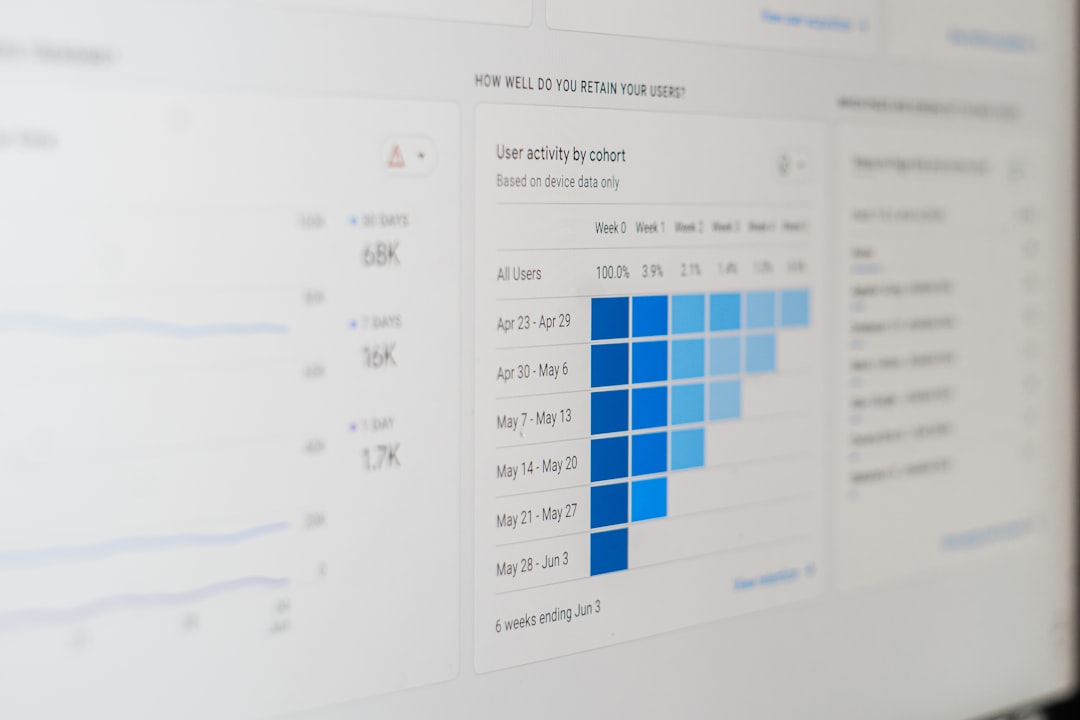
With user tracking tools in place, you can start analyzing the data collected. Look for patterns in user behavior that can inform your content strategy. For example, if certain topics consistently attract more visitors or generate higher engagement rates, consider creating more content around those themes. Additionally, pay attention to metrics like bounce rates and average session duration; high bounce rates may indicate that users aren’t finding what they expected.
Another valuable aspect of data analysis is segmenting your audience. By categorizing users based on their behavior or demographics, you can gain deeper insights into different segments of your audience. This allows for more targeted content creation and marketing efforts, ultimately leading to improved engagement across the board.
Using User Tracking Tools to Create Targeted Content
Creating targeted content is one of the most effective ways to engage your audience. User tracking tools provide insights into what topics resonate with your readers, enabling you to craft content that meets their needs. For instance, if analytics show that users are spending significant time on posts about a specific subject, it’s a good indication that there’s interest in that area.
Moreover, understanding user demographics can help tailor your content even further. If you find that a large portion of your audience is interested in a particular niche or has specific preferences, you can create content that speaks directly to them. This not only enhances engagement but also builds a loyal readership that feels understood and valued.
Leveraging User Tracking Tools for Email Marketing
Email marketing remains a powerful tool for bloggers looking to engage their audience further. User tracking tools can enhance your email marketing efforts by providing insights into subscriber behavior. For example, by analyzing which blog posts drive the most traffic to your site, you can create targeted email campaigns that highlight similar content or related topics.
Additionally, tracking user interactions with your emails can inform future campaigns. If certain subject lines or content types lead to higher open rates or click-through rates, you can use this information to refine your email strategy. By leveraging data from user tracking tools, you can create personalized email experiences that resonate with your audience and encourage them to return to your blog.
Monitoring Blog Performance with User Tracking Tools
Regularly monitoring your blog’s performance is crucial for ongoing success. User tracking tools provide real-time data that allows you to assess how well your blog is performing over time. Key performance indicators (KPIs) such as traffic sources, user engagement metrics, and conversion rates can help you gauge the effectiveness of your content and marketing strategies.
By keeping an eye on these metrics, you can quickly identify areas for improvement. For instance, if you notice a drop in traffic from a particular source, it may be time to reassess your promotional strategies or optimize that channel for better results. Continuous monitoring ensures that you’re always aware of how your blog is performing and can make adjustments as needed.
Implementing A/B Testing with User Tracking Tools
A/B testing is a powerful method for optimizing various elements of your blog based on user behavior data. By comparing two versions of a webpage or piece of content—such as different headlines or layouts—you can determine which performs better in terms of user engagement and conversions. User tracking tools make it easy to set up these tests and analyze the results.
When implementing A/B tests, it’s essential to focus on one variable at a time for accurate results.
For example, if you’re testing two different call-to-action buttons, keep everything else consistent between the two versions.
After running the test for a sufficient period, analyze the data to see which version yielded better results and apply those insights moving forward.
Engaging with Users Based on Tracking Data
Engagement goes beyond just creating great content; it also involves interacting with your audience based on their behavior and preferences. User tracking tools provide valuable insights into how users engage with your blog, allowing you to tailor your interactions accordingly. For instance, if certain users frequently comment on posts about specific topics, consider reaching out to them directly or inviting them to contribute guest posts.
Additionally, using tracking data to personalize communication can enhance user experience significantly. If you notice that a segment of your audience consistently engages with particular types of content, consider sending them personalized recommendations or exclusive content related to their interests. This level of engagement fosters a sense of community and encourages readers to return regularly.
Best Practices for Maximizing Blog Engagement with User Tracking Tools
To get the most out of user tracking tools and maximize blog engagement, consider implementing some best practices. First and foremost, ensure that you’re regularly reviewing and analyzing the data collected. Set aside time each month to assess performance metrics and identify trends that could inform future content strategies.
Another best practice is to remain flexible and willing to adapt based on the insights gained from user tracking tools. If certain types of content aren’t performing as expected, don’t hesitate to pivot your strategy or experiment with new formats. Lastly, prioritize transparency with your audience regarding data collection practices; being open about how you use their data can build trust and encourage continued engagement.
In conclusion, user tracking tools are invaluable assets for bloggers looking to enhance engagement and understand their audience better. By leveraging these tools effectively—from choosing the right one to analyzing data and implementing changes—you can create a more engaging blog experience that resonates with readers and keeps them coming back for more.
FAQs
What are blog user tracking tools?
Blog user tracking tools are software or services that allow blog owners to monitor and analyze the behavior of visitors on their website. These tools provide valuable insights into user engagement, traffic sources, and other important metrics.
How do blog user tracking tools work?
Blog user tracking tools typically use cookies and other tracking technologies to collect data on user behavior, such as page views, time spent on site, and click-through rates. This data is then aggregated and presented to the blog owner in the form of reports and analytics.
What are the benefits of using blog user tracking tools?
Using blog user tracking tools can help blog owners understand their audience better, improve their content strategy, and optimize their website for better user experience. These tools can also provide valuable insights for marketing and advertising purposes.
What are some popular blog user tracking tools?
Some popular blog user tracking tools include Google Analytics, Adobe Analytics, Mixpanel, and Hotjar. These tools offer a range of features and capabilities for tracking and analyzing user behavior on blogs and websites.
Are blog user tracking tools compliant with privacy regulations?
Blog user tracking tools must comply with privacy regulations such as the General Data Protection Regulation (GDPR) and the California Consumer Privacy Act (CCPA). It is important for blog owners to ensure that they are using tracking tools that are compliant with these regulations and to provide transparent information to their users about data collection and usage.



0 Comments