





In the digital landscape, a Publisher Analytics Platform serves as a crucial tool for content creators and marketers. It provides insights into how content is performing across various channels, helping publishers make informed decisions. By tracking metrics such as page views, user engagement, and conversion rates, these platforms enable publishers to understand their audience better and tailor their content accordingly.
Essentially, it’s about turning raw data into actionable insights that can drive growth and improve overall content strategy.
The importance of a Publisher Analytics Platform cannot be overstated. With the vast amount of content available online, standing out requires a deep understanding of what resonates with your audience. These platforms aggregate data from multiple sources, allowing you to see not just how many people are reading your articles, but also how they interact with them. This holistic view is essential for optimizing content and ensuring that it meets the needs and preferences of your target audience.
Key Takeaways
- Publisher analytics platforms provide valuable insights into content performance and audience behavior
- Setting up a publisher analytics platform involves integrating tracking codes and setting up goals and conversions
- Leveraging data from the analytics platform can help improve content performance by identifying top-performing content and areas for improvement
- Analyzing audience engagement and behavior can help publishers understand their audience’s preferences and tailor content accordingly
- A/B testing can be used to optimize content by testing different variations and measuring their impact on audience engagement
Setting Up Your Publisher Analytics Platform
Setting up your Publisher Analytics Platform is the first step toward harnessing the power of data.
The process typically begins with selecting the right platform that aligns with your goals and budget.
Popular options include Google Analytics, Adobe Analytics, and specialized tools like Chartbeat or Parse.ly. Each platform has its unique features, so it’s worth taking the time to evaluate which one will best serve your needs.
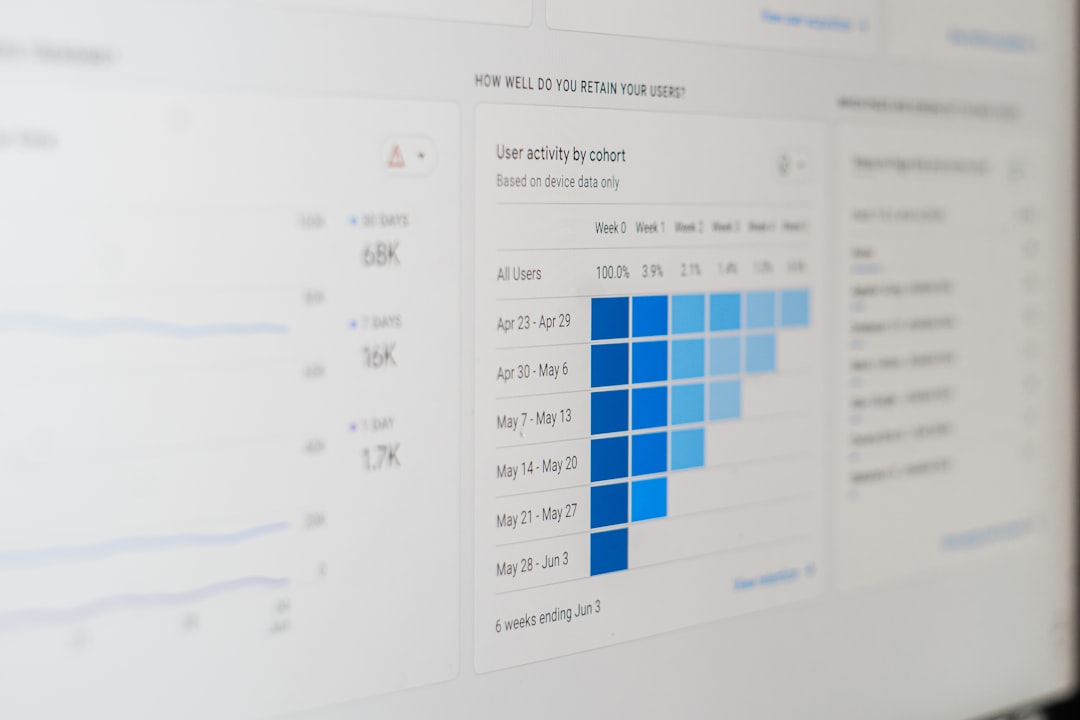
Once you’ve chosen a platform, the next step is to integrate it with your website or content management system (CMS). This usually involves adding tracking codes or plugins that allow the platform to collect data on user interactions. It’s important to ensure that the setup is done correctly to avoid any gaps in data collection. After integration, familiarize yourself with the dashboard and reporting features. Understanding how to navigate these tools will be crucial for analyzing data effectively in the future.
Leveraging Data to Improve Content Performance

Once your Publisher Analytics Platform is up and running, it’s time to dive into the data. Start by identifying key performance indicators (KPIs) that matter most to your content strategy. These could include metrics like average time on page, bounce rate, and social shares. By focusing on these KPIs, you can pinpoint which pieces of content are performing well and which ones may need improvement.
Data can reveal patterns that might not be immediately obvious. For instance, you might discover that certain topics generate more engagement than others or that specific formats—like videos or infographics—are more appealing to your audience. By leveraging this information, you can refine your content strategy, focusing on what works and experimenting with new ideas based on audience preferences.
Analyzing Audience Engagement and Behavior
Understanding audience engagement is key to creating content that resonates. Your Publisher Analytics Platform can provide insights into how users interact with your content. Look at metrics such as scroll depth, click-through rates, and time spent on articles. These indicators can help you gauge whether your content is capturing attention or if adjustments are needed.
Additionally, analyzing user behavior can uncover valuable insights about your audience’s preferences. For example, if you notice that users tend to drop off after a certain point in an article, it may indicate that the content is too lengthy or not engaging enough. By addressing these issues, you can enhance user experience and keep readers on your site longer.
Utilizing A/B Testing for Content Optimization
| Metrics | Definition |
|---|---|
| Page Views | The total number of times a page has been viewed by users. |
| Unique Visitors | The number of distinct individuals visiting the website within a specified time period. |
| Click-Through Rate (CTR) | The percentage of users who click on a specific link out of the total users who view a page, email, or advertisement. |
| Conversion Rate | The percentage of visitors who take a desired action, such as making a purchase or signing up for a newsletter. |
| Revenue | The total income generated from ad impressions, clicks, or other monetization methods. |
A/B testing is a powerful method for optimizing content based on real user feedback. This technique involves creating two versions of a piece of content—Version A and Version B—and comparing their performance. You might test different headlines, images, or even calls to action to see which version resonates more with your audience.
The beauty of A/B testing lies in its ability to provide concrete evidence of what works best. For instance, if one headline leads to significantly higher click-through rates than another, you can confidently use that headline in future campaigns. Regularly conducting A/B tests allows you to continuously refine your content strategy based on actual user behavior rather than assumptions.
Tracking Social Media and Referral Traffic
Social media plays a significant role in driving traffic to your content. Your Publisher Analytics Platform should allow you to track where your traffic is coming from, including social media platforms and referral sites. Understanding which channels are most effective can help you allocate resources more efficiently and tailor your promotional strategies accordingly.
For example, if you find that a particular social media platform drives a significant amount of traffic but has a high bounce rate, it may be worth investigating further. Perhaps the content shared on that platform doesn’t align with user expectations or interests. By analyzing this data, you can adjust your approach—whether it’s refining your messaging or targeting different audiences—to improve overall engagement.
Monitoring SEO and Keyword Performance
Search engine optimization (SEO) is essential for increasing visibility and driving organic traffic to your content. Your Publisher Analytics Platform should provide insights into keyword performance, allowing you to see which terms are bringing users to your site. This information can guide your content creation efforts by highlighting topics that are currently trending or underrepresented.
Regularly monitoring SEO metrics such as organic search traffic, keyword rankings, and click-through rates can help you stay ahead of the competition. If certain keywords are performing well, consider creating more content around those topics or optimizing existing articles for better visibility. Conversely, if some keywords aren’t delivering results, it may be time to rethink your strategy or explore new keywords that align with current trends.
Measuring Revenue and Monetization Strategies
For many publishers, understanding revenue generation is just as important as tracking engagement metrics. Your Publisher Analytics Platform should help you measure various monetization strategies—whether through ads, subscriptions, or affiliate marketing. By analyzing revenue streams alongside user engagement data, you can identify which strategies are most effective.
For instance, if you notice that articles with affiliate links generate higher revenue than standard ad placements, it may be worth focusing more on affiliate partnerships in your content strategy. Additionally, tracking conversion rates from different monetization methods can provide insights into what resonates best with your audience and how you can optimize those opportunities for greater revenue.
Identifying Trends and Opportunities for Growth
One of the most valuable aspects of using a Publisher Analytics Platform is its ability to help you identify trends over time. By analyzing historical data alongside current performance metrics, you can spot emerging patterns that may indicate new opportunities for growth. This could involve recognizing shifts in audience interests or identifying gaps in the market that your content could fill.
For example, if you notice an uptick in searches related to a specific topic within your niche, it might be an opportunity to create targeted content around that subject. Staying attuned to these trends allows you to remain agile in your content strategy and adapt quickly to changing audience needs.
Integrating Publisher Analytics with Content Strategy
Integrating insights from your Publisher Analytics Platform into your overall content strategy is essential for maximizing effectiveness. This means not only using data to inform individual pieces of content but also aligning broader goals with what the data reveals about audience preferences and behaviors.
For instance, if analytics show that video content consistently outperforms written articles in terms of engagement, consider incorporating more video elements into your strategy. Similarly, if certain topics generate significant interest but lack depth in existing content, prioritize creating comprehensive resources around those subjects.
Best Practices for Maximizing Content Performance with Publisher Analytics
To truly maximize the potential of your Publisher Analytics Platform, consider adopting some best practices. First, establish clear goals for what you want to achieve with your analytics efforts—whether it’s increasing traffic, improving engagement rates, or boosting revenue.
Regularly review and analyze data to stay informed about performance trends and audience behavior changes. Make it a habit to conduct A/B tests and experiment with different types of content based on insights gained from analytics. Finally, foster a culture of data-driven decision-making within your team; encourage collaboration between writers, marketers, and analysts to ensure everyone is aligned on goals and strategies.
By following these practices and leveraging the full capabilities of your Publisher Analytics Platform, you’ll be well-equipped to enhance content performance and drive meaningful results for your publishing efforts.
FAQs
What is a publisher analytics platform?
A publisher analytics platform is a tool that provides publishers with insights and data related to their content performance, audience engagement, and revenue generation. It helps publishers track and analyze various metrics to make informed decisions about their content strategy and monetization efforts.
What are the key features of a publisher analytics platform?
Key features of a publisher analytics platform include real-time data tracking, audience segmentation, content performance analysis, ad revenue reporting, user engagement metrics, and customizable dashboards. These platforms also often offer integration with various third-party tools and ad networks.
How can a publisher benefit from using a publisher analytics platform?
Publishers can benefit from using a publisher analytics platform by gaining valuable insights into their audience behavior, content performance, and revenue streams. This data can help publishers optimize their content strategy, improve user engagement, and maximize their advertising revenue.
What types of publishers can use a publisher analytics platform?
Publisher analytics platforms are suitable for a wide range of publishers, including online media outlets, content websites, blogs, e-commerce sites, and digital magazines. Whether large or small, publishers can leverage these platforms to gain a deeper understanding of their audience and content performance.
Are there any popular publisher analytics platforms available in the market?
Yes, there are several popular publisher analytics platforms available in the market, including Google Analytics, Chartbeat, Parse.ly, Adobe Analytics, and Moat Analytics. These platforms offer a range of features and pricing options to cater to the diverse needs of publishers.



0 Comments