




In the fast-paced world of web development, tracking tools are essential for understanding user behavior, optimizing performance, and enhancing overall site effectiveness. These tools provide insights that help developers make informed decisions, ensuring that websites not only attract visitors but also convert them into loyal users or customers. Whether you’re a seasoned developer or just starting out, knowing which tracking tools to use can significantly impact your project’s success.
From analytics platforms to heatmaps and A/B testing tools, the variety of options available can be overwhelming. However, each tool serves a specific purpose and can be instrumental in achieving your web development goals. In this article, we’ll explore various tracking tools, their functionalities, and how they can be integrated into your workflow to create a more effective and user-friendly website.
Key Takeaways
- Web developer tracking tools are essential for monitoring and optimizing website performance, user experience, SEO, security, and more.
- Google Analytics provides valuable insights into website traffic, user behavior, and conversion tracking, and offers advanced features for in-depth analysis.
- Heatmap tools offer visual representations of user interactions on a website, helping developers understand user behavior and make informed design decisions.
- A/B testing tools enable developers to experiment with different website elements and analyze user responses to optimize the overall user experience.
- SEO tracking tools help improve website visibility by analyzing keywords, backlinks, and other factors that impact search engine rankings.
Google Analytics: The Basics and Beyond
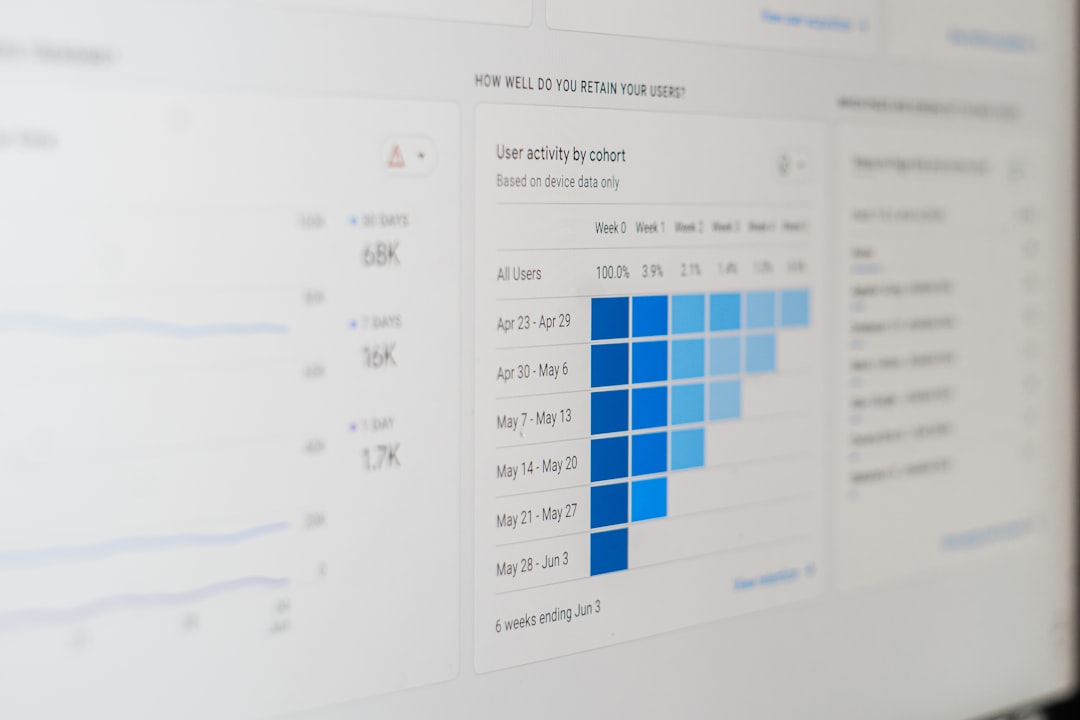
Google Analytics is often the first tool that comes to mind when discussing web tracking. It provides a comprehensive overview of website traffic, user demographics, and behavior patterns. At its core, Google Analytics allows you to track how many visitors come to your site, where they’re coming from, and what actions they take while there. This data is invaluable for understanding your audience and tailoring your content accordingly.
Beyond the basics, Google Analytics offers advanced features like event tracking and goal setting. Event tracking allows you to monitor specific interactions on your site, such as button clicks or video plays. Setting up goals helps you measure conversions, whether that’s signing up for a newsletter or completing a purchase. By diving deeper into these features, you can gain a more nuanced understanding of user engagement and identify areas for improvement.
Understanding the Role of Heatmap Tools in Web Development
Heatmap tools provide a visual representation of user interactions on your website. They show where users click, scroll, and hover, giving you insights into how visitors navigate your pages. This information is crucial for optimizing layout and design elements to enhance user experience. For instance, if a heatmap reveals that users are consistently ignoring a call-to-action button, it may be time to rethink its placement or design.
Using heatmaps in conjunction with other analytics tools can provide a more comprehensive view of user behavior. While Google Analytics tells you how many people visited a page, heatmaps show you what they actually did once they got there. This combination of quantitative and qualitative data can help you make informed design decisions that lead to better engagement and higher conversion rates.
A/B Testing Tools: How to Optimize User Experience

A/B testing tools are essential for making data-driven decisions about website design and content. These tools allow you to create two versions of a webpage—Version A and Version B—and test them against each other to see which performs better. By analyzing user interactions with both versions, you can determine which elements resonate more with your audience.
The beauty of A/B testing lies in its ability to eliminate guesswork.
Instead of relying on intuition or anecdotal evidence, you can base your decisions on actual user behavior.
Whether it’s testing different headlines, images, or button colors, A/B testing provides concrete data that can lead to significant improvements in user experience and conversion rates.
SEO Tracking Tools: Boosting Website Visibility
| Tool Name | Features | Price |
|---|---|---|
| Google Analytics | Real-time tracking, audience insights, conversion tracking | Free |
| Hotjar | Heatmaps, session recordings, surveys | Starts at 39/month |
| Mouseflow | Click heatmaps, form analytics, session replay | Starts at 24/month |
Search engine optimization (SEO) is crucial for driving organic traffic to your website. SEO tracking tools help you monitor your site’s performance in search engine rankings and identify areas for improvement. These tools provide insights into keyword rankings, backlinks, and overall site health, allowing you to optimize your content effectively.
One popular SEO tracking tool is SEMrush, which offers a suite of features including keyword research, site audits, and competitor analysis. By using these insights, you can refine your SEO strategy to improve visibility in search results. Regularly monitoring your SEO performance ensures that you stay ahead of algorithm changes and maintain a competitive edge in your niche.
The Power of Conversion Tracking Tools in E-commerce
For e-commerce websites, conversion tracking tools are vital for understanding customer behavior and optimizing sales funnels. These tools allow you to track key metrics such as cart abandonment rates, purchase paths, and customer lifetime value. By analyzing this data, you can identify bottlenecks in the purchasing process and make necessary adjustments to improve conversion rates.
Tools like Google Tag Manager simplify the process of setting up conversion tracking by allowing you to manage all your tags in one place. This means you can easily implement tracking codes without needing extensive coding knowledge. By leveraging conversion tracking tools effectively, e-commerce businesses can enhance their marketing strategies and ultimately drive more sales.
Website Performance Monitoring: Tools for Speed and Efficiency
Website performance is critical for user satisfaction and search engine rankings. Slow-loading pages can lead to high bounce rates and lost opportunities. Performance monitoring tools help you assess your site’s speed and identify factors that may be hindering performance. Tools like GTmetrix and Pingdom provide detailed reports on load times, page size, and recommendations for improvement.
Regularly monitoring website performance allows developers to address issues proactively before they impact users. By optimizing images, leveraging browser caching, and minimizing HTTP requests, you can significantly enhance loading times. A fast website not only improves user experience but also contributes positively to SEO efforts.
Mobile Responsiveness Tracking: Ensuring Accessibility Across Devices
With an increasing number of users accessing websites via mobile devices, ensuring mobile responsiveness is more important than ever. Mobile responsiveness tracking tools help you analyze how well your site performs on various devices and screen sizes. Tools like Google’s Mobile-Friendly Test provide insights into whether your site meets mobile usability standards.
By understanding how users interact with your site on mobile devices, you can make necessary adjustments to improve accessibility. This might include optimizing images for faster loading on mobile or ensuring that buttons are easily clickable on smaller screens. A mobile-friendly website not only enhances user experience but also boosts search engine rankings.
Security Tracking Tools: Protecting Your Website from Threats
Website security is a critical concern for developers and business owners alike. Security tracking tools help monitor potential threats and vulnerabilities that could compromise your site’s integrity. Tools like Sucuri and Wordfence provide real-time monitoring for malware, hacking attempts, and other security issues.
Implementing security tracking measures is essential for protecting sensitive user data and maintaining trust with your audience. Regular security audits can help identify weaknesses before they become major issues. By staying vigilant with security tracking tools, you can ensure that your website remains safe from potential threats.
Integrating Social Media Tracking Tools for Enhanced Engagement
Social media plays a significant role in driving traffic to websites and engaging with audiences. Social media tracking tools help you monitor how well your content performs across various platforms. Tools like Hootsuite or Buffer allow you to track engagement metrics such as likes, shares, and comments.
By analyzing social media performance alongside website analytics, you can gain insights into how social media efforts translate into website traffic and conversions. This integration helps refine your social media strategy to better align with user interests and behaviors. Ultimately, effective social media tracking enhances overall engagement with your brand.
Choosing the Right Web Developer Tracking Tools for Your Project
With so many tracking tools available, choosing the right ones for your project can feel daunting. Start by identifying your specific goals—whether it’s improving user experience, boosting SEO performance, or enhancing security—and select tools that align with those objectives.
It’s also important to consider ease of use; some tools may require more technical expertise than others.
Don’t hesitate to experiment with different tools to find the best fit for your needs. Many offer free trials or basic versions that allow you to test their functionalities before committing fully. Ultimately, the right combination of web developer tracking tools will empower you to create a more effective website that meets both user needs and business goals.
In conclusion, leveraging the right web developer tracking tools is essential for optimizing website performance and enhancing user experience. By understanding the functionalities of various tools—from analytics platforms to security measures—you can make informed decisions that drive success in your web development projects.
FAQs
What are web developer tracking tools?
Web developer tracking tools are software or applications used by web developers to monitor and analyze the performance of websites and web applications. These tools provide insights into website traffic, user behavior, and technical performance metrics.
What are the common features of web developer tracking tools?
Common features of web developer tracking tools include website traffic analysis, user behavior tracking, error monitoring, performance optimization, A/B testing, and integration with other development tools such as IDEs and version control systems.
How do web developer tracking tools help in website optimization?
Web developer tracking tools help in website optimization by providing data and insights that can be used to identify areas for improvement, such as page load times, user engagement, and conversion rates. This data can then be used to make informed decisions and implement changes to enhance the overall performance and user experience of the website.
What are some popular web developer tracking tools?
Some popular web developer tracking tools include Google Analytics, Hotjar, New Relic, Mixpanel, and Crazy Egg. These tools offer a range of features for tracking and analyzing website performance, user behavior, and technical metrics.
How can web developer tracking tools benefit businesses?
Web developer tracking tools can benefit businesses by providing valuable insights into website performance, user behavior, and conversion metrics. This data can be used to make informed decisions for website optimization, marketing strategies, and overall business growth. Additionally, tracking tools can help businesses identify and fix technical issues that may impact the user experience and ultimately the bottom line.



0 Comments