





To create a successful blog, the first step is to truly understand your audience. This means going beyond basic demographics and delving into their interests, pain points, and preferences. Who are they? What challenges do they face? What solutions are they seeking? By answering these questions, you can tailor your content to meet their needs effectively. Conducting surveys, engaging in social media conversations, and analyzing website analytics can provide valuable insights into your audience’s behavior and preferences.
Once you have a clearer picture of your audience, you can segment them into different groups based on their characteristics. This segmentation allows you to create targeted content that resonates with each group. For instance, if you run a health blog, you might have segments for fitness enthusiasts, those looking to lose weight, and individuals interested in mental health. By addressing the specific concerns of each segment, you can foster a deeper connection with your readers and encourage them to engage more with your content.
Key Takeaways
- Understand your audience by conducting thorough research and creating buyer personas to tailor your content to their needs and preferences.
- Create compelling content by focusing on providing value, solving problems, and engaging your audience with storytelling and visual elements.
- Utilize clear and compelling calls to action to guide your audience towards the desired action, whether it’s making a purchase, signing up for a newsletter, or sharing your content.
- Optimize your blog design for easy navigation, fast loading times, and mobile responsiveness to enhance user experience and encourage engagement.
- Implement A/B testing to experiment with different elements of your blog, such as headlines, images, and layouts, to identify what resonates best with your audience and drives better results.
- Leverage social proof by showcasing testimonials, reviews, and social media shares to build trust and credibility with your audience.
- Offer incentives such as discounts, free resources, or exclusive access to encourage your audience to take action and engage with your content.
- Utilize email marketing to nurture relationships with your audience, deliver personalized content, and drive traffic back to your blog.
- Improve site speed by optimizing images, using a reliable hosting provider, and minimizing unnecessary plugins to enhance user experience and SEO performance.
- Engage with comments on your blog by responding promptly, fostering discussions, and showing appreciation for feedback to build a sense of community and encourage repeat visits.
- Analyze and adjust data from analytics tools to track performance, identify trends, and make informed decisions to continuously improve your blog’s effectiveness.
Creating Compelling Content
Compelling content is the backbone of any successful blog. It’s not just about writing well; it’s about crafting stories that captivate your audience. Start by identifying topics that are relevant to your audience and that spark their interest. Use tools like Google Trends or BuzzSumo to find trending topics in your niche. Once you have a topic, focus on creating content that is informative, engaging, and actionable. Use a conversational tone to make your writing relatable and easy to digest.
In addition to the written word, consider incorporating various media formats into your posts. Images, videos, infographics, and podcasts can enhance the user experience and keep readers engaged longer. For example, if you’re writing a recipe blog, including step-by-step photos or a video tutorial can make the content more appealing. Remember, the goal is to provide value while keeping your audience entertained. The more engaging your content is, the more likely readers will return for more.
Utilizing Calls to Action
A call to action (CTA) is a crucial element in guiding your readers toward the next step you want them to take. Whether it’s subscribing to your newsletter, downloading a free resource, or sharing your post on social media, a well-placed CTA can significantly increase engagement. Make sure your CTAs are clear and compelling. Instead of generic phrases like “click here,” try something more specific like “download our free eBook for tips on healthy living.”
Placement is also key when it comes to CTAs. You can include them at the end of your posts, within the content itself, or even as pop-ups. Experiment with different placements to see what works best for your audience. Additionally, consider using contrasting colors or bold text to make your CTAs stand out visually. The more visible and enticing they are, the higher the chances that readers will take action.
Optimizing Your Blog Design

The design of your blog plays a significant role in user experience and can impact how long visitors stay on your site. A clean, organized layout makes it easier for readers to navigate and find the content they’re looking for. Choose a responsive design that looks good on both desktop and mobile devices since many users access blogs from their phones. Ensure that your font choices are readable and that there’s enough white space to avoid overwhelming visitors.
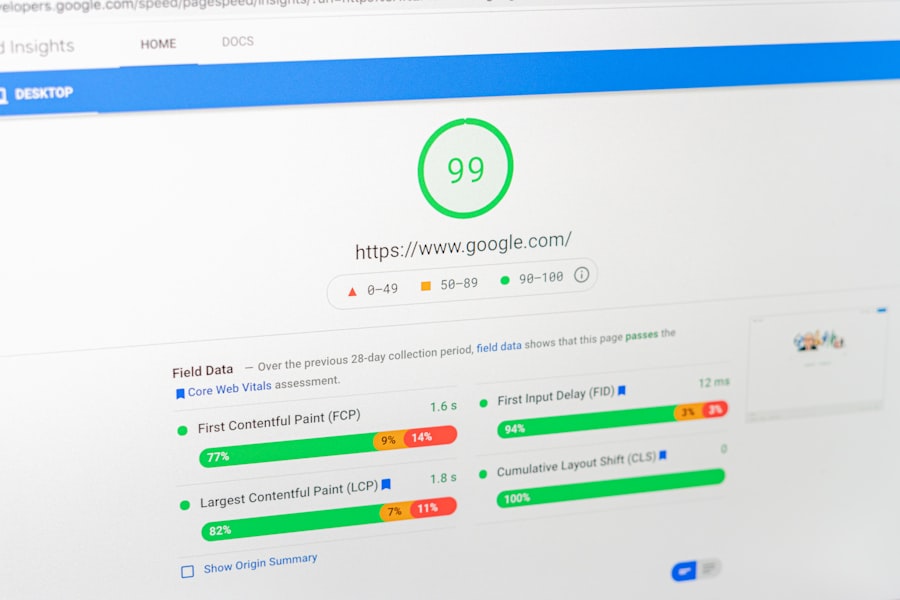
Additionally, consider the loading speed of your blog. A slow website can frustrate users and lead them to leave before they even see your content. Use tools like Google PageSpeed Insights to analyze your site’s performance and identify areas for improvement. Simple changes like optimizing images or reducing the number of plugins can make a significant difference in loading times.
Implementing A/B Testing
| Metrics | Current | Goal |
|---|---|---|
| Unique Visitors | 5000 | 7000 |
| Conversion Rate | 2% | 4% |
| Time on Page | 2 minutes | 3 minutes |
| Bounce Rate | 60% | 40% |
A/B testing is a powerful method for optimizing various elements of your blog based on actual user behavior. This technique involves creating two versions of a webpage or post and comparing their performance to see which one resonates better with your audience. You can test different headlines, images, CTAs, or even layouts to determine what drives more engagement or conversions.
When conducting A/B tests, it’s essential to focus on one variable at a time to get clear results. For example, if you’re testing two different headlines for the same post, keep everything else constant. After running the test for a sufficient amount of time, analyze the data to see which version performed better. Use these insights to inform future content strategies and design choices.
Leveraging Social Proof
Social proof is a psychological phenomenon where people look to others’ actions or opinions to guide their own behavior. In the context of blogging, this can be incredibly powerful. Incorporating testimonials, reviews, or user-generated content can help build trust with your audience. When potential readers see that others have found value in your content or products, they’re more likely to engage themselves.
You can showcase social proof in various ways—displaying testimonials prominently on your homepage, sharing user comments on social media, or even featuring case studies that highlight success stories related to your niche. The key is to make this social proof visible and accessible so that new visitors can quickly see the value others have found in what you offer.
Offering Incentives
Incentives can be an effective way to encourage engagement and grow your audience. Consider offering freebies such as eBooks, checklists, or exclusive content in exchange for email sign-ups or social shares. This not only provides value but also helps you build a mailing list that you can use for future marketing efforts.
When creating incentives, ensure they are relevant to your audience’s interests and needs. For instance, if you run a travel blog, offering a free packing checklist or travel itinerary could attract more subscribers. Promote these incentives prominently on your blog through pop-ups or dedicated landing pages to maximize visibility.
Utilizing Email Marketing
Email marketing remains one of the most effective ways to connect with your audience directly. Once you’ve built an email list through incentives or sign-ups, use it to share valuable content regularly. This could include blog updates, exclusive tips, or curated resources that align with your audience’s interests.
Personalization is key in email marketing; segmenting your list based on user behavior or preferences allows you to send targeted messages that resonate more deeply with each group. Additionally, consider using automation tools to streamline your email campaigns and ensure timely delivery of content.
Improving Site Speed
Site speed is crucial for user experience and SEO rankings. A slow-loading site can lead to high bounce rates and lost opportunities for engagement.
To improve site speed, start by optimizing images—compress them without sacrificing quality—and minimize the use of heavy scripts or plugins that could slow down loading times.
You might also consider using a Content Delivery Network (CDN) to distribute your content across multiple servers worldwide, reducing load times for users regardless of their location. Regularly monitoring site speed using tools like GTmetrix can help you identify issues before they become problematic.
Engaging with Comments
Engagement doesn’t stop at creating content; interacting with readers through comments is equally important. Responding to comments shows that you value your audience’s input and fosters a sense of community around your blog. Take the time to reply thoughtfully to questions or feedback—this not only encourages further discussion but also builds loyalty among your readers.
Encouraging comments can also be beneficial; ask open-ended questions at the end of your posts to prompt readers to share their thoughts or experiences related to the topic. This interaction not only enriches the conversation but also provides additional insights into what resonates with your audience.
Analyzing and Adjusting Data
Finally, regularly analyzing data is essential for understanding what works and what doesn’t on your blog. Use tools like Google Analytics to track metrics such as page views, bounce rates, and user demographics. This data can provide valuable insights into which types of content perform best and where there may be opportunities for improvement.
Once you’ve gathered data, don’t just let it sit—use it to inform your future strategies. If certain topics consistently attract more traffic or engagement, consider creating more content around those themes. Conversely, if some posts aren’t performing well, analyze why that might be and adjust accordingly.
In conclusion, building a successful blog requires a multifaceted approach that includes understanding your audience, creating compelling content, optimizing design elements, and continuously analyzing performance data. By implementing these strategies thoughtfully and consistently, you’ll be well on your way to growing an engaged readership that values what you have to offer.
FAQs
What is a blog conversion rate?
A blog conversion rate refers to the percentage of visitors to your blog who take a desired action, such as signing up for a newsletter, making a purchase, or filling out a contact form.
Why is it important to improve blog conversion rate?
Improving blog conversion rate is important because it directly impacts the success of your blog and business. A higher conversion rate means more leads, customers, and revenue.
What are some strategies to improve blog conversion rate?
Some strategies to improve blog conversion rate include creating compelling and relevant content, optimizing your blog for mobile devices, using clear and prominent calls-to-action, and testing different elements of your blog to see what resonates with your audience.
How can I measure my blog conversion rate?
You can measure your blog conversion rate by using web analytics tools such as Google Analytics. These tools can track the number of visitors to your blog and the actions they take, allowing you to calculate your conversion rate.
What are some common pitfalls to avoid when trying to improve blog conversion rate?
Common pitfalls to avoid when trying to improve blog conversion rate include having a cluttered or confusing website design, using generic or uninspiring calls-to-action, and not testing and optimizing your blog for better performance.




0 Comments