





Content engagement metrics are essential for anyone looking to create effective online content. They provide insights into how audiences interact with your material, helping you understand what resonates and what doesn’t. By analyzing these metrics, you can refine your content strategy, ensuring that your efforts yield the best possible results. In a world where attention spans are short and competition is fierce, knowing how to engage your audience is crucial.
Engagement metrics also serve as a feedback loop. They allow you to gauge the effectiveness of your content in real-time, enabling you to make adjustments as needed. This adaptability can be the difference between a successful campaign and one that falls flat. Ultimately, understanding these metrics helps you create content that not only attracts visitors but also keeps them coming back for more.
Key Takeaways
- Understanding the Importance of Content Engagement Metrics:
- Content engagement metrics are crucial for understanding how audiences interact with your content and can help in optimizing content strategy.
- Identifying Key Content Engagement Metrics:
- Key content engagement metrics include likes, shares, comments, and time spent on page, which provide insights into audience engagement.
- Measuring Audience Retention and Dwell Time:
- Audience retention and dwell time metrics help in understanding how long users stay engaged with your content, indicating its relevance and value.
- Analyzing Social Media Engagement Metrics:
- Social media engagement metrics such as reach, impressions, and engagement rate help in evaluating the effectiveness of content on social platforms.
- Tracking Click-Through Rates and Conversion Rates:
- Click-through rates and conversion rates are important metrics for measuring the effectiveness of content in driving user actions and achieving business goals.
Identifying Key Content Engagement Metrics
When it comes to content engagement, not all metrics are created equal. Some key metrics to focus on include likes, shares, comments, and time spent on page. Each of these indicators provides valuable insights into how your audience is interacting with your content. For instance, a high number of shares suggests that your content resonates well with readers, while comments can indicate a deeper level of engagement.
Another important metric is the number of returning visitors. This figure can help you understand whether your content is compelling enough to encourage users to come back. Additionally, tracking the sources of your traffic can reveal which channels are most effective in driving engagement. By identifying these key metrics, you can better tailor your content to meet the needs and preferences of your audience.
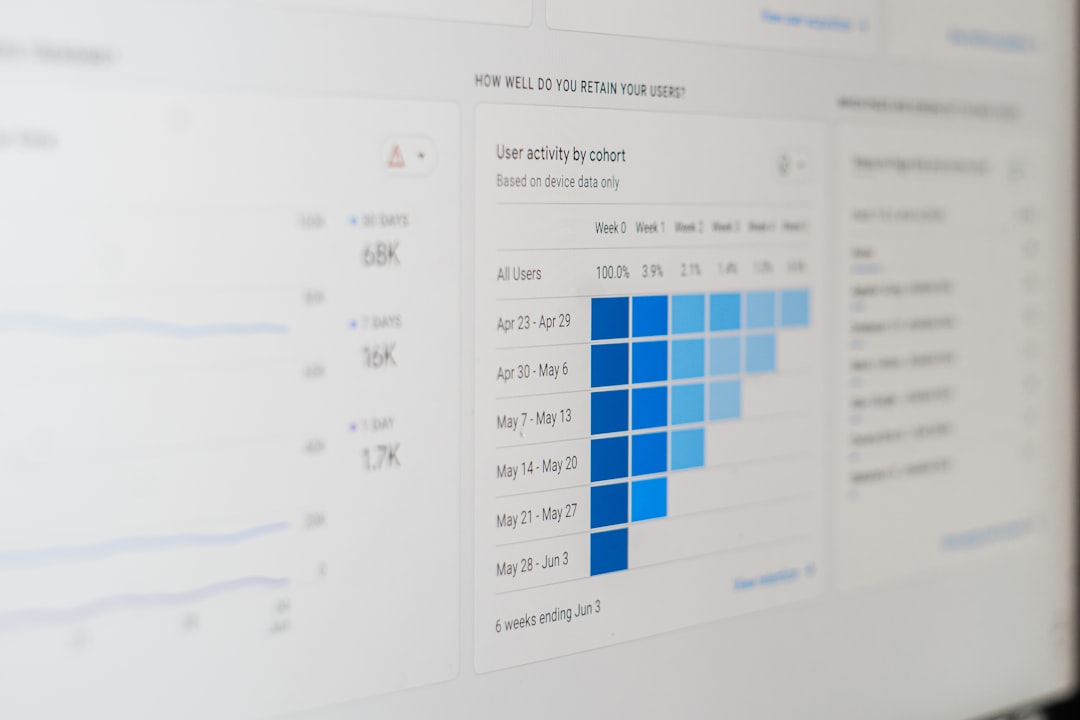
Measuring Audience Retention and Dwell Time

Audience retention refers to the percentage of visitors who stay on your page after arriving. High retention rates indicate that your content is engaging and relevant, while low rates may suggest that users are not finding what they expected. Dwell time, on the other hand, measures how long a visitor spends on a page before navigating away. Both metrics are crucial for understanding how well your content holds attention.
To improve audience retention and dwell time, consider optimizing your content layout and ensuring that it’s easy to read. Break up large blocks of text with images or bullet points to make it more digestible. Additionally, incorporating interactive elements like quizzes or polls can keep users engaged longer. By focusing on these aspects, you can create a more inviting experience that encourages visitors to stick around.
Analyzing Social Media Engagement Metrics

Social media platforms offer a wealth of engagement metrics that can provide insights into how your content is performing across different channels. Metrics such as likes, shares, comments, and follower growth are essential for gauging audience interaction. For example, a post that garners a lot of shares may indicate that it resonates with your audience and is worth replicating in future content.
Moreover, analyzing social media engagement can help you identify trends and preferences among your audience. If certain types of posts consistently perform better than others, it may be time to adjust your content strategy accordingly. By keeping an eye on these metrics, you can ensure that your social media efforts align with your overall content goals.
Tracking Click-Through Rates and Conversion Rates
| Content | Views | Likes | Comments | Shares |
|---|---|---|---|---|
| Blog Post 1 | 500 | 50 | 20 | 30 |
| Video 1 | 1000 | 100 | 40 | 60 |
| Infographic 1 | 300 | 30 | 10 | 15 |
Click-through rates (CTR) and conversion rates are two critical metrics for measuring the effectiveness of your content in driving action. CTR indicates the percentage of users who click on a link within your content, while conversion rates measure how many of those clicks lead to a desired action, such as signing up for a newsletter or making a purchase.
To improve these rates, consider refining your calls-to-action (CTAs). Make sure they are clear, compelling, and relevant to the content they accompany. Additionally, A/B testing different CTAs can help you determine which versions resonate best with your audience. By focusing on these metrics, you can enhance the effectiveness of your content in achieving specific business objectives.
Evaluating Bounce Rate and Exit Rate
Bounce rate refers to the percentage of visitors who leave your site after viewing only one page, while exit rate measures how many users leave from a specific page after visiting multiple pages on your site. Both metrics provide valuable insights into user behavior and can help identify areas for improvement.
A high bounce rate may indicate that visitors aren’t finding what they expected or that the content isn’t engaging enough to encourage further exploration. To address this, consider improving the quality of your content or enhancing navigation options on your site.
Conversely, a high exit rate on a particular page could suggest that users are losing interest or encountering obstacles before completing their journey.
By evaluating these metrics, you can make informed decisions about how to enhance user experience.
Utilizing Engagement Metrics to Improve Content Strategy
Once you’ve gathered data on various engagement metrics, it’s time to put that information to work in refining your content strategy. Start by identifying patterns in the data—what types of content generate the most engagement? Are there specific topics or formats that consistently perform well? By answering these questions, you can create a more targeted approach to content creation.
Additionally, consider segmenting your audience based on their engagement levels. This allows you to tailor content specifically for different groups, ensuring that you meet their unique needs and preferences. By leveraging engagement metrics in this way, you can create a more effective content strategy that drives results.
Leveraging User-generated Content and Community Engagement
User-generated content (UGC) can be a powerful tool for enhancing engagement. Encouraging your audience to share their own experiences or opinions related to your brand not only fosters community but also provides fresh perspectives that can enrich your content offerings. UGC often feels more authentic to potential customers, making it an effective way to build trust and loyalty.
Engaging with your community through comments and social media interactions is equally important. Responding to questions or feedback shows that you value their input and encourages further interaction. By fostering a sense of community around your brand, you can enhance overall engagement and create a loyal following.
Implementing A/B Testing to Optimize Content Engagement
A/B testing is an effective method for optimizing content engagement by comparing two versions of a piece of content to see which performs better. This could involve testing different headlines, images, or even formats like videos versus articles. By analyzing the results, you can gain insights into what resonates most with your audience.
When conducting A/B tests, it’s essential to focus on one variable at a time for accurate results. This allows you to pinpoint what specifically drives engagement changes. Over time, these small adjustments can lead to significant improvements in overall performance.
Monitoring Content Engagement Metrics Over Time
Content engagement isn’t static; it evolves as audience preferences change and new trends emerge. Regularly monitoring engagement metrics over time allows you to stay ahead of these shifts and adapt accordingly. Set up a schedule for reviewing your metrics—whether it’s weekly or monthly—to ensure you’re consistently evaluating performance.
By tracking changes in engagement over time, you can identify long-term trends and make informed decisions about future content strategies. This ongoing analysis helps ensure that your content remains relevant and engaging for your audience.
Using Content Engagement Metrics to Drive Business Goals
Ultimately, the goal of analyzing content engagement metrics is to drive business objectives. Whether it’s increasing brand awareness, generating leads, or boosting sales, understanding how your audience interacts with your content is key to achieving these goals. Use the insights gained from engagement metrics to inform broader business strategies and align them with your marketing efforts.
For instance, if certain types of content lead to higher conversion rates, consider creating more of that material or promoting it more heavily across channels. By aligning your content strategy with business goals through data-driven insights, you can create a more cohesive approach that drives success across all fronts.
In conclusion, understanding and utilizing content engagement metrics is essential for anyone looking to enhance their online presence and achieve specific business objectives. By focusing on key metrics and continuously refining your strategy based on data insights, you can create engaging content that resonates with your audience and drives meaningful results.
FAQs
What are content engagement metrics?
Content engagement metrics are measurements used to evaluate how users interact with a piece of content, such as a blog post, video, or social media post. These metrics can include likes, shares, comments, time spent on page, and click-through rates.
Why are content engagement metrics important?
Content engagement metrics are important because they provide insights into how well your content is resonating with your audience. By analyzing these metrics, you can determine which types of content are most effective at driving user engagement and adjust your content strategy accordingly.
What are some common content engagement metrics?
Common content engagement metrics include likes, shares, comments, time spent on page, bounce rate, click-through rate, and conversion rate. These metrics can vary depending on the type of content and the platform on which it is published.
How can content engagement metrics be used to improve content strategy?
By analyzing content engagement metrics, you can identify which types of content are most engaging to your audience and tailor your content strategy to create more of that type of content. Additionally, you can use these metrics to identify areas for improvement and make data-driven decisions about your content strategy.
What tools can be used to track content engagement metrics?
There are a variety of tools available to track content engagement metrics, including Google Analytics, social media analytics platforms, and content management systems with built-in analytics features. These tools can provide valuable insights into how users are interacting with your content across different channels.



0 Comments