





Bounce rate is a key metric in web analytics that measures the percentage of visitors who leave a website after viewing only one page. Essentially, it reflects how effectively a site engages its audience. A high bounce rate can indicate that visitors aren’t finding what they expected or that the content isn’t compelling enough to encourage them to explore further. Conversely, a low bounce rate suggests that users are interested in the content and are willing to navigate through multiple pages.
Understanding bounce rate is crucial for website owners and marketers alike. It provides insights into user behavior and can help identify areas for improvement. For instance, if a particular page has a significantly higher bounce rate than others, it may be worth investigating the content, layout, or even the keywords driving traffic to that page. By analyzing these factors, you can make informed decisions to enhance user experience and keep visitors engaged.
Key Takeaways
- Bounce rate is the percentage of visitors who navigate away from a site after viewing only one page.
- Lowering bounce rate is important for improving website performance and increasing conversions.
- Quality content creation is essential for keeping visitors engaged and reducing bounce rate.
- Engaging headlines and introductions can capture visitors’ attention and encourage them to explore further.
- Improving website loading speed is crucial for reducing bounce rate and providing a better user experience.
Importance of Lowering Bounce Rate
Lowering your bounce rate is essential for several reasons. First and foremost, it can lead to increased conversions. Whether your goal is to sell products, generate leads, or simply get users to sign up for a newsletter, a lower bounce rate often correlates with higher engagement and, ultimately, more conversions. When visitors stick around longer, they’re more likely to take the desired action.
Additionally, a lower bounce rate can improve your website’s search engine ranking. Search engines like Google consider user engagement metrics when determining how to rank pages. If users are bouncing away from your site quickly, it may signal to search engines that your content isn’t relevant or valuable. By focusing on reducing your bounce rate, you not only enhance user experience but also boost your visibility in search results.
Quality Content Creation

Creating quality content is at the heart of reducing bounce rates. When visitors land on your site, they should find information that is not only relevant but also engaging and well-presented. This means investing time in research and ensuring that your content addresses the needs and interests of your target audience. High-quality content can take many forms, including informative articles, how-to guides, and even entertaining blog posts.
Moreover, quality content should be updated regularly. Outdated information can frustrate users and lead them to leave your site quickly. By keeping your content fresh and relevant, you encourage visitors to return and explore more of what you have to offer. Remember, the goal is to provide value that resonates with your audience, making them want to stick around for more.
Engaging Headlines and Introductions

The first impression matters, especially online. Engaging headlines and introductions play a crucial role in capturing the attention of your audience. A compelling headline should pique curiosity or promise value, encouraging users to click through and read more. It’s often the deciding factor in whether someone will stay on your page or bounce away.
Once you’ve drawn them in with a strong headline, the introduction must deliver on that promise. It should clearly outline what the reader can expect from the content while maintaining an engaging tone. A well-crafted introduction sets the stage for the rest of the article and can significantly reduce bounce rates by making readers feel invested in what they’re about to read.
Improving Website Loading Speed
| Metrics | Data |
|---|---|
| Bounce Rate Before Improvement | 70% |
| Bounce Rate After Improvement | 40% |
| Time Spent on Page Before Improvement | 30 seconds |
| Time Spent on Page After Improvement | 1 minute |
Website loading speed is another critical factor influencing bounce rates. In today’s fast-paced digital world, users expect pages to load quickly. If a site takes too long to load, visitors are likely to lose patience and leave before they even see what you have to offer. Research shows that even a one-second delay can lead to significant drops in user satisfaction and engagement.
To improve loading speed, consider optimizing images, leveraging browser caching, and minimizing HTTP requests. Tools like Google PageSpeed Insights can help identify specific areas for improvement. By ensuring that your website loads quickly, you create a smoother user experience that encourages visitors to stay longer and explore more pages.
Internal Linking Strategy
An effective internal linking strategy can significantly reduce bounce rates by guiding users through your website. Internal links connect different pages within your site, making it easier for visitors to find related content.
When users encounter links that lead them to additional relevant articles or resources, they’re more likely to click through rather than leave.
When implementing internal links, be strategic about where you place them. Use descriptive anchor text that clearly indicates what users can expect when they click the link. This not only helps with navigation but also improves SEO by distributing page authority throughout your site. A well-thought-out internal linking strategy keeps users engaged and encourages them to explore more of your content.
Utilizing Multimedia Content
Incorporating multimedia content—such as images, videos, infographics, and podcasts—can enhance user engagement and lower bounce rates. Visual elements break up text-heavy pages and make content more digestible. For instance, a well-placed video can explain complex topics more effectively than text alone, keeping users on the page longer.
Moreover, multimedia content caters to different learning styles and preferences. Some users may prefer watching a video over reading an article, while others might find infographics more appealing. By diversifying your content format, you not only engage a broader audience but also create a richer experience that encourages visitors to stay on your site longer.
Mobile Optimization
With an increasing number of users accessing websites via mobile devices, optimizing for mobile is no longer optional; it’s essential. A site that isn’t mobile-friendly can lead to high bounce rates as users struggle with navigation or readability on smaller screens. Ensuring that your website is responsive means it will adapt seamlessly to any device, providing a better experience for all users.
Mobile optimization goes beyond just responsive design; it also involves considering loading speeds and touch-friendly navigation elements. Simplifying menus and ensuring buttons are easy to tap can significantly enhance usability on mobile devices. By prioritizing mobile optimization, you cater to a growing segment of users who expect a smooth browsing experience regardless of their device.
Clear Call-to-Action
A clear call-to-action (CTA) is vital for guiding users toward the next steps you want them to take on your site. Whether it’s signing up for a newsletter, downloading a resource, or making a purchase, an effective CTA should be prominent and compelling. If visitors don’t know what action to take next or if the CTA is buried within the content, they may leave without engaging further.
When crafting CTAs, use action-oriented language that creates a sense of urgency or value. Phrases like “Get Started Now” or “Download Your Free Guide” can motivate users to take action immediately. Additionally, placing CTAs strategically throughout your content—such as at the end of articles or within sidebars—can help keep users engaged and guide them toward conversion.
A/B Testing and Analytics
A/B testing is an invaluable tool for understanding what works best for your audience when it comes to reducing bounce rates. By comparing two versions of a webpage—such as different headlines or layouts—you can gather data on which version performs better in terms of user engagement and bounce rates. This data-driven approach allows you to make informed decisions based on actual user behavior rather than assumptions.
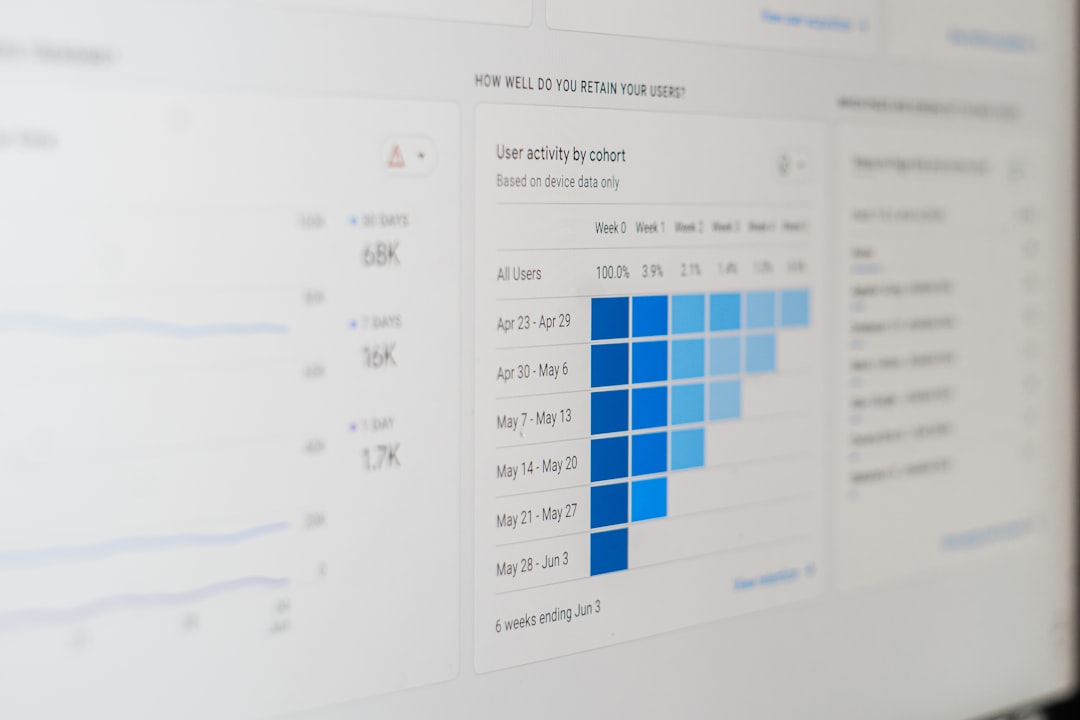
Analytics tools provide insights into how users interact with your site, helping you identify patterns and areas for improvement. Regularly reviewing analytics data can reveal which pages have high bounce rates and why users might be leaving those pages quickly. By continuously testing and analyzing different elements of your site, you can refine your approach and create a more engaging experience for visitors.
Building a Community through Engagement
Building a community around your website can significantly impact bounce rates by fostering engagement and loyalty among visitors. Encouraging comments on blog posts or creating forums where users can share their thoughts helps create a sense of belonging. When visitors feel connected to your brand or community, they’re more likely to return and explore further.
Engagement doesn’t stop at comments; consider hosting webinars or live Q&A sessions where users can interact directly with you or other community members. Social media platforms also provide opportunities for engagement beyond your website. By actively participating in conversations and responding to feedback, you create an environment where users feel valued and are more inclined to return.
In conclusion, understanding and addressing bounce rate is crucial for any website owner looking to improve user engagement and conversions. By focusing on quality content creation, optimizing loading speeds, utilizing multimedia elements, and fostering community engagement, you can create an inviting online space that keeps visitors coming back for more.
FAQs
What is bounce rate on a blog?
Bounce rate on a blog refers to the percentage of visitors who navigate away from the site after viewing only one page. A high bounce rate indicates that visitors are not engaging with the content and are leaving the site quickly.
Why is it important to improve blog bounce rate?
Improving blog bounce rate is important because it indicates the level of engagement and interest of visitors. A lower bounce rate suggests that visitors are finding the content valuable and are more likely to explore the site further, leading to higher conversion rates and better overall performance.
What are some strategies to improve blog bounce rate?
Some strategies to improve blog bounce rate include creating compelling and relevant content, improving website loading speed, optimizing website design for easy navigation, using internal linking to guide visitors to other pages, and ensuring mobile responsiveness.
How can engaging visuals and multimedia content help reduce bounce rate?
Engaging visuals and multimedia content can help reduce bounce rate by capturing visitors’ attention and encouraging them to stay on the site longer. Videos, images, and infographics can make the content more appealing and increase the likelihood of visitors exploring other pages.
What tools can be used to track and analyze blog bounce rate?
Tools such as Google Analytics, Adobe Analytics, and Kissmetrics can be used to track and analyze blog bounce rate. These tools provide insights into visitor behavior, engagement metrics, and the effectiveness of different strategies in reducing bounce rate.



0 Comments