




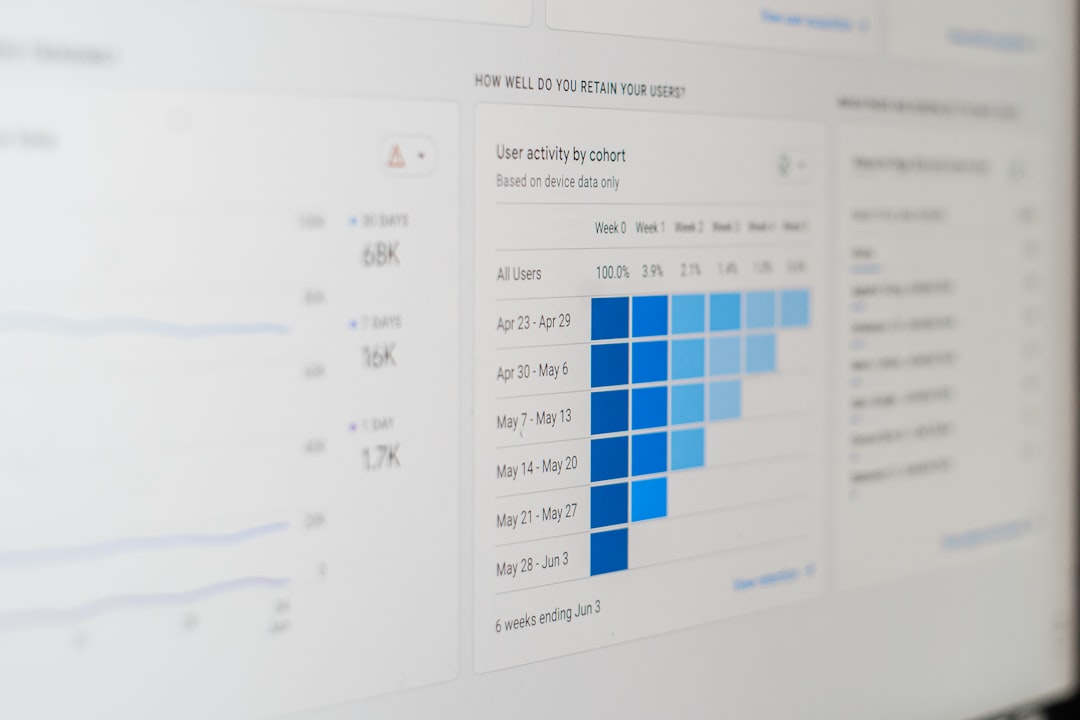
User behavior tracking is a method used to gather data on how visitors interact with a website or blog. This involves monitoring various actions, such as clicks, scrolls, time spent on pages, and navigation paths. By collecting this information, website owners can gain insights into user preferences and habits, which can be invaluable for improving content and overall user experience. Essentially, it’s about understanding what users do when they visit your site, rather than just what they say they want.
The technology behind user behavior tracking has evolved significantly over the years. Initially, it relied heavily on cookies and basic analytics tools that provided limited insights. Today, more sophisticated methods like heatmaps, session recordings, and user journey mapping allow for a deeper understanding of user interactions.
This data can reveal patterns that might not be immediately obvious, helping bloggers and website owners make informed decisions about their content and design.
Key Takeaways
- User behavior tracking helps to understand how users interact with a website or blog
- User behavior tracking is important for increasing blog engagement and improving user experience
- Implementing user behavior tracking tools such as Google Analytics or Hotjar can provide valuable insights
- Analyzing user behavior data can help identify trends and patterns to inform content strategy
- User behavior data can be used to personalize content and improve website navigation for better user experience
The Importance of User Behavior Tracking for Blog Engagement
Understanding user behavior is crucial for enhancing blog engagement. When you know how users interact with your content, you can identify what resonates with them and what doesn’t. For instance, if you notice that readers frequently abandon a post halfway through, it might indicate that the content is too lengthy or not engaging enough. By addressing these issues, you can create more compelling content that keeps readers on the page longer.
Moreover, user behavior tracking helps in identifying the most popular topics and formats among your audience. If certain types of posts consistently attract more views or shares, it’s a clear signal to produce more of that content. This not only boosts engagement but also fosters a sense of community as readers find more of what they enjoy. Ultimately, understanding user behavior allows you to create a blog that aligns with your audience’s interests and needs.
Implementing User Behavior Tracking Tools

To effectively track user behavior, you need the right tools in place. There are numerous analytics platforms available, each offering different features tailored to various needs. Google Analytics is one of the most widely used tools, providing comprehensive data on user demographics, traffic sources, and behavior flow. However, for more detailed insights into how users interact with specific elements on your site, tools like Hotjar or Crazy Egg can be beneficial. These platforms offer heatmaps and session recordings that visually represent user interactions.
Setting up these tools typically involves adding a tracking code to your website. While this process can seem daunting at first, most platforms provide step-by-step instructions to guide you through it. Once implemented, you’ll start collecting data almost immediately. It’s important to regularly check in on this data to understand trends over time and make adjustments as needed.
Analyzing User Behavior Data

Once you have collected user behavior data, the next step is analysis. This involves sifting through the information to identify patterns and trends that can inform your content strategy. Start by looking at metrics such as page views, average session duration, and bounce rates. These figures can give you a general idea of how well your blog is performing and where improvements might be needed.
Digging deeper into specific user actions can provide even more valuable insights. For example, analyzing which links are clicked most often can help you understand what topics or calls to action resonate with your audience. Additionally, segmenting your audience based on behavior—such as new versus returning visitors—can reveal different preferences and needs. This level of analysis allows for a more nuanced approach to content creation and engagement strategies.
Using User Behavior Data to Tailor Content
| Metrics | Description |
|---|---|
| Page Views | The number of times a blog post has been viewed by users. |
| Unique Visitors | The number of individual users who have visited the blog. |
| Time on Page | The average amount of time users spend on a blog post. |
| Bounce Rate | The percentage of users who leave the blog after viewing only one page. |
| Click-Through Rate (CTR) | The percentage of users who click on a link within the blog post. |
With a solid understanding of user behavior data, you can begin tailoring your content to better meet the needs of your audience. For instance, if analytics show that users are spending more time on how-to articles compared to opinion pieces, it might be worth focusing more on instructional content. This not only caters to what your audience enjoys but also positions you as a valuable resource in your niche.
Additionally, consider using data to personalize content recommendations. If a reader frequently engages with posts about digital marketing strategies, suggesting similar articles at the end of each post can enhance their experience and keep them coming back for more. Tailoring content based on user behavior not only improves engagement but also fosters loyalty among your readership.
Improving Website Navigation with User Behavior Data
User behavior tracking can also shed light on how effectively your website navigation is functioning. If users are consistently getting lost or struggling to find specific content, it may indicate that your navigation structure needs improvement. Analyzing the paths users take through your site can help identify common drop-off points or areas where they seem confused.
By addressing these navigation issues, you can create a more intuitive experience for your visitors. Simplifying menus, adding clear labels, or implementing breadcrumb navigation can make it easier for users to find what they’re looking for. A well-structured website not only enhances user satisfaction but also encourages longer visits and increased engagement.
Personalizing User Experience with User Behavior Data
Personalization is becoming increasingly important in the digital landscape, and user behavior data plays a key role in achieving this. By understanding individual preferences and behaviors, you can create a more tailored experience for each visitor. For example, if a user frequently reads posts about travel tips, you might highlight similar articles or offer personalized recommendations based on their past interactions.
Implementing personalization strategies can significantly enhance user engagement and satisfaction. It makes visitors feel valued and understood, which can lead to increased loyalty and repeat visits. Additionally, personalized experiences often result in higher conversion rates, whether that means signing up for a newsletter or making a purchase.
Utilizing User Behavior Data for Targeted Marketing
User behavior data is also invaluable for targeted marketing efforts. By analyzing how users interact with your blog and what content they engage with most, you can create more effective marketing campaigns. For instance, if certain posts drive significant traffic from social media platforms, you might consider investing more in promoting similar content across those channels.
Moreover, understanding user demographics and behaviors allows for better segmentation in email marketing campaigns. Tailoring messages based on past interactions can lead to higher open rates and conversions. Instead of sending generic newsletters to your entire list, targeted emails based on user behavior ensure that recipients receive content that is relevant to their interests.
A/B Testing and User Behavior Tracking
A/B testing is another powerful tool that complements user behavior tracking.
This method involves comparing two versions of a webpage or blog post to see which one performs better in terms of user engagement or conversion rates.
By using insights from user behavior data, you can make informed decisions about what elements to test—whether it’s headlines, images, or calls to action.
The results from A/B tests can provide concrete evidence of what works best for your audience. For example, if one version of a landing page leads to significantly higher sign-up rates than another, you’ll have clear guidance on which design or message resonates more effectively with users. This iterative process allows for continuous improvement based on real user feedback.
User Behavior Tracking Best Practices
To make the most of user behavior tracking, it’s essential to follow best practices that ensure accurate data collection and analysis. First and foremost, ensure compliance with privacy regulations such as GDPR or CCPA by being transparent about data collection practices and obtaining necessary consent from users.
Additionally, regularly review and update your tracking setup to adapt to changes in your website or audience behavior. It’s also beneficial to combine quantitative data from analytics tools with qualitative insights from user feedback or surveys for a well-rounded understanding of user experiences.
Finally, don’t forget to share findings with your team or stakeholders. Collaborative discussions around user behavior data can lead to innovative ideas and strategies that enhance overall blog engagement.
The Future of User Behavior Tracking for Blog Engagement
As technology continues to evolve, so too will the methods for tracking user behavior. Emerging technologies like artificial intelligence and machine learning are set to revolutionize how we analyze data and personalize experiences. These advancements will allow for even deeper insights into user preferences and behaviors.
In the future, we may see more sophisticated tools that not only track behavior but also predict future actions based on past interactions. This could lead to hyper-personalized experiences that cater to individual users in real-time. As bloggers and website owners embrace these innovations, the potential for enhanced engagement and loyalty will only grow.
In conclusion, understanding and utilizing user behavior tracking is essential for improving blog engagement. By implementing the right tools and analyzing the data effectively, you can tailor content, enhance navigation, personalize experiences, and optimize marketing efforts—all leading to a more engaged audience.
FAQs
What is user behavior tracking for blogs?
User behavior tracking for blogs is the process of monitoring and analyzing how visitors interact with a blog. This includes tracking metrics such as page views, time spent on page, bounce rate, and click-through rate to gain insights into user preferences and behavior.
Why is user behavior tracking important for blogs?
User behavior tracking is important for blogs because it provides valuable data that can be used to improve the user experience, optimize content, and increase engagement. By understanding how visitors interact with a blog, bloggers can make informed decisions to enhance their content and drive better results.
What are the common methods used for user behavior tracking on blogs?
Common methods for user behavior tracking on blogs include using analytics tools such as Google Analytics, heatmaps, scroll maps, and click tracking. These tools provide insights into user behavior, allowing bloggers to understand how visitors navigate their blog and interact with content.
How can user behavior tracking help improve blog performance?
User behavior tracking can help improve blog performance by identifying areas for improvement, understanding user preferences, and optimizing content to better meet the needs of the audience. By analyzing user behavior, bloggers can make data-driven decisions to enhance the user experience and drive better results.
What are the potential privacy concerns related to user behavior tracking on blogs?
Potential privacy concerns related to user behavior tracking on blogs include the collection of personal data, such as IP addresses and browsing history, without user consent. It’s important for bloggers to be transparent about their tracking practices and comply with privacy regulations to protect the privacy of their visitors.



0 Comments