





Tracking is a fundamental aspect of any successful marketing strategy, especially when it comes to client conversions. At its core, tracking allows businesses to gather data on how potential clients interact with their brand, from the first point of contact to the final purchase.
This information is invaluable because it helps identify which marketing efforts are effective and which ones need adjustment.
Without tracking, businesses are essentially flying blind, making it difficult to understand what drives conversions and how to optimize those processes.
Moreover, tracking provides insights into customer behavior and preferences. By analyzing this data, businesses can tailor their marketing strategies to better meet the needs of their target audience. For instance, if tracking reveals that a significant number of users drop off at a specific point in the sales funnel, it signals a need for improvement in that area. Understanding these nuances can lead to more effective campaigns and ultimately higher conversion rates.
Key Takeaways
- Understanding the importance of tracking for client conversions is crucial for businesses to measure the effectiveness of their marketing efforts and make data-driven decisions.
- Implementing effective tracking tools and techniques is essential for accurately capturing and analyzing data related to client conversions, such as Google Analytics, heatmaps, and conversion tracking pixels.
- Analyzing and interpreting tracking data for client conversions allows businesses to gain insights into customer behavior, identify trends, and make informed adjustments to their marketing strategies.
- Utilizing A/B testing to optimize client conversions enables businesses to compare different versions of their marketing materials and determine which ones are more effective in driving conversions.
- Tracking and analyzing user behavior for improved conversions helps businesses understand how customers interact with their website and identify areas for improvement to enhance the overall conversion rate.
Implementing Effective Tracking Tools and Techniques
To effectively track client conversions, businesses need to implement the right tools and techniques. There are numerous tracking tools available, ranging from Google Analytics to more specialized software like HubSpot or Kissmetrics. Each tool offers unique features that can help businesses monitor user behavior, track conversions, and analyze data. Choosing the right tool depends on the specific needs of the business and the complexity of its marketing strategy.
In addition to selecting the right tools, it’s essential to set up tracking correctly. This includes defining key performance indicators (KPIs) that align with business goals. For example, if a business aims to increase online sales, it should track metrics such as conversion rates, average order value, and cart abandonment rates. Properly configuring these tools ensures that the data collected is accurate and actionable, providing a solid foundation for future analysis.
Analyzing and Interpreting Tracking Data for Client Conversions

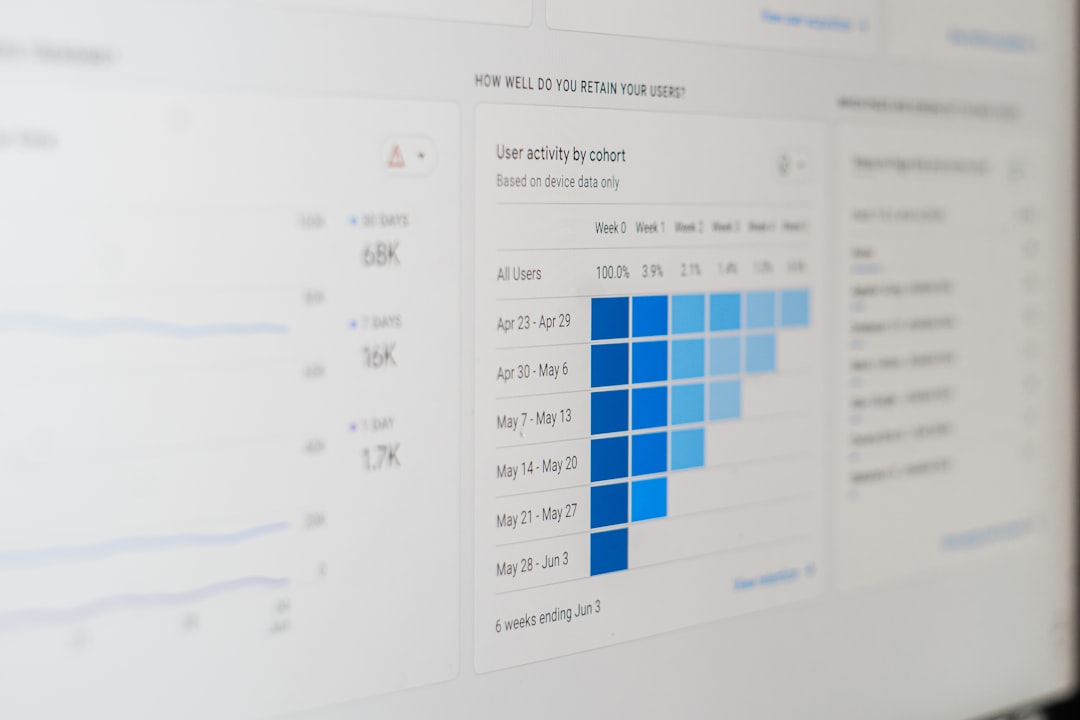
Once tracking tools are in place, the next step is analyzing and interpreting the data collected. This process involves looking beyond the numbers to understand what they mean for your business. For instance, if you notice a high traffic volume but low conversion rates, it may indicate that while your marketing efforts are attracting visitors, there’s a disconnect in the user experience or messaging.
Interpreting data also requires context. It’s important to compare current data against historical performance or industry benchmarks. This comparison can highlight trends and patterns that may not be immediately obvious. For example, if conversion rates have dropped compared to the previous quarter, understanding external factors—like seasonal trends or changes in consumer behavior—can provide valuable insights into how to adjust your strategy moving forward.
Utilizing A/B Testing to Optimize Client Conversions

A/B testing is a powerful method for optimizing client conversions by comparing two versions of a webpage or marketing material to see which performs better. This technique allows businesses to make data-driven decisions rather than relying on assumptions about what might work. For instance, you might test two different headlines on a landing page to see which one leads to more sign-ups.
The key to successful A/B testing is ensuring that tests are well-structured and focused on one variable at a time. This could be anything from button color to call-to-action phrasing. By isolating variables, you can clearly see what impacts conversion rates and make informed adjustments based on solid evidence. Over time, consistent A/B testing can lead to significant improvements in conversion rates as you refine your approach based on real user feedback.
Tracking and Analyzing User Behavior for Improved Conversions
| Client Name | Conversion Rate | Conversion Source |
|---|---|---|
| Client A | 25% | Google Ads |
| Client B | 30% | Facebook Ads |
| Client C | 20% | Organic Search |
Understanding user behavior is crucial for improving client conversions. By tracking how users navigate your website or interact with your content, you can identify pain points and areas for enhancement. Tools like heatmaps or session recordings can provide visual insights into where users click, scroll, or abandon their journey.
Analyzing this behavior helps in creating a more user-friendly experience. For example, if heatmaps show that users frequently click on an image expecting it to lead somewhere but it doesn’t, it may be time to either make that image clickable or adjust its placement. By addressing these issues, businesses can create a smoother path for users, ultimately leading to higher conversion rates.
Leveraging Retargeting Strategies for Increased Client Conversions
Retargeting is an effective strategy for increasing client conversions by re-engaging users who have previously interacted with your brand but did not convert. This approach involves displaying targeted ads to these users as they browse other websites or social media platforms. The goal is to remind them of their interest and encourage them to return and complete their purchase.
To implement retargeting successfully, it’s important to segment your audience based on their behavior. For instance, users who added items to their cart but didn’t complete the purchase may respond well to ads featuring those specific products or offering a discount. By tailoring your retargeting efforts based on user actions, you can create more relevant ads that resonate with potential clients and drive them back to your site.
Using Tracking to Identify and Address Conversion Barriers
Tracking can also help identify barriers that prevent potential clients from converting. These barriers could be anything from complicated checkout processes to unclear messaging on landing pages. By analyzing user behavior data, businesses can pinpoint where users are dropping off in the conversion funnel.
Once these barriers are identified, it’s crucial to take action. This might involve simplifying forms, improving website speed, or clarifying calls-to-action. Addressing these issues not only enhances the user experience but also increases the likelihood of conversions. Regularly reviewing tracking data ensures that businesses stay aware of any new barriers that may arise as user behavior evolves.
Tracking and Optimizing Conversion Funnels for Client Success
A well-structured conversion funnel is essential for guiding potential clients through their journey from awareness to purchase. Tracking each stage of this funnel allows businesses to see where users are engaging and where they might be losing interest. By analyzing this data, companies can optimize each stage of the funnel for better results.
For example, if tracking shows a significant drop-off between the awareness and consideration stages, it may indicate that the messaging isn’t resonating with users or that there’s insufficient information available about the product or service. By refining content and ensuring that users have access to all necessary information at each stage, businesses can create a more seamless experience that encourages conversions.
Incorporating Tracking into Email Marketing for Enhanced Conversions
Email marketing remains one of the most effective channels for driving client conversions when done right. Incorporating tracking into email campaigns allows businesses to measure open rates, click-through rates, and conversion rates from specific emails. This data is crucial for understanding what resonates with your audience and what doesn’t.
By analyzing email performance metrics, businesses can refine their email marketing strategies over time. For instance, if certain subject lines lead to higher open rates or specific content drives more clicks, these insights can inform future campaigns. Additionally, segmenting email lists based on user behavior can lead to more personalized content that speaks directly to individual interests, further enhancing conversion potential.
Tracking Social Media Engagement for Improved Client Conversions
Social media platforms are powerful tools for engaging potential clients and driving conversions. Tracking engagement metrics—such as likes, shares, comments, and click-through rates—provides insights into how well your content resonates with your audience. Understanding which posts generate the most engagement can help shape future content strategies.
Moreover, social media tracking allows businesses to identify trends in audience preferences over time. If certain types of posts consistently perform better than others, it may be worth focusing more on that content type in future campaigns. By leveraging social media insights effectively, businesses can create more engaging content that not only attracts attention but also drives conversions.
Measuring and Reporting on Client Conversions for Continuous Improvement
Finally, measuring and reporting on client conversions is essential for continuous improvement in any marketing strategy. Regularly reviewing conversion metrics helps businesses understand what’s working and what needs adjustment. This ongoing analysis fosters a culture of experimentation and learning within the organization.
Creating detailed reports that outline conversion performance over time can also help stakeholders understand the impact of marketing efforts. These reports should highlight key metrics, trends, and insights gained from tracking data. By sharing this information across teams—such as marketing, sales, and customer service—everyone can work together towards common goals and contribute to improving client conversions.
In conclusion, effective tracking is vital for understanding client behavior and optimizing conversion strategies across various channels. By implementing robust tracking tools and techniques, analyzing data thoughtfully, and continuously refining approaches based on insights gained, businesses can significantly enhance their conversion rates and drive long-term success.
FAQs
What is conversion tracking for clients?
Conversion tracking for clients is the process of monitoring and measuring the actions that users take on a website, such as making a purchase, signing up for a newsletter, or filling out a contact form. This data helps businesses understand the effectiveness of their marketing efforts and optimize their strategies to drive more conversions.
How does conversion tracking work?
Conversion tracking works by placing a snippet of code, known as a tracking pixel, on the website. When a user takes a specific action, such as completing a purchase, the tracking pixel sends data back to the advertising platform, allowing businesses to attribute the conversion to a specific marketing campaign or ad.
Why is conversion tracking important for clients?
Conversion tracking is important for clients because it provides valuable insights into the performance of their marketing efforts. By understanding which campaigns and channels are driving the most conversions, clients can allocate their budget more effectively and optimize their strategies to maximize their return on investment.
What are the benefits of conversion tracking for clients?
Some of the benefits of conversion tracking for clients include the ability to measure the success of their marketing campaigns, identify which channels are driving the most conversions, optimize their website for better user experience, and make data-driven decisions to improve their overall marketing strategy.
What are some common tools for conversion tracking?
There are several common tools for conversion tracking, including Google Analytics, Facebook Pixel, LinkedIn Insight Tag, and various marketing automation platforms. These tools allow clients to track and analyze conversions across different channels and gain valuable insights into their marketing performance.



0 Comments