





Website performance metrics are essential for gauging how well your site is doing. They provide insights into user behavior, engagement, and overall effectiveness. Key metrics include page load time, bounce rate, average session duration, and conversion rates. Each of these metrics tells a different story about how users interact with your site. For instance, a high bounce rate might indicate that visitors are leaving your site quickly, possibly due to slow loading times or irrelevant content.
Understanding these metrics allows you to pinpoint areas for improvement. If your average session duration is low, it may suggest that users aren’t finding what they’re looking for or that your content isn’t engaging enough. By analyzing these performance indicators, you can make informed decisions to enhance user experience and drive better results.
Key Takeaways
- Website performance metrics include loading speed, bounce rate, conversion rate, and user engagement.
- Choose analytics tools that align with your website’s goals and objectives, such as Google Analytics, Adobe Analytics, or Mixpanel.
- Set up analytics tools by adding tracking codes to your website and configuring goals and events to track user interactions.
- Track user engagement and behavior through metrics like time on page, pages per session, and click-through rate.
- Analyze website traffic sources to understand where your visitors are coming from, such as organic search, social media, or referral sites.
Choosing the Right Analytics Tools for Your Website
Selecting the right analytics tools is crucial for effectively tracking your website’s performance. There are numerous options available, each with its own strengths and weaknesses. Google Analytics is one of the most popular choices due to its comprehensive features and free access. It provides detailed insights into user behavior, traffic sources, and conversion tracking, making it a solid starting point for many website owners.
However, depending on your specific needs, you might also consider other tools like Adobe Analytics, Matomo, or Clicky. Each of these platforms offers unique features that can cater to different business models. For example, if you’re focused on e-commerce, tools that specialize in sales tracking and customer journey mapping might be more beneficial. Take the time to evaluate what you need from an analytics tool before making a decision.
Setting Up and Configuring Analytics Tools

Once you’ve chosen an analytics tool, the next step is setting it up correctly. This process typically involves creating an account, adding your website details, and installing tracking codes on your site.
For Google Analytics, this means placing a small snippet of code in the header of your web pages.
If you’re not comfortable with coding, many content management systems (CMS) offer plugins that simplify this process.
Configuration doesn’t stop at installation; it’s also about customizing your settings to align with your business goals. This includes setting up goals for conversions, defining user segments, and enabling e-commerce tracking if applicable. Proper configuration ensures that you’re collecting the right data to analyze later on.
Tracking User Engagement and Behavior
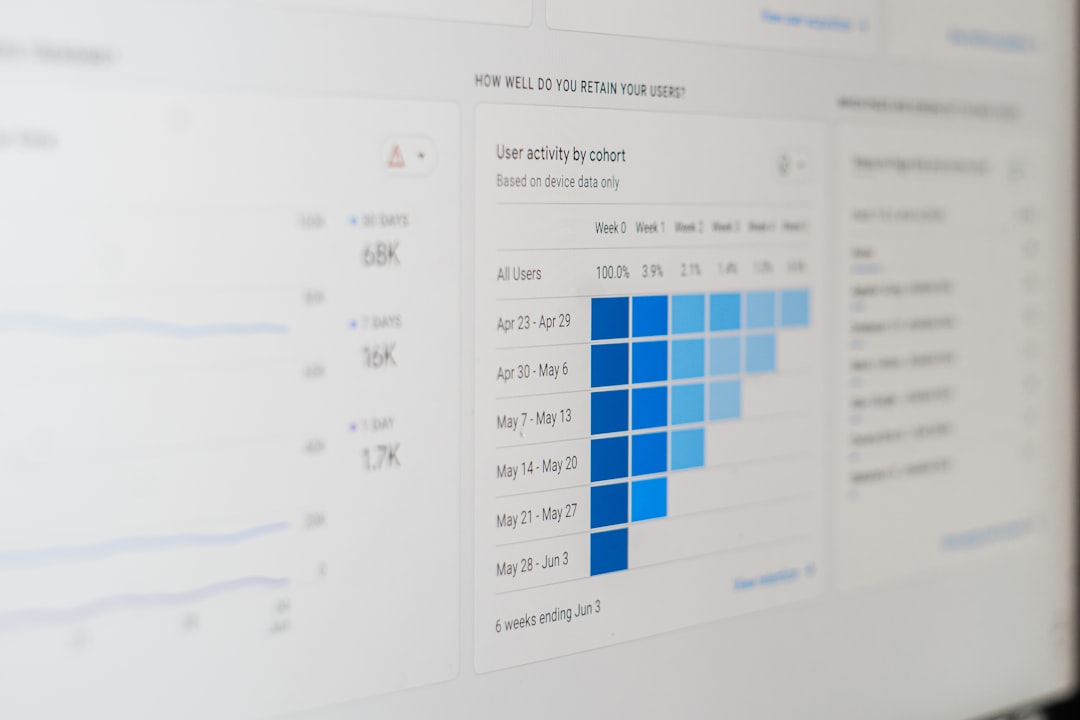
Tracking user engagement is vital for understanding how visitors interact with your website. Metrics such as page views, time spent on pages, and click-through rates provide valuable insights into user behavior. By analyzing these metrics, you can identify which content resonates most with your audience and which areas may need improvement.
Tools like heatmaps can also be beneficial in visualizing user engagement. They show where users click most frequently on your site, helping you understand their interests and navigation patterns. This information can guide you in optimizing your layout and content to enhance user experience and keep visitors engaged longer.
Analyzing Website Traffic Sources
| Tool Name | Features | Price |
|---|---|---|
| Google Analytics | Real-time data, audience insights, conversion tracking | Free |
| Adobe Analytics | Advanced segmentation, predictive analytics, customer journey analysis | Custom pricing |
| Hotjar | Heatmaps, session recordings, feedback polls | Starts at 39/month |
Understanding where your traffic comes from is key to developing effective marketing strategies. Traffic sources can be categorized into direct traffic, organic search, paid search, social media, and referral traffic. Each source has its own characteristics and can indicate different levels of user intent.
For instance, organic search traffic typically indicates that users are actively seeking information related to your content or products. In contrast, social media traffic may come from users who are casually browsing their feeds. By analyzing these sources, you can allocate resources more effectively—focusing on channels that drive the most engaged visitors while optimizing or rethinking those that don’t perform as well.
Optimizing Website Content and Design
Once you have a clear understanding of user engagement and traffic sources, it’s time to optimize your website content and design. Start by ensuring that your content is relevant and valuable to your audience. This means regularly updating blog posts, product descriptions, and other key pages to reflect current trends and user interests.
Design plays a crucial role in user experience as well. A clean, intuitive layout can significantly enhance navigation and keep users on your site longer. Consider A/B testing different design elements—like button colors or layout styles—to see what resonates best with your audience. The goal is to create a seamless experience that encourages users to explore more of what you have to offer.
Monitoring Website Loading Speed and Performance
Website loading speed is a critical factor in user satisfaction and SEO rankings. Studies show that even a one-second delay in loading time can lead to higher bounce rates and lower conversion rates. Therefore, it’s essential to monitor your site’s performance regularly using tools like Google PageSpeed Insights or GTmetrix.
If you find that your site is loading slowly, there are several strategies you can implement to improve speed. These include optimizing images, leveraging browser caching, and minimizing HTTP requests. Regularly checking your site’s performance ensures that you’re providing a fast and efficient experience for your visitors.
Identifying and Fixing Website Errors and Issues
Website errors can significantly impact user experience and overall performance. Common issues include broken links, 404 errors, and server problems. Regularly auditing your site for these errors is crucial for maintaining a smooth user experience.
Tools like Google Search Console can help identify issues affecting your site’s visibility in search engines.
Once you’ve identified errors, it’s important to address them promptly—whether that means fixing broken links or optimizing server response times.
Keeping your website error-free not only enhances user experience but also helps maintain your site’s credibility.
Utilizing A/B Testing and Conversion Rate Optimization
A/B testing is a powerful method for optimizing conversion rates on your website. By comparing two versions of a webpage—such as different headlines or call-to-action buttons—you can determine which version performs better in terms of user engagement and conversions.
Implementing A/B tests requires careful planning; define clear objectives for what you want to achieve with each test. Once you have results, analyze the data to understand why one version outperformed the other. This iterative process allows you to continually refine your website based on real user feedback.
Integrating Analytics Tools with Other Marketing Platforms
Integrating your analytics tools with other marketing platforms can provide a more comprehensive view of your marketing efforts. For example, connecting Google Analytics with email marketing platforms like Mailchimp allows you to track how email campaigns drive traffic to your site.
This integration helps you understand the full customer journey—from initial contact through conversion—enabling more effective marketing strategies. Additionally, using customer relationship management (CRM) systems alongside analytics tools can help you track user interactions across multiple touchpoints.
Leveraging Data to Make Informed Business Decisions
Ultimately, the goal of tracking website performance metrics is to leverage data for informed business decisions. By analyzing user behavior, traffic sources, and engagement metrics, you can identify trends that inform everything from content strategy to product development.
Data-driven decision-making allows businesses to be more agile in responding to market changes and customer needs. Regularly reviewing analytics reports ensures that you’re not just collecting data but actively using it to shape the future of your business strategy.
In conclusion, understanding website performance metrics and utilizing the right tools can significantly enhance your online presence. By focusing on user engagement, optimizing content and design, monitoring performance, and leveraging data for decision-making, you can create a more effective website that meets both business goals and user needs.
FAQs
What are web design analytics tools?
Web design analytics tools are software or platforms that help website owners and designers track and analyze various metrics related to website performance, user behavior, and design effectiveness. These tools provide valuable insights to improve the overall user experience and achieve business goals.
What kind of data can web design analytics tools track?
Web design analytics tools can track a wide range of data, including website traffic, user demographics, user engagement, conversion rates, page load times, click-through rates, and more. They can also provide heatmaps and user session recordings to visualize how users interact with the website.
How can web design analytics tools benefit website owners and designers?
Web design analytics tools can benefit website owners and designers by providing actionable insights to optimize website design, improve user experience, and increase conversion rates. By understanding user behavior and preferences, website owners and designers can make data-driven decisions to enhance their websites.
What are some popular web design analytics tools available in the market?
Some popular web design analytics tools include Google Analytics, Adobe Analytics, Hotjar, Crazy Egg, Mixpanel, and Optimizely. These tools offer a range of features to track and analyze website performance, user behavior, and design effectiveness.
How can web design analytics tools help in improving website accessibility and usability?
Web design analytics tools can help in improving website accessibility and usability by providing insights into how users interact with the website, identifying areas of improvement, and testing design changes. By understanding user behavior and preferences, website owners and designers can make informed decisions to create a more accessible and user-friendly website.



0 Comments