





The customer journey in ecommerce refers to the series of interactions and experiences a consumer has with a brand from the initial awareness stage through to the final purchase and beyond. This journey is not linear; it often involves multiple touchpoints across various channels, including social media, email, and the brand’s website. Understanding this journey is crucial for ecommerce businesses as it helps them identify how customers discover products, what influences their purchasing decisions, and how they engage with the brand post-purchase.
At its core, the customer journey encompasses several stages: awareness, consideration, decision, and retention. During the awareness stage, potential customers become aware of a brand or product through advertising, social media, or word-of-mouth. In the consideration phase, they evaluate options and compare products. The decision stage is where they make a purchase, and finally, in the retention phase, businesses aim to keep customers engaged and encourage repeat purchases. By mapping out these stages, ecommerce companies can better understand their customers’ needs and tailor their strategies accordingly.
Key Takeaways
- Understanding and mapping the customer journey is crucial for enhancing ecommerce experiences.
- Data analytics plays a key role in uncovering valuable insights about customer behaviors and touchpoints.
- Personalization based on customer journey insights can significantly improve customer satisfaction and loyalty.
- Addressing pain points identified in the customer journey helps optimize marketing strategies and product development.
- Measuring success through ROI and continuous analysis ensures ongoing improvement and future readiness in ecommerce.
The Importance of Customer Journey Insights for Ecommerce
Customer journey insights are vital for ecommerce businesses as they provide a comprehensive view of consumer behavior. These insights allow companies to identify trends, preferences, and pain points that can significantly impact sales and customer satisfaction. By analyzing the customer journey, businesses can make informed decisions about marketing strategies, product offerings, and customer service improvements.
Moreover, understanding customer journey insights can lead to enhanced customer loyalty. When businesses recognize and address the specific needs of their customers at various stages of the journey, they can create a more personalized experience. This personalization fosters a sense of connection between the brand and the consumer, ultimately leading to increased trust and repeat business. In an increasingly competitive ecommerce landscape, leveraging these insights can be a key differentiator for brands seeking to establish long-term relationships with their customers.
Identifying Key Touchpoints in the Customer Journey

Key touchpoints in the customer journey are critical moments where customers interact with a brand. These touchpoints can occur online or offline and include website visits, social media interactions, email communications, and customer service engagements. Identifying these touchpoints is essential for understanding how customers perceive a brand and what influences their purchasing decisions.
To effectively identify key touchpoints, businesses should conduct thorough research into their customers’ behaviors and preferences. This can involve analyzing website analytics to see where users spend the most time or conducting surveys to gather feedback on customer experiences. By pinpointing these critical moments, ecommerce companies can focus their efforts on optimizing these interactions to enhance overall customer satisfaction and drive conversions.
Leveraging Data Analytics to Uncover Customer Journey Insights

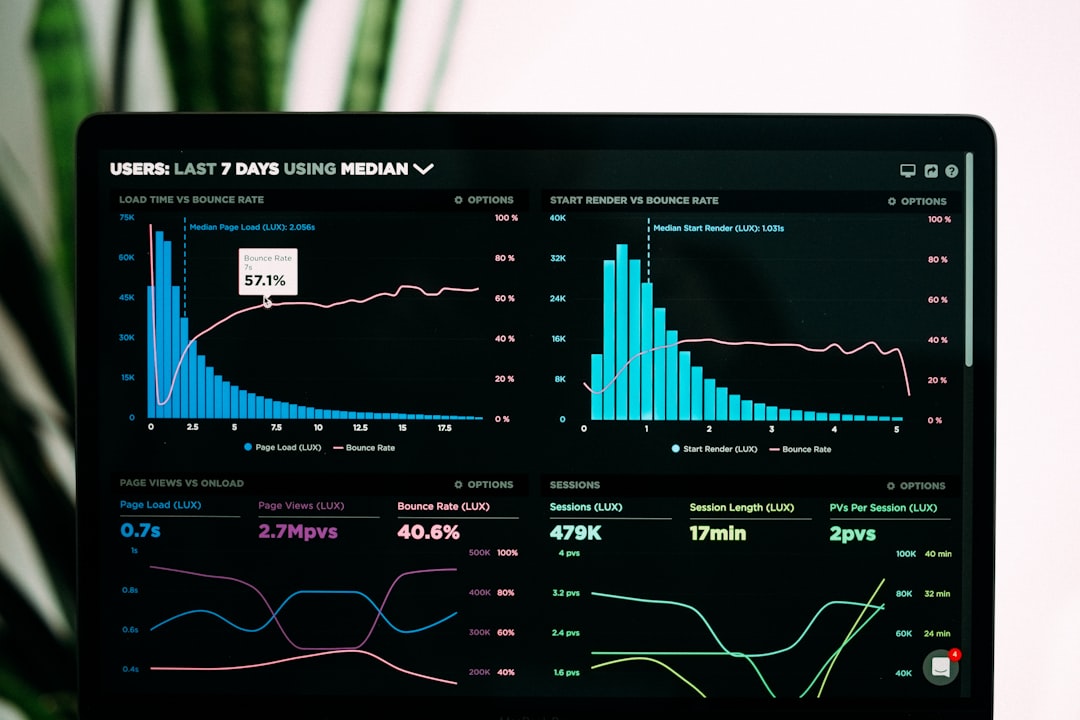
Data analytics plays a crucial role in uncovering customer journey insights. By collecting and analyzing data from various sources—such as website traffic, social media engagement, and sales figures—businesses can gain valuable insights into customer behavior. This data-driven approach allows companies to identify patterns and trends that may not be immediately apparent through traditional methods.
For instance, analytics can reveal which marketing channels are most effective in driving traffic to a website or which products are frequently viewed together. By understanding these dynamics, ecommerce businesses can refine their marketing strategies and product offerings to better align with customer preferences. Additionally, leveraging data analytics enables companies to track changes in customer behavior over time, allowing them to adapt their strategies in response to evolving market conditions.
Personalization and Customer Journey Mapping
| Metric | Description | Typical Value / Range | Insight for Ecommerce |
|---|---|---|---|
| Customer Acquisition Cost (CAC) | Average cost to acquire a new customer | 20 – 100 | Helps evaluate marketing spend efficiency |
| Average Order Value (AOV) | Average amount spent per transaction | 50 – 150 | Identifies opportunities for upselling and cross-selling |
| Cart Abandonment Rate | Percentage of shoppers who add items to cart but do not purchase | 60% – 80% | Highlights friction points in checkout process |
| Customer Lifetime Value (CLV) | Projected revenue from a customer over their relationship | 200 – 1000 | Guides investment in retention and loyalty programs |
| Conversion Rate | Percentage of visitors who complete a purchase | 1% – 5% | Measures effectiveness of website and marketing funnel |
| Time to Purchase | Average time from first visit to purchase | 1 – 7 days | Informs remarketing and nurturing strategies |
| Repeat Purchase Rate | Percentage of customers who make more than one purchase | 20% – 40% | Indicates customer satisfaction and loyalty |
| Customer Satisfaction Score (CSAT) | Customer rating of their shopping experience | 70% – 90% | Measures overall customer happiness and service quality |
Personalization is increasingly becoming a cornerstone of effective ecommerce strategies. By mapping the customer journey and understanding individual preferences, businesses can tailor their offerings to meet specific needs. This level of personalization can significantly enhance the customer experience by making interactions more relevant and engaging.
Customer journey mapping involves visualizing the various stages a customer goes through when interacting with a brand. This process helps identify opportunities for personalization at each touchpoint. For example, if a customer frequently browses a particular category of products, targeted recommendations based on their browsing history can be presented during their next visit. Such personalized experiences not only improve customer satisfaction but also increase the likelihood of conversion.
Improving Customer Experience Through Customer Journey Insights
Improving customer experience is a primary goal for many ecommerce businesses, and leveraging customer journey insights is essential in achieving this objective. By understanding where customers encounter challenges or frustrations during their journey, companies can implement targeted improvements that enhance overall satisfaction.
For example, if data reveals that customers frequently abandon their shopping carts at a specific stage in the checkout process, businesses can investigate the reasons behind this behavior. It may be due to unexpected shipping costs or a complicated payment process. By addressing these issues directly, companies can streamline the checkout experience and reduce cart abandonment rates. Ultimately, enhancing the customer experience leads to higher conversion rates and increased customer loyalty.
Optimizing Marketing Strategies with Customer Journey Insights
Customer journey insights are invaluable for optimizing marketing strategies in ecommerce.
By understanding how customers move through their journey, businesses can tailor their marketing efforts to align with consumer behavior at each stage.
This targeted approach ensures that marketing messages resonate with potential customers and drive engagement.
For instance, during the awareness stage, content marketing strategies such as blog posts or social media campaigns can be employed to attract potential customers’ attention. As customers move into the consideration phase, targeted email campaigns featuring product comparisons or testimonials can help influence their decision-making process. By aligning marketing strategies with the customer journey, businesses can create more effective campaigns that drive conversions and foster brand loyalty.
Utilizing Customer Journey Insights for Product Development
Customer journey insights also play a significant role in product development for ecommerce businesses. By analyzing feedback from various touchpoints along the customer journey, companies can identify gaps in their product offerings or areas for improvement. This information is crucial for developing products that meet consumer needs and preferences.
For example, if customers consistently express dissatisfaction with a particular product feature during post-purchase surveys or reviews, businesses can use this feedback to inform future product iterations. Additionally, understanding customer pain points can lead to the development of entirely new products that address unmet needs in the market. By incorporating customer insights into product development processes, ecommerce companies can enhance their offerings and stay competitive in an ever-evolving landscape.
Addressing Pain Points in the Customer Journey
Addressing pain points in the customer journey is essential for improving overall satisfaction and driving conversions. Pain points are specific challenges or obstacles that customers encounter while interacting with a brand. Identifying these pain points requires careful analysis of customer feedback and behavior data.
Once pain points are identified, businesses can take proactive steps to address them. For instance, if customers report difficulties navigating a website or finding specific products, companies may need to invest in website redesigns or improved search functionalities. By actively working to resolve these issues, ecommerce businesses can create a smoother shopping experience that encourages repeat visits and purchases.
Measuring Success and ROI with Customer Journey Insights
Measuring success and return on investment (ROI) from customer journey insights is crucial for evaluating the effectiveness of ecommerce strategies. Businesses need to establish key performance indicators (KPIs) that align with their goals for improving the customer journey. These KPIs may include metrics such as conversion rates, customer retention rates, and average order value.
By tracking these metrics over time, companies can assess whether their efforts to enhance the customer journey are yielding positive results. For example, if an increase in personalized marketing efforts correlates with higher conversion rates, this indicates that such strategies are effective. Conversely, if certain initiatives do not lead to measurable improvements, businesses may need to reevaluate their approach and make necessary adjustments.
The Future of Customer Journey Insights in Ecommerce
The future of customer journey insights in ecommerce is likely to be shaped by advancements in technology and data analytics capabilities. As artificial intelligence (AI) and machine learning continue to evolve, businesses will have access to more sophisticated tools for analyzing customer behavior and predicting future trends. This will enable companies to create even more personalized experiences tailored to individual preferences.
Additionally, as consumers become increasingly aware of data privacy concerns, ecommerce businesses will need to navigate these challenges while still leveraging customer insights effectively. Striking a balance between personalization and privacy will be essential for maintaining consumer trust in an evolving digital landscape. Ultimately, those who successfully harness customer journey insights will be better positioned to thrive in the competitive world of ecommerce.
FAQs
What are customer journey insights in ecommerce?
Customer journey insights in ecommerce refer to the data and analysis that reveal how customers interact with an online store throughout their buying process. This includes tracking behaviors such as browsing, product searches, cart additions, and purchase completions to understand customer preferences and pain points.
Why are customer journey insights important for ecommerce businesses?
These insights help ecommerce businesses optimize the shopping experience, improve customer satisfaction, increase conversion rates, and reduce cart abandonment. By understanding the customer journey, businesses can tailor marketing strategies, personalize communications, and enhance website usability.
How can ecommerce companies collect customer journey data?
Ecommerce companies can collect data through website analytics tools, customer feedback surveys, heatmaps, session recordings, and tracking technologies like cookies and pixels. Integrating CRM systems and using AI-powered analytics platforms also help gather comprehensive customer journey information.
What are common stages in the ecommerce customer journey?
The typical stages include awareness (discovering the brand or product), consideration (researching and comparing options), decision (making a purchase), retention (post-purchase engagement), and advocacy (sharing feedback or recommending the brand).
How can customer journey insights improve marketing strategies in ecommerce?
By analyzing customer journey insights, marketers can identify which channels and messages resonate best at each stage, personalize offers, optimize timing, and allocate budgets more effectively. This leads to more targeted campaigns, higher engagement, and better return on investment.


0 Comments