




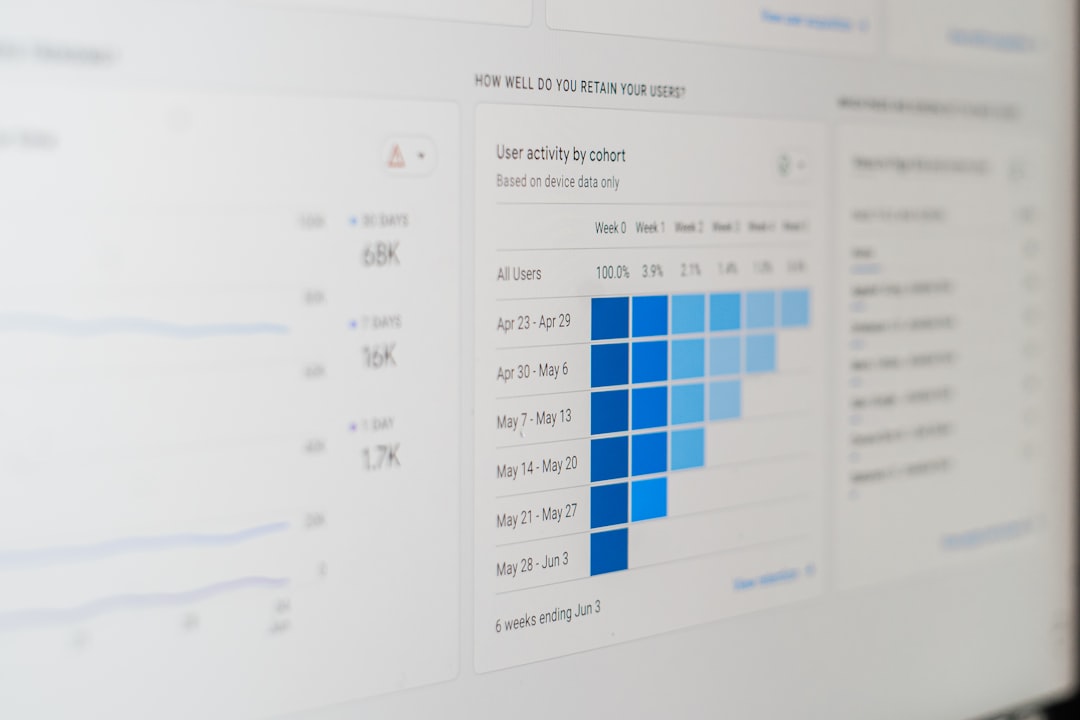
In the digital age, visitor data analysis has become essential to effective business strategy. Visitor data provides organizations with comprehensive information about their audience, including demographic characteristics, preferences, and behavioral patterns. This data represents measurable indicators of customer interests and purchasing decisions.
By analyzing this information, businesses can customize their products and services to align with their target market’s specific needs. These insights guide decision-making across departments, including marketing and product development. Visitor data analysis also supports long-term customer relationship building by enabling businesses to understand customer needs more thoroughly.
For example, e-commerce platforms that track visitor behavior can identify products that receive high view counts but low purchase rates. This information allows companies to implement targeted marketing campaigns or adjust pricing strategies accordingly. This approach improves customer satisfaction and increases loyalty, as customers recognize that brands understand and respond to their preferences.
Key Takeaways
- Visitor data insights are crucial for understanding and anticipating customer needs.
- Personalization based on visitor behavior enhances customer experience and engagement.
- Analyzing visitor data helps optimize marketing strategies and product development.
- Identifying trends in visitor data supports operational efficiency and informed decision-making.
- Overcoming challenges in data utilization is key to leveraging future opportunities in visitor insights.
Understanding Visitor Behavior
Understanding visitor behavior is crucial for any organization aiming to thrive in a competitive landscape. Visitor behavior encompasses a range of actions, from the pages they visit on a website to the time spent on each page and the paths they take before making a purchase. By employing tools such as heatmaps and session recordings, businesses can visualize how users interact with their digital platforms.
This level of insight allows companies to identify friction points in the user journey, such as confusing navigation or slow-loading pages, which can deter potential customers. Furthermore, analyzing visitor behavior can reveal patterns that inform content strategy. For example, if data shows that visitors are consistently engaging with blog posts about sustainability, a company might decide to create more content around this topic or even develop products that align with these values.
Understanding the nuances of visitor behavior not only aids in optimizing existing offerings but also opens avenues for innovation and growth by aligning products and services with customer interests.
Utilizing Visitor Data for Personalization
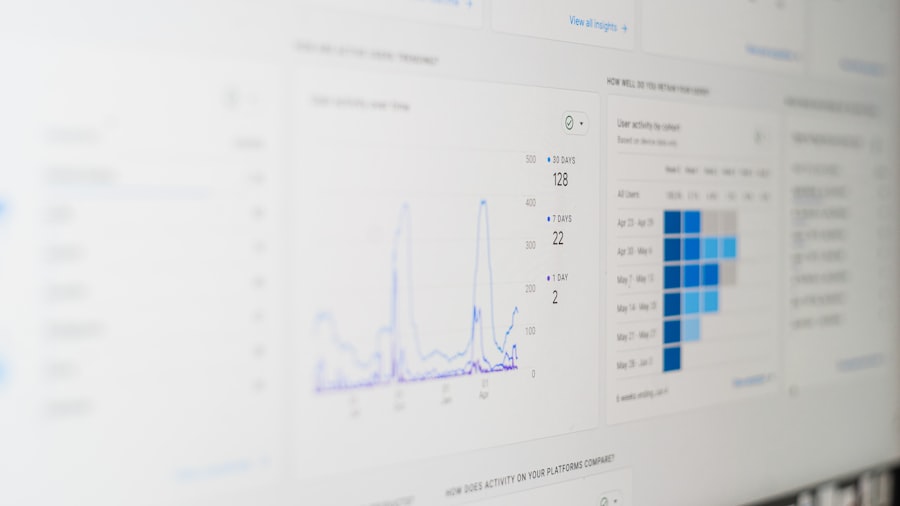
Personalization has emerged as a key differentiator in today’s marketplace, and visitor data plays an integral role in this process. By leveraging insights gathered from visitor interactions, businesses can create tailored experiences that resonate with individual users. For instance, e-commerce sites can utilize browsing history to recommend products that align with a visitor’s previous interests, thereby increasing the likelihood of conversion.
This level of personalization enhances the shopping experience, making it more relevant and engaging for the consumer. Additionally, personalization extends beyond product recommendations. Email marketing campaigns can be significantly improved by segmenting audiences based on visitor data.
By analyzing past interactions and preferences, companies can send targeted messages that speak directly to the interests of different customer segments. For example, a travel agency might send personalized offers for beach vacations to users who have previously searched for tropical destinations while providing mountain getaway deals to those who have shown interest in hiking trips. This strategic use of visitor data not only boosts engagement rates but also fosters a sense of connection between the brand and its customers.
Enhancing Customer Experience with Visitor Data
The customer experience is paramount in determining brand loyalty and overall satisfaction. Visitor data insights are instrumental in enhancing this experience by allowing businesses to anticipate customer needs and preferences. For instance, by analyzing feedback and behavior patterns, companies can identify common pain points in the customer journey.
If data reveals that many visitors abandon their shopping carts at a specific stage due to complicated checkout processes, businesses can streamline these steps to facilitate smoother transactions. Moreover, real-time visitor data can empower customer service teams to provide more effective support. By accessing information about a visitor’s previous interactions and purchases, representatives can offer personalized assistance that addresses specific concerns or questions.
This level of informed service not only resolves issues more efficiently but also leaves customers feeling valued and understood. As a result, organizations that prioritize enhancing customer experience through visitor data are likely to see increased retention rates and positive word-of-mouth referrals.
Improving Marketing Strategies with Visitor Data
| Metric | Description | Value | Time Period |
|---|---|---|---|
| Total Visitors | Number of unique visitors to the website | 45,230 | Last 30 days |
| Page Views | Total number of pages viewed | 132,450 | Last 30 days |
| Average Session Duration | Average time spent by a visitor per session | 3 minutes 45 seconds | Last 30 days |
| Bounce Rate | Percentage of visitors who leave after viewing one page | 42% | Last 30 days |
| New vs Returning Visitors | Ratio of new visitors to returning visitors | 65% new / 35% returning | Last 30 days |
| Top Traffic Source | Primary source driving visitors to the site | Organic Search | Last 30 days |
| Conversion Rate | Percentage of visitors completing a desired action | 4.8% | Last 30 days |
Visitor data is an invaluable asset for refining marketing strategies across various channels. By analyzing metrics such as click-through rates, conversion rates, and user engagement levels, businesses can gain insights into what resonates with their audience. For example, if a particular social media campaign generates high engagement but low conversions, it may indicate that while the content is appealing, the call-to-action needs adjustment or the landing page requires optimization.
Additionally, A/B testing driven by visitor data allows marketers to experiment with different approaches to determine what works best. By comparing two versions of an email or landing page based on real-time visitor responses, companies can make informed decisions about which elements to retain or modify. This iterative process not only enhances marketing effectiveness but also ensures that resources are allocated efficiently toward strategies that yield the highest return on investment.
Leveraging Visitor Data for Product Development
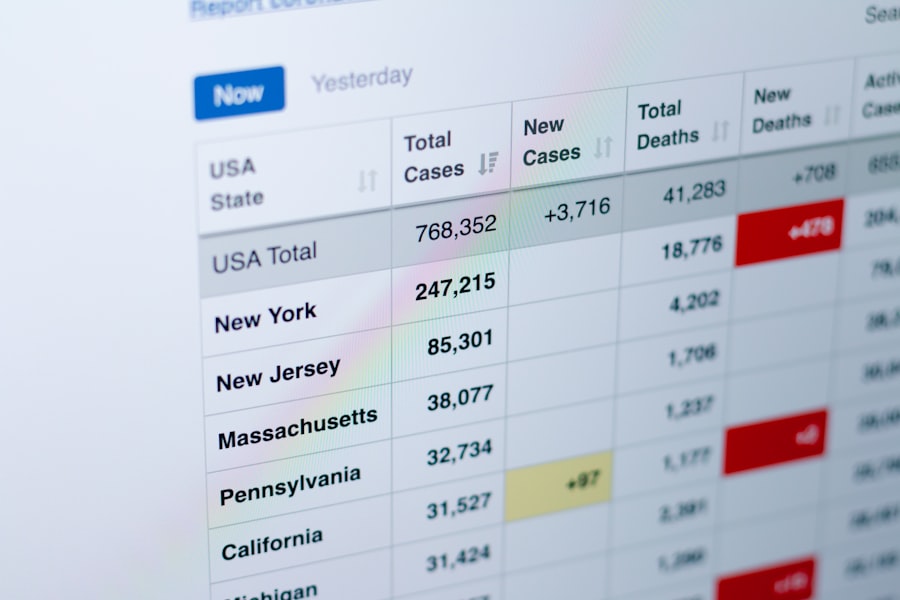
Visitor data insights are not limited to marketing; they also play a critical role in product development. By analyzing customer feedback and behavior patterns, businesses can identify gaps in the market or areas where existing products may fall short. For instance, if data indicates that users frequently search for a specific feature that is absent from a product line, this insight can guide development teams in creating new offerings that meet these demands.
Furthermore, visitor data can inform iterative improvements on existing products. Companies can track how users interact with their products post-purchase through feedback forms or usage analytics. If a significant number of users report difficulties with a particular feature, this information can prompt design revisions or enhancements that improve usability and satisfaction.
By leveraging visitor data in product development processes, organizations can ensure that their offerings remain relevant and competitive in an ever-evolving marketplace.
Identifying Trends and Patterns in Visitor Data
The ability to identify trends and patterns within visitor data is essential for strategic planning and forecasting. By employing advanced analytics tools, businesses can uncover insights related to seasonal fluctuations in consumer behavior or emerging preferences among different demographic groups. For example, an online retailer might notice an uptick in searches for eco-friendly products during Earth Month each year, prompting them to launch targeted campaigns during this period.
If data reveals a consistent increase in mobile traffic over several years, companies may prioritize mobile optimization in their digital strategy to enhance user experience on smartphones and tablets. Identifying these trends not only aids in immediate decision-making but also positions organizations to adapt proactively to shifts in consumer behavior over time.
Optimizing Operations with Visitor Data Insights
Operational efficiency is another area where visitor data insights can make a significant impact. By analyzing traffic patterns and user behavior on websites or physical locations, businesses can optimize resource allocation and staffing levels accordingly. For instance, if data shows peak traffic times for an online store during specific hours or days of the week, companies can ensure that their customer service teams are adequately staffed during these periods to handle increased inquiries.
Additionally, visitor data can inform inventory management practices. E-commerce platforms that track which products are frequently viewed but rarely purchased may choose to adjust their inventory levels or promotional strategies accordingly. This proactive approach minimizes excess stock while ensuring that popular items are readily available when demand arises.
By optimizing operations through visitor data insights, organizations can enhance efficiency while simultaneously improving customer satisfaction.
Making Data-Driven Business Decisions
In an era where data is abundant yet often underutilized, making data-driven business decisions is crucial for success. Organizations that rely on intuition alone risk missing out on valuable insights that could inform strategic choices. By integrating visitor data into decision-making processes across departments—be it marketing, sales, or product development—businesses can base their strategies on concrete evidence rather than assumptions.
For example, when launching a new product line, companies can analyze historical visitor data to gauge interest levels among different customer segments before committing significant resources to production and marketing efforts. This approach minimizes risk and maximizes the likelihood of success by ensuring that decisions are grounded in actual consumer behavior rather than speculation.
Overcoming Challenges in Utilizing Visitor Data
Despite the clear benefits of utilizing visitor data insights, organizations often face challenges in effectively harnessing this information. One significant hurdle is ensuring data quality and accuracy; poor-quality data can lead to misguided conclusions and ineffective strategies. Businesses must invest in robust data collection methods and validation processes to ensure that the insights derived from visitor data are reliable.
Another challenge lies in navigating privacy concerns associated with data collection practices. With increasing regulations surrounding consumer privacy—such as GDPR in Europe—companies must be transparent about how they collect and use visitor data while ensuring compliance with legal standards. Striking a balance between leveraging valuable insights and respecting consumer privacy is essential for building trust and maintaining positive relationships with customers.
The Future of Visitor Data Insights
As technology continues to evolve at an unprecedented pace, the future of visitor data insights promises even greater potential for businesses willing to adapt and innovate. The rise of artificial intelligence (AI) and machine learning will enable organizations to analyze vast amounts of visitor data more efficiently than ever before. These technologies will facilitate predictive analytics, allowing businesses to anticipate customer needs before they even arise.
Moreover, as consumers become increasingly aware of their digital footprints, there will be a growing emphasis on ethical data practices. Companies that prioritize transparency and responsible use of visitor data will likely gain a competitive edge as consumers gravitate toward brands they trust. The future landscape will require organizations not only to harness visitor data effectively but also to do so in ways that respect consumer privacy while delivering personalized experiences that drive engagement and loyalty.
FAQs
What is visitor data?
Visitor data refers to the information collected about individuals who visit a website, physical location, or event. This data can include demographics, behavior patterns, visit duration, and interaction details.
Why are visitor data insights important?
Visitor data insights help businesses and organizations understand their audience better, optimize user experience, improve marketing strategies, and increase conversion rates by tailoring content and services to visitor preferences.
What types of visitor data are commonly collected?
Common types of visitor data include IP addresses, geographic location, device type, browser information, pages visited, time spent on site, referral sources, and user interactions such as clicks and form submissions.
How is visitor data collected?
Visitor data is typically collected through web analytics tools, cookies, tracking pixels, server logs, and sometimes through direct user input like surveys or registration forms.
Is visitor data collection legal?
Visitor data collection is legal when done in compliance with privacy laws and regulations such as GDPR, CCPA, and others. Organizations must inform visitors about data collection practices and obtain consent where required.
How can visitor data insights improve website performance?
By analyzing visitor data, website owners can identify popular content, detect navigation issues, understand visitor demographics, and optimize site layout and functionality to enhance user engagement and satisfaction.
What tools are used to analyze visitor data?
Popular tools for analyzing visitor data include Google Analytics, Adobe Analytics, Hotjar, Mixpanel, and Matomo, among others. These tools provide detailed reports and visualizations to help interpret visitor behavior.
Can visitor data insights help in marketing?
Yes, visitor data insights enable marketers to segment audiences, personalize campaigns, track campaign effectiveness, and allocate resources more efficiently to target high-value visitors.
How is visitor data protected?
Visitor data protection involves implementing security measures such as encryption, access controls, anonymization, and compliance with data protection regulations to prevent unauthorized access and misuse.
What challenges exist in using visitor data insights?
Challenges include ensuring data accuracy, maintaining user privacy, integrating data from multiple sources, interpreting complex data sets, and keeping up with evolving regulations and technology.



0 Comments