





The psychology of shopping delves into the cognitive processes that influence consumer behavior. Understanding why individuals make purchasing decisions involves examining various factors, including motivations, perceptions, and attitudes. Consumers often engage in shopping not just for the functional benefits of products but also for emotional satisfaction and social validation. This complex interplay of psychological elements shapes how consumers approach their shopping experiences, whether in physical stores or online.
One key aspect of the consumer mindset is the concept of need versus want. While needs are essential for survival, wants are shaped by personal preferences and societal influences. Marketers often capitalize on this distinction by creating a narrative that transforms a want into a perceived need. This strategy can lead to impulse buying, where consumers make unplanned purchases driven by emotional triggers rather than rational decision-making. Understanding these psychological underpinnings allows retailers to tailor their strategies to better meet consumer expectations and enhance the shopping experience.
Key Takeaways
- Consumer emotions and social influences significantly shape purchasing decisions.
- Customer experience and effective branding are crucial for influencing shopper behavior.
- Visual merchandising and store layout play a key role in attracting and retaining customers.
- Technology and online shopping evolution are transforming retail dynamics.
- Understanding cultural, demographic differences, and pricing strategies enhances retail success.
The Impact of Emotions on Purchasing Decisions
Emotions play a significant role in shaping purchasing decisions, often overriding logical reasoning. Research indicates that consumers are more likely to buy products when they feel positive emotions such as happiness, excitement, or nostalgia. Retailers frequently leverage this insight by creating an atmosphere that evokes these feelings, whether through store design, product placement, or marketing campaigns. For instance, a store that uses warm lighting and pleasant scents can create a welcoming environment that encourages shoppers to linger and explore.
Conversely, negative emotions can deter consumers from making purchases. Feelings of anxiety or frustration can arise from a cluttered store layout or a complicated checkout process. Retailers must be aware of these emotional triggers and strive to minimize them to foster a more positive shopping experience. By understanding the emotional landscape of their customers, businesses can implement strategies that not only attract shoppers but also encourage them to return.
The Role of Social Influence in Consumer Behavior

Social influence is a powerful factor in consumer behavior, as individuals often look to others when making purchasing decisions. This influence can manifest in various forms, including peer recommendations, social media endorsements, and cultural trends. The phenomenon of social proof suggests that people are more likely to buy products that others have endorsed or purchased, as they perceive these choices as validated by their peers.
In the age of social media, the impact of influencers has grown significantly. Brands collaborate with social media personalities to reach wider audiences and build credibility. These influencers often shape consumer perceptions and preferences through their curated content, leading followers to make purchasing decisions based on their recommendations. Retailers must recognize the importance of social influence and consider how it can be harnessed to enhance brand visibility and drive sales.
Understanding the Importance of Customer Experience

Customer experience encompasses every interaction a consumer has with a brand, from initial awareness to post-purchase support. A positive customer experience can lead to increased loyalty and repeat business, while a negative experience can result in lost sales and damage to brand reputation.
Retailers must prioritize creating seamless and enjoyable experiences for their customers across all touchpoints.
To achieve this, businesses should focus on understanding their customers’ needs and preferences. This involves gathering feedback through surveys, monitoring online reviews, and analyzing purchasing patterns. By leveraging this data, retailers can make informed decisions about product offerings, store layouts, and customer service practices. A commitment to enhancing customer experience not only fosters loyalty but also differentiates a brand in a competitive marketplace.
The Influence of Branding and Marketing on Shopper Behavior
| Metric | Description | Typical Value | Insight |
|---|---|---|---|
| Average Time Spent on Site | Average duration a shopper spends browsing the website | 5-7 minutes | Longer time indicates higher engagement and interest |
| Cart Abandonment Rate | Percentage of shoppers who add items to cart but do not complete purchase | 60-75% | High rate suggests friction in checkout or pricing issues |
| Repeat Purchase Rate | Percentage of customers who make more than one purchase | 20-30% | Higher rate indicates strong customer loyalty |
| Average Order Value (AOV) | Average amount spent per transaction | Varies by industry | Helps identify opportunities for upselling and cross-selling |
| Device Usage | Percentage of shoppers using mobile, desktop, or tablet | Mobile: 60%, Desktop: 35%, Tablet: 5% | Mobile dominance suggests need for mobile-optimized experience |
| Peak Shopping Hours | Time periods with highest shopper activity | Evenings 7-10 PM | Timing promotions during peak hours can increase conversions |
| Product View to Purchase Conversion Rate | Percentage of product views that result in a purchase | 2-5% | Low rate may indicate product page or pricing issues |
Branding and marketing are critical components in shaping shopper behavior. A strong brand identity can create an emotional connection with consumers, influencing their purchasing decisions. Effective branding communicates a brand’s values and promises, helping consumers identify with it on a personal level. This connection can lead to brand loyalty, where customers consistently choose one brand over its competitors.
Marketing strategies also play a vital role in guiding consumer behavior. Promotions, advertisements, and public relations efforts are designed to capture attention and drive interest in products or services. Retailers must craft compelling messages that resonate with their target audience while ensuring consistency across all marketing channels. By effectively leveraging branding and marketing techniques, businesses can enhance their visibility and appeal to potential customers.
The Power of Visual Merchandising and Store Layout
Visual merchandising refers to the presentation of products in a retail environment to attract customers and encourage purchases. The layout of a store can significantly impact shopper behavior by guiding traffic flow and highlighting key products. Retailers often use strategic placement of items, signage, and displays to create an engaging shopping experience that captures attention.
An effective store layout considers the psychology of movement and how consumers navigate spaces. For example, placing high-demand items at the back of the store encourages shoppers to walk through various sections, potentially leading to impulse purchases along the way. Additionally, visually appealing displays can draw attention to new or seasonal products, enticing customers to explore further. By investing in visual merchandising and thoughtful store layouts, retailers can enhance the overall shopping experience and drive sales.
The Role of Technology in Shaping Shopper Behavior
Technology has transformed the retail landscape, influencing how consumers shop and interact with brands. The rise of e-commerce has shifted traditional shopping paradigms, allowing consumers to browse and purchase products from anywhere at any time. This convenience has led to changes in consumer expectations regarding speed, accessibility, and personalization.
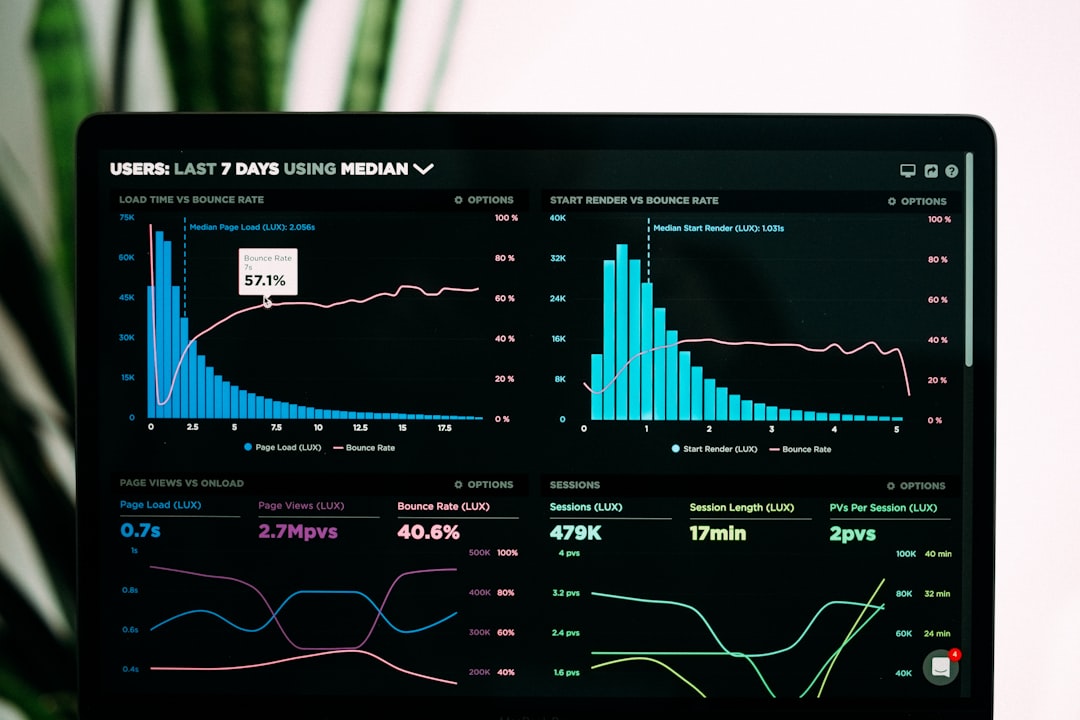
Moreover, advancements in technology have enabled retailers to gather valuable data on consumer behavior. Through analytics tools, businesses can track purchasing patterns, preferences, and engagement levels across various platforms. This data-driven approach allows retailers to tailor their offerings and marketing strategies to better align with consumer needs. As technology continues to evolve, retailers must adapt to these changes to remain competitive in an increasingly digital marketplace.
The Impact of Pricing and Promotions on Consumer Choices
Pricing strategies significantly influence consumer choices and purchasing behavior. Consumers often perceive price as an indicator of quality; therefore, setting prices too low may lead to skepticism about product value. Conversely, premium pricing can create an impression of exclusivity but may alienate price-sensitive shoppers.
Promotions also play a crucial role in driving sales. Limited-time offers, discounts, and loyalty programs can create urgency and incentivize purchases. Retailers must carefully consider how they structure promotions to maximize their effectiveness while maintaining profitability. Understanding the psychological impact of pricing and promotions enables businesses to craft strategies that resonate with consumers and encourage conversions.
The Importance of Understanding Cultural and Demographic Differences
Cultural and demographic differences significantly shape consumer behavior and preferences. Factors such as age, gender, ethnicity, and socioeconomic status influence how individuals perceive brands and make purchasing decisions. Retailers must recognize these differences when developing marketing strategies and product offerings.
For instance, younger consumers may prioritize sustainability and ethical sourcing in their purchasing decisions, while older generations may focus on quality and reliability. Additionally, cultural norms can affect shopping habits; for example, some cultures emphasize communal shopping experiences while others favor individual purchases. By understanding these nuances, retailers can tailor their approaches to better meet the diverse needs of their customer base.
The Evolution of Online Shopping and its Impact on Retail Success
The evolution of online shopping has reshaped the retail landscape in profound ways. E-commerce has become a dominant force in consumer spending, offering convenience and accessibility that traditional brick-and-mortar stores cannot match. As more consumers turn to online platforms for their shopping needs, retailers must adapt their strategies to thrive in this digital environment.
The rise of online shopping has also led to increased competition among retailers. Businesses must invest in user-friendly websites, efficient logistics systems, and effective digital marketing strategies to capture consumer attention in a crowded marketplace. Additionally, the integration of omnichannel approaches—where online and offline experiences are seamlessly connected—has become essential for success in today’s retail environment.
Strategies for Leveraging Shopper Behavior Insights for Retail Success
To achieve retail success, businesses must leverage insights into shopper behavior effectively. This involves analyzing data collected from various sources—such as sales records, customer feedback, and market research—to identify trends and preferences among consumers. By understanding what drives purchasing decisions, retailers can make informed choices about product offerings, marketing strategies, and customer engagement initiatives.
Implementing targeted marketing campaigns based on shopper insights can enhance brand relevance and increase conversion rates. Additionally, retailers should prioritize ongoing customer engagement through personalized communication and loyalty programs that reward repeat business.
By continuously adapting strategies based on consumer behavior insights, retailers can foster long-term relationships with customers while driving sales growth.
In conclusion, understanding shopper behavior is essential for retail success in an ever-evolving marketplace. By examining psychological factors, emotional influences, social dynamics, customer experiences, branding strategies, technological advancements, pricing tactics, cultural differences, online trends, and data-driven insights, retailers can develop comprehensive approaches that resonate with consumers and drive sustainable growth.
FAQs
What are shopper behavior insights?
Shopper behavior insights refer to the analysis and understanding of how consumers make purchasing decisions, including their motivations, preferences, and buying patterns.
Why are shopper behavior insights important for retailers?
These insights help retailers tailor their marketing strategies, improve product placement, enhance customer experience, and ultimately increase sales by meeting the specific needs and desires of their target audience.
What methods are commonly used to gather shopper behavior insights?
Common methods include surveys, focus groups, observation, purchase data analysis, loyalty programs, and digital tracking such as online browsing and purchase history.
How do shopper behavior insights influence product development?
By understanding consumer preferences and pain points, companies can design products that better meet customer needs, improve features, and innovate based on real user feedback.
Can shopper behavior insights predict future buying trends?
Yes, by analyzing current and past consumer data, businesses can identify emerging patterns and preferences, allowing them to anticipate and adapt to future market trends.


0 Comments