





Website analytics refers to the systematic collection, measurement, and analysis of data related to website usage. This practice has become essential for businesses and organizations seeking to understand their online presence and improve user experience. By leveraging various tools and techniques, website analytics provides insights into how visitors interact with a site, what content resonates with them, and where improvements can be made.
As the digital landscape continues to evolve, the importance of website analytics has grown, making it a critical component of any online strategy.
The primary goal of website analytics is to inform decision-making processes. By analyzing data, businesses can identify trends, track performance, and optimize their websites for better engagement and conversion rates. This data-driven approach allows organizations to allocate resources more effectively, tailor marketing strategies, and ultimately enhance their overall online effectiveness. As competition intensifies in the digital space, understanding website analytics is no longer optional; it is a necessity for sustained growth and success.
Key Takeaways
- Website analytics provide critical insights into user behavior and website performance.
- Tracking key metrics like traffic sources, bounce rates, and conversion rates is essential.
- Mobile traffic and social media significantly influence website analytics and user engagement.
- Real-time data and predictive analytics powered by AI are shaping the future of website analytics.
- Leveraging analytics effectively can drive e-commerce success and enhance content marketing strategies.
Key Metrics to Track in Website Analytics
When delving into website analytics, several key metrics stand out as particularly valuable for understanding user behavior and site performance. One of the most fundamental metrics is traffic volume, which indicates the number of visitors to a website over a specific period. This metric helps businesses gauge the effectiveness of their marketing efforts and overall reach. Additionally, tracking unique visitors provides insight into how many distinct individuals are engaging with the site, offering a clearer picture of audience size.
Another critical metric is the bounce rate, which measures the percentage of visitors who leave a site after viewing only one page. A high bounce rate may suggest that users are not finding what they expected or that the content is not engaging enough. Conversely, a low bounce rate typically indicates that visitors are exploring multiple pages, which can be a sign of effective content and user experience design. Other important metrics include average session duration, which reflects how long users stay on the site, and conversion rates, which measure the percentage of visitors who complete desired actions, such as making a purchase or signing up for a newsletter.
Emerging Trends in Website Analytics
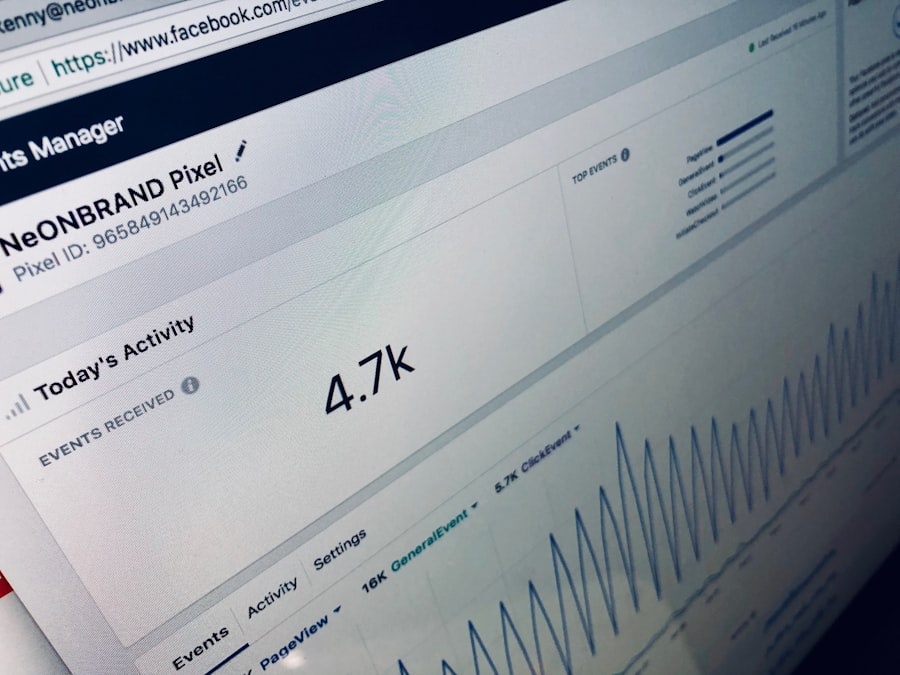
As technology advances, new trends in website analytics continue to emerge, shaping how businesses approach data collection and analysis. One notable trend is the increasing use of artificial intelligence (AI) and machine learning algorithms to process vast amounts of data more efficiently. These technologies enable businesses to uncover patterns and insights that may not be immediately apparent through traditional analysis methods. By automating data processing, organizations can focus on strategic decision-making rather than getting bogged down in raw data.
Another emerging trend is the integration of cross-channel analytics, which allows businesses to track user interactions across multiple platforms and devices. This holistic view of user behavior provides deeper insights into how customers engage with a brand throughout their journey. As consumers increasingly switch between devices—such as smartphones, tablets, and desktops—understanding these interactions becomes crucial for optimizing marketing strategies and enhancing user experience.
The Impact of Mobile Traffic on Website Analytics

The rise of mobile traffic has significantly influenced website analytics practices. With an increasing number of users accessing websites via smartphones and tablets, businesses must adapt their analytics strategies to account for this shift. Mobile traffic often exhibits different behaviors compared to desktop users; for instance, mobile users may have shorter attention spans and different navigation preferences. As a result, tracking mobile-specific metrics has become essential for understanding this segment of the audience.
To effectively analyze mobile traffic, businesses should focus on metrics such as mobile bounce rates, session duration on mobile devices, and conversion rates specific to mobile users. Additionally, understanding how mobile users interact with features like click-to-call buttons or location-based services can provide valuable insights into optimizing mobile experiences. As mobile traffic continues to grow, organizations that prioritize mobile analytics will be better positioned to meet user expectations and drive engagement.
The Role of Social Media in Website Analytics
| Metric | 2022 | 2023 | 2024 (Projected) | Trend |
|---|---|---|---|---|
| Average Session Duration (minutes) | 3.5 | 3.8 | 4.2 | Increasing |
| Bounce Rate (%) | 48 | 45 | 42 | Decreasing |
| Mobile Traffic (%) | 58 | 65 | 70 | Increasing |
| Page Load Time (seconds) | 4.2 | 3.8 | 3.5 | Decreasing |
| Conversion Rate (%) | 2.8 | 3.1 | 3.5 | Increasing |
| New vs Returning Visitors (%) | 60 / 40 | 62 / 38 | 65 / 35 | More New Visitors |
| Traffic from Social Media (%) | 20 | 25 | 30 | Increasing |
Social media has become an integral part of digital marketing strategies, and its impact on website analytics cannot be overlooked. Social media platforms serve as significant traffic sources for many websites, making it essential for businesses to track how social media interactions influence website performance. By analyzing referral traffic from social media channels, organizations can determine which platforms drive the most visitors and how these users behave once they arrive at the site.
Engagement metrics from social media—such as likes, shares, and comments—also play a crucial role in understanding audience sentiment and content effectiveness. By correlating social media engagement with website analytics data, businesses can gain insights into which types of content resonate most with their audience. This information can inform future content strategies and help optimize social media campaigns to drive more targeted traffic to the website.
Utilizing Website Analytics for E-commerce
For e-commerce businesses, website analytics is particularly vital in driving sales and improving customer experience. By tracking key metrics such as cart abandonment rates, average order value, and product performance, e-commerce sites can identify areas for improvement in their sales funnels. Understanding why customers abandon their carts can lead to actionable insights that help reduce abandonment rates and increase conversions.
Additionally, e-commerce analytics can provide valuable information about customer demographics and purchasing behavior. By segmenting customers based on their interactions with the site—such as frequency of purchases or average spend—businesses can tailor marketing efforts to specific groups. This targeted approach not only enhances customer satisfaction but also drives repeat business by fostering loyalty through personalized experiences.
Understanding User Behavior through Website Analytics
Website analytics offers a wealth of information about user behavior that can inform design and content decisions. By analyzing user pathways—the routes visitors take through a site—businesses can identify common navigation patterns and potential roadblocks that may hinder user experience. Understanding these pathways allows organizations to streamline navigation and ensure that users can easily find the information or products they seek.
Moreover, heatmaps and session recordings are valuable tools for visualizing user interactions on a website. Heatmaps show where users click most frequently, while session recordings provide insights into how users navigate through pages. These tools help identify areas where users may struggle or lose interest, enabling businesses to make data-driven adjustments that enhance usability and engagement.
The Importance of Real-time Data in Website Analytics
Real-time data has become increasingly important in website analytics as businesses seek to respond quickly to changing user behaviors and market conditions. The ability to access live data allows organizations to monitor website performance continuously and make immediate adjustments as needed. For instance, if a marketing campaign generates unexpected spikes in traffic, real-time analytics can help identify potential issues or opportunities for further engagement.
Additionally, real-time data enables businesses to track user interactions as they happen, providing insights into immediate trends or shifts in audience behavior. This immediacy allows for timely decision-making that can enhance user experience and capitalize on emerging opportunities. As competition intensifies in the digital landscape, leveraging real-time data will be crucial for businesses aiming to stay ahead.
Leveraging Website Analytics for Content Marketing
Content marketing relies heavily on understanding audience preferences and behaviors, making website analytics an invaluable tool in this domain. By analyzing which types of content generate the most traffic and engagement, businesses can refine their content strategies to align with audience interests. Metrics such as page views, time spent on page, and social shares provide insights into what resonates with users.
Furthermore, website analytics can help identify gaps in content offerings by revealing topics or keywords that attract significant interest but are underrepresented on the site. By addressing these gaps with targeted content creation efforts, businesses can enhance their authority in specific niches while driving more organic traffic. Ultimately, leveraging website analytics for content marketing enables organizations to create more relevant and impactful content that meets audience needs.
The Future of Website Analytics: Predictive Analytics and AI
Looking ahead, predictive analytics and artificial intelligence are poised to transform the landscape of website analytics further. Predictive analytics involves using historical data to forecast future trends and behaviors, allowing businesses to anticipate user needs and preferences proactively. By integrating predictive models into their analytics strategies, organizations can make informed decisions about marketing campaigns, product offerings, and user experience enhancements.
AI technologies also offer advanced capabilities for analyzing large datasets quickly and accurately. Machine learning algorithms can identify patterns that may not be immediately visible through traditional analysis methods, enabling businesses to uncover valuable insights about user behavior and preferences. As these technologies continue to evolve, they will empower organizations to optimize their websites more effectively and create personalized experiences that drive engagement and conversions.
Implementing Website Analytics Trends for Business Growth
In conclusion, website analytics plays a crucial role in shaping online strategies for businesses across various sectors. By understanding key metrics, embracing emerging trends like AI and predictive analytics, and leveraging insights from user behavior analysis, organizations can make informed decisions that drive growth.
The integration of real-time data further enhances responsiveness to changing market conditions and user expectations.
As digital landscapes continue to evolve, staying abreast of developments in website analytics will be essential for maintaining a competitive edge. Businesses that prioritize data-driven decision-making will be better equipped to optimize their online presence, enhance user experiences, and ultimately achieve sustainable growth in an increasingly complex digital environment. Implementing these trends effectively will not only improve operational efficiency but also foster stronger connections with audiences in an ever-changing marketplace.
FAQs
What are website analytics trends?
Website analytics trends refer to the evolving patterns, tools, and techniques used to collect, analyze, and interpret data from websites. These trends help businesses understand user behavior, improve user experience, and optimize marketing strategies.
Why is it important to follow website analytics trends?
Following website analytics trends is important because it allows businesses to stay competitive by leveraging the latest technologies and methodologies. It helps in making data-driven decisions, improving website performance, and enhancing customer engagement.
What are some current popular website analytics trends?
Current popular website analytics trends include the use of AI and machine learning for predictive analytics, real-time data tracking, integration of multi-channel data, enhanced privacy compliance, and the adoption of user-centric metrics like engagement and experience scores.
How do privacy regulations impact website analytics trends?
Privacy regulations such as GDPR and CCPA have led to increased focus on data privacy and user consent in website analytics. This has resulted in trends like anonymized data collection, cookie-less tracking methods, and greater transparency in data usage.
Can small businesses benefit from website analytics trends?
Yes, small businesses can greatly benefit from website analytics trends by gaining insights into customer behavior, optimizing marketing efforts, and improving website usability. Many analytics tools offer scalable solutions suitable for businesses of all sizes.



0 Comments