




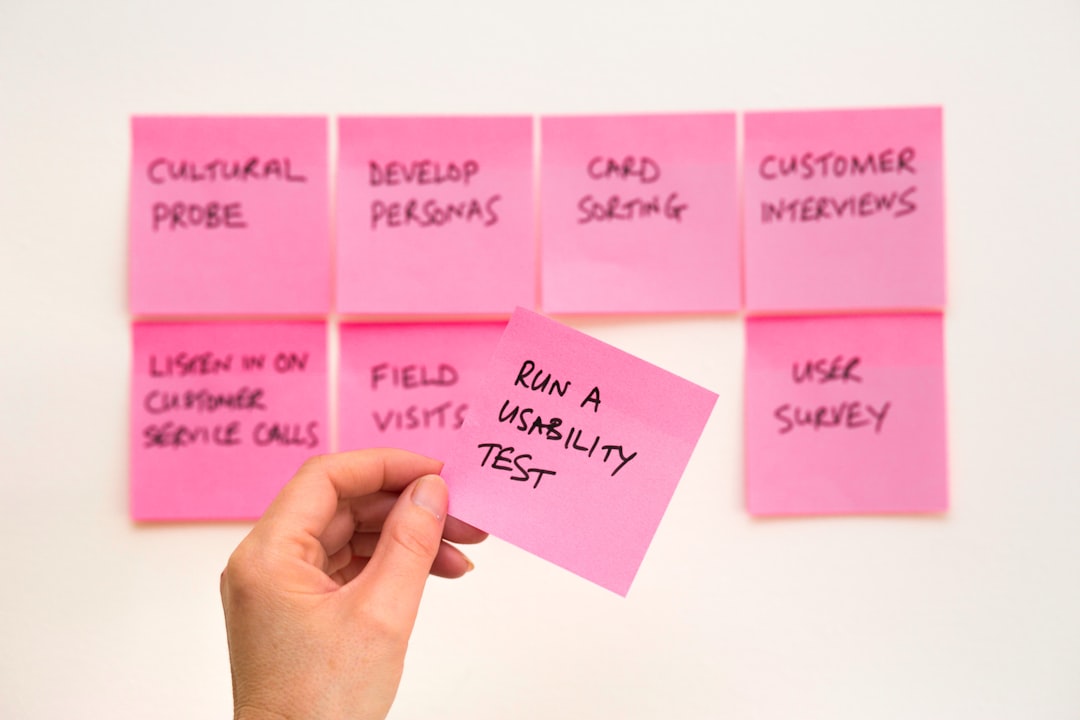
User Experience Design (UX Design) is a multifaceted discipline that focuses on optimizing the interaction between users and products, particularly digital interfaces. At its core, UX Design aims to create meaningful and relevant experiences for users by enhancing usability, accessibility, and pleasure in the interaction with a product. This involves a deep understanding of user needs, behaviors, and motivations, which are often gathered through research methods such as interviews, surveys, and usability testing.
The ultimate goal is to ensure that users find value in the product while navigating it with ease and satisfaction. The process of UX Design encompasses various stages, including research, ideation, prototyping, and testing. Each stage is crucial in developing a product that not only meets user expectations but also delights them.
Designers employ tools such as wireframes and user journey maps to visualize the user experience and identify pain points. By focusing on the user’s perspective throughout the design process, UX designers can create solutions that are not only functional but also enjoyable, fostering a positive relationship between users and the product.
Key Takeaways
- User experience design focuses on creating intuitive and satisfying interactions between users and products.
- Design has evolved from basic usability to incorporating emotional and psychological factors.
- Effective design significantly boosts user engagement and satisfaction.
- Accessibility and inclusivity are essential components of modern user-centered design.
- Future UX design will increasingly integrate advanced technology and design thinking methodologies.
The Evolution of User Experience Design
The concept of User Experience Design has evolved significantly since its inception. In the early days of computing, the focus was primarily on functionality and technical performance. Designers were more concerned with how systems operated rather than how users interacted with them.
As technology advanced and personal computing became more widespread in the 1980s and 1990s, the need for user-friendly interfaces became apparent. This shift marked the beginning of a more user-centric approach to design, where usability testing and user feedback started to play a critical role in product development. The rise of the internet in the late 1990s and early 2000s further propelled the evolution of UX Design.
Websites transitioned from simple text-based interfaces to more complex, visually appealing designs that prioritized user engagement. The introduction of mobile devices in the late 2000s brought about another significant change, as designers had to adapt their strategies to accommodate smaller screens and touch interfaces. This evolution has continued into the present day, with emerging technologies such as virtual reality (VR) and augmented reality (AR) pushing the boundaries of what constitutes a user experience.
The Role of Design in Revolutionizing User Experience
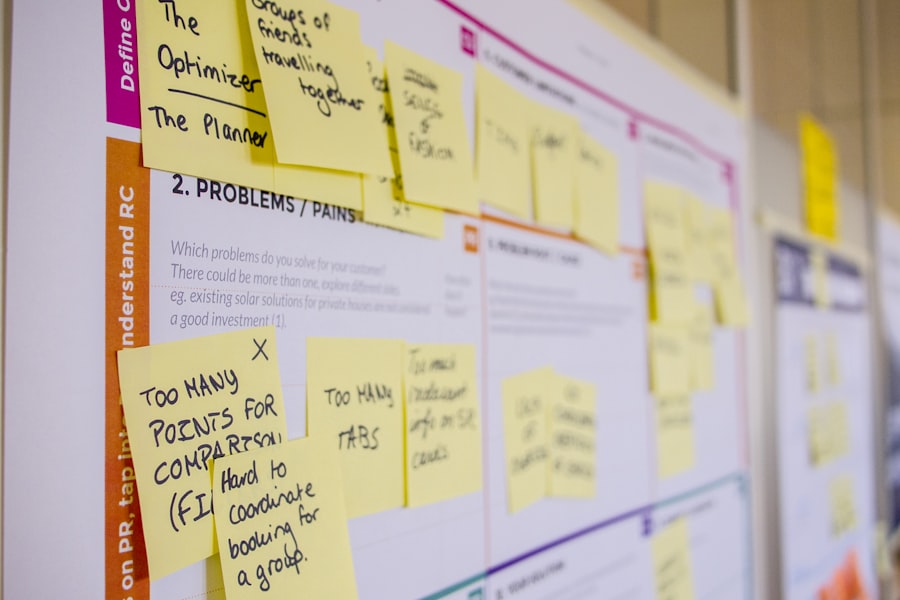
Design plays a pivotal role in revolutionizing user experience by transforming how users interact with products and services. A well-thought-out design can simplify complex processes, making them more intuitive and accessible. For instance, consider the evolution of e-commerce websites.
Early online shopping experiences were often cumbersome, requiring users to navigate through multiple pages and forms. However, modern design principles have streamlined these processes, incorporating features like one-click purchasing and personalized recommendations that enhance user satisfaction. Moreover, design is not just about aesthetics; it encompasses functionality and usability as well.
A prime example is the introduction of responsive web design, which allows websites to adapt seamlessly to various screen sizes and orientations. This adaptability ensures that users have a consistent experience across devices, whether they are using a smartphone, tablet, or desktop computer. By prioritizing design in the development process, companies can create products that not only meet user needs but also exceed their expectations.
The Impact of Design on User Engagement
| Design Element | Metric | Impact on User Engagement | Example Data |
|---|---|---|---|
| Color Scheme | Click-Through Rate (CTR) | Improved color contrast increases CTR by making calls-to-action more noticeable | CTR increased from 2.5% to 3.8% after color update |
| Typography | Average Session Duration | Readable fonts increase time users spend on site | Session duration rose from 3:20 to 4:10 minutes |
| Layout | Bounce Rate | Clear and intuitive layout reduces bounce rate by improving navigation | Bounce rate dropped from 55% to 40% |
| Loading Speed | User Retention | Faster loading times keep users engaged and reduce drop-offs | Retention improved by 15% after speed optimization |
| Interactive Elements | Engagement Rate | Interactive features like animations and buttons increase user interaction | Engagement rate increased from 30% to 45% |
The impact of design on user engagement cannot be overstated. Engaging design captures users’ attention and encourages them to interact with a product or service more deeply. For instance, gamification elements—such as points, badges, and leaderboards—have been integrated into various applications to enhance user engagement.
These elements tap into users’ intrinsic motivations, making interactions more enjoyable and rewarding. Furthermore, effective design fosters emotional connections between users and products. When users feel a sense of belonging or attachment to a brand due to its thoughtful design choices, they are more likely to engage consistently.
For example, brands like Apple have cultivated a loyal customer base through their commitment to sleek design and user-friendly interfaces. This emotional engagement translates into higher retention rates and increased customer loyalty, ultimately benefiting the brand’s bottom line.
Designing for Emotion: The Psychology of User Experience
Designing for emotion is an essential aspect of creating a compelling user experience. Emotions play a significant role in how users perceive and interact with products. Research in psychology has shown that positive emotional experiences can lead to increased satisfaction and loyalty.
Therefore, UX designers must consider how their designs evoke emotions through visual elements, interactions, and overall usability. Color psychology is one area where designers can influence user emotions effectively. For instance, warm colors like red and orange can evoke feelings of excitement or urgency, while cooler colors like blue and green tend to promote calmness and trust.
Additionally, incorporating storytelling elements into design can create an emotional narrative that resonates with users on a personal level. By understanding the psychological underpinnings of user behavior, designers can craft experiences that not only meet functional needs but also connect with users on an emotional level.
The Importance of User-Centered Design
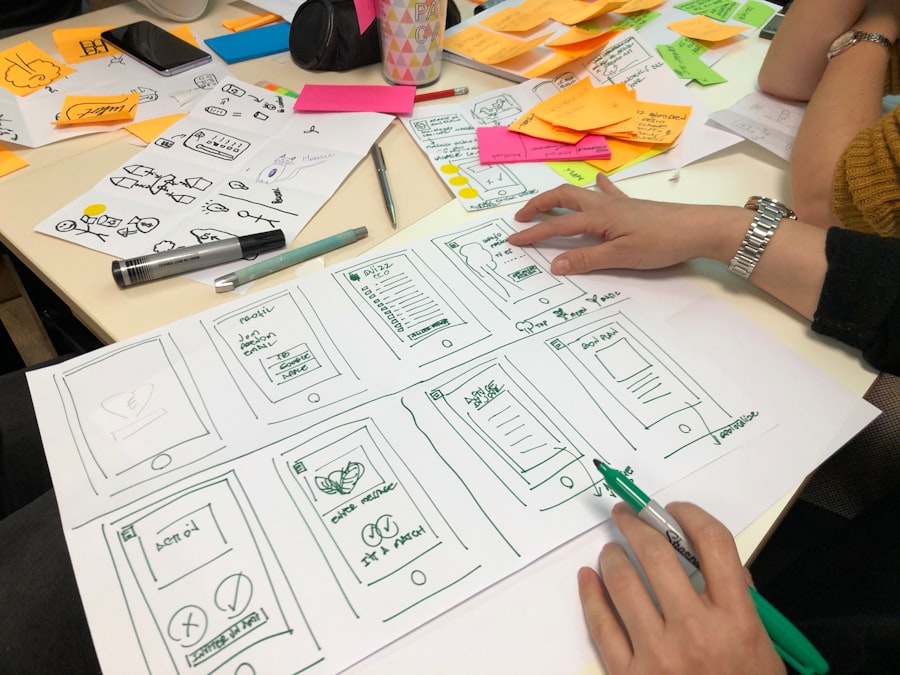
User-Centered Design (UCD) is a fundamental principle in UX Design that emphasizes placing the user at the forefront of the design process. This approach involves actively involving users throughout all stages of product development—from initial research to final testing—to ensure that their needs and preferences are adequately addressed. By prioritizing user feedback and insights, designers can create solutions that are tailored to real-world use cases.
One significant advantage of UCD is its ability to reduce the risk of product failure. When designers engage with users early on, they can identify potential issues or misunderstandings before they become costly problems in later stages of development. For example, companies like IDEO have successfully implemented UCD principles in their design processes, resulting in innovative products that resonate with users.
By fostering a culture of empathy and understanding within design teams, organizations can create products that truly serve their intended audience.
The Intersection of Technology and User Experience
The intersection of technology and user experience is an ever-evolving landscape that presents both challenges and opportunities for designers. As technology advances at an unprecedented pace, UX designers must stay abreast of emerging trends and tools that can enhance user experiences. For instance, artificial intelligence (AI) has begun to play a significant role in personalizing user interactions by analyzing data patterns to deliver tailored content or recommendations.
Moreover, advancements in voice recognition technology have led to the rise of voice-activated interfaces, changing how users interact with devices. Designers must consider how these technologies impact usability and accessibility while ensuring that they align with user expectations.
Designing for Accessibility and Inclusivity
Designing for accessibility and inclusivity is crucial in creating user experiences that cater to diverse audiences. Accessibility ensures that individuals with disabilities can interact with products effectively, while inclusivity broadens the scope to consider various cultural backgrounds, languages, and preferences. Adhering to accessibility standards such as the Web Content Accessibility Guidelines (WCAG) is essential for creating digital products that are usable by everyone.
For example, incorporating features like screen reader compatibility for visually impaired users or providing alternative text for images can significantly enhance accessibility. Additionally, inclusive design practices involve considering cultural nuances in color choices or language use to ensure that products resonate with a global audience. By prioritizing accessibility and inclusivity in design processes, organizations can foster a sense of belonging among all users while expanding their market reach.
The Future of User Experience Design
The future of User Experience Design is poised for exciting developments as technology continues to advance rapidly. One significant trend is the increasing integration of artificial intelligence into UX processes.
Moreover, as virtual reality (VR) and augmented reality (AR) technologies become more mainstream, UX designers will need to adapt their strategies to create immersive experiences that transcend traditional interfaces. These technologies offer unique opportunities for storytelling and interaction but also present challenges in terms of usability and accessibility. As designers navigate this evolving landscape, they will need to remain agile and open-minded to embrace new possibilities while maintaining a focus on user needs.
Case Studies: How Design has Revolutionized User Experience
Examining case studies provides valuable insights into how design has revolutionized user experience across various industries. One notable example is Airbnb’s platform redesign in 2014. By prioritizing user-centered design principles, Airbnb transformed its interface to make it more intuitive for both hosts and guests.
The redesign included features such as improved search filters and personalized recommendations based on user preferences, resulting in increased bookings and customer satisfaction. Another compelling case study is Spotify’s approach to music discovery through its “Discover Weekly” feature. By leveraging data analytics and machine learning algorithms, Spotify curates personalized playlists for users based on their listening habits.
This innovative design not only enhances user engagement but also fosters emotional connections by introducing users to new music tailored specifically for them.
Implementing Design Thinking in User Experience
Implementing Design Thinking in User Experience involves adopting a human-centered approach that emphasizes empathy, ideation, prototyping, and testing throughout the design process. This methodology encourages teams to collaborate across disciplines while focusing on understanding users’ needs deeply before developing solutions. The first step in Design Thinking is empathizing with users through research methods such as interviews or observations to gain insights into their experiences and pain points.
Once this understanding is established, teams move into ideation sessions where brainstorming leads to innovative solutions that address identified challenges. Prototyping allows designers to create tangible representations of ideas quickly, enabling rapid testing and iteration based on user feedback. By embracing Design Thinking principles within UX processes, organizations can foster a culture of innovation while ensuring that products are genuinely aligned with user needs.
This iterative approach not only enhances creativity but also leads to more effective solutions that resonate with users on multiple levels. In summary, User Experience Design is an intricate field that combines psychology, technology, and creativity to create meaningful interactions between users and products. As it continues to evolve alongside technological advancements and societal changes, its principles remain rooted in understanding human behavior and fostering connections through thoughtful design.
FAQs
What is user experience (UX)?
User experience (UX) refers to the overall experience a person has when interacting with a product, system, or service. It encompasses all aspects of the end-user’s interaction, including usability, accessibility, performance, design, and emotional response.
Why is user experience important?
User experience is important because it directly impacts user satisfaction, engagement, and loyalty. A positive UX can lead to increased customer retention, higher conversion rates, and a competitive advantage, while a poor UX can result in frustration and loss of users.
What are the key components of user experience?
The key components of user experience include usability (ease of use), accessibility (availability to all users), information architecture (organization of content), interaction design (how users interact with the product), visual design, and user research.
How is user experience different from user interface (UI)?
User experience (UX) focuses on the overall feel and functionality of a product, while user interface (UI) specifically refers to the visual elements and interactive components that users engage with. UX is broader and includes UI as one of its parts.
What methods are used to improve user experience?
Common methods to improve UX include user research (surveys, interviews, usability testing), prototyping, user journey mapping, A/B testing, and iterative design based on user feedback.
Who is responsible for user experience in a project?
Typically, UX designers, researchers, product managers, and developers collaborate to ensure a good user experience. UX designers often lead the process of designing and testing user interactions.
Can user experience be measured?
Yes, user experience can be measured using qualitative and quantitative methods such as usability testing, user satisfaction surveys, Net Promoter Score (NPS), task success rate, and analytics data like bounce rates and session duration.
What industries benefit from focusing on user experience?
Almost all industries benefit from focusing on UX, including technology, healthcare, finance, education, retail, and entertainment, as it helps create products and services that meet user needs effectively.
How does accessibility relate to user experience?
Accessibility is a crucial part of UX that ensures products are usable by people with disabilities. Incorporating accessibility improves overall user experience by making products inclusive and easy to use for a wider audience.
What tools are commonly used in user experience design?
Common UX design tools include wireframing and prototyping software like Sketch, Figma, Adobe XD, usability testing platforms like UserTesting, and analytics tools such as Google Analytics and Hotjar.




0 Comments