





Before diving into any project, it’s crucial to grasp what the client truly wants to achieve. This means having open conversations to uncover their goals and objectives. Are they looking to increase sales, build brand awareness, or perhaps improve customer retention? Each of these goals requires a different approach, so understanding the nuances is key.
Engaging with clients through detailed discussions can help clarify their vision. It’s not just about asking what they want; it’s about understanding why they want it. This deeper insight allows you to align your strategies with their business objectives, ensuring that every step taken is purposeful and directed toward achieving those goals.
Key Takeaways
- Understanding the client’s goals and objectives is crucial for creating a successful digital marketing strategy.
- Mapping out the customer journey helps in identifying touchpoints and creating a seamless experience for the customers.
- Creating compelling and relevant content is essential for engaging the target audience and driving conversions.
- Designing a user-friendly website interface enhances the overall user experience and encourages interaction.
- Implementing clear call-to-actions helps in guiding the customers towards the desired actions and improving conversion rates.
Mapping Out the Customer Journey
Once you have a clear understanding of the client’s objectives, the next step is to map out the customer journey. This involves identifying all the touchpoints a customer has with the brand, from initial awareness to post-purchase interactions. By visualizing this journey, you can pinpoint where customers might encounter obstacles or drop off.
Creating a detailed customer journey map helps in recognizing the emotions and motivations of customers at each stage. It’s essential to consider factors like how they discover the brand, what influences their decision-making, and how they feel after making a purchase. This comprehensive view allows for targeted strategies that enhance the overall experience and guide customers smoothly through the funnel.
Creating Compelling and Relevant Content

Content is at the heart of engaging customers and driving conversions. It’s not enough to simply produce content; it needs to be compelling and relevant to the audience. This means understanding what resonates with them—what questions they have, what problems they face, and what solutions they seek.
Crafting content that addresses these needs can significantly impact customer engagement. Whether it’s blog posts, videos, or social media updates, each piece should provide value and encourage interaction.
Additionally, using storytelling techniques can make the content more relatable and memorable, helping to forge a connection between the brand and its audience.
Designing a User-Friendly Website Interface
A user-friendly website interface is essential for keeping visitors engaged and guiding them toward conversion. The design should be intuitive, allowing users to navigate easily without confusion. This includes clear menus, logical layouts, and a visually appealing aesthetic that aligns with the brand’s identity.
Moreover, mobile responsiveness is crucial in today’s digital landscape. Many users access websites via their smartphones, so ensuring that the site functions seamlessly across devices is vital. A well-designed interface not only enhances user experience but also builds trust and credibility, encouraging visitors to explore further.
Implementing Clear Call-to-Actions
| Stage | Visitors | Leads | Opportunities | Customers |
|---|---|---|---|---|
| Top of Funnel | 10,000 | 1,000 | 300 | 100 |
| Middle of Funnel | – | 800 | 200 | 80 |
| Bottom of Funnel | – | – | 150 | 150 |
Call-to-actions (CTAs) are pivotal in guiding users toward desired actions, whether it’s signing up for a newsletter or making a purchase. Clear and compelling CTAs can significantly influence conversion rates. They should be strategically placed throughout the website and crafted in a way that resonates with the audience.
Using action-oriented language can make CTAs more effective. Phrases like “Get Started,” “Join Now,” or “Shop Today” create a sense of urgency and encourage users to take the next step. Additionally, ensuring that CTAs stand out visually—through contrasting colors or larger buttons—can draw attention and increase click-through rates.
Utilizing A/B Testing to Optimize Conversion Rates
A/B testing is a powerful tool for optimizing conversion rates by comparing two versions of a webpage or element to see which performs better. This method allows you to make data-driven decisions rather than relying on assumptions. By testing different headlines, images, or layouts, you can identify what resonates most with your audience.
The key to successful A/B testing is to focus on one variable at a time. This ensures that any changes in performance can be attributed directly to that specific element. Over time, these small adjustments can lead to significant improvements in conversion rates, ultimately helping clients achieve their goals more effectively.
Leveraging Data Analytics for Insights
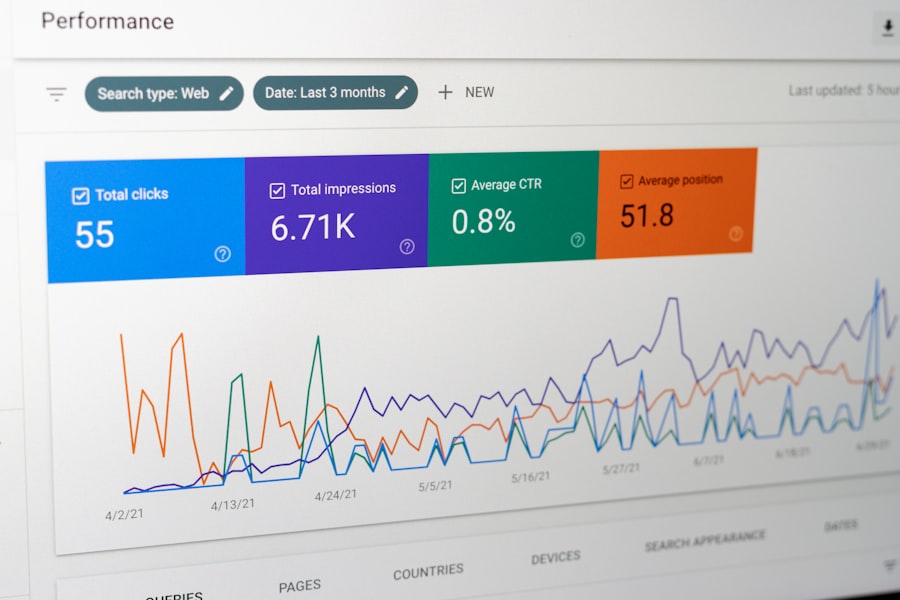
Data analytics plays a crucial role in understanding customer behavior and refining marketing strategies. By analyzing metrics such as website traffic, bounce rates, and conversion rates, you can gain valuable insights into how users interact with the site. This information can inform decisions on where to focus efforts for improvement.
Utilizing tools like Google Analytics can provide a wealth of data that helps identify trends and patterns. For instance, if certain pages have high bounce rates, it may indicate that the content isn’t meeting user expectations or that there are usability issues. By continuously monitoring these metrics, you can make informed adjustments that enhance the overall user experience.
Streamlining the Checkout Process
A smooth checkout process is critical for reducing cart abandonment rates and increasing conversions. If customers encounter friction during checkout—whether it’s complicated forms or unexpected fees—they’re likely to abandon their carts. Simplifying this process can significantly improve conversion rates.
Consider implementing features like guest checkout options, auto-fill for returning customers, and clear progress indicators throughout the checkout process. Additionally, being transparent about shipping costs and delivery times upfront can help manage customer expectations and reduce surprises at checkout.
Personalizing the User Experience
Personalization is becoming increasingly important in today’s digital landscape. Tailoring the user experience based on individual preferences and behaviors can create a more engaging environment for customers.
This could involve recommending products based on past purchases or displaying personalized content based on user interests.
Using data collected from user interactions allows for more targeted marketing efforts. For example, sending personalized emails with product recommendations or special offers can enhance customer loyalty and drive repeat purchases. The more relevant the experience feels to users, the more likely they are to engage with the brand.
Providing Excellent Customer Support
Customer support plays a vital role in building trust and loyalty among users. Providing multiple channels for support—such as live chat, email, and phone—ensures that customers can reach out in a way that suits them best. Quick response times and knowledgeable representatives can significantly enhance the overall customer experience.
Additionally, offering self-service options like FAQs or chatbots can empower customers to find answers independently. This not only improves satisfaction but also frees up support staff to handle more complex inquiries. Ultimately, excellent customer support fosters positive relationships and encourages repeat business.
Continuously Monitoring and Adjusting the Funnel for Improvement
The digital landscape is constantly evolving, making it essential to continuously monitor and adjust your marketing funnel for improvement. Regularly reviewing performance metrics allows you to identify areas that may need tweaking or optimization.
Staying agile means being open to change based on new data or emerging trends. Whether it’s adjusting content strategies or refining user interfaces, being proactive in making improvements can lead to sustained success over time. By fostering a culture of continuous improvement, you ensure that your strategies remain effective in meeting client goals while adapting to shifting market dynamics.
In conclusion, building an effective marketing funnel requires a comprehensive approach that encompasses understanding client goals, mapping customer journeys, creating relevant content, designing user-friendly interfaces, implementing clear CTAs, utilizing A/B testing, leveraging data analytics, streamlining checkout processes, personalizing experiences, providing excellent support, and continuously monitoring performance. Each of these elements plays a crucial role in driving conversions and achieving long-term success for clients in an ever-changing digital landscape.
FAQs
What is a website funnel analysis?
A website funnel analysis is the process of examining the steps a user takes on a website, from initial visit to conversion, in order to identify areas for improvement and optimization.
Why is website funnel analysis important for clients?
Website funnel analysis is important for clients because it helps them understand how users are interacting with their website, where they may be losing potential customers, and how to improve the overall user experience to increase conversions.
What are the key metrics used in website funnel analysis?
Key metrics used in website funnel analysis include traffic sources, bounce rate, conversion rate, average time on page, and exit pages. These metrics help identify where users are dropping off in the funnel and where improvements can be made.
How is website funnel analysis conducted for clients?
Website funnel analysis for clients is typically conducted using web analytics tools such as Google Analytics or Adobe Analytics. These tools provide data on user behavior, traffic sources, and conversion tracking, which can be used to analyze the website funnel.
What are the benefits of website funnel analysis for clients?
The benefits of website funnel analysis for clients include improved understanding of user behavior, identification of areas for optimization, increased conversions, and ultimately, improved return on investment for their website.




0 Comments