




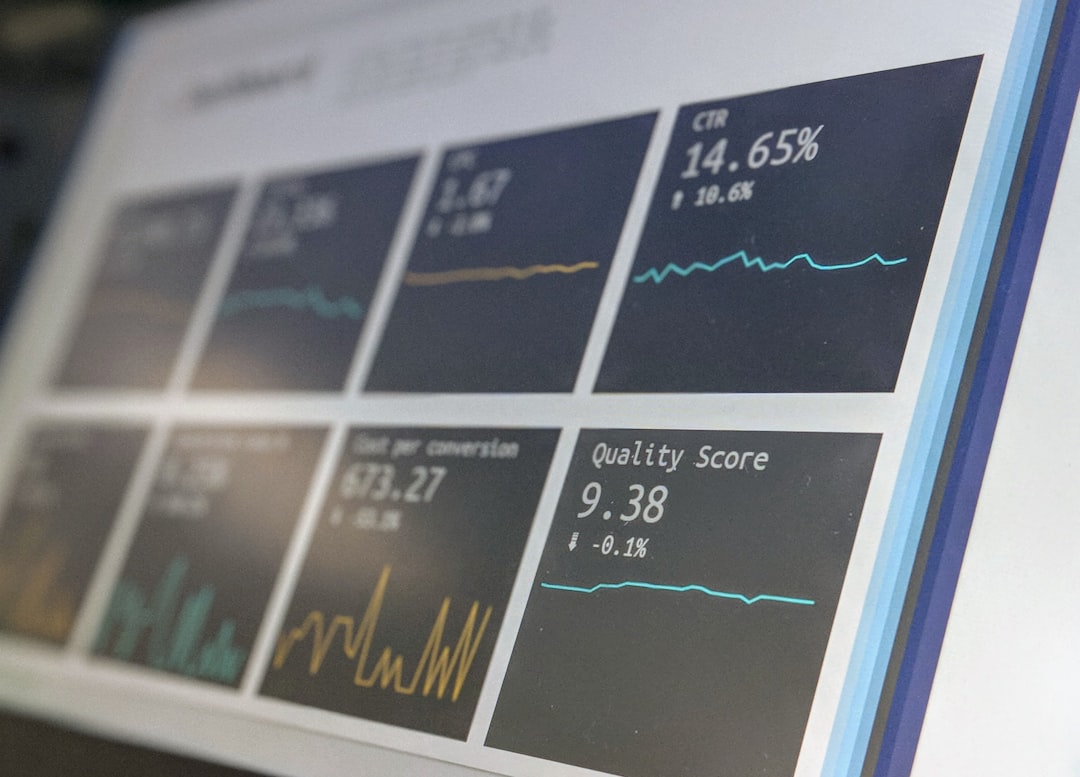
Behavior analytics is a powerful tool that helps businesses understand how customers interact with their products and services. At its core, it involves collecting and analyzing data on customer actions, preferences, and patterns. This data can come from various sources, including website interactions, social media engagement, and purchase history. By examining these behaviors, companies can gain valuable insights into what drives customer decisions and how they can improve their offerings.
The process of behavior analytics goes beyond just tracking clicks or purchases. It delves into the motivations behind customer actions, allowing businesses to create a more nuanced picture of their audience. For instance, understanding why a customer abandoned their shopping cart can lead to targeted strategies that address those specific concerns. This level of insight is crucial for developing effective marketing strategies that resonate with customers on a deeper level.
Key Takeaways
- Behavior analytics helps in understanding customer behavior and preferences to make informed marketing decisions.
- Data plays a crucial role in developing effective marketing strategies and understanding customer behavior.
- Leveraging customer insights allows for targeted marketing and personalized communication with customers.
- Personalization and customization in marketing can lead to higher customer engagement and conversion rates.
- Tracking customer journeys and touchpoints helps in understanding the customer experience and optimizing marketing efforts.
The Importance of Data in Marketing Strategies
Data is the backbone of modern marketing strategies. In an age where consumers are bombarded with information, having access to accurate and relevant data allows businesses to cut through the noise. By leveraging data, companies can identify trends, understand customer preferences, and make informed decisions that enhance their marketing efforts. This not only improves the effectiveness of campaigns but also ensures that resources are allocated efficiently.
Moreover, data-driven marketing enables businesses to measure the success of their strategies in real-time. By analyzing key performance indicators (KPIs), companies can quickly determine what’s working and what isn’t. This agility allows for timely adjustments, ensuring that marketing efforts remain aligned with customer needs and market dynamics. In essence, data transforms marketing from a guessing game into a strategic endeavor grounded in evidence.
Leveraging Customer Insights for Targeted Marketing

Customer insights are invaluable for crafting targeted marketing campaigns. By analyzing behavior analytics data, businesses can segment their audience based on various criteria such as demographics, purchasing habits, and engagement levels. This segmentation allows for more personalized messaging that speaks directly to the interests and needs of different customer groups.
For example, if a company notices that a segment of its audience frequently purchases eco-friendly products, it can tailor its marketing messages to highlight sustainability initiatives. This targeted approach not only increases the likelihood of conversion but also fosters a sense of connection between the brand and its customers. When consumers feel understood and valued, they are more likely to engage with the brand and become loyal advocates.
Personalization and Customization in Marketing

Personalization has become a buzzword in marketing, but it’s more than just a trend; it’s a necessity in today’s competitive landscape. Customers expect brands to understand their preferences and deliver tailored experiences. This is where behavior analytics plays a crucial role. By analyzing past interactions, businesses can create personalized recommendations that enhance the customer experience.
Customization goes a step further by allowing customers to have a say in how they interact with a brand. For instance, offering customizable product options or personalized content can significantly improve engagement rates. When customers feel they have control over their experience, they are more likely to invest time and resources into the brand. This not only boosts customer satisfaction but also drives repeat business.
Tracking Customer Journeys and Touchpoints
| Metrics | Description |
|---|---|
| Conversion Rate | The percentage of website visitors who take a desired action, such as making a purchase or filling out a form. |
| Bounce Rate | The percentage of visitors who navigate away from the site after viewing only one page. |
| Time on Page | The average amount of time visitors spend on a specific page. |
| Click-Through Rate (CTR) | The percentage of people who click on a specific link out of the total number of people who see it. |
| Engagement Rate | The measure of how much people interact with a piece of content, such as likes, comments, and shares. |
Understanding the customer journey is essential for effective marketing. Each touchpoint—whether it’s an ad, social media post, or email—plays a role in shaping the customer’s perception of a brand. By tracking these interactions through behavior analytics, businesses can identify which touchpoints are most effective in guiding customers toward conversion.
Mapping out the customer journey also helps in identifying potential pain points where customers may drop off. For example, if analytics reveal that many users abandon their carts after viewing shipping costs, businesses can address this issue by offering free shipping or clearer pricing information upfront. By optimizing each touchpoint based on data insights, companies can create a smoother journey that encourages conversions.
A/B Testing and Optimization
A/B testing is a practical method for optimizing marketing strategies based on behavior analytics. This technique involves comparing two versions of a marketing asset—such as an email or landing page—to see which performs better. By analyzing customer responses to each version, businesses can make data-driven decisions about what resonates most with their audience.
The beauty of A/B testing lies in its ability to provide clear insights into customer preferences. For instance, if one email subject line leads to significantly higher open rates than another, it’s a clear indicator of what captures attention. Continuous testing and optimization allow businesses to refine their strategies over time, ensuring that they remain relevant and effective in engaging their audience.
Predictive Analytics for Anticipating Customer Behavior
Predictive analytics takes behavior analytics a step further by using historical data to forecast future customer actions. By employing algorithms and statistical models, businesses can identify patterns that indicate how customers are likely to behave in the future. This foresight is invaluable for planning marketing strategies and inventory management.
For example, if predictive analytics show that certain products tend to sell well during specific seasons, businesses can adjust their marketing efforts accordingly.
They can ramp up promotions ahead of time or ensure adequate stock levels to meet anticipated demand.
By anticipating customer behavior, companies can stay one step ahead of the competition and enhance overall customer satisfaction.
Utilizing Behavioral Segmentation for Effective Targeting
Behavioral segmentation involves dividing customers into groups based on their actions rather than just demographic information. This approach allows businesses to tailor their marketing efforts more precisely to different segments’ needs and preferences. For instance, customers who frequently engage with a brand on social media may respond better to interactive campaigns than those who prefer email communication.
By utilizing behavioral segmentation, companies can create highly targeted campaigns that resonate with specific groups. This not only improves engagement rates but also enhances the overall effectiveness of marketing efforts. When customers receive messages that align with their behaviors and interests, they are more likely to respond positively.
Measuring and Analyzing Customer Engagement
Measuring customer engagement is crucial for understanding how well marketing strategies are performing. Engagement metrics—such as click-through rates, time spent on site, and social media interactions—provide insights into how customers are interacting with content and campaigns. By analyzing these metrics through behavior analytics, businesses can identify areas for improvement.
For example, if engagement metrics indicate low interaction rates with certain content types, it may be time to reevaluate the approach. Perhaps the content isn’t resonating with the audience or isn’t being promoted effectively. By continuously measuring and analyzing engagement levels, companies can adapt their strategies to better meet customer expectations.
Improving Conversion Rates with Behavior Analytics
Ultimately, the goal of any marketing strategy is to drive conversions. Behavior analytics plays a pivotal role in improving conversion rates by providing insights into what influences customer decisions. By understanding the factors that lead to conversions—such as website design, product placement, or promotional offers—businesses can make informed adjustments to their strategies.
For instance, if analytics reveal that users are more likely to convert when presented with limited-time offers, businesses can implement urgency-driven campaigns to encourage quicker decision-making. By leveraging behavior analytics to optimize conversion pathways, companies can significantly enhance their bottom line while providing value to customers.
Implementing Behavior Analytics in Multi-channel Marketing Strategies
In today’s digital landscape, customers interact with brands across multiple channels—be it social media, email, or websites. Implementing behavior analytics in multi-channel marketing strategies allows businesses to create cohesive experiences that resonate across platforms. By tracking customer interactions across channels, companies can gain a comprehensive understanding of how different touchpoints influence overall engagement.
This holistic view enables businesses to tailor their messaging based on where customers are in their journey. For example, if a customer engages with a brand on social media but hasn’t made a purchase yet, targeted email campaigns can be designed to nurture that relationship further. By integrating behavior analytics into multi-channel strategies, companies can ensure that they deliver consistent and relevant experiences that drive conversions across all platforms.
In conclusion, behavior analytics is an essential component of modern marketing strategies. By understanding customer behaviors and leveraging data-driven insights, businesses can create targeted campaigns that resonate with their audience while optimizing conversion rates and enhancing overall engagement. As consumer expectations continue to evolve, embracing behavior analytics will be key to staying competitive in an ever-changing marketplace.
FAQs
What is behavior analytics for marketing teams?
Behavior analytics for marketing teams is the process of using data and technology to analyze and understand consumer behavior. This includes tracking and analyzing how consumers interact with a company’s website, social media, and other digital platforms to gain insights that can be used to improve marketing strategies.
How can behavior analytics benefit marketing teams?
Behavior analytics can benefit marketing teams by providing valuable insights into consumer preferences, interests, and purchasing behavior. This information can be used to create more targeted and personalized marketing campaigns, improve customer engagement, and ultimately increase sales and revenue.
What are some common tools used for behavior analytics in marketing?
Common tools used for behavior analytics in marketing include web analytics platforms such as Google Analytics, social media analytics tools, customer relationship management (CRM) systems, and marketing automation software. These tools help marketing teams track and analyze consumer behavior across various digital channels.
What are some key metrics that behavior analytics can track for marketing teams?
Behavior analytics can track a variety of key metrics for marketing teams, including website traffic, page views, bounce rates, conversion rates, click-through rates, social media engagement, email open rates, and customer retention rates. These metrics provide valuable insights into consumer behavior and the effectiveness of marketing efforts.
How can marketing teams use behavior analytics to improve their strategies?
Marketing teams can use behavior analytics to improve their strategies by identifying trends and patterns in consumer behavior, understanding the customer journey, targeting specific audience segments, personalizing marketing messages, optimizing website and content performance, and measuring the impact of marketing campaigns. This data-driven approach can help marketing teams make more informed decisions and achieve better results.




0 Comments