





The customer journey refers to the complete experience a consumer has with a brand, from the initial awareness of a product or service to the final purchase and beyond. This journey encompasses various stages, including awareness, consideration, decision-making, and post-purchase evaluation. Each stage is influenced by multiple factors, such as marketing efforts, customer service interactions, and personal experiences. Understanding this journey is crucial for businesses as it allows them to identify how customers interact with their brand and what influences their decisions.
Mapping the customer journey involves analyzing touchpoints where customers engage with a brand. These touchpoints can include social media interactions, website visits, email communications, and in-store experiences. By understanding these interactions, businesses can gain insights into customer preferences and behaviors. This knowledge enables companies to tailor their marketing strategies and improve overall customer satisfaction. A well-defined customer journey not only helps in understanding consumer behavior but also aids in creating a more cohesive brand experience.
Key Takeaways
- Tracking the customer journey is essential for understanding and improving ecommerce performance.
- Implementing effective tracking tools helps analyze customer behavior and identify pain points.
- Personalizing the customer experience based on journey insights boosts engagement and conversion rates.
- Retargeting strategies can re-engage customers and enhance sales opportunities.
- Continuous data-driven optimization ensures ecommerce strategies remain effective and adaptive.
Importance of Customer Journey Tracking in Ecommerce
In the realm of ecommerce, tracking the customer journey is particularly vital due to the digital nature of transactions. Unlike traditional retail, where physical interactions can provide immediate feedback, online shopping requires a more nuanced approach to understanding customer behavior. Tracking allows businesses to gather data on how customers navigate their websites, which products they view, and where they abandon their carts. This information is essential for optimizing the online shopping experience.
Moreover, customer journey tracking helps ecommerce businesses identify trends and patterns that may not be immediately apparent. For instance, analyzing data can reveal that customers frequently abandon their carts at a specific point in the checkout process. By understanding these behaviors, businesses can make informed decisions to streamline the process and reduce friction. Ultimately, effective tracking leads to improved customer retention and increased sales, making it a critical component of any ecommerce strategy.
Implementing Customer Journey Tracking Tools

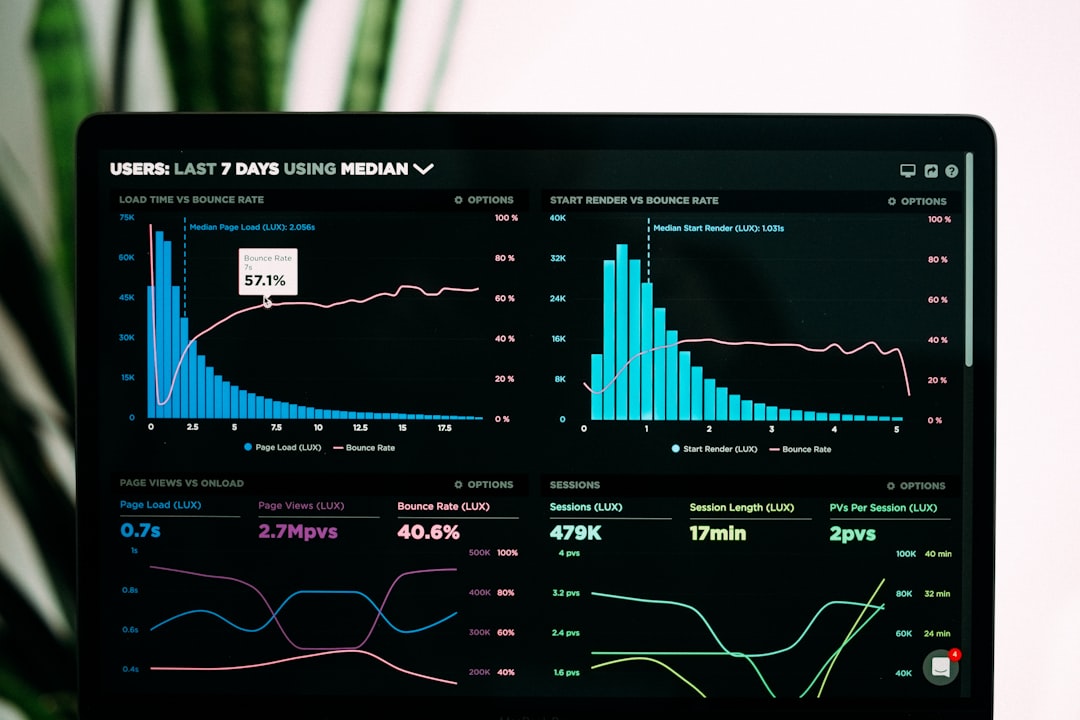
To effectively track the customer journey, ecommerce businesses must implement appropriate tools and technologies. Various analytics platforms are available that can help organizations monitor user behavior across different channels. These tools can provide insights into website traffic, user engagement, and conversion rates.
Google Analytics, for example, offers comprehensive tracking capabilities that allow businesses to analyze customer interactions in detail.
In addition to web analytics tools, businesses may also consider customer relationship management (CRM) systems that integrate with their ecommerce platforms. These systems can help track customer interactions over time, providing a holistic view of the customer journey. By combining data from various sources, companies can create more accurate profiles of their customers and tailor their marketing efforts accordingly. The implementation of these tools requires careful planning and consideration of the specific needs of the business to ensure they provide actionable insights.
Analyzing Customer Behavior and Patterns

Once customer journey tracking tools are in place, the next step is to analyze the data collected. This analysis involves looking for patterns in customer behavior that can inform business decisions. For instance, businesses may discover that certain demographics are more likely to convert at specific times of the day or that particular products are frequently viewed together. Identifying these patterns allows companies to optimize their marketing strategies and product offerings.
Furthermore, analyzing customer behavior can reveal insights into customer preferences and pain points. For example, if data shows that customers often spend a significant amount of time on a product page but do not complete a purchase, it may indicate that additional information or incentives are needed to encourage conversion. By understanding these behaviors, businesses can make targeted improvements to their websites and marketing campaigns, ultimately enhancing the overall customer experience.
Personalizing the Customer Experience
| Metric | Description | Importance | Typical Value Range | Tools to Track |
|---|---|---|---|---|
| Customer Acquisition Cost (CAC) | Average cost to acquire a new customer | High – impacts profitability | Varies by industry and channel | Google Analytics, HubSpot, Mixpanel |
| Conversion Rate | Percentage of visitors who complete a purchase | High – measures effectiveness of sales funnel | 1% – 5% typical for ecommerce | Google Analytics, Shopify Analytics |
| Average Order Value (AOV) | Average amount spent per order | Medium – helps optimize revenue per transaction | Varies widely by product category | Shopify, Magento, Google Analytics |
| Customer Lifetime Value (CLV) | Projected revenue from a customer over their lifetime | High – guides marketing spend and retention efforts | Depends on repeat purchase rate and retention | HubSpot, Kissmetrics, Salesforce |
| Cart Abandonment Rate | Percentage of shoppers who add items to cart but do not purchase | High – indicates friction in checkout process | 60% – 80% typical | Google Analytics, Shopify, Magento |
| Time to Purchase | Average time from first visit to completed purchase | Medium – helps understand customer decision cycle | Hours to weeks depending on product | Google Analytics, Mixpanel |
| Repeat Purchase Rate | Percentage of customers who make more than one purchase | High – indicates customer loyalty | 20% – 40% typical | Shopify, Klaviyo, Google Analytics |
| Customer Journey Touchpoints | Number of interactions before purchase | Medium – helps optimize marketing channels | 3 – 7 touchpoints typical | Google Analytics, HubSpot, Mixpanel |
Personalization is a key aspect of enhancing the customer journey in ecommerce. By leveraging data collected through tracking tools, businesses can create tailored experiences for individual customers. This can include personalized product recommendations based on past purchases or browsing history, as well as targeted marketing messages that resonate with specific segments of the audience. Personalization not only improves customer satisfaction but also increases the likelihood of repeat purchases.
Additionally, personalized communication plays a significant role in building customer loyalty. Sending tailored emails or messages that address customers by name and offer relevant promotions can foster a sense of connection between the brand and the consumer. This approach encourages customers to engage more deeply with the brand and can lead to higher conversion rates. As consumers increasingly expect personalized experiences, businesses that prioritize this aspect of the customer journey are likely to see positive results.
Optimizing Conversion Rates
Optimizing conversion rates is a primary goal for ecommerce businesses, and understanding the customer journey is essential for achieving this objective. By analyzing data on how customers interact with their websites, businesses can identify areas where potential buyers drop off in the purchasing process. This could involve simplifying navigation, improving product descriptions, or enhancing the checkout process to reduce friction.
A/B testing is another effective strategy for optimizing conversion rates. By testing different versions of web pages or marketing messages, businesses can determine which variations resonate best with their audience. This iterative approach allows companies to make data-driven decisions that enhance user experience and drive sales. Ultimately, optimizing conversion rates requires a continuous effort to understand customer behavior and adapt strategies accordingly.
Identifying Pain Points in the Customer Journey
Identifying pain points within the customer journey is crucial for improving overall satisfaction and driving conversions. Pain points are specific challenges or obstacles that customers encounter while interacting with a brand. These could range from complicated navigation on a website to lengthy checkout processes or inadequate customer support. Recognizing these issues allows businesses to address them proactively.
Customer feedback is an invaluable resource for identifying pain points. Surveys, reviews, and direct communication with customers can provide insights into their experiences and highlight areas for improvement. Additionally, analyzing data from tracking tools can reveal patterns indicating where customers commonly experience difficulties. By addressing these pain points effectively, businesses can enhance the customer journey and foster greater loyalty among their clientele.
Retargeting and Re-engaging Customers
Retargeting is a powerful strategy for re-engaging customers who have previously interacted with a brand but did not complete a purchase.
By utilizing tracking data, businesses can identify users who have shown interest in specific products or services but have not followed through with a transaction.
Retargeting ads can then be deployed across various platforms to remind these potential customers of their interest and encourage them to return.
Re-engagement strategies can also include personalized email campaigns targeting previous customers with special offers or updates on new products related to their past purchases. This approach not only helps bring back lost sales but also reinforces brand loyalty by keeping customers informed and engaged with the brand’s offerings. Effective retargeting requires careful segmentation of audiences based on their behaviors and preferences to ensure that messaging resonates with them.
Measuring the Success of Customer Journey Tracking
Measuring the success of customer journey tracking involves evaluating key performance indicators (KPIs) that reflect how well a business understands and responds to its customers’ needs. Metrics such as conversion rates, average order value, and customer retention rates provide valuable insights into the effectiveness of tracking efforts. Additionally, monitoring engagement metrics like time spent on site or bounce rates can indicate how well customers are navigating their journey.
Regularly reviewing these metrics allows businesses to assess whether their strategies are yielding positive results or if adjustments are necessary. It is important to establish benchmarks for success based on historical data and industry standards to provide context for performance evaluations. By continuously measuring success, companies can refine their approaches and ensure they remain aligned with evolving customer expectations.
Leveraging Data for Marketing and Sales Strategies
Data collected from tracking the customer journey serves as a foundation for developing effective marketing and sales strategies. By analyzing consumer behavior patterns, businesses can identify opportunities for targeted campaigns that resonate with specific segments of their audience. For instance, understanding which products are frequently viewed together can inform cross-selling strategies that enhance average order value.
Moreover, leveraging data allows businesses to anticipate customer needs and preferences more accurately. Predictive analytics can help identify trends before they become apparent in broader market analysis, enabling companies to stay ahead of competitors. By integrating data-driven insights into marketing efforts, businesses can create more relevant content and offers that drive engagement and conversions.
Continuous Improvement and Adaptation in Ecommerce
The ecommerce landscape is dynamic and constantly evolving due to changes in consumer behavior, technology advancements, and market trends. As such, continuous improvement and adaptation are essential for businesses aiming to succeed in this environment. Regularly revisiting the customer journey allows companies to identify new opportunities for enhancement based on emerging trends or shifts in consumer preferences.
Implementing an agile approach to ecommerce strategy enables businesses to respond quickly to changes in the market or feedback from customers. This may involve testing new features on websites, exploring innovative marketing channels, or adjusting product offerings based on demand fluctuations. By fostering a culture of continuous improvement, ecommerce businesses can remain competitive and better meet the needs of their customers over time.
In conclusion, understanding and tracking the customer journey is integral to success in ecommerce. By implementing effective tracking tools, analyzing behavior patterns, personalizing experiences, optimizing conversion rates, identifying pain points, retargeting customers, measuring success, leveraging data for strategic decisions, and committing to continuous improvement, businesses can enhance their overall performance and build lasting relationships with their customers.
FAQs
What is customer journey tracking in ecommerce?
Customer journey tracking in ecommerce refers to the process of monitoring and analyzing the various interactions a customer has with an online store, from initial awareness to final purchase and beyond. It helps businesses understand customer behavior and optimize the shopping experience.
Why is customer journey tracking important for ecommerce businesses?
Customer journey tracking is important because it provides insights into how customers navigate an ecommerce site, which marketing channels are most effective, and where potential drop-offs occur. This information enables businesses to improve user experience, increase conversions, and boost customer retention.
What tools are commonly used for customer journey tracking in ecommerce?
Common tools for customer journey tracking include Google Analytics, Adobe Analytics, Hotjar, Mixpanel, and customer relationship management (CRM) software. These tools help collect data on user behavior, traffic sources, and conversion paths.
How can ecommerce businesses use customer journey data to improve sales?
Ecommerce businesses can use customer journey data to identify pain points in the buying process, personalize marketing efforts, optimize website design, and tailor product recommendations. This leads to a smoother shopping experience and higher likelihood of purchase.
What challenges might ecommerce businesses face when tracking the customer journey?
Challenges include data privacy concerns, integrating data from multiple sources, accurately attributing conversions to specific touchpoints, and interpreting complex data sets. Overcoming these challenges requires careful planning and the use of advanced analytics tools.



0 Comments