





In the digital landscape, website traffic serves as a vital indicator of a site’s performance and overall health. It reflects the number of visitors engaging with our content, products, or services, and ultimately influences our online success. Without sufficient traffic, even the most beautifully designed websites can languish in obscurity.
We must recognize that traffic is not merely a number; it represents potential customers, leads, and opportunities for growth. By understanding the importance of website traffic, we can better appreciate how it impacts our business objectives and marketing strategies. Moreover, website traffic is a key driver of brand awareness and credibility.
When we attract more visitors, we enhance our visibility in search engines and social media platforms, which can lead to increased trust among our audience. High traffic levels can also create a sense of authority in our niche, making it easier for us to convert visitors into loyal customers. Therefore, focusing on driving quality traffic to our website is essential for building a sustainable online presence and achieving long-term success.
Key Takeaways
- Website traffic is crucial for the success of any online business as it directly impacts visibility, leads, and sales.
- Key analytics metrics such as page views, bounce rate, and conversion rate provide valuable insights into website performance and user behavior.
- Google Analytics is a powerful tool for analyzing website traffic, user demographics, and behavior, and can help in making data-driven decisions.
- Understanding user behavior on the website, such as navigation patterns and time spent on pages, can help in optimizing the user experience and increasing engagement.
- Optimizing landing pages with compelling content, clear call-to-actions, and user-friendly design can significantly increase website traffic and conversions.
Identifying Key Analytics Metrics
To effectively measure and analyze our website traffic, we must first identify the key analytics metrics that matter most to our goals. Metrics such as page views, unique visitors, bounce rate, and average session duration provide us with valuable insights into how users interact with our site. By examining these metrics, we can gauge the effectiveness of our content and marketing efforts, allowing us to make informed decisions about future strategies.
In addition to these fundamental metrics, we should also consider conversion-related data, such as goal completions and conversion rates. These figures help us understand how well our website is performing in terms of turning visitors into customers or leads. By tracking these key analytics metrics over time, we can identify trends and patterns that inform our approach to optimizing our website for better performance.
Utilizing Google Analytics for Website Traffic Analysis
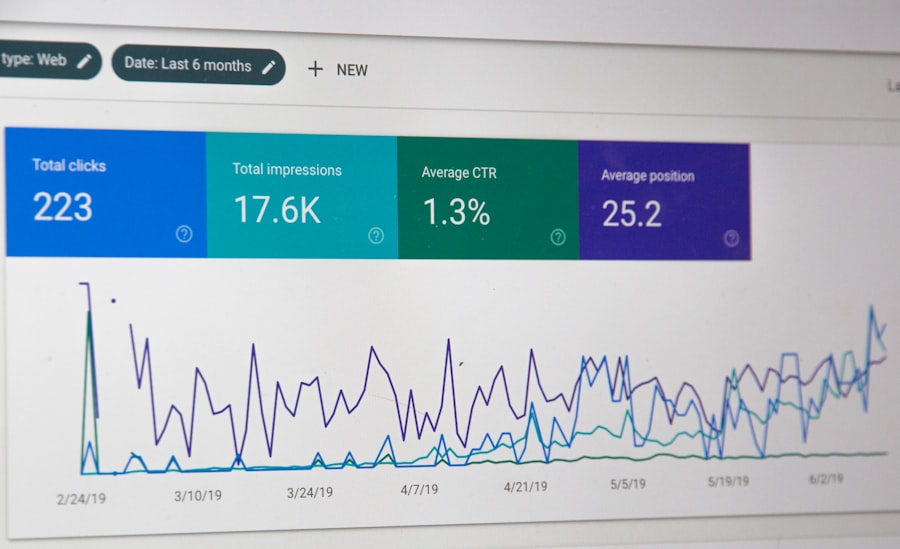
Google Analytics is an indispensable tool for anyone looking to analyze website traffic effectively. With its robust features and user-friendly interface, it allows us to track a wide range of metrics and gain insights into user behavior. By setting up Google Analytics on our website, we can access real-time data about our visitors, including their geographic location, device usage, and referral sources.
This information is crucial for tailoring our marketing strategies to better meet the needs of our audience. Furthermore, Google Analytics provides us with the ability to create custom reports and dashboards that focus on the metrics that matter most to us. We can segment our audience based on various criteria, such as demographics or behavior, enabling us to understand different user groups more deeply.
By leveraging the power of Google Analytics, we can make data-driven decisions that enhance our website’s performance and drive more targeted traffic.
Analyzing User Behavior on Your Website
| Page | Number of Visits | Time Spent | Bounce Rate |
|---|---|---|---|
| Homepage | 1500 | 2 minutes | 40% |
| Product Page | 800 | 3 minutes | 30% |
| Blog Page | 1200 | 4 minutes | 25% |
Understanding user behavior on our website is essential for optimizing the user experience and increasing engagement. By analyzing how visitors navigate through our site, we can identify areas where they may encounter obstacles or lose interest. Tools like heatmaps and session recordings can provide us with visual representations of user interactions, allowing us to pinpoint which elements are working well and which need improvement.
Additionally, we should pay attention to user flow analysis, which tracks the paths users take as they move through our site. This analysis helps us understand common entry and exit points, as well as any bottlenecks that may hinder conversions. By gaining insights into user behavior, we can make informed adjustments to our website’s design and content strategy, ultimately leading to a more satisfying experience for our visitors.
Optimizing Landing Pages for Increased Traffic
Landing pages play a crucial role in converting visitors into leads or customers. Therefore, optimizing these pages for increased traffic is essential for maximizing our online presence. We should focus on creating compelling headlines, engaging visuals, and clear calls-to-action that resonate with our target audience.
A well-optimized landing page not only attracts visitors but also encourages them to take the desired action. Moreover, we must ensure that our landing pages are optimized for search engines by incorporating relevant keywords and meta tags. This optimization increases the likelihood of our pages ranking higher in search results, driving more organic traffic to our site.
By continuously testing and refining our landing pages based on user feedback and analytics data, we can enhance their effectiveness and ultimately boost our overall traffic.
Leveraging Social Media and Referral Traffic

Social media platforms offer a powerful avenue for driving traffic to our website. By sharing engaging content and actively participating in conversations within our niche, we can attract new visitors who may not have discovered us otherwise. We should develop a comprehensive social media strategy that includes regular posting schedules, targeted advertising campaigns, and engagement with followers to maximize our reach.
In addition to organic social media efforts, we can also explore partnerships with influencers or other brands in our industry to generate referral traffic. Collaborating with others allows us to tap into their audience base and gain exposure to potential customers who may be interested in what we offer. By leveraging social media and referral traffic effectively, we can significantly increase the number of visitors coming to our website.
Implementing SEO Strategies for Organic Traffic Growth
Search engine optimization (SEO) is a critical component of any successful digital marketing strategy aimed at increasing organic traffic. By optimizing our website’s content for relevant keywords and ensuring that it adheres to best practices for on-page SEO, we can improve our chances of ranking higher in search engine results pages (SERPs). This increased visibility leads to more organic traffic over time.
Additionally, we should focus on building high-quality backlinks from reputable sources within our industry. Backlinks not only enhance our site’s authority but also drive referral traffic from other websites. By implementing a comprehensive SEO strategy that includes both on-page optimization and link-building efforts, we can create a sustainable flow of organic traffic that supports our overall business goals.
Utilizing Paid Advertising for Targeted Traffic
While organic traffic is essential for long-term growth, paid advertising can provide an immediate boost in targeted traffic to our website. Platforms like Google Ads and social media advertising allow us to reach specific demographics based on interests, behaviors, and geographic locations. By carefully crafting ad campaigns that resonate with our target audience, we can drive qualified traffic that is more likely to convert.
Moreover, paid advertising offers valuable insights into user behavior through A/B testing and performance metrics. We can experiment with different ad formats, messaging, and targeting options to determine what works best for our audience. By continuously optimizing our paid advertising efforts based on data-driven insights, we can maximize our return on investment while driving significant traffic to our site.
Analyzing Conversion Rates and Funnel Optimization
Driving traffic to our website is only part of the equation; converting that traffic into leads or sales is equally important. Therefore, analyzing conversion rates is crucial for understanding how effectively we are turning visitors into customers. By examining key conversion metrics such as click-through rates (CTR) and overall conversion rates across different pages or campaigns, we can identify areas for improvement.
Funnel optimization involves analyzing each stage of the customer journey to ensure a seamless experience from initial contact to final conversion. We should assess where potential customers drop off in the funnel and implement strategies to address these pain points. By optimizing our conversion funnel based on data insights, we can enhance user experience and ultimately increase the likelihood of conversions.
Identifying and Targeting High-Value Traffic Sources
Not all traffic is created equal; some sources yield higher-quality visitors who are more likely to convert than others. Therefore, identifying high-value traffic sources is essential for maximizing our marketing efforts.
Once we’ve identified these high-value sources, we can tailor our marketing strategies accordingly. For instance, if social media platforms are driving significant conversions, we may choose to allocate more resources toward those channels or create targeted campaigns specifically designed for those audiences. By focusing on high-value traffic sources, we can optimize our marketing budget while maximizing returns.
Monitoring and Adjusting Your Traffic Strategy
The digital landscape is constantly evolving; therefore, monitoring and adjusting our traffic strategy is crucial for staying ahead of the competition. Regularly reviewing analytics data allows us to identify trends and shifts in user behavior that may impact our traffic levels. By staying attuned to these changes, we can adapt our strategies accordingly to ensure continued growth.
Additionally, we should remain open to experimenting with new tactics or channels as they emerge in the digital space. Whether it’s exploring new social media platforms or adopting innovative content marketing strategies, being proactive in adjusting our approach will help us maintain a competitive edge. By continuously monitoring performance metrics and being willing to pivot when necessary, we can create a dynamic traffic strategy that supports sustained growth over time.
In conclusion, understanding the importance of website traffic is fundamental for any online business seeking success in today’s digital world. By identifying key analytics metrics, utilizing tools like Google Analytics, analyzing user behavior, optimizing landing pages, leveraging social media and SEO strategies, implementing paid advertising campaigns, analyzing conversion rates, targeting high-value sources of traffic, and continuously monitoring and adjusting our strategies—we position ourselves for long-term growth and success in an ever-changing landscape.
FAQs
What is website analytics?
Website analytics is the measurement, collection, analysis, and reporting of web data for the purpose of understanding and optimizing web usage.
Why is website analytics important?
Website analytics is important because it helps businesses and website owners understand how users are interacting with their website, which can inform decisions on content, design, and marketing strategies.
What kind of data does website analytics track?
Website analytics can track a wide range of data, including website traffic, user behavior, conversion rates, bounce rates, and more.
How is website analytics data collected?
Website analytics data is collected through various methods, including tracking codes, cookies, and log files. This data is then processed and analyzed to provide insights into website performance.
What are some popular website analytics tools?
Some popular website analytics tools include Google Analytics, Adobe Analytics, and IBM Digital Analytics. These tools offer a range of features for tracking and analyzing website data.
How can website analytics help improve a website?
Website analytics can help improve a website by providing insights into user behavior, identifying areas for improvement, and measuring the effectiveness of marketing efforts. This information can be used to make data-driven decisions to optimize the website for better performance.




0 Comments