




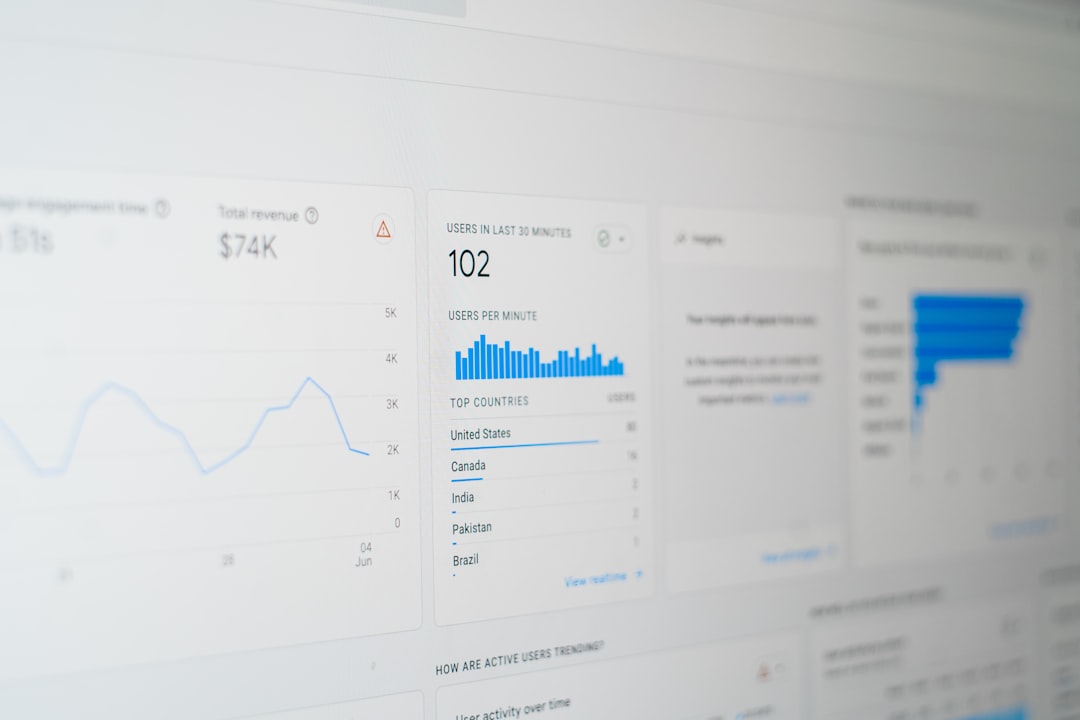
Client monitoring is a crucial aspect of managing a successful online presence. It involves tracking user interactions on your website to gain insights into their behavior, preferences, and pain points. By understanding how clients engage with your site, you can make informed decisions that enhance their experience and ultimately drive conversions. This process is not just about collecting data; it’s about interpreting that data to create a more user-friendly environment.
The importance of client monitoring extends beyond just improving user experience. It also plays a significant role in identifying trends and patterns that can inform your marketing strategies. For instance, if you notice that users frequently abandon their shopping carts at a specific point in the checkout process, you can investigate further to understand the underlying issues. This proactive approach can lead to increased customer satisfaction and loyalty, as well as higher conversion rates.
Key Takeaways
- Client monitoring is important for understanding user behavior and improving website performance
- Implementing client monitoring tools is essential for tracking user activity and identifying website errors
- Analyzing user behavior with client monitoring helps in optimizing user experience and personalizing content
- Improving website speed and performance is crucial for enhancing security and privacy with client monitoring
- Tracking conversion rates and revenue with client monitoring is key for measuring and reporting on website performance
Implementing Client Monitoring Tools
To effectively monitor client interactions, you need the right tools in place. There are numerous client monitoring solutions available, ranging from simple analytics platforms to comprehensive customer relationship management (CRM) systems. Google Analytics is a popular starting point for many businesses, offering insights into user demographics, behavior flow, and traffic sources. However, depending on your needs, you might want to explore more specialized tools like Hotjar or Crazy Egg, which provide heatmaps and session recordings.
When implementing these tools, it’s essential to define your objectives clearly. What specific metrics do you want to track? Are you interested in user engagement, conversion rates, or perhaps the effectiveness of your marketing campaigns? By setting clear goals, you can choose the right tools and configure them to gather the most relevant data. Additionally, ensure that your team is trained to use these tools effectively, as proper utilization can significantly enhance the insights you gain.
Analyzing User Behavior with Client Monitoring

Once you have your client monitoring tools in place, the next step is analyzing the data they provide. User behavior analysis involves looking at how visitors navigate your site, what content they engage with, and where they drop off. This information can reveal a lot about your audience’s preferences and pain points. For example, if users spend a significant amount of time on a particular product page but don’t proceed to checkout, it may indicate that there’s something off about the product description or pricing.
Moreover, analyzing user behavior can help you identify segments within your audience. Different groups may interact with your site in unique ways based on their demographics or interests. By understanding these segments, you can tailor your marketing efforts and website design to better meet their needs. This targeted approach not only improves user satisfaction but also enhances the likelihood of conversions.
Improving Website Speed and Performance
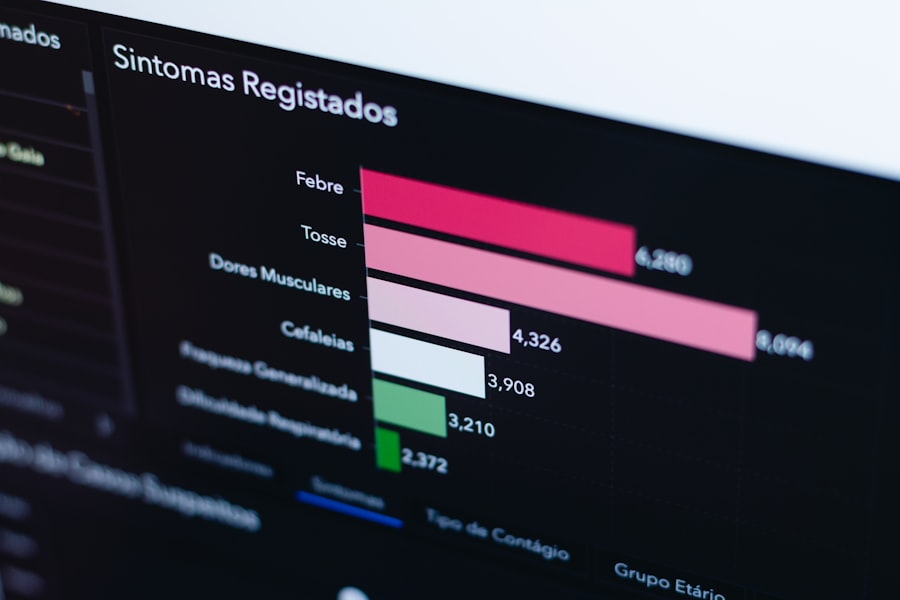
Website speed is a critical factor in user experience and overall site performance. Slow-loading pages can frustrate users and lead to high bounce rates. Client monitoring tools can help you identify which pages are lagging and why. For instance, if you notice that certain images are taking too long to load, you might consider optimizing them for faster performance.
Improving website speed often involves a combination of strategies. You might need to compress images, leverage browser caching, or minimize HTTP requests. Additionally, consider using a content delivery network (CDN) to distribute your content more efficiently across different geographical locations.
By focusing on speed and performance, you not only enhance user experience but also improve your site’s search engine ranking.
Identifying and Fixing Website Errors
“`html
| Metrics | Value |
|---|---|
| Page Load Time | 2.5 seconds |
| Page Views | 5000 |
| Bounce Rate | 30% |
| Conversion Rate | 5% |
“`
Website errors can significantly impact user experience and deter potential customers. Client monitoring allows you to track error messages and broken links that users encounter while navigating your site. Regularly reviewing this data is essential for maintaining a smooth user experience. If users frequently encounter 404 errors or other issues, it’s crucial to address these problems promptly.
Fixing website errors often requires collaboration between different teams within your organization. Developers may need to troubleshoot technical issues, while content creators might need to update outdated information or links. By fostering open communication and regularly reviewing error reports, you can ensure that your website remains functional and user-friendly.
Optimizing User Experience with Client Monitoring
Optimizing user experience is an ongoing process that benefits greatly from client monitoring insights. By continuously analyzing user behavior and feedback, you can make iterative improvements to your website design and content. For instance, if users consistently struggle to find specific information, it may be time to rethink your navigation structure or enhance your search functionality.
Additionally, consider implementing user feedback mechanisms such as surveys or feedback forms. These tools allow users to share their thoughts directly with you, providing valuable insights into their experiences. By combining quantitative data from client monitoring with qualitative feedback from users, you can create a more holistic understanding of their needs and preferences.
Tracking Conversion Rates and Revenue with Client Monitoring
Tracking conversion rates is essential for understanding the effectiveness of your marketing efforts and website design. Client monitoring tools can help you identify which pages or campaigns are driving conversions and which ones may need improvement. For example, if a particular landing page has a high bounce rate but low conversion rate, it may indicate that the content isn’t resonating with visitors.
Moreover, understanding revenue generation through client monitoring allows you to assess the return on investment (ROI) for various marketing strategies. By analyzing which channels bring in the most revenue or which products are most popular among customers, you can allocate resources more effectively. This data-driven approach helps ensure that your marketing efforts are aligned with your business goals.
Utilizing A/B Testing for Website Optimization
A/B testing is a powerful method for optimizing your website based on real user data.
By comparing two versions of a webpage—Version A and Version B—you can determine which one performs better in terms of user engagement or conversion rates.
This method allows you to make informed decisions rather than relying on assumptions about what might work best.
When conducting A/B tests, it’s important to focus on one variable at a time for accurate results. This could be anything from changing the color of a call-to-action button to altering the layout of a product page. Once you’ve gathered enough data from the test, analyze the results to see which version performed better and implement those changes across your site.
Personalizing Content and Recommendations
Personalization is becoming increasingly important in today’s digital landscape. Clients expect tailored experiences that cater to their individual preferences and behaviors. Client monitoring provides valuable insights that enable you to personalize content and recommendations effectively. For instance, if a user frequently browses specific categories on your site, you can highlight similar products or content tailored to their interests.
Implementing personalization strategies can significantly enhance user engagement and satisfaction. Consider using algorithms that analyze user behavior to suggest relevant products or articles based on past interactions. This not only improves the overall experience but also increases the likelihood of conversions as users feel more connected to the content presented to them.
Enhancing Security and Privacy with Client Monitoring
In an era where data breaches are increasingly common, enhancing security and privacy through client monitoring is essential. Monitoring tools can help identify unusual patterns of behavior that may indicate security threats or vulnerabilities on your site. For example, if there’s an unusual spike in login attempts from unfamiliar IP addresses, this could signal a potential security breach.
Additionally, being transparent about how you collect and use client data is crucial for building trust with your audience. Ensure that your privacy policy is clear and accessible, outlining how user data will be used and protected. By prioritizing security and privacy through client monitoring practices, you not only safeguard your business but also foster trust among your users.
Measuring and Reporting on Website Performance
Finally, measuring and reporting on website performance is vital for ongoing improvement efforts. Regularly reviewing key performance indicators (KPIs) such as traffic sources, bounce rates, conversion rates, and user engagement metrics allows you to assess how well your website is performing over time. These insights can inform strategic decisions about where to focus your efforts for maximum impact.
Creating comprehensive reports that summarize these metrics can help keep stakeholders informed about progress and areas needing attention. Consider using visual aids like graphs or charts to present data clearly and concisely. By consistently measuring and reporting on website performance through client monitoring, you can ensure that your online presence remains effective and aligned with your business objectives.
In conclusion, client monitoring is an invaluable tool for enhancing user experience, optimizing website performance, and driving conversions. By implementing effective monitoring tools and analyzing user behavior, businesses can make informed decisions that lead to improved outcomes across various aspects of their online presence.
FAQs
What is client website performance monitoring?
Client website performance monitoring is the process of tracking and analyzing the speed, availability, and overall performance of a website from the perspective of the end user. This involves monitoring various metrics such as page load times, server response times, and overall website uptime.
Why is client website performance monitoring important?
Client website performance monitoring is important because it allows businesses to ensure that their websites are delivering a positive user experience. Slow or unreliable websites can lead to decreased user satisfaction, lower conversion rates, and negative impacts on search engine rankings. Monitoring performance allows businesses to identify and address issues before they impact the user experience.
What are the key metrics used in client website performance monitoring?
Key metrics used in client website performance monitoring include page load time, time to first byte (TTFB), server response time, website uptime, and overall website speed. These metrics provide insights into how quickly the website loads and responds to user requests, as well as its overall availability.
How is client website performance monitoring typically conducted?
Client website performance monitoring is typically conducted using specialized monitoring tools and services. These tools can simulate user interactions with the website, track performance metrics, and provide alerts when performance issues are detected. Additionally, businesses may use real user monitoring (RUM) to track performance from actual user interactions.
What are the benefits of client website performance monitoring?
The benefits of client website performance monitoring include improved user experience, increased website reliability, better search engine rankings, and the ability to identify and address performance issues proactively. By monitoring website performance, businesses can ensure that their websites are delivering a fast, reliable, and positive user experience.




0 Comments