



Website performance is a critical aspect of any online presence. It encompasses how quickly a site loads, how smoothly it operates, and how effectively it engages users. In today’s fast-paced digital world, users expect websites to be responsive and efficient. A slow-loading site can lead to high bounce rates, decreased user satisfaction, and ultimately, lost revenue. Therefore, understanding and optimizing website performance is essential for businesses and individuals alike.
When we talk about website performance, we’re not just referring to loading times. It also includes factors like user experience, mobile responsiveness, and overall functionality. A well-performing website can enhance user engagement, improve search engine rankings, and increase conversion rates. In this article, we’ll explore the importance of website audits and analytics tools, the types available, and how to leverage them for optimal performance.
Key Takeaways
- Website performance is crucial for user experience and search engine rankings.
- Website audit and analytics tools are essential for monitoring and improving website performance.
- Website audit tools help identify technical and content-related issues on a website.
- There are different types of website audit tools, including SEO audit tools, performance audit tools, and accessibility audit tools.
- Website analytics tools provide valuable insights into user behavior, traffic sources, and conversion rates.
Importance of Website Audit and Analytics Tools
Website audits and analytics tools are indispensable for anyone looking to improve their online presence. An audit provides a comprehensive review of your website’s health, identifying issues that could hinder performance. This includes everything from broken links to poor SEO practices. On the other hand, analytics tools help you track user behavior, providing insights into how visitors interact with your site.
By regularly conducting audits and utilizing analytics tools, you can pinpoint areas for improvement. This proactive approach allows you to make informed decisions based on data rather than guesswork. For instance, if analytics show that users are dropping off at a specific point in your sales funnel, you can investigate further and make necessary adjustments. Ultimately, these tools empower you to create a more effective and user-friendly website.
Understanding Website Audit Tools

Website audit tools are designed to evaluate various aspects of your site’s performance. They analyze everything from technical SEO elements to content quality and user experience. By using these tools, you can gain a clearer picture of your website’s strengths and weaknesses.
Most audit tools will provide a detailed report that highlights issues such as page speed, mobile-friendliness, and security vulnerabilities. Some even offer recommendations for improvement. Understanding how to interpret these reports is crucial; they can guide your optimization efforts and help you prioritize changes based on their potential impact.
Types of Website Audit Tools

There are several types of website audit tools available, each serving different purposes. Some of the most common include SEO audit tools, performance testing tools, and security audit tools.
SEO audit tools focus on analyzing your site’s search engine optimization practices. They check for keyword usage, meta tags, backlinks, and other factors that influence your site’s visibility in search results. Performance testing tools, on the other hand, measure loading times and overall speed. They can simulate various conditions to see how your site performs under different scenarios.
Security audit tools assess your website for vulnerabilities that could be exploited by hackers. They check for outdated software, weak passwords, and other security risks. By using a combination of these tools, you can get a comprehensive view of your website’s health.
Benefits of Using Website Analytics Tools
| Tool Name | Features | Pricing |
|---|---|---|
| Google Analytics | Real-time data, audience insights, conversion tracking | Free |
| SEMrush | Keyword research, backlink analysis, site audit | Starting at 99.95/month |
| Moz Pro | Keyword research, site crawl, rank tracking | Starting at 99/month |
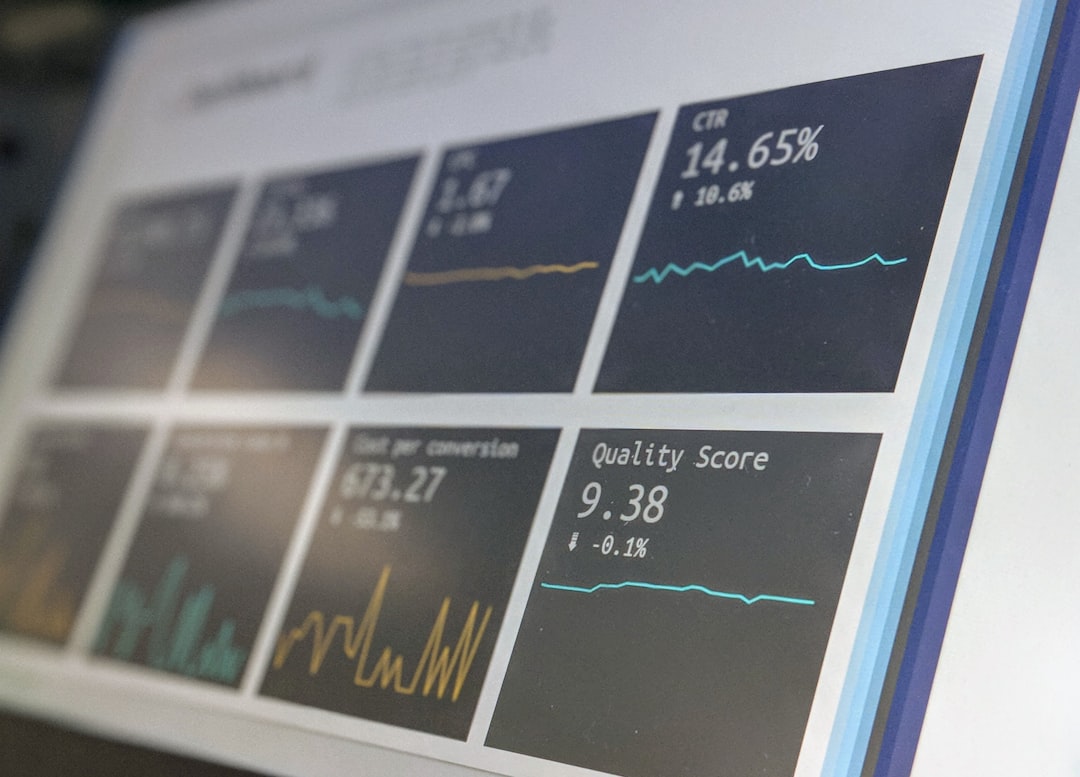
Website analytics tools offer numerous benefits that can significantly enhance your online strategy. One of the primary advantages is the ability to track user behavior in real-time. You can see where visitors are coming from, what pages they visit most often, and how long they stay on your site. This data is invaluable for understanding your audience and tailoring your content accordingly.
Another benefit is the ability to measure the effectiveness of marketing campaigns. By analyzing traffic sources and conversion rates, you can determine which strategies are working and which need adjustment. This level of insight allows you to allocate resources more effectively and maximize your return on investment.
Key Metrics to Measure Website Performance
When it comes to measuring website performance, several key metrics should be on your radar. Page load time is perhaps the most critical; studies show that even a one-second delay can lead to significant drops in user satisfaction and conversion rates.
Another important metric is bounce rate, which indicates the percentage of visitors who leave your site after viewing only one page. A high bounce rate may suggest that your content isn’t engaging or that users aren’t finding what they expected. Additionally, tracking conversion rates helps you understand how well your site is achieving its goals, whether that’s selling products or capturing leads.
User engagement metrics like average session duration and pages per session also provide insights into how effectively your content resonates with visitors. By monitoring these metrics regularly, you can identify trends and make data-driven decisions to enhance your website’s performance.
Implementing Changes Based on Audit and Analytics Reports
Once you have gathered data from audits and analytics reports, the next step is implementing changes based on those insights. This process often begins with prioritizing issues identified in the audit report. For example, if page speed is a significant concern, addressing that should be at the top of your list.
It’s essential to approach changes methodically. Implement one change at a time so you can accurately measure its impact on performance metrics. After making adjustments, revisit your analytics tools to see if there’s been an improvement in user engagement or conversion rates.
Additionally, keep in mind that optimization is an ongoing process. Regularly revisiting audits and analytics will help you stay ahead of potential issues and continuously improve your website’s performance.
Best Practices for Maximizing Website Performance
To maximize website performance effectively, consider adopting some best practices. First and foremost, ensure that your website is mobile-friendly. With an increasing number of users accessing sites via smartphones and tablets, a responsive design is crucial for retaining visitors.
Another best practice is optimizing images and other media files to reduce loading times without sacrificing quality. Compressing images can significantly improve page speed while maintaining visual appeal.
Regularly updating content is also vital for keeping users engaged and improving SEO rankings. Fresh content signals to search engines that your site is active and relevant. Lastly, consider implementing a content delivery network (CDN) to enhance loading speeds for users across different geographical locations.
Case Studies on Successful Website Performance Optimization
Examining case studies can provide valuable insights into successful website performance optimization strategies. For instance, a well-known e-commerce site noticed a high bounce rate on their product pages. After conducting an audit, they discovered that their images were too large and slowed down loading times significantly.
By optimizing their images and streamlining their checkout process based on user feedback from analytics reports, they managed to reduce bounce rates by 30% within a few months. This change not only improved user experience but also led to a notable increase in sales.
Another example involves a blog that struggled with low engagement metrics. After analyzing their analytics data, they realized that their content was too lengthy and lacked visual elements. By breaking up text with images and infographics while also shortening articles for clarity, they saw a 50% increase in average session duration within weeks.
Choosing the Right Audit and Analytics Tools for Your Website
Selecting the right audit and analytics tools for your website can feel overwhelming given the plethora of options available. Start by identifying your specific needs; are you more focused on SEO optimization or user behavior analysis?
For SEO audits, tools like SEMrush or Ahrefs are popular choices due to their comprehensive features. If performance testing is your priority, consider using Google PageSpeed Insights or GTmetrix for detailed reports on loading times.
For analytics purposes, Google Analytics remains one of the most widely used platforms due to its robust features and integration capabilities with other tools. However, alternatives like Matomo or Clicky offer unique benefits as well.
Ultimately, the best approach is to test out a few different tools to see which ones align best with your goals and workflow.
Conclusion and Next Steps for Improving Website Performance
Improving website performance is an ongoing journey rather than a one-time task. By regularly conducting audits and utilizing analytics tools, you can gain valuable insights into how well your site meets user needs and expectations.
Start by implementing changes based on the data you gather from these tools—prioritize issues that have the most significant impact on user experience and conversion rates. Remember that optimization doesn’t stop once you’ve made initial improvements; it requires continuous monitoring and adjustment.
As you move forward, keep learning about new trends in web performance optimization and stay updated with the latest tools available in the market. With dedication and the right strategies in place, you’ll be well on your way to creating a high-performing website that engages users effectively.
FAQs
What is a website audit?
A website audit is a comprehensive analysis of a website’s performance, user experience, and search engine optimization (SEO) factors. It helps identify areas for improvement and optimization to enhance the website’s overall effectiveness.
What are analytics tools for websites?
Analytics tools for websites are software or platforms that track and analyze website traffic, user behavior, and other key performance indicators. They provide valuable insights into how users interact with the website and help in making data-driven decisions for improvement.
Why are website audit and analytics tools important?
Website audit and analytics tools are important because they provide valuable data and insights that can help improve a website’s performance, user experience, and search engine visibility. They help in identifying issues, tracking progress, and making informed decisions for optimization.
What are some popular website audit and analytics tools?
Some popular website audit and analytics tools include Google Analytics, SEMrush, Ahrefs, Moz, Screaming Frog, and HubSpot. These tools offer a range of features for tracking website performance, conducting audits, and gaining insights into user behavior.
How can website audit and analytics tools benefit businesses?
Website audit and analytics tools can benefit businesses by providing valuable data for understanding user behavior, identifying areas for improvement, optimizing website performance, and ultimately driving more traffic, leads, and conversions. They help businesses make informed decisions to enhance their online presence and achieve their goals.



0 Comments