



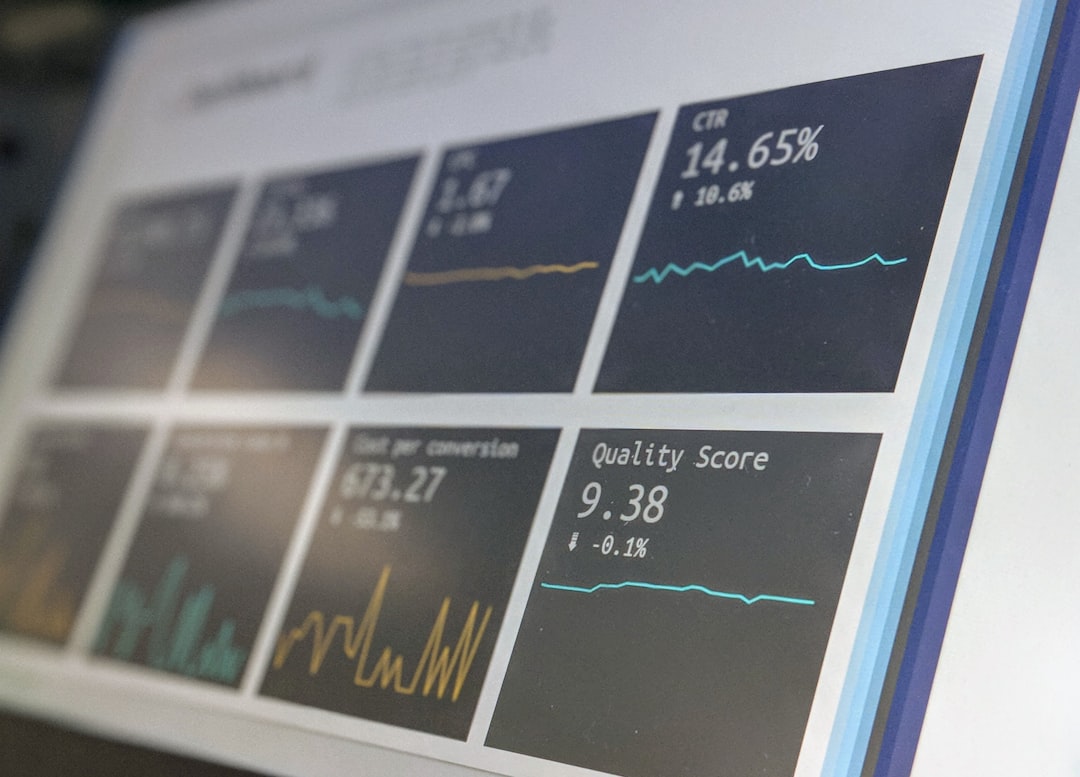
Campaign analytics is the backbone of any successful marketing strategy. It involves collecting, measuring, and analyzing data from various marketing campaigns to understand their effectiveness. By diving into campaign analytics, marketers can identify what works, what doesn’t, and how to optimize future efforts. This process is not just about crunching numbers; it’s about gaining insights that can drive better decision-making and improve overall performance.
At its core, campaign analytics helps businesses understand their audience’s behavior and preferences. By analyzing data from different channels—be it social media, email, or paid advertising—marketers can see which strategies resonate most with their target demographic. This understanding allows for more tailored campaigns that speak directly to the needs and interests of potential customers, ultimately leading to higher engagement and conversion rates.
Key Takeaways
- Understanding campaign analytics is crucial for evaluating the success of marketing efforts and making informed decisions.
- Setting clear marketing goals and objectives is essential for aligning the campaign with the overall business strategy and measuring its effectiveness.
- Choosing the right key performance indicators (KPIs) helps in tracking the most relevant metrics for assessing campaign performance.
- Utilizing data visualization tools can help in presenting complex marketing data in a visually appealing and easy-to-understand format.
- Implementing A/B testing for campaign optimization allows for testing different variables to identify the most effective strategies for maximum ROI.
Setting Clear Marketing Goals and Objectives
Before diving into any campaign, it’s crucial to set clear marketing goals and objectives. These goals act as a roadmap, guiding your efforts and helping you measure success. Whether you aim to increase brand awareness, generate leads, or boost sales, having specific objectives in place ensures that everyone on your team is aligned and working towards the same outcomes.
When setting these goals, it’s important to make them SMART—Specific, Measurable, Achievable, Relevant, and Time-bound. For instance, instead of saying “we want to increase website traffic,” a SMART goal would be “we want to increase website traffic by 25% over the next three months.” This clarity not only helps in tracking progress but also in making necessary adjustments along the way.
Choosing the Right Key Performance Indicators (KPIs)

Once your goals are established, the next step is selecting the right Key Performance Indicators (KPIs) to measure progress. KPIs are quantifiable metrics that reflect how well you’re achieving your marketing objectives. Choosing the right KPIs is essential because they provide insight into the effectiveness of your campaigns and help you make informed decisions.
For example, if your goal is to increase brand awareness, you might track metrics like social media reach or website visits. On the other hand, if your objective is lead generation, you might focus on conversion rates or the number of new subscribers. The key is to select KPIs that align closely with your goals and provide actionable insights that can guide your strategy.
Utilizing Data Visualization Tools
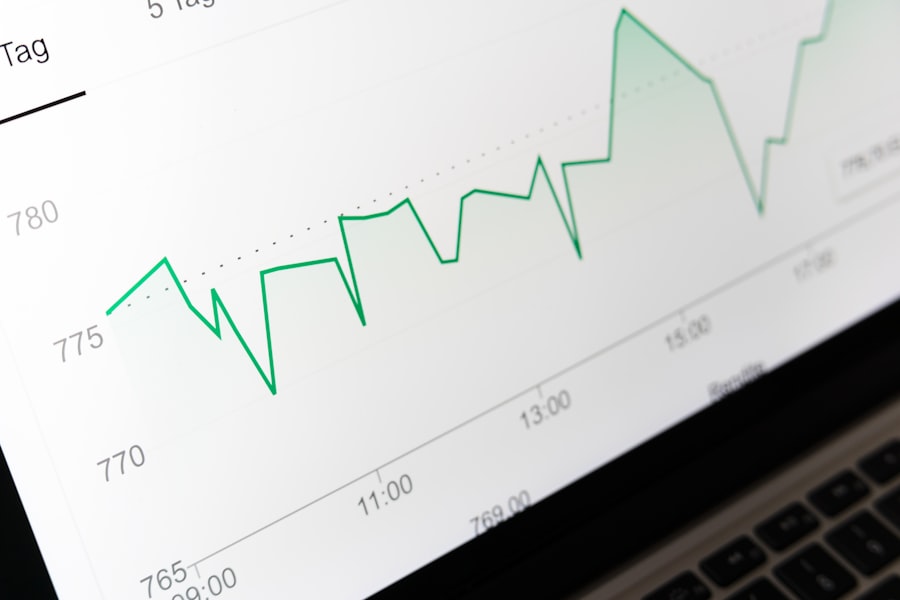
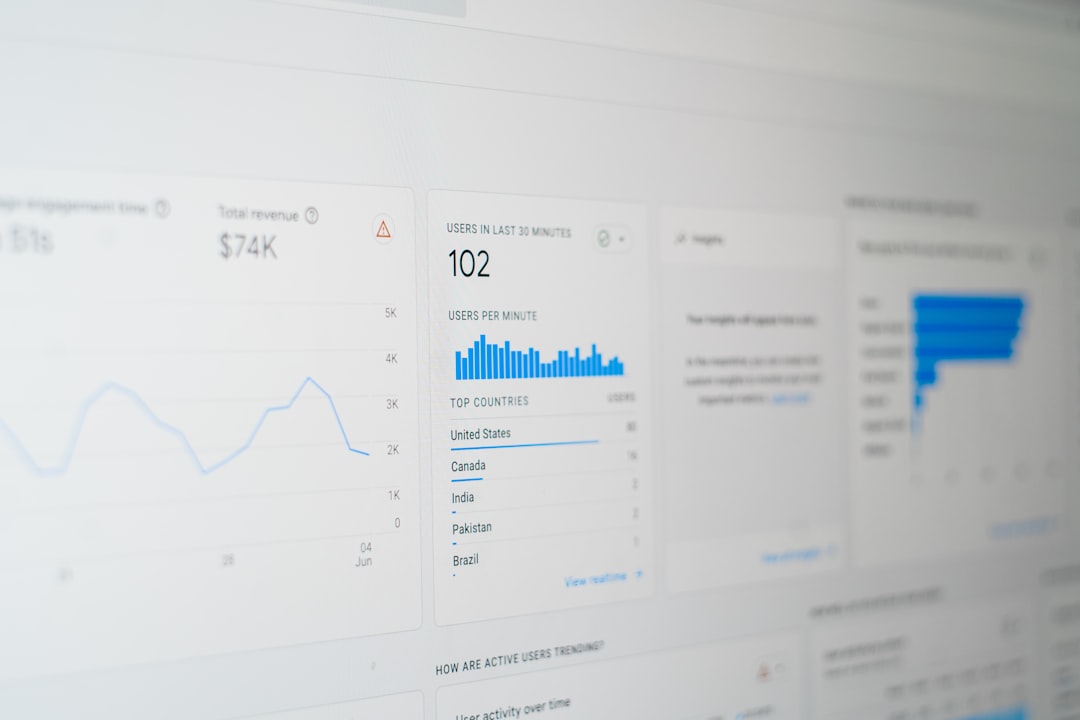
Data visualization tools play a significant role in making complex data more digestible. They transform raw numbers into visual formats like charts and graphs, making it easier for marketers to spot trends and patterns at a glance. This is particularly useful when presenting data to stakeholders who may not be as familiar with the intricacies of campaign analytics.
Using these tools can enhance your ability to communicate findings effectively. For instance, a well-designed dashboard can showcase real-time performance metrics, allowing teams to quickly assess how a campaign is performing against its goals. By leveraging data visualization, you can foster a culture of data-driven decision-making within your organization.
Implementing A/B Testing for Campaign Optimization
“`html
| Metrics | Value |
|---|---|
| Click-through Rate (CTR) | 5% |
| Conversion Rate | 10% |
| Cost per Click (CPC) | 0.50 |
| Return on Investment (ROI) | 150% |
“`
A/B testing is a powerful method for optimizing marketing campaigns. It involves comparing two versions of a campaign element—like an email subject line or a landing page—to see which one performs better. This approach allows marketers to make data-backed decisions rather than relying on gut feelings or assumptions.
The beauty of A/B testing lies in its simplicity and effectiveness. By changing one variable at a time, you can pinpoint what specifically drives better results. For example, if you’re testing two different call-to-action buttons, you can analyze which one leads to more clicks and conversions. Over time, these small adjustments can lead to significant improvements in overall campaign performance.
Analyzing Customer Segmentation and Targeting
Customer segmentation is about dividing your audience into distinct groups based on shared characteristics or behaviors. This practice allows for more targeted marketing efforts, ensuring that your messages resonate with specific segments of your audience. By analyzing customer data, you can identify key demographics, interests, and purchasing behaviors that inform your segmentation strategy.
Effective targeting goes hand-in-hand with segmentation. Once you’ve identified your segments, you can tailor your campaigns to address their unique needs and preferences. For instance, if one segment consists of young professionals interested in eco-friendly products, you can create campaigns that highlight sustainability features. This personalized approach not only enhances engagement but also increases the likelihood of conversion.
Tracking Customer Journey and Conversion Funnel
Understanding the customer journey is crucial for optimizing marketing efforts. The customer journey encompasses all interactions a potential customer has with your brand—from initial awareness to final purchase and beyond. By mapping out this journey, marketers can identify key touchpoints where customers engage with their brand.
Tracking the conversion funnel is an essential part of this process. The funnel illustrates the stages customers go through before making a purchase decision: awareness, consideration, decision, and retention. By analyzing how customers move through each stage, you can identify bottlenecks or drop-off points that may hinder conversions. This insight allows for targeted interventions that can improve the overall customer experience and drive more sales.
Measuring Return on Investment (ROI) for Different Marketing Channels
Measuring ROI is vital for understanding the effectiveness of various marketing channels. It helps businesses determine which channels are delivering the best results relative to their costs. To calculate ROI accurately, you need to consider both the revenue generated from a campaign and the expenses incurred in executing it.
Different channels may yield varying ROI figures based on factors like audience reach and engagement levels. For instance, social media advertising might have a lower upfront cost but could lead to higher engagement rates compared to traditional print advertising. By analyzing ROI across channels, marketers can allocate budgets more effectively and focus on strategies that deliver the best returns.
Leveraging Predictive Analytics for Future Campaign Planning
Predictive analytics uses historical data to forecast future outcomes, making it an invaluable tool for campaign planning.
By analyzing past campaign performance and customer behavior patterns, marketers can gain insights into what strategies are likely to succeed in the future.
For example, if data shows that certain demographics respond well to specific types of content or offers, predictive analytics can help tailor future campaigns accordingly. This proactive approach not only enhances efficiency but also increases the likelihood of achieving desired outcomes by anticipating customer needs and preferences.
Integrating Marketing Analytics with Customer Relationship Management (CRM) Systems
Integrating marketing analytics with CRM systems creates a comprehensive view of customer interactions and behaviors. This integration allows marketers to track how customers engage with various campaigns while also managing relationships effectively. By combining these two data sources, businesses can gain deeper insights into customer preferences and tailor their marketing strategies accordingly.
For instance, if a CRM system indicates that a particular customer has shown interest in specific products but hasn’t made a purchase yet, marketers can create targeted campaigns aimed at converting that interest into sales. This level of personalization enhances customer experience and fosters loyalty over time.
Continuous Monitoring and Adjusting Campaign Strategies for Maximum ROI
The digital landscape is constantly evolving, making continuous monitoring essential for successful marketing campaigns. Regularly reviewing performance metrics allows marketers to identify trends and make necessary adjustments in real-time. This agility ensures that campaigns remain relevant and effective in achieving their goals.
Adjusting strategies based on data insights doesn’t mean abandoning original plans; rather, it’s about refining them for better results. For example, if a particular ad isn’t performing as expected, tweaking its messaging or targeting parameters can lead to improved engagement rates. By fostering a culture of continuous improvement, businesses can maximize their ROI and stay ahead in an ever-changing market landscape.
In conclusion, effective campaign analytics is not just about collecting data; it’s about using that data strategically to inform decisions and optimize marketing efforts. From setting clear goals to leveraging advanced analytics tools, each step plays a crucial role in driving success in today’s competitive environment. By embracing these practices, marketers can create more impactful campaigns that resonate with their audiences and deliver measurable results.
FAQs
What is marketing campaign analytics?
Marketing campaign analytics is the process of measuring, managing, and analyzing the performance of marketing campaigns to evaluate their effectiveness and make data-driven decisions for future campaigns.
Why is marketing campaign analytics important?
Marketing campaign analytics is important because it helps businesses understand the impact of their marketing efforts, identify areas for improvement, and optimize their strategies to achieve better results and return on investment.
What are the key metrics used in marketing campaign analytics?
Key metrics used in marketing campaign analytics include conversion rate, click-through rate, return on investment (ROI), customer acquisition cost, customer lifetime value, and engagement metrics such as likes, shares, and comments.
How is marketing campaign analytics conducted?
Marketing campaign analytics is conducted using various tools and technologies such as web analytics platforms, social media analytics tools, email marketing software, and customer relationship management (CRM) systems to collect, analyze, and interpret data from different marketing channels.
What are the benefits of using marketing campaign analytics?
The benefits of using marketing campaign analytics include the ability to measure the impact of marketing efforts, optimize marketing strategies for better results, allocate resources more effectively, and improve overall business performance.


0 Comments