




Website analytics play a crucial role in the digital landscape, providing insights that can significantly influence business strategies and marketing efforts. By collecting and analyzing data related to website traffic, user behavior, and engagement metrics, organizations can make informed decisions that enhance their online presence. Understanding how visitors interact with a website allows businesses to identify strengths and weaknesses in their digital offerings, ultimately leading to improved user experiences and increased conversion rates.
Moreover, website analytics enable businesses to track the effectiveness of their marketing campaigns. By measuring key metrics such as traffic sources, bounce rates, and user demographics, companies can determine which strategies yield the best results. This data-driven approach not only helps in optimizing current campaigns but also informs future marketing initiatives. In an era where digital competition is fierce, leveraging analytics is essential for staying ahead of the curve and ensuring that resources are allocated efficiently.
Key Takeaways
- Website analytics are essential for understanding user behavior and improving online performance.
- Proper setup and configuration of analytics tools ensure accurate data collection.
- Tracking traffic and user engagement helps identify areas for optimization.
- Conversion tracking and A/B testing enable data-driven decision-making to boost results.
- Integrating analytics with CRM and segmentation enhances targeted marketing and customer retention.
Setting Up and Configuring Analytics Tools
To harness the power of website analytics, organizations must first set up and configure the appropriate tools. Popular platforms such as Google Analytics, Adobe Analytics, and Matomo offer robust features that cater to various business needs. The initial step involves creating an account and integrating the analytics tool with the website. This typically requires adding a tracking code to the site’s HTML, which enables the collection of data on user interactions.
Once the basic setup is complete, configuring the analytics tool to align with specific business objectives is essential. This may involve setting up goals, defining conversion events, and segmenting audiences based on various criteria. Proper configuration ensures that the data collected is relevant and actionable. Additionally, organizations should regularly review their analytics settings to adapt to changes in business goals or website structure, ensuring that they continue to capture meaningful insights.
Tracking and Analyzing Website Traffic
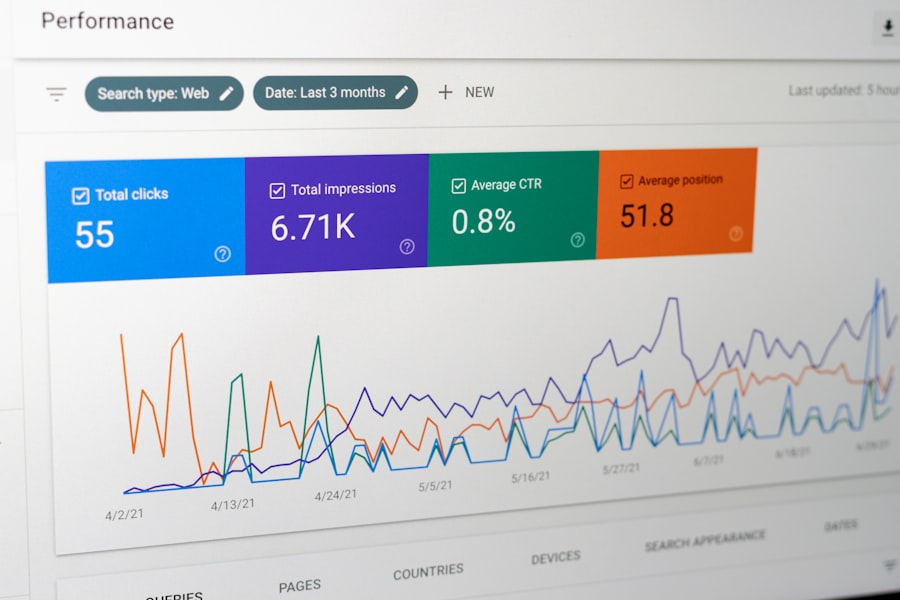
Tracking website traffic is a fundamental aspect of website analytics. It involves monitoring the number of visitors, their geographic locations, and the devices they use to access the site. This information provides valuable context for understanding audience behavior and preferences. For instance, a spike in traffic from a particular region may indicate successful local marketing efforts or a growing interest in specific products or services.
Analyzing traffic data goes beyond merely counting visitors; it also involves examining traffic sources to determine how users arrive at the site. This includes organic search, paid advertising, social media referrals, and direct visits. By understanding which channels drive the most traffic, businesses can allocate resources more effectively and refine their marketing strategies. Additionally, analyzing trends over time can reveal patterns that inform future content creation and promotional efforts.
Monitoring User Behavior and Engagement
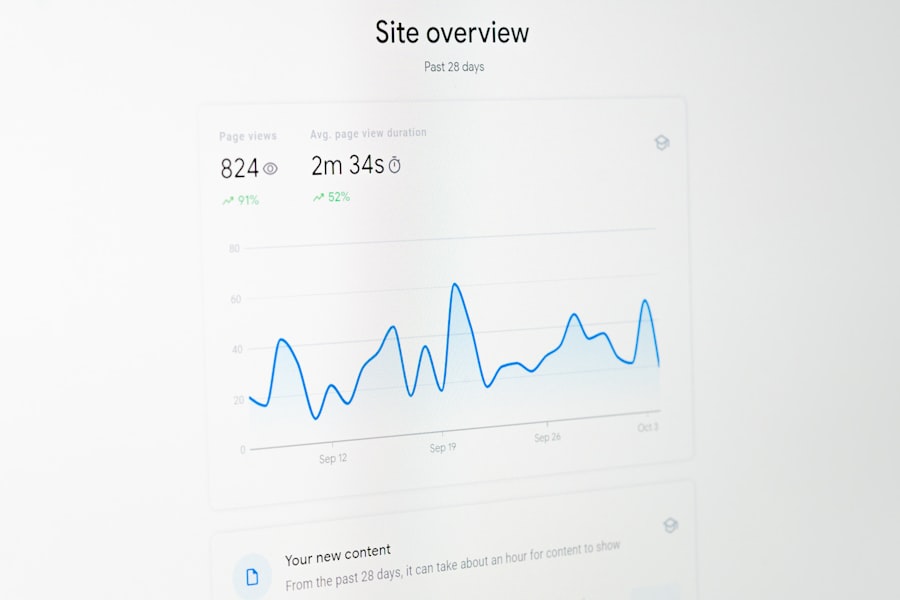
User behavior analysis is critical for understanding how visitors interact with a website. Metrics such as page views, time spent on site, and click-through rates provide insights into user engagement levels. By monitoring these behaviors, businesses can identify which pages are performing well and which may need improvement. For example, a high bounce rate on a landing page could indicate that the content is not resonating with visitors or that the page is not optimized for user experience.
Engagement metrics also help in assessing the effectiveness of content strategies. By analyzing which types of content generate the most interaction—be it blog posts, videos, or infographics—organizations can tailor their offerings to better meet audience preferences. Furthermore, understanding user pathways through the site can reveal opportunities for enhancing navigation and encouraging deeper exploration of content.
Utilizing Conversion Tracking and Funnel Analysis
| Metric | Description | Example Value | Importance |
|---|---|---|---|
| Conversion Rate | Percentage of visitors who make a purchase | 3.5% | High |
| Average Order Value (AOV) | Average amount spent per order | 75 | High |
| Cart Abandonment Rate | Percentage of shoppers who add items to cart but do not complete purchase | 68% | High |
| Traffic Sources | Breakdown of where visitors come from (e.g., organic, paid, referral) | Organic: 45%, Paid: 30%, Referral: 25% | Medium |
| Customer Lifetime Value (CLV) | Projected revenue from a customer over their lifetime | 350 | High |
| Bounce Rate | Percentage of visitors who leave after viewing only one page | 40% | Medium |
| Page Load Time | Average time it takes for a page to fully load | 3.2 seconds | High |
| Repeat Purchase Rate | Percentage of customers who make more than one purchase | 25% | High |
| Sessions | Total number of visits to the website | 50,000 | Medium |
| Mobile vs Desktop Traffic | Percentage split of visitors by device type | Mobile: 60%, Desktop: 40% | Medium |
Conversion tracking is a vital component of website analytics that focuses on measuring specific actions taken by users, such as completing a purchase or signing up for a newsletter.
By setting up conversion goals within analytics tools, businesses can gain insights into how effectively their websites drive desired outcomes.
This information is crucial for evaluating the success of marketing campaigns and overall website performance.
Funnel analysis complements conversion tracking by visualizing the steps users take before completing a conversion. By mapping out the customer journey—from initial awareness to final action—businesses can identify potential drop-off points where users abandon the process. Understanding these bottlenecks allows organizations to implement targeted improvements aimed at increasing conversion rates. For instance, simplifying checkout processes or enhancing call-to-action buttons can lead to higher completion rates.
Identifying and Optimizing Key Performance Indicators (KPIs)
Key Performance Indicators (KPIs) are essential metrics that help businesses measure progress toward their objectives. Identifying relevant KPIs is crucial for effective website analytics, as they provide a clear framework for evaluating success. Common KPIs include conversion rates, average session duration, and customer acquisition costs. By focusing on these indicators, organizations can assess their performance in relation to specific goals.
Once KPIs are established, ongoing optimization is necessary to ensure they remain aligned with business objectives. Regularly reviewing performance data allows organizations to identify trends and make informed adjustments to their strategies. For example, if a particular marketing channel is underperforming based on KPI analysis, businesses can reallocate resources or adjust messaging to improve results. This iterative process fosters continuous improvement and helps organizations stay agile in a dynamic digital environment.
A/B Testing and Experimentation for Data-Driven Decisions
A/B testing is a powerful method for making data-driven decisions in website optimization. This technique involves comparing two versions of a webpage or element to determine which performs better in achieving specific goals. By randomly directing users to different versions and analyzing their interactions, businesses can gain insights into what resonates with their audience.
Experimentation through A/B testing allows organizations to test various elements such as headlines, images, call-to-action buttons, and overall layout. The results provide concrete evidence of what works best for driving conversions or enhancing user engagement. Implementing A/B tests regularly fosters a culture of experimentation within organizations, encouraging teams to innovate and refine their digital strategies based on empirical data rather than assumptions.
Utilizing Customer Segmentation for Targeted Marketing
Customer segmentation involves dividing a broader audience into smaller groups based on shared characteristics or behaviors. This approach enables businesses to tailor their marketing efforts more effectively by delivering personalized content and offers that resonate with specific segments. Utilizing analytics tools to identify these segments allows organizations to refine their targeting strategies.
By analyzing demographic data, purchase history, and online behavior, businesses can create targeted campaigns that address the unique needs of each segment. For instance, a company may discover that younger customers prefer mobile-friendly content while older customers respond better to email marketing. This insight allows for more effective resource allocation and ultimately leads to higher engagement rates and conversions.
Leveraging Retention and Churn Analysis for Customer Lifetime Value
Understanding customer retention and churn rates is essential for maximizing customer lifetime value (CLV). Retention analysis focuses on identifying factors that contribute to customer loyalty while churn analysis examines why customers leave. By leveraging these insights, businesses can develop strategies aimed at improving retention rates and reducing churn.
Analytics tools can help track customer interactions over time, providing valuable data on purchasing patterns and engagement levels. For example, if analysis reveals that customers who receive regular communication are less likely to churn, businesses can implement targeted outreach strategies to maintain engagement. By focusing on retention efforts, organizations can enhance CLV and foster long-term relationships with customers.
Integrating Analytics with Customer Relationship Management (CRM) Systems
Integrating website analytics with Customer Relationship Management (CRM) systems enhances data visibility and enables more informed decision-making. By combining insights from both platforms, businesses can gain a comprehensive view of customer interactions across various touchpoints. This integration allows for more effective tracking of customer journeys from initial contact through conversion and beyond.
With integrated systems, organizations can analyze how website interactions influence customer relationships over time. For instance, understanding which web pages lead to successful conversions can inform sales strategies and customer outreach efforts. Additionally, this holistic view enables businesses to personalize communication based on user behavior, ultimately improving customer satisfaction and loyalty.
Using Analytics to Drive Business Growth and Strategy
Website analytics serve as a foundation for driving business growth and shaping strategic initiatives. By leveraging data insights across various aspects of operations—from marketing to product development—organizations can make informed decisions that align with their goals. Analytics provide clarity on market trends, customer preferences, and competitive positioning, enabling businesses to adapt proactively.
Furthermore, utilizing analytics fosters a culture of accountability within organizations. Teams are encouraged to base their decisions on empirical evidence rather than intuition alone. This data-driven approach not only enhances operational efficiency but also positions businesses for sustainable growth in an increasingly competitive landscape. As companies continue to embrace digital transformation, leveraging analytics will remain integral to achieving long-term success.
FAQs
What is ecommerce website analytics?
Ecommerce website analytics refers to the process of collecting, measuring, and analyzing data related to the performance and user behavior on an online store. This data helps businesses understand customer interactions, sales trends, and website effectiveness to optimize marketing strategies and improve user experience.
Why is ecommerce website analytics important?
Ecommerce website analytics is important because it provides insights into customer behavior, sales performance, and website functionality. These insights enable businesses to make data-driven decisions, increase conversion rates, reduce cart abandonment, and enhance overall profitability.
What key metrics are tracked in ecommerce website analytics?
Key metrics typically tracked include traffic sources, conversion rate, average order value, cart abandonment rate, customer lifetime value, bounce rate, and sales revenue. These metrics help evaluate the effectiveness of marketing campaigns and the user experience on the site.
Which tools are commonly used for ecommerce website analytics?
Popular tools for ecommerce analytics include Google Analytics, Adobe Analytics, Shopify Analytics, and specialized platforms like Mixpanel and Kissmetrics. These tools offer features such as real-time data tracking, customer segmentation, and detailed reporting.
How can ecommerce analytics improve customer experience?
By analyzing user behavior and purchase patterns, ecommerce analytics helps identify pain points in the customer journey, such as slow-loading pages or complicated checkout processes. Addressing these issues can lead to a smoother shopping experience, personalized marketing, and increased customer satisfaction.




0 Comments