





Understanding customer behavior is a fundamental aspect of any successful business strategy. It involves analyzing how customers make decisions, what influences their purchasing habits, and how they interact with products and services. By gaining insights into customer behavior, businesses can tailor their offerings to meet the specific needs and preferences of their target audience. This understanding can be achieved through various methods, including surveys, focus groups, and data analytics. Each of these methods provides valuable information that can help businesses refine their marketing strategies and improve customer engagement.
Moreover, understanding customer behavior extends beyond mere transactional data. It encompasses the emotional and psychological factors that drive consumer choices. For instance, factors such as brand loyalty, perceived value, and social influences play significant roles in shaping customer decisions. By delving into these aspects, businesses can create more effective marketing campaigns that resonate with their audience. This comprehensive understanding allows companies to anticipate customer needs and adapt their strategies accordingly, ultimately leading to increased customer satisfaction and loyalty.
Key Takeaways
- Understanding and segmenting customers helps tailor marketing strategies effectively.
- Analyzing purchase patterns enables personalized product recommendations.
- Monitoring customer lifetime value and churn prediction supports retention efforts.
- Enhancing customer experience and satisfaction drives loyalty and repeat business.
- Leveraging A/B testing and social media analytics optimizes engagement and program success.
Utilizing Customer Segmentation
Customer segmentation is a critical tool for businesses aiming to enhance their marketing efforts and improve customer relationships. This process involves dividing a customer base into distinct groups based on shared characteristics such as demographics, purchasing behavior, or preferences. By segmenting customers, businesses can tailor their marketing messages and product offerings to better align with the specific needs of each group. This targeted approach not only increases the effectiveness of marketing campaigns but also fosters a deeper connection between the brand and its customers.
In addition to improving marketing strategies, customer segmentation can also inform product development and service enhancements. By understanding the unique needs of different segments, businesses can innovate and create offerings that cater specifically to those groups. For example, a company may discover that younger consumers prefer eco-friendly products while older consumers prioritize durability. By recognizing these differences, businesses can develop targeted marketing strategies and product lines that appeal to each segment, ultimately driving sales and enhancing customer satisfaction.
Analyzing Purchase Patterns
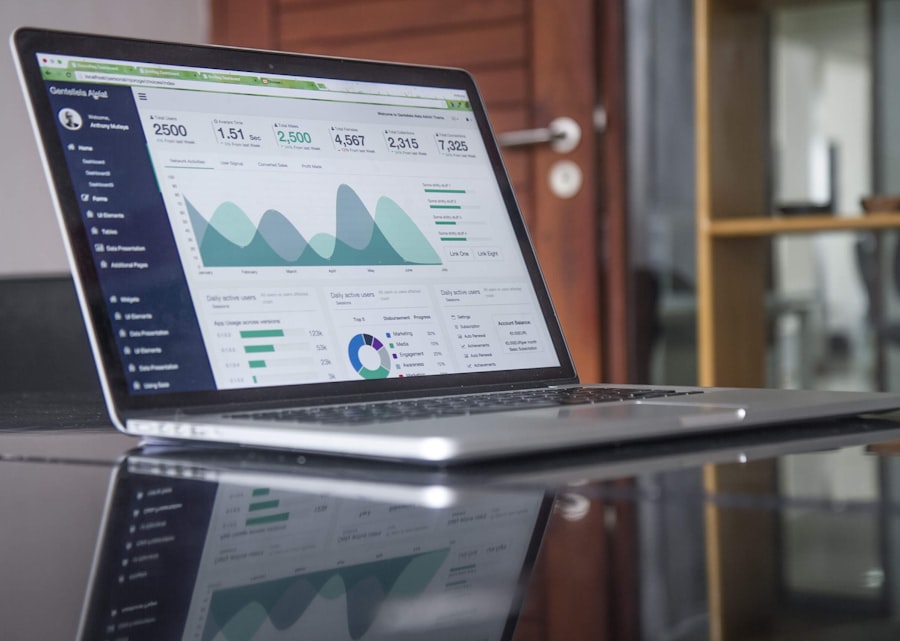
Analyzing purchase patterns is essential for businesses seeking to optimize their inventory management and marketing strategies. By examining historical sales data, companies can identify trends in consumer behavior, such as peak purchasing times, popular products, and seasonal fluctuations. This analysis enables businesses to make informed decisions regarding stock levels, promotional campaigns, and pricing strategies. For instance, if a retailer notices a consistent increase in sales of a particular product during the holiday season, they can adjust their inventory accordingly to meet anticipated demand.
Furthermore, understanding purchase patterns can also reveal insights into customer preferences and behaviors. For example, businesses may find that certain products are frequently purchased together, indicating potential opportunities for cross-selling or bundling strategies. By leveraging this information, companies can create targeted promotions that encourage customers to buy complementary items. Additionally, analyzing purchase patterns can help identify loyal customers who consistently return for repeat purchases, allowing businesses to develop targeted loyalty programs that reward these valuable relationships.
Implementing Personalized Recommendations
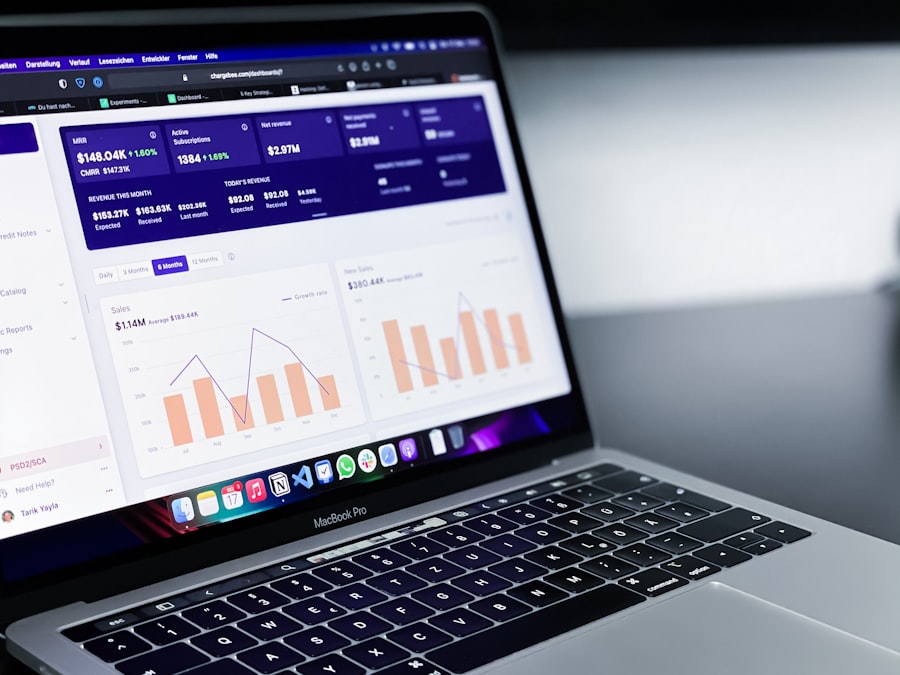
Personalized recommendations have become a cornerstone of modern marketing strategies. By leveraging data analytics and machine learning algorithms, businesses can provide tailored product suggestions based on individual customer preferences and behaviors. This approach not only enhances the shopping experience but also increases the likelihood of conversion by presenting customers with relevant options that align with their interests. For example, e-commerce platforms often utilize algorithms that analyze past purchases and browsing history to recommend products that a customer is likely to enjoy.
The implementation of personalized recommendations can significantly impact customer retention and satisfaction. When customers feel understood and valued through tailored suggestions, they are more likely to engage with the brand and make repeat purchases. Additionally, personalized recommendations can help businesses differentiate themselves in a competitive market by offering a unique shopping experience that caters to individual preferences. As technology continues to evolve, the ability to deliver increasingly sophisticated personalized recommendations will become even more critical for businesses aiming to foster long-term customer relationships.
Monitoring Customer Lifetime Value
| Metric | Description | Example Value | Importance |
|---|---|---|---|
| Customer Retention Rate (CRR) | Percentage of customers who return to make repeat purchases over a specific period | 65% | Measures loyalty and effectiveness of retention strategies |
| Repeat Purchase Rate (RPR) | Percentage of customers who have made more than one purchase | 40% | Indicates customer satisfaction and product appeal |
| Churn Rate | Percentage of customers lost during a given time frame | 15% | Helps identify retention issues and customer dissatisfaction |
| Customer Lifetime Value (CLV) | Estimated total revenue from a customer over their entire relationship | 1200 | Guides marketing spend and retention investment |
| Average Order Frequency | Average number of orders placed by a customer in a given period | 3.5 orders/year | Shows engagement and repeat buying behavior |
| Time Between Purchases | Average duration between consecutive purchases by the same customer | 45 days | Helps optimize timing for marketing campaigns |
| Net Promoter Score (NPS) | Measures customer satisfaction and likelihood to recommend | 70 | Correlates with retention and brand loyalty |
| Customer Engagement Rate | Percentage of customers interacting with marketing or loyalty programs | 55% | Indicates effectiveness of engagement strategies |
Customer Lifetime Value (CLV) is a key metric that helps businesses understand the long-term value of their customer relationships. By calculating CLV, companies can assess how much revenue a customer is expected to generate over their entire relationship with the brand. This information is invaluable for making strategic decisions regarding marketing budgets, customer acquisition costs, and retention efforts. For instance, if a business identifies that certain customer segments have a higher CLV, it may choose to allocate more resources toward acquiring similar customers.
Monitoring CLV also allows businesses to evaluate the effectiveness of their marketing strategies over time. By tracking changes in CLV as a result of different campaigns or initiatives, companies can gain insights into what works and what doesn’t. This ongoing analysis enables businesses to refine their approaches and focus on strategies that yield the highest returns on investment. Ultimately, understanding CLV empowers companies to make data-driven decisions that enhance profitability and foster sustainable growth.
Utilizing Churn Prediction Models
Churn prediction models are essential tools for businesses looking to retain customers and reduce attrition rates. These models use historical data to identify patterns and factors that contribute to customer churn—when customers stop engaging with a brand or discontinue their purchases. By analyzing variables such as purchase frequency, customer feedback, and engagement levels, businesses can develop predictive models that highlight which customers are at risk of leaving. This proactive approach allows companies to implement targeted retention strategies before losing valuable customers.
In addition to identifying at-risk customers, churn prediction models can also inform broader business strategies. For example, by understanding the common characteristics of churned customers, businesses can identify areas for improvement in their products or services. This insight can lead to enhancements that address customer pain points and ultimately reduce churn rates. Furthermore, by integrating churn prediction into overall business analytics, companies can create a more comprehensive view of customer behavior and preferences, enabling them to make informed decisions that enhance customer loyalty.
Improving Customer Experience
Improving customer experience is a critical focus for businesses aiming to build strong relationships with their customers. A positive customer experience encompasses every interaction a customer has with a brand—from initial awareness through post-purchase support. Businesses must prioritize understanding the customer journey and identifying pain points that may hinder satisfaction. By gathering feedback through surveys or direct communication channels, companies can gain insights into areas where improvements are needed.
Enhancing customer experience often involves streamlining processes and ensuring consistency across all touchpoints. For instance, simplifying the checkout process on an e-commerce site or providing responsive customer support can significantly impact how customers perceive a brand. Additionally, investing in employee training ensures that staff members are equipped to deliver exceptional service at every level of interaction. Ultimately, a commitment to improving customer experience not only fosters loyalty but also encourages positive word-of-mouth referrals that can drive new business.
Leveraging A/B Testing
A/B testing is a powerful method for optimizing marketing strategies and improving overall business performance. This technique involves comparing two versions of a marketing element—such as an email campaign or website layout—to determine which one performs better in achieving specific goals. By randomly assigning different segments of an audience to each version, businesses can gather data on user behavior and preferences. This empirical approach allows companies to make informed decisions based on actual performance rather than assumptions.
The insights gained from A/B testing can lead to significant improvements in conversion rates and customer engagement. For example, a company may test two different subject lines for an email campaign to see which one generates higher open rates. The results can inform future campaigns by highlighting what resonates with the audience. Additionally, A/B testing fosters a culture of experimentation within organizations, encouraging teams to continuously seek ways to enhance their strategies based on data-driven insights.
Tracking Customer Satisfaction
Tracking customer satisfaction is essential for understanding how well a business meets its customers’ needs and expectations. Various methods exist for measuring satisfaction levels, including surveys, Net Promoter Score (NPS), and online reviews. By regularly collecting feedback from customers, businesses can gain valuable insights into their strengths and weaknesses in delivering products or services. This information is crucial for identifying areas for improvement and ensuring that customers feel valued.
Moreover, tracking customer satisfaction allows businesses to respond proactively to issues before they escalate into larger problems. For instance, if feedback indicates dissatisfaction with a particular product feature or service aspect, companies can take immediate action to address these concerns. By demonstrating responsiveness to customer feedback, businesses not only improve satisfaction levels but also build trust and loyalty among their clientele.
Utilizing Social Media Analytics
Social media analytics provides businesses with valuable insights into consumer behavior and brand perception in real-time. By monitoring engagement metrics such as likes, shares, comments, and mentions across various platforms, companies can gauge how well their content resonates with audiences. This data enables businesses to refine their social media strategies by identifying which types of content generate the most engagement or drive traffic to their websites.
Additionally, social media analytics allows companies to track sentiment around their brand or products. Understanding how customers perceive a brand on social media can inform marketing strategies and public relations efforts. For example, if negative sentiment is detected regarding a specific product launch or campaign, businesses can respond quickly with clarifications or adjustments to mitigate potential damage to their reputation. Overall, leveraging social media analytics enhances a company’s ability to connect with its audience effectively.
Implementing Loyalty Programs
Implementing loyalty programs is an effective strategy for fostering long-term relationships with customers while encouraging repeat business. These programs reward customers for their continued patronage through incentives such as discounts, exclusive offers, or points redeemable for future purchases. By creating a structured system that recognizes and rewards loyalty, businesses can enhance customer retention rates while also increasing overall sales.
Moreover, loyalty programs provide valuable data on customer preferences and behaviors over time. By analyzing participation rates and redemption patterns within these programs, companies can gain insights into what motivates their customers to engage further with the brand. This information can inform future marketing initiatives and product development efforts tailored specifically toward loyal customers’ interests. Ultimately, well-designed loyalty programs not only drive sales but also cultivate a sense of community among customers who feel appreciated for their loyalty.
FAQs
What is customer retention analytics in ecommerce?
Customer retention analytics in ecommerce refers to the process of collecting and analyzing data related to customer behavior, purchase patterns, and engagement to understand how well a business retains its customers over time. This helps ecommerce companies identify trends, improve customer loyalty, and increase repeat purchases.
Why is customer retention important for ecommerce businesses?
Customer retention is crucial for ecommerce businesses because retaining existing customers is generally more cost-effective than acquiring new ones. Loyal customers tend to make more frequent purchases, have higher lifetime value, and can provide valuable word-of-mouth referrals, all of which contribute to increased revenue and sustainable growth.
What key metrics are used in customer retention analytics?
Common metrics used in customer retention analytics include repeat purchase rate, customer lifetime value (CLV), churn rate, average order value (AOV), and customer engagement scores. These metrics help businesses measure how effectively they are keeping customers and identify areas for improvement.
How can ecommerce businesses improve customer retention using analytics?
Ecommerce businesses can improve customer retention by using analytics to segment customers, personalize marketing efforts, optimize product recommendations, and identify at-risk customers for targeted retention campaigns. Data-driven insights enable companies to tailor their strategies to meet customer needs and enhance overall satisfaction.
What tools are commonly used for customer retention analytics in ecommerce?
Popular tools for customer retention analytics in ecommerce include Google Analytics, Mixpanel, Kissmetrics, and specialized customer relationship management (CRM) platforms like HubSpot and Salesforce. These tools provide detailed reports and dashboards to track customer behavior and retention metrics effectively.



0 Comments