





In today’s data-driven world, analytics plays a crucial role in maximizing client return on investment (ROI). Businesses are increasingly relying on data to make informed decisions, and understanding how to leverage analytics can significantly impact a client’s bottom line. By analyzing various data points, companies can identify trends, measure performance, and ultimately enhance their strategies to achieve better financial outcomes. This is not just about crunching numbers; it’s about translating data into actionable insights that can lead to improved profitability.
Moreover, analytics helps in pinpointing areas where clients may be overspending or underperforming. By providing a clear picture of what’s working and what isn’t, businesses can make adjustments that lead to more efficient use of resources. This proactive approach not only boosts ROI but also fosters a stronger relationship with clients, as they see tangible results from the strategies implemented. In essence, analytics is the backbone of informed decision-making, allowing businesses to navigate the complexities of client needs and market dynamics effectively.
Key Takeaways
- Understanding the importance of analytics in maximizing client ROI:
- Analytics play a crucial role in understanding client behavior and optimizing strategies to maximize ROI.
- Identifying key metrics for measuring client ROI:
- Key metrics such as customer acquisition cost, customer lifetime value, and conversion rates are essential for measuring client ROI.
- Utilizing data visualization tools to communicate ROI to clients:
- Data visualization tools such as dashboards and reports help in presenting complex ROI data in a clear and understandable manner to clients.
- Leveraging predictive analytics to anticipate client needs and drive ROI:
- Predictive analytics can help in forecasting client behavior and needs, enabling proactive strategies to drive ROI.
- Implementing A/B testing to optimize client ROI:
- A/B testing allows for testing different strategies and identifying the most effective approach to optimize client ROI.
Identifying Key Metrics for Measuring Client ROI
To effectively measure client ROI, it’s essential to identify the right metrics that align with business objectives. Common metrics include revenue growth, customer acquisition cost (CAC), and customer lifetime value (CLV). Each of these metrics provides valuable insights into different aspects of a client’s business. For instance, revenue growth indicates how well a company is performing financially, while CAC helps assess the efficiency of marketing efforts. Understanding these metrics allows businesses to tailor their strategies to maximize returns.
Additionally, it’s important to consider qualitative metrics alongside quantitative ones. Customer satisfaction scores and net promoter scores (NPS) can provide context to the numbers, revealing how clients perceive their value. By combining both types of metrics, businesses can create a more comprehensive view of ROI. This holistic approach not only aids in measuring current performance but also helps in forecasting future trends, enabling clients to make strategic decisions that drive long-term success.
Utilizing Data Visualization Tools to Communicate ROI to Clients

Data visualization tools are invaluable for communicating ROI effectively to clients. These tools transform complex data sets into easily digestible visuals, making it simpler for clients to understand their performance at a glance. Charts, graphs, and dashboards can highlight key metrics and trends, allowing clients to grasp their ROI without getting lost in the numbers. This clarity is essential for fostering trust and transparency in client relationships.
Moreover, effective data visualization can enhance storytelling around the data. By presenting information visually, businesses can illustrate the impact of their strategies on client ROI more compellingly. For example, a well-designed dashboard can show how specific marketing campaigns have driven sales growth over time. This not only makes the data more engaging but also reinforces the value of analytics in driving business decisions. Ultimately, using data visualization tools helps bridge the gap between complex analytics and actionable insights for clients.
Leveraging Predictive Analytics to Anticipate Client Needs and Drive ROI
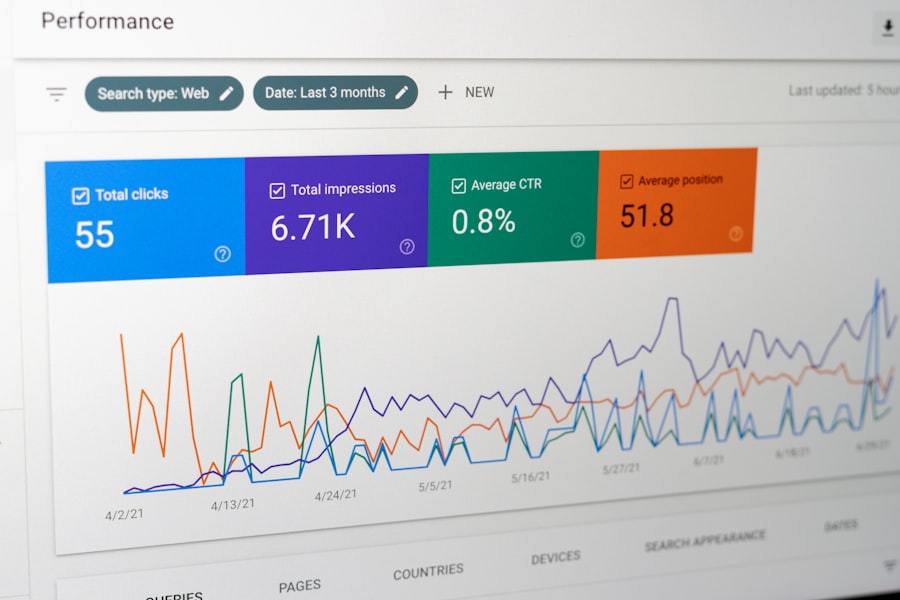
Predictive analytics is a powerful tool that allows businesses to anticipate client needs and drive ROI proactively. By analyzing historical data and identifying patterns, companies can forecast future trends and behaviors. This foresight enables businesses to tailor their offerings and marketing strategies to meet client expectations before they even arise. For instance, if data indicates that a particular product is likely to see increased demand during a specific season, businesses can adjust their inventory and marketing efforts accordingly.
Additionally, predictive analytics can help identify potential risks or challenges that clients may face. By recognizing these issues early on, businesses can implement strategies to mitigate them, ultimately protecting client investments. This proactive approach not only enhances ROI but also positions businesses as trusted partners who are invested in their clients’ success. In a competitive landscape, being able to anticipate needs can set a business apart and foster long-term client loyalty.
Implementing A/B Testing to Optimize Client ROI
| Metrics | Definition |
|---|---|
| Conversion Rate | The percentage of website visitors who complete a desired action |
| Customer Lifetime Value | The predicted net profit attributed to the entire future relationship with a customer |
| Return on Ad Spend (ROAS) | A marketing metric that measures the revenue generated for every dollar spent on advertising |
| Customer Acquisition Cost (CAC) | The cost associated with convincing a customer to buy a product or service |
| Churn Rate | The percentage of customers who stop using a product or service within a given time period |
A/B testing is an effective method for optimizing client ROI by allowing businesses to compare two versions of a strategy or campaign to determine which performs better. This approach involves making small changes—such as altering a call-to-action or adjusting ad copy—and measuring the impact on key metrics like conversion rates or engagement levels. By systematically testing different variables, businesses can identify what resonates most with clients and refine their strategies accordingly.
The beauty of A/B testing lies in its ability to provide concrete evidence of what works and what doesn’t. Instead of relying on assumptions or gut feelings, businesses can make data-driven decisions that lead to improved outcomes. For example, if one version of an email campaign generates significantly higher open rates than another, it’s clear which approach should be adopted moving forward. This iterative process not only enhances ROI but also fosters a culture of continuous improvement within organizations.
Integrating Customer Relationship Management (CRM) Data into Analytics for Improved ROI
Integrating Customer Relationship Management (CRM) data into analytics is essential for gaining a comprehensive understanding of client interactions and behaviors. CRM systems store valuable information about customer preferences, purchase history, and engagement patterns. By incorporating this data into analytics efforts, businesses can gain deeper insights into client needs and tailor their strategies accordingly.
For instance, analyzing CRM data can reveal which products or services are most popular among specific client segments. This information allows businesses to focus their marketing efforts on high-value customers and personalize their offerings. Additionally, integrating CRM data with other analytics tools can help identify trends over time, enabling businesses to anticipate changes in client behavior and adjust their strategies proactively. Ultimately, this integration leads to more informed decision-making and improved ROI for clients.
Utilizing Machine Learning and AI to Enhance Client ROI
Machine learning and artificial intelligence (AI) are transforming the landscape of analytics by providing advanced capabilities for enhancing client ROI. These technologies can analyze vast amounts of data at unprecedented speeds, uncovering patterns and insights that would be difficult for humans to detect. For example, machine learning algorithms can predict customer behavior based on historical data, allowing businesses to tailor their marketing efforts more effectively.
Moreover, AI-driven tools can automate various processes within analytics, freeing up valuable time for teams to focus on strategic initiatives. For instance, AI can streamline data collection and analysis, providing real-time insights that inform decision-making. By leveraging these technologies, businesses can enhance their ability to respond to client needs quickly and efficiently, ultimately driving better ROI outcomes. As AI continues to evolve, its potential for optimizing client strategies will only grow.
Creating Customized Dashboards for Clients to Track ROI Performance
Customized dashboards are an effective way to empower clients with real-time insights into their ROI performance. By tailoring dashboards to reflect specific metrics that matter most to each client, businesses can provide a personalized experience that enhances engagement and understanding. These dashboards can include visualizations of key performance indicators (KPIs), trends over time, and comparisons against industry benchmarks.
The benefit of customized dashboards extends beyond mere presentation; they serve as interactive tools that allow clients to explore their data in depth. Clients can drill down into specific areas of interest or filter information based on various criteria. This level of interactivity not only fosters a sense of ownership over the data but also encourages clients to engage more actively with their performance metrics. Ultimately, customized dashboards enhance transparency and facilitate informed discussions about strategies for improving ROI.
Conducting Regular ROI Analysis and Reporting to Clients
Regular ROI analysis and reporting are essential for maintaining transparency and accountability in client relationships. By providing consistent updates on performance metrics and insights derived from analytics efforts, businesses can keep clients informed about how their investments are performing over time. This ongoing communication helps build trust and reinforces the value of the services being provided.
In addition to routine reporting, conducting in-depth analyses at key intervals—such as quarterly or annually—can provide valuable opportunities for reflection and strategy adjustment. These analyses allow businesses to assess what has worked well and identify areas for improvement. By presenting findings in a clear and actionable format, companies can guide clients toward making informed decisions that enhance their ROI moving forward.
Incorporating Social Media and Web Analytics to Enhance Client ROI
Social media and web analytics are critical components of a comprehensive approach to measuring client ROI. These platforms provide valuable insights into audience engagement, brand perception, and overall online performance. By analyzing social media metrics—such as likes, shares, comments, and click-through rates—businesses can gauge the effectiveness of their campaigns and adjust strategies accordingly.
Web analytics further complement this by tracking user behavior on websites—such as page views, bounce rates, and conversion paths. Understanding how users interact with online content allows businesses to optimize user experiences and drive higher engagement levels. By integrating social media and web analytics into overall ROI assessments, companies can create a more holistic view of performance that informs future marketing efforts and enhances client returns.
Collaborating with Clients to Align Analytics Strategies with Business Goals for Maximum ROI
Collaboration with clients is key to aligning analytics strategies with their business goals for maximum ROI. Engaging clients in discussions about their objectives ensures that analytics efforts are focused on what truly matters to them. This partnership approach fosters open communication and allows businesses to tailor their strategies based on client feedback.
Moreover, involving clients in the analytics process helps them understand the value of the insights being generated. When clients see how data-driven decisions align with their goals—whether it’s increasing sales or improving customer satisfaction—they are more likely to invest in ongoing analytics initiatives. This collaborative mindset not only enhances the effectiveness of analytics strategies but also strengthens relationships between businesses and their clients over time.
In conclusion, maximizing client ROI through analytics requires a multifaceted approach that encompasses understanding key metrics, leveraging advanced technologies like AI and machine learning, utilizing effective communication tools like dashboards and reports, and fostering collaboration with clients themselves. By embracing these strategies, businesses can not only enhance their own performance but also drive meaningful results for their clients in an increasingly competitive landscape.
FAQs
What is client ROI?
Client ROI, or return on investment, is a measure of the profitability of a client’s investment. It is calculated by dividing the net profit from the investment by the initial cost of the investment.
How can analytics improve client ROI?
Analytics can improve client ROI by providing insights into customer behavior, market trends, and performance metrics. This data can be used to make informed decisions that optimize marketing strategies, product offerings, and customer experiences.
What types of analytics are commonly used to improve client ROI?
Commonly used analytics to improve client ROI include customer segmentation, predictive modeling, A/B testing, and performance tracking. These analytics help businesses understand their customers, predict future outcomes, test different strategies, and measure the success of their efforts.
What are the benefits of using analytics to improve client ROI?
The benefits of using analytics to improve client ROI include increased efficiency, better decision-making, enhanced customer satisfaction, and higher profitability. By leveraging data-driven insights, businesses can optimize their operations and deliver more value to their clients.
How can businesses get started with using analytics to improve client ROI?
Businesses can get started with using analytics to improve client ROI by first identifying their key business goals and the data they need to measure progress towards those goals. They can then invest in the right analytics tools and expertise to collect, analyze, and act on the data effectively.




0 Comments