





Advanced analytics has become a cornerstone of modern online sales strategies. By leveraging sophisticated data analysis techniques, businesses can gain insights into customer behavior, market trends, and operational efficiencies. This analytical approach allows companies to make informed decisions that can significantly enhance their sales performance. The integration of advanced analytics into online sales processes enables organizations to identify patterns and correlations that may not be immediately apparent through traditional analysis methods.
Moreover, the role of advanced analytics extends beyond mere data collection. It encompasses the use of various tools and methodologies, such as machine learning, statistical analysis, and data mining, to extract actionable insights from large datasets. This capability is particularly crucial in the fast-paced world of e-commerce, where consumer preferences can shift rapidly. By understanding these dynamics, businesses can adapt their strategies in real-time, ensuring they remain competitive in an ever-evolving marketplace.
Key Takeaways
- Advanced analytics enables deeper understanding and optimization of online sales processes.
- Customer data and predictive analytics help tailor marketing strategies and anticipate buying behavior.
- A/B testing and KPI tracking are essential for continuous website and sales performance improvement.
- Machine learning and data-driven insights enhance sales forecasting, pricing, and inventory management.
- Personalization and analytics-driven retention strategies boost customer loyalty and overall sales impact.
Utilizing Customer Data for Targeted Marketing Strategies
Customer data serves as a vital resource for developing targeted marketing strategies. By analyzing demographic information, purchasing history, and online behavior, businesses can segment their audience into distinct groups. This segmentation allows for the creation of personalized marketing campaigns that resonate with specific customer needs and preferences. For instance, a retailer might use data to identify a group of customers who frequently purchase athletic wear and tailor promotions specifically for them.
In addition to segmentation, customer data can inform the timing and channels used for marketing outreach. By understanding when customers are most likely to engage with content or make purchases, businesses can optimize their marketing efforts for maximum impact. This data-driven approach not only enhances the effectiveness of marketing campaigns but also improves customer satisfaction by delivering relevant content at the right time.
Implementing Predictive Analytics to Anticipate Customer Behavior

Predictive analytics plays a crucial role in anticipating customer behavior, allowing businesses to stay one step ahead of their audience. By utilizing historical data and statistical algorithms, companies can forecast future buying patterns and preferences. This foresight enables organizations to tailor their offerings and marketing strategies to meet anticipated demand, ultimately driving sales growth.
For example, a company might analyze past purchasing trends to predict which products are likely to be popular in the upcoming season. Armed with this information, they can adjust inventory levels accordingly and launch targeted marketing campaigns that highlight these anticipated bestsellers. Predictive analytics not only enhances operational efficiency but also fosters a proactive approach to customer engagement, ensuring that businesses are well-prepared to meet consumer needs.
Leveraging A/B Testing to Optimize Website Performance
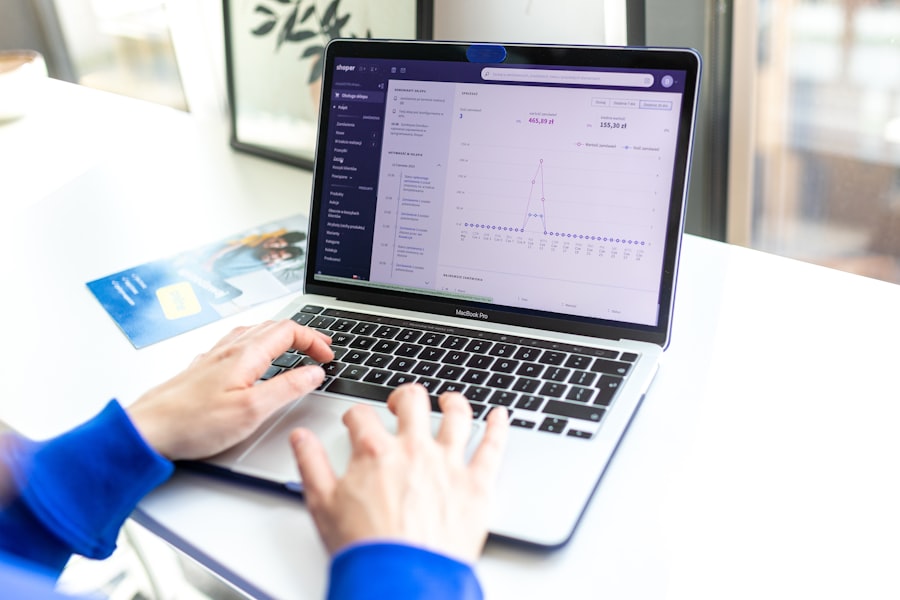
A/B testing is a powerful method for optimizing website performance and enhancing user experience. This technique involves comparing two versions of a webpage to determine which one performs better in terms of user engagement and conversion rates. By systematically testing different elements—such as headlines, images, or call-to-action buttons—businesses can identify the most effective design and content strategies.
The insights gained from A/B testing can lead to significant improvements in online sales. For instance, if one version of a product page results in higher conversion rates than another, the winning design can be implemented across the site. This iterative process not only refines website performance but also fosters a culture of continuous improvement within organizations. By regularly conducting A/B tests, businesses can adapt to changing consumer preferences and optimize their online presence.
Tracking and Analyzing Key Performance Indicators (KPIs) for Online Sales
| Metric | Description | Impact on Online Sales | Example Value |
|---|---|---|---|
| Conversion Rate | Percentage of website visitors who make a purchase | Higher conversion rates directly increase sales volume | 3.5% |
| Average Order Value (AOV) | Average amount spent per transaction | Increasing AOV boosts total revenue without increasing traffic | 75 |
| Cart Abandonment Rate | Percentage of shoppers who add items to cart but do not complete purchase | Reducing abandonment recovers lost sales opportunities | 68% |
| Customer Lifetime Value (CLV) | Projected revenue from a customer over their relationship with the business | Higher CLV indicates more profitable customer relationships | 450 |
| Traffic Sources | Breakdown of where visitors come from (organic, paid, referral, social) | Optimizing high-converting sources increases sales efficiency | Organic: 40%, Paid: 30%, Referral: 20%, Social: 10% |
| Bounce Rate | Percentage of visitors who leave after viewing only one page | Lower bounce rates indicate better engagement and higher sales potential | 45% |
| Product Performance | Sales and popularity metrics for individual products | Identifying top sellers helps focus marketing and inventory efforts | Top product sales: 1200 units/month |
| Customer Segmentation | Grouping customers by behavior, demographics, or purchase history | Targeted campaigns improve conversion and retention rates | Segment A: 25% of customers, 40% of sales |
Tracking and analyzing key performance indicators (KPIs) is essential for measuring the success of online sales initiatives. KPIs provide quantifiable metrics that reflect the effectiveness of various strategies and campaigns. Common KPIs in e-commerce include conversion rates, average order value, customer acquisition cost, and return on investment (ROI). By monitoring these indicators, businesses can assess their performance and make data-driven decisions.
In addition to tracking KPIs, it is important for organizations to establish benchmarks for comparison.
This allows businesses to evaluate their performance against industry standards or historical data.
Regular analysis of KPIs can reveal trends and areas for improvement, enabling companies to refine their strategies over time. Ultimately, a robust KPI framework supports informed decision-making and drives continuous growth in online sales.
Personalizing the Online Shopping Experience with Advanced Analytics
Personalization has become a key differentiator in the online shopping experience. Advanced analytics enables businesses to tailor their offerings based on individual customer preferences and behaviors. By analyzing data such as browsing history, purchase patterns, and demographic information, companies can create personalized recommendations that enhance the shopping experience.
For example, an online retailer might use advanced analytics to suggest products based on a customer’s previous purchases or items they have viewed. This level of personalization not only increases the likelihood of conversion but also fosters customer loyalty by making shoppers feel understood and valued. As consumers increasingly expect tailored experiences, leveraging advanced analytics for personalization is essential for maintaining a competitive edge in the e-commerce landscape.
Using Machine Learning Algorithms to Improve Sales Forecasting
Machine learning algorithms have revolutionized sales forecasting by providing more accurate predictions based on complex datasets. These algorithms analyze historical sales data alongside various external factors—such as market trends and economic indicators—to generate forecasts that reflect potential future performance. By employing machine learning techniques, businesses can enhance their forecasting accuracy and make more informed decisions regarding inventory management and resource allocation.
The application of machine learning in sales forecasting also allows organizations to identify underlying patterns that may not be evident through traditional forecasting methods. For instance, a retailer might discover that certain products sell better during specific times of the year or in response to particular marketing campaigns. This insight enables companies to optimize their inventory levels and marketing strategies accordingly, ultimately driving sales growth.
Enhancing Customer Retention and Loyalty with Advanced Analytics
Customer retention is critical for long-term business success, and advanced analytics plays a significant role in fostering loyalty among consumers. By analyzing customer behavior and feedback, businesses can identify factors that contribute to satisfaction or dissatisfaction.
This understanding allows organizations to implement targeted initiatives aimed at improving the overall customer experience.
For example, advanced analytics can help identify at-risk customers who may be considering leaving for competitors. By recognizing warning signs—such as decreased engagement or negative feedback—businesses can proactively reach out with personalized offers or support to retain these customers. Additionally, analyzing customer feedback can inform product improvements or service enhancements that align with consumer expectations, further strengthening loyalty over time.
Optimizing Pricing Strategies with Data-Driven Insights
Pricing strategies are crucial for maximizing revenue in online sales, and advanced analytics provides valuable insights for optimization. By analyzing competitor pricing, market demand, and customer willingness to pay, businesses can develop dynamic pricing models that respond to changing conditions. This data-driven approach enables organizations to set prices that attract customers while maintaining profitability.
Furthermore, advanced analytics allows companies to test different pricing strategies through techniques such as price elasticity analysis. By understanding how changes in price affect demand for specific products, businesses can make informed decisions about pricing adjustments that maximize sales without sacrificing margins. Ultimately, leveraging data-driven insights for pricing optimization contributes to improved financial performance in the competitive e-commerce landscape.
Improving Inventory Management and Demand Forecasting through Analytics
Effective inventory management is essential for meeting customer demand while minimizing excess stock costs. Advanced analytics enhances this process by providing insights into demand forecasting and inventory optimization. By analyzing historical sales data alongside external factors—such as seasonality or market trends—businesses can predict future demand with greater accuracy.
This predictive capability allows organizations to adjust inventory levels proactively, ensuring they have the right products available when customers want them. Additionally, advanced analytics can help identify slow-moving items that may require promotional efforts or discounts to clear out excess stock. By optimizing inventory management through analytics, businesses can reduce carrying costs while improving customer satisfaction by minimizing stockouts.
Measuring the Impact of Advanced Analytics on Online Sales Performance
Measuring the impact of advanced analytics on online sales performance is essential for understanding its effectiveness and guiding future investments in analytical capabilities. Businesses can assess this impact by comparing key performance metrics before and after implementing advanced analytics initiatives. Metrics such as conversion rates, average order value, and customer retention rates provide valuable insights into how analytics-driven strategies influence overall sales performance.
Furthermore, organizations should consider qualitative factors alongside quantitative metrics when evaluating the impact of advanced analytics. Customer feedback regarding personalized experiences or improved service levels can offer additional context for understanding how analytics contribute to business success. By comprehensively measuring the impact of advanced analytics on online sales performance, companies can refine their strategies and continue leveraging data-driven insights for sustained growth in an increasingly competitive marketplace.
FAQs
What is the role of analytics in boosting online sales?
Analytics helps businesses understand customer behavior, track sales trends, and identify opportunities for improvement, enabling data-driven decisions that can increase online sales.
Which types of data are most important for improving online sales through analytics?
Key data types include customer demographics, website traffic patterns, conversion rates, product performance, and customer feedback, all of which provide insights to optimize marketing and sales strategies.
How can businesses use analytics to personalize the online shopping experience?
By analyzing customer preferences and purchase history, businesses can tailor product recommendations, promotions, and content to individual users, enhancing engagement and increasing the likelihood of sales.
What tools are commonly used for online sales analytics?
Popular tools include Google Analytics, Adobe Analytics, Shopify Analytics, and various customer relationship management (CRM) platforms that offer detailed reporting and insights on sales performance.
How often should businesses review their analytics to effectively boost online sales?
Regular review is essential; many businesses analyze their data weekly or monthly to quickly identify trends, measure the impact of marketing campaigns, and make timely adjustments to their sales strategies.



0 Comments