





Session replay technology allows website owners and developers to record and playback user interactions on their sites. This tool captures a user’s journey, including mouse movements, clicks, and scrolling behavior, providing a comprehensive view of how visitors engage with a website. One of the primary benefits of session replay is its ability to offer insights into user behavior that traditional analytics tools may overlook. By visualizing user interactions, businesses can identify patterns and trends that inform design and functionality improvements.
Moreover, session replay can enhance the understanding of user frustrations and pain points. When users encounter obstacles, such as broken links or confusing navigation, session replay can reveal these issues in real-time. This understanding enables teams to address problems proactively, ultimately leading to a more user-friendly experience. The ability to see exactly what users experience on a site can lead to more informed decision-making and strategic planning.
Key Takeaways
- Session replay helps businesses understand user behavior and improve website usability.
- It enables identification and resolution of user interface issues to enhance user experience.
- Analyzing session data supports personalization and optimization of the online shopping journey.
- Session replay aids in improving website performance, security, and fraud prevention.
- It facilitates A/B testing and continuous innovation to boost conversion rates and sales.
Enhancing User Experience with Session Replay
Improving user experience is a critical goal for any online platform, and session replay plays a significant role in achieving this objective. By analyzing recorded sessions, businesses can pinpoint areas where users struggle or abandon tasks. For instance, if a significant number of users drop off at a particular point in the checkout process, session replay can help identify the specific elements causing confusion or frustration. This insight allows teams to make targeted adjustments that streamline the user journey.
Additionally, session replay can facilitate A/B testing by providing qualitative data to complement quantitative metrics. While analytics may show that one version of a webpage performs better than another, session replay can explain why that is the case. By observing how users interact with different designs or features, businesses can gain a deeper understanding of user preferences and behaviors, leading to more effective design choices.
Identifying and Resolving User Interface Issues
User interface (UI) issues can significantly impact user satisfaction and engagement. Session replay tools enable teams to observe how users navigate through a website, highlighting areas where the interface may be lacking. For example, if users consistently struggle to find a specific feature or button, this can indicate a design flaw that needs addressing. By identifying these issues through session replay, businesses can prioritize fixes that enhance usability.
Furthermore, resolving UI issues based on session replay insights can lead to increased user retention. When users encounter a seamless and intuitive interface, they are more likely to return to the site in the future. This not only improves customer loyalty but also enhances the overall brand reputation. By continuously monitoring user interactions and making iterative improvements based on real data, businesses can create a more engaging and effective online experience.
Analyzing User Behavior and Preferences
Understanding user behavior is essential for tailoring content and services to meet customer needs. Session replay provides valuable insights into how users interact with various elements of a website, revealing preferences that may not be immediately apparent through standard analytics. For instance, businesses can observe which products users spend the most time viewing or which content draws their attention. This information can inform marketing strategies and product placements.
In addition to identifying preferences, session replay can help businesses understand the context behind user actions. For example, if users frequently click on a particular link but do not convert, it may indicate that the content is misleading or not aligned with their expectations. By analyzing these behaviors in conjunction with other data sources, companies can refine their offerings and improve overall satisfaction.
Improving Website Performance and Loading Times
| Metric | Description | Importance for Online Stores | Typical Range/Value |
|---|---|---|---|
| Session Replay Views | Number of recorded user sessions replayed by analysts | Helps identify user behavior patterns and pain points | 100 – 10,000+ per month |
| Average Session Duration | Length of time a user spends in a session | Indicates engagement and interest level | 3 – 10 minutes |
| Click Heatmaps | Visual representation of where users click most frequently | Identifies popular products and navigation issues | Varies by page and traffic |
| Drop-off Rate | Percentage of users leaving at specific points in the session | Highlights friction points in the purchase funnel | 20% – 70% depending on funnel stage |
| Conversion Rate | Percentage of sessions resulting in a purchase | Measures effectiveness of the store and user experience | 1% – 5% typical for e-commerce |
| Error Clicks | Clicks on non-interactive or broken elements | Indicates UI/UX issues that need fixing | Varies; ideally close to 0% |
| Form Abandonment Rate | Percentage of users who start but do not complete forms | Helps optimize checkout and sign-up processes | 30% – 70% |
| Scroll Depth | How far users scroll down a page | Shows content engagement and visibility of key elements | 50% – 90% of page length |
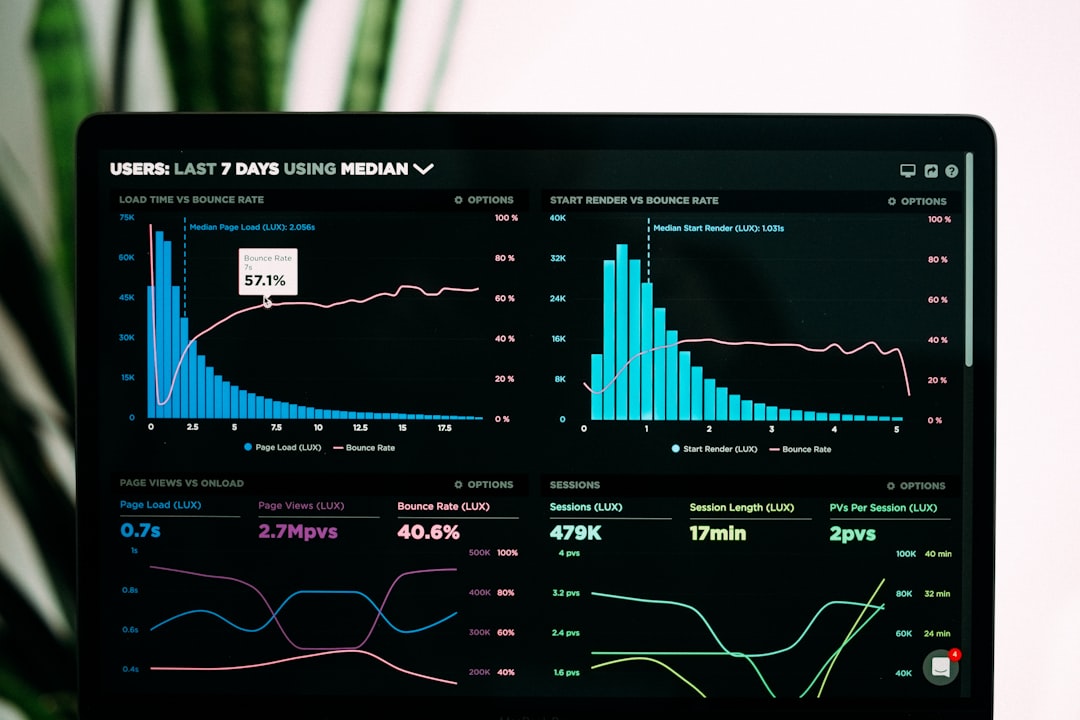
Website performance is a critical factor in user experience and retention. Slow loading times can lead to high bounce rates and lost sales opportunities. Session replay tools can help identify performance bottlenecks by showing how long it takes for users to interact with various elements on a page. By pinpointing specific areas where delays occur, developers can prioritize optimizations that enhance loading speeds.
Moreover, session replay can reveal how performance issues affect user behavior. For instance, if users abandon their sessions due to slow loading times, this data can be invaluable for justifying investments in infrastructure improvements. By addressing performance issues highlighted through session replay analysis, businesses can create a more efficient browsing experience that encourages users to stay longer and engage more deeply with content.
Enhancing Security and Fraud Prevention
Session replay technology also plays a role in enhancing security measures for online platforms. By recording user sessions, businesses can monitor for suspicious activities that may indicate fraudulent behavior. For example, if a user exhibits erratic mouse movements or attempts to access restricted areas of a site, these behaviors can be flagged for further investigation. This proactive approach helps protect both the business and its customers from potential threats.
Additionally, session replay can assist in compliance with data protection regulations by providing transparency into how user data is handled during interactions. By understanding how users navigate through sensitive areas of a site, businesses can implement better security protocols that safeguard personal information. This not only builds trust with customers but also mitigates risks associated with data breaches.
Personalizing the Online Shopping Experience
Personalization has become a key driver of customer satisfaction in e-commerce. Session replay allows businesses to gather insights into individual user preferences and behaviors, enabling them to tailor experiences accordingly.
For instance, if a user frequently browses specific product categories or shows interest in particular brands, this information can be used to customize recommendations and promotions that align with their interests.
Furthermore, personalized experiences foster deeper connections between brands and consumers. When users feel that their preferences are recognized and catered to, they are more likely to engage with the brand over time. Session replay provides the data necessary to create these personalized experiences, ultimately leading to increased customer loyalty and higher conversion rates.
Optimizing Conversion Rates and Sales
Conversion rate optimization (CRO) is essential for maximizing sales potential on any online platform. Session replay offers insights into user behavior that can inform CRO strategies by revealing where users drop off in the conversion funnel. For example, if many users abandon their carts at checkout, session replay can help identify specific obstacles they encounter during the process.
By addressing these obstacles based on session replay insights, businesses can implement changes that improve conversion rates. This might include simplifying forms, clarifying calls-to-action, or enhancing product descriptions. The ability to visualize user interactions allows teams to make data-driven decisions that lead to tangible improvements in sales performance.
Gaining Insights into Customer Journey and Decision-Making Process
Understanding the customer journey is crucial for effective marketing and sales strategies. Session replay provides a detailed view of how users navigate through various touchpoints on a website before making a purchase decision. By analyzing these journeys, businesses can identify key moments that influence decision-making and tailor their messaging accordingly.
Additionally, insights gained from session replay can inform content strategy by highlighting which types of content resonate most with users at different stages of their journey. For instance, if users frequently engage with educational resources before making a purchase, businesses can prioritize creating similar content to guide potential customers through their decision-making process.
Implementing A/B Testing and Experimentation
A/B testing is an essential practice for optimizing website performance and user experience. Session replay complements A/B testing by providing qualitative insights into how users interact with different variations of a webpage or feature. While A/B testing quantifies performance differences between versions, session replay reveals the underlying reasons behind those differences.
For example, if one version of a landing page outperforms another in terms of conversions, session replay can help identify which elements contributed to that success—be it layout changes, color schemes, or content adjustments. This combination of quantitative and qualitative data allows businesses to make informed decisions about design changes and experiment with new ideas effectively.
Leveraging Session Replay for Continuous Improvement and Innovation
The use of session replay technology fosters a culture of continuous improvement within organizations. By regularly analyzing user interactions and feedback through recorded sessions, teams can identify opportunities for innovation and enhancement across their platforms. This ongoing process ensures that businesses remain responsive to changing user needs and preferences.
Moreover, leveraging session replay as part of an iterative development process encourages collaboration among cross-functional teams. Designers, developers, marketers, and product managers can all benefit from shared insights gained through session replay analysis. This collaborative approach not only leads to better outcomes but also cultivates an environment where innovation thrives as teams work together to create exceptional user experiences.
In conclusion, session replay technology offers numerous benefits across various aspects of website management and optimization. From enhancing user experience to improving security measures and driving sales growth, its applications are diverse and impactful. As businesses continue to prioritize customer satisfaction in an increasingly competitive landscape, leveraging session replay will be essential for staying ahead of the curve and fostering long-term success.
FAQs
What is session replay for online stores?
Session replay is a technology that records and visually replays a visitor’s interactions on an online store, such as mouse movements, clicks, scrolling, and navigation. It helps store owners understand user behavior and identify usability issues.
How does session replay benefit online stores?
Session replay provides insights into customer experience by showing exactly how users interact with the website. This helps identify pain points, optimize the user interface, improve conversion rates, and reduce cart abandonment.
Is session replay compliant with privacy regulations?
When implemented correctly, session replay tools can comply with privacy laws like GDPR and CCPA by anonymizing personal data, obtaining user consent, and excluding sensitive information from recordings.
Can session replay data be integrated with other analytics tools?
Yes, many session replay solutions can be integrated with web analytics, heatmaps, and customer feedback tools to provide a comprehensive view of user behavior and enhance data-driven decision making.
What are the limitations of session replay for online stores?
Session replay may not capture every user interaction perfectly, can generate large amounts of data requiring storage and processing, and may raise privacy concerns if not managed properly. It should be used alongside other analytics methods for best results.


0 Comments