





Understanding customer behavior is a fundamental aspect of any successful business strategy. It involves analyzing how customers make decisions, what influences their purchasing habits, and how they interact with products and services. By studying these behaviors, companies can gain insights into the motivations and preferences of their target audience.
This understanding is crucial for developing effective marketing strategies, improving product offerings, and enhancing customer service.
To effectively understand customer behavior, businesses often employ various research methods, including surveys, focus groups, and observational studies. These methods provide valuable data on customer preferences, pain points, and buying patterns. Additionally, analyzing online behavior through website analytics can reveal how customers navigate a site, which products they view most frequently, and where they tend to drop off in the purchasing process. This comprehensive understanding allows businesses to tailor their approaches to meet the specific needs and expectations of their customers.
Key Takeaways
- Understanding and analyzing customer behavior is crucial for effective personalization and marketing strategies.
- Utilizing data analytics and customer journey mapping improves user experience and identifies pain points.
- Leveraging customer feedback and real-time analytics enables continuous improvement and instant insights.
- Targeted segmentation and predictive analytics help tailor marketing efforts and anticipate customer needs.
- Optimizing website/app performance and tracking satisfaction enhances customer loyalty and retention.
Utilizing Data Analytics for Personalization
Data analytics plays a pivotal role in personalizing customer experiences. By collecting and analyzing data from various sources, businesses can create detailed profiles of their customers, which include preferences, purchase history, and browsing behavior. This information enables companies to deliver personalized content, product recommendations, and targeted marketing campaigns that resonate with individual customers. Personalization not only enhances the customer experience but also increases engagement and conversion rates.
Moreover, advanced analytics tools allow businesses to segment their customer base into distinct groups based on shared characteristics or behaviors. This segmentation enables more precise targeting of marketing efforts, ensuring that messages are relevant to each group. For instance, a retailer might use data analytics to identify a segment of customers who frequently purchase athletic wear and then tailor promotions specifically for that group. By leveraging data analytics for personalization, businesses can foster stronger relationships with their customers and drive loyalty.
Improving User Experience with Customer Journey Mapping

Customer journey mapping is a strategic approach that helps businesses visualize the entire experience a customer has with their brand, from initial awareness to post-purchase interactions. This process involves identifying all touchpoints where customers interact with the brand and understanding their emotions and motivations at each stage. By mapping the customer journey, businesses can identify areas for improvement and ensure a seamless experience across all channels.
The insights gained from customer journey mapping can lead to significant enhancements in user experience. For example, if a business discovers that customers often feel frustrated during the checkout process, it can take steps to streamline that experience by simplifying forms or offering multiple payment options. Additionally, journey mapping can highlight opportunities for engagement at critical moments, such as sending follow-up emails after a purchase or providing support during the onboarding process. Ultimately, improving user experience through journey mapping can lead to higher customer satisfaction and increased retention.
Leveraging Customer Feedback for Continuous Improvement
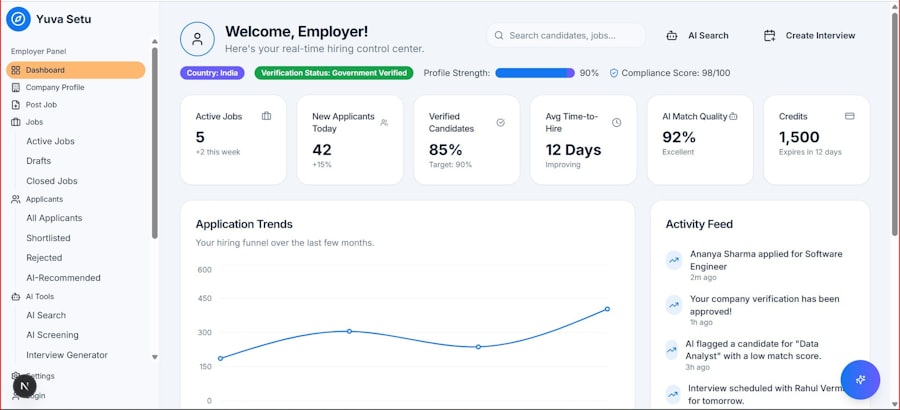
Customer feedback is an invaluable resource for businesses seeking to improve their products and services. By actively soliciting feedback through surveys, reviews, and direct communication, companies can gain insights into what customers appreciate and what areas need enhancement. This feedback loop is essential for continuous improvement, as it allows businesses to adapt to changing customer needs and preferences.
Incorporating customer feedback into decision-making processes can lead to more informed strategies and innovations. For instance, if customers consistently express dissatisfaction with a particular feature of a product, a company can prioritize addressing that issue in future updates or iterations. Additionally, showcasing responsiveness to feedback can enhance customer trust and loyalty, as customers feel valued when their opinions are taken into account. By leveraging customer feedback effectively, businesses can create a culture of continuous improvement that drives long-term success.
Identifying Pain Points and Friction in the Buying Process
| Metric | Description | Importance | Typical Value Range | Data Source |
|---|---|---|---|---|
| Customer Satisfaction Score (CSAT) | Measures customer satisfaction with a product or service on a scale (usually 1-5 or 1-10) | High – Direct indicator of customer happiness | 70% – 90% | Post-purchase surveys, feedback forms |
| Net Promoter Score (NPS) | Measures likelihood of customers recommending the brand to others | High – Reflects customer loyalty and brand advocacy | -100 to 100 (typically 20-70 for ecommerce) | Customer surveys |
| Customer Effort Score (CES) | Measures ease of customer interaction and resolution of issues | Medium – Indicates friction points in customer journey | 1 (low effort) to 7 (high effort) | Customer support surveys |
| Average Order Value (AOV) | Average amount spent per order | Medium – Helps understand purchasing behavior | Varies by ecommerce category | Transaction data |
| Conversion Rate | Percentage of visitors who complete a purchase | High – Key indicator of website effectiveness | 1% – 5% typical range | Web analytics tools |
| Cart Abandonment Rate | Percentage of shoppers who add items to cart but do not complete purchase | High – Identifies drop-off points in purchase funnel | 60% – 80% | Web analytics, ecommerce platform |
| Repeat Purchase Rate | Percentage of customers who make more than one purchase | High – Indicates customer loyalty and satisfaction | 20% – 40% | Customer database, CRM |
| Customer Lifetime Value (CLV) | Projected revenue a customer will generate over their lifetime | High – Guides marketing and retention strategies | Varies widely by business | Sales and customer data |
| Time on Site | Average duration a visitor spends on the ecommerce site | Medium – Indicates engagement level | 2 – 5 minutes | Web analytics |
| Page Load Time | Average time it takes for a page to fully load | High – Affects user experience and conversion | 2 – 4 seconds | Performance monitoring tools |
Identifying pain points in the buying process is crucial for optimizing the customer experience. Pain points refer to specific challenges or obstacles that customers encounter while navigating the purchasing journey. These can range from complicated website navigation to lengthy checkout processes or unclear product information. Recognizing these friction points allows businesses to address them proactively and enhance overall satisfaction.
To identify pain points effectively, companies can utilize various methods such as user testing, heatmaps, and customer feedback analysis. For example, heatmaps can reveal where users click most frequently on a website, indicating areas of interest or confusion. Additionally, analyzing customer support inquiries can highlight recurring issues that may indicate broader problems in the buying process. By systematically addressing these pain points, businesses can create a smoother purchasing experience that encourages conversions and fosters customer loyalty.
Optimizing Website and App Performance with Analytics
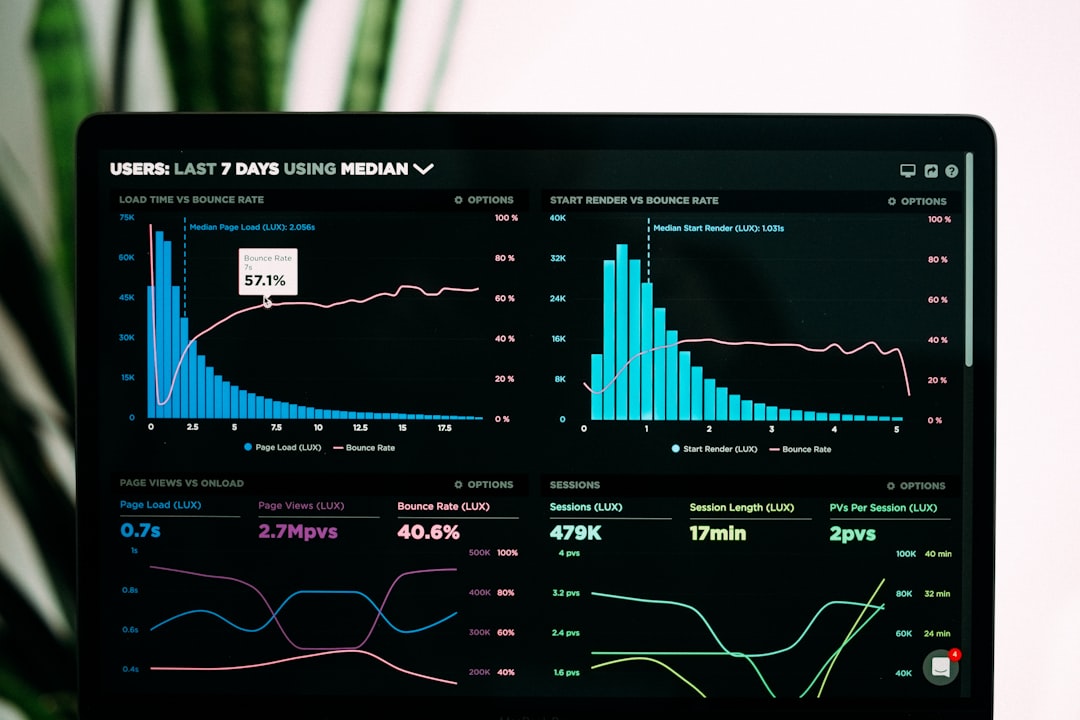
Website and app performance optimization is essential for providing a seamless user experience. Slow loading times, broken links, or unresponsive design can lead to frustration and abandonment among users. By utilizing analytics tools, businesses can monitor performance metrics such as page load speed, bounce rates, and user engagement levels. This data provides insights into how well a website or app is functioning and where improvements are needed.
Regularly analyzing performance metrics allows businesses to make data-driven decisions regarding website or app enhancements. For instance, if analytics reveal that users are dropping off at a specific point in the purchasing process, it may indicate a need for design adjustments or additional support resources. Furthermore, optimizing performance not only improves user satisfaction but also positively impacts search engine rankings, as search engines prioritize fast-loading and user-friendly sites. By focusing on performance optimization through analytics, businesses can create a more effective online presence.
Targeting and Segmenting Customers for Tailored Marketing
Targeting and segmenting customers is a critical component of effective marketing strategies. By dividing the customer base into distinct segments based on demographics, behaviors, or preferences, businesses can tailor their marketing efforts to resonate with specific groups. This targeted approach increases the likelihood of engagement and conversion by delivering relevant messages to the right audience.
Segmentation can be achieved through various methods, including demographic analysis, behavioral tracking, and psychographic profiling. For example, an e-commerce retailer might segment its audience based on past purchase behavior to create personalized email campaigns that promote related products. Additionally, leveraging data analytics allows businesses to refine their targeting over time as they gather more insights about customer preferences. By implementing targeted marketing strategies through segmentation, companies can enhance their overall effectiveness and drive better results.
Tracking and Measuring Customer Satisfaction
Tracking and measuring customer satisfaction is essential for understanding how well a business meets its customers’ needs. Various methods exist for gauging satisfaction levels, including surveys, Net Promoter Score (NPS) assessments, and online reviews. These tools provide valuable insights into customer perceptions of products and services and highlight areas for improvement.
Regularly measuring customer satisfaction allows businesses to identify trends over time and respond proactively to any declines in satisfaction levels. For instance, if survey results indicate a drop in satisfaction following a product launch, companies can investigate potential issues and make necessary adjustments. Additionally, maintaining open lines of communication with customers encourages feedback and fosters a sense of loyalty. By prioritizing the tracking of customer satisfaction metrics, businesses can ensure they remain aligned with their customers’ expectations.
Predicting Customer Needs and Preferences
Predicting customer needs and preferences is an advanced capability that can significantly enhance business strategies. By analyzing historical data and trends, companies can anticipate what customers are likely to want in the future. This predictive approach enables businesses to stay ahead of market demands and tailor their offerings accordingly.
Machine learning algorithms and predictive analytics tools are often employed to analyze vast amounts of data for patterns that indicate future behavior. For example, an online retailer might use predictive analytics to forecast which products will be popular during an upcoming season based on past sales data and current trends. By accurately predicting customer needs, businesses can optimize inventory management, marketing strategies, and product development efforts. This proactive approach not only improves operational efficiency but also enhances customer satisfaction by ensuring that desired products are readily available.
Enhancing Customer Loyalty and Retention
Enhancing customer loyalty and retention is vital for long-term business success. Loyal customers not only contribute repeat business but also serve as brand advocates who promote products through word-of-mouth referrals. To foster loyalty, businesses must focus on delivering exceptional experiences consistently across all touchpoints.
Implementing loyalty programs is one effective strategy for encouraging repeat purchases and rewarding loyal customers. These programs often offer incentives such as discounts, exclusive access to new products, or points redeemable for future purchases. Additionally, maintaining strong communication with customers through personalized outreach helps reinforce relationships and keeps the brand top-of-mind. By prioritizing loyalty initiatives and consistently delivering value to customers, businesses can cultivate lasting relationships that drive sustained growth.
Implementing Real-time Analytics for Instant Insights
Real-time analytics provides businesses with immediate insights into customer behavior and operational performance. By leveraging real-time data collection tools, companies can monitor key metrics as they happen rather than relying on historical data alone. This capability allows for swift decision-making and agile responses to changing market conditions or customer needs.
For instance, e-commerce platforms can use real-time analytics to track website traffic during promotional events or product launches. If certain products are experiencing high demand while others are lagging behind, businesses can adjust marketing efforts or inventory levels accordingly in real time. Additionally, real-time analytics enables companies to identify emerging trends or issues quickly, allowing them to address potential problems before they escalate. By implementing real-time analytics effectively, businesses can enhance their responsiveness and adaptability in an ever-changing marketplace.
FAQs
What is customer experience analytics in ecommerce?
Customer experience analytics in ecommerce refers to the process of collecting and analyzing data related to how customers interact with an online store. This includes tracking behaviors such as browsing patterns, purchase history, and feedback to understand and improve the overall shopping experience.
Why is customer experience analytics important for ecommerce businesses?
Customer experience analytics helps ecommerce businesses identify pain points, optimize website design, personalize marketing efforts, and enhance customer satisfaction. By understanding customer behavior, businesses can increase conversion rates, reduce churn, and build long-term loyalty.
What types of data are used in customer experience analytics for ecommerce?
Data used includes website interaction metrics (clicks, time spent, navigation paths), transaction data (purchase frequency, average order value), customer feedback (reviews, surveys), and demographic information. Combining these data types provides a comprehensive view of the customer journey.
How can ecommerce companies collect customer experience data?
Ecommerce companies collect data through tools like web analytics platforms (e.g., Google Analytics), customer feedback forms, heatmaps, session recordings, and CRM systems. They may also use AI-powered tools to analyze customer sentiment and behavior in real time.
What are some common challenges in implementing customer experience analytics in ecommerce?
Challenges include data privacy concerns, integrating data from multiple sources, ensuring data accuracy, and interpreting complex datasets effectively. Additionally, businesses must continuously update analytics strategies to keep pace with changing customer behaviors and technology.



0 Comments