





Website analytics serve as a critical tool for businesses seeking to understand their online presence and performance. By collecting and analyzing data related to user interactions, businesses can gain insights into how visitors engage with their websites.
This information is essential for making informed decisions that can enhance user experience, optimize marketing strategies, and ultimately drive sales.
The ability to track metrics such as page views, bounce rates, and conversion rates allows businesses to identify strengths and weaknesses in their online offerings.
Moreover, website analytics provide a framework for measuring the effectiveness of various marketing campaigns. By analyzing traffic sources, businesses can determine which channels are most effective in attracting visitors. This understanding enables companies to allocate resources more efficiently, focusing on strategies that yield the highest return on investment. In an increasingly competitive digital landscape, leveraging website analytics is not just beneficial; it is essential for sustained growth and success.
Key Takeaways
- Website analytics are crucial for understanding user behavior and improving overall site performance.
- Data-driven insights help enhance user experience and personalize customer interactions.
- Analyzing customer behavior and trends can effectively boost sales and optimize marketing strategies.
- Conversion rate optimization and A/B testing are key methods to increase website effectiveness and sales.
- Tracking KPIs and integrating mobile and social media data support informed decisions in retail management and marketing.
Utilizing Data to Improve User Experience
Data plays a pivotal role in enhancing user experience on websites. By analyzing user behavior, businesses can identify pain points that may hinder navigation or lead to frustration. For instance, if analytics reveal that users frequently abandon their shopping carts at a specific stage in the checkout process, businesses can investigate the issue further. This might involve simplifying the checkout process or providing clearer instructions to guide users through their purchases.
Additionally, data can inform design decisions that cater to user preferences. By understanding which elements of a website attract the most engagement, businesses can prioritize those features in their design updates. For example, if analytics show that users spend more time on pages with video content, companies might consider incorporating more multimedia elements into their site. Ultimately, utilizing data to improve user experience not only enhances customer satisfaction but also fosters loyalty and repeat business.
Analyzing Customer Behavior to Drive Sales

Understanding customer behavior is crucial for driving sales in any retail environment. By analyzing data related to how customers interact with a website, businesses can uncover valuable insights into purchasing patterns and preferences. For instance, tracking which products are frequently viewed together can inform cross-selling strategies, allowing retailers to recommend complementary items during the shopping process.
Furthermore, analyzing customer behavior can help businesses tailor their marketing efforts. By segmenting customers based on their browsing history or purchase behavior, companies can create targeted campaigns that resonate with specific audiences. This level of personalization increases the likelihood of conversion, as customers are more inclined to engage with content that aligns with their interests. In this way, leveraging customer behavior data becomes a powerful tool for driving sales and enhancing overall business performance.
Identifying Trends and Patterns in Customer Interactions
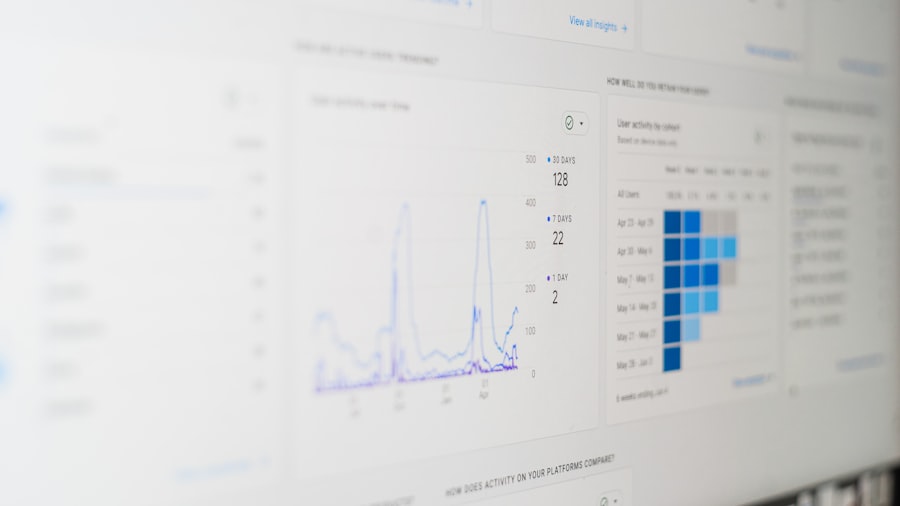
Identifying trends and patterns in customer interactions is essential for businesses aiming to stay ahead of the competition. By examining data over time, companies can spot emerging trends that may influence their product offerings or marketing strategies. For example, if analytics indicate a growing interest in sustainable products among consumers, businesses can adjust their inventory to include more eco-friendly options.
Additionally, recognizing patterns in customer interactions can inform seasonal marketing efforts. For instance, if data shows that certain products see increased sales during specific times of the year, businesses can plan promotions or advertising campaigns accordingly. This proactive approach allows companies to capitalize on trends before they peak, maximizing sales opportunities and enhancing brand visibility.
Utilizing Conversion Rate Optimization to Increase Sales
| Metric | Description | Typical Value Range | Importance for Retailers |
|---|---|---|---|
| Traffic Sources | Breakdown of where visitors come from (organic, paid, direct, referral, social) | Varies by campaign and season | Helps identify most effective marketing channels |
| Conversion Rate | Percentage of visitors who complete a purchase | 1% – 5% | Measures effectiveness of website in driving sales |
| Average Order Value (AOV) | Average amount spent per transaction | Varies by product category | Helps optimize pricing and promotions |
| Bounce Rate | Percentage of visitors who leave after viewing only one page | 20% – 50% | Indicates engagement and relevance of landing pages |
| Cart Abandonment Rate | Percentage of shoppers who add items to cart but do not complete purchase | 60% – 80% | Highlights issues in checkout process or pricing |
| Session Duration | Average time visitors spend on the website | 2 – 5 minutes | Reflects user engagement and content effectiveness |
| Repeat Visitor Rate | Percentage of visitors who return to the website | 20% – 40% | Measures customer loyalty and satisfaction |
| Mobile Traffic Percentage | Proportion of visitors accessing the site via mobile devices | 50% – 70% | Important for optimizing mobile user experience |
Conversion rate optimization (CRO) is a systematic approach aimed at increasing the percentage of website visitors who take desired actions, such as making a purchase or signing up for a newsletter. By analyzing user behavior and identifying barriers to conversion, businesses can implement targeted changes that enhance the likelihood of successful transactions. This might involve optimizing landing pages, improving call-to-action buttons, or streamlining the checkout process.
Moreover, CRO is an ongoing process that requires continuous testing and refinement. Businesses should regularly review analytics to assess the impact of changes made to their websites. By measuring conversion rates before and after implementing modifications, companies can determine which strategies are most effective in driving sales. Ultimately, a focus on conversion rate optimization not only boosts revenue but also contributes to a more satisfying user experience.
Leveraging A/B Testing for Website Optimization
A/B testing is a valuable method for optimizing website performance by comparing two versions of a webpage to determine which one yields better results. This technique allows businesses to test various elements, such as headlines, images, or layouts, in a controlled environment. By directing a portion of traffic to each version and analyzing user behavior, companies can make data-driven decisions about which design or content resonates more effectively with their audience.
The insights gained from A/B testing can lead to significant improvements in key metrics such as conversion rates and user engagement. For instance, if one version of a landing page results in higher sign-up rates than another, businesses can confidently implement the more successful design across their site. This iterative approach not only enhances website performance but also fosters a culture of continuous improvement within organizations.
Personalizing the Customer Experience with Data
Personalization has become a cornerstone of effective online retail strategies. By leveraging data collected from user interactions, businesses can create tailored experiences that resonate with individual customers. This might involve recommending products based on past purchases or browsing history or sending personalized email campaigns that reflect users’ interests.
The benefits of personalization extend beyond immediate sales; they also contribute to long-term customer loyalty. When customers feel understood and valued through personalized experiences, they are more likely to return for future purchases. Additionally, personalized marketing efforts often yield higher engagement rates compared to generic campaigns, further enhancing the effectiveness of promotional strategies.
Tracking and Analyzing Key Performance Indicators (KPIs)
Key performance indicators (KPIs) are essential metrics that help businesses measure their success against specific objectives. Tracking KPIs related to website performance provides valuable insights into areas that require improvement or adjustment. Common KPIs include conversion rates, average order value, customer acquisition cost, and return on investment for marketing campaigns.
By regularly analyzing these indicators, businesses can make informed decisions about where to allocate resources and how to adjust their strategies. For example, if data reveals a high customer acquisition cost relative to lifetime value, companies may need to reevaluate their marketing tactics or focus on improving customer retention efforts. Ultimately, tracking and analyzing KPIs enables organizations to maintain alignment with their goals and drive sustainable growth.
Understanding the Impact of Mobile and Social Media on Retail Sales
The rise of mobile devices and social media has transformed the retail landscape significantly. As consumers increasingly turn to their smartphones for shopping and social interaction, businesses must adapt their strategies accordingly. Website analytics can provide insights into mobile traffic patterns and social media engagement levels, helping companies understand how these channels influence sales.
For instance, if analytics show that a significant portion of traffic comes from mobile devices but conversion rates are lower than expected, businesses may need to optimize their mobile experience further. Similarly, understanding which social media platforms drive the most traffic can inform marketing strategies aimed at maximizing engagement and conversions through those channels. Recognizing the impact of mobile and social media on retail sales is crucial for developing effective strategies in today’s digital marketplace.
Utilizing Website Analytics for Inventory Management
Website analytics not only inform marketing strategies but also play a vital role in inventory management. By analyzing sales data and customer behavior patterns, businesses can make informed decisions about stock levels and product offerings. For example, if analytics indicate that certain products consistently sell out quickly while others linger unsold, companies can adjust their inventory accordingly.
Additionally, understanding seasonal trends through website analytics allows businesses to prepare for fluctuations in demand. By anticipating which products will be popular during specific times of the year, retailers can ensure they have adequate stock on hand to meet customer needs without overextending themselves financially. Utilizing website analytics for inventory management ultimately leads to more efficient operations and improved customer satisfaction.
Implementing a Data-Driven Marketing Strategy for Retail Success
A data-driven marketing strategy is essential for retail success in an increasingly competitive environment. By leveraging insights gained from website analytics and customer behavior analysis, businesses can create targeted campaigns that resonate with their audience. This approach allows companies to allocate resources effectively and focus on initiatives that yield measurable results.
Moreover, a data-driven strategy enables continuous refinement based on real-time feedback from customers. By monitoring campaign performance through analytics tools, businesses can quickly identify what works and what doesn’t, allowing them to pivot as needed. In this way, implementing a data-driven marketing strategy not only enhances overall effectiveness but also positions retailers for long-term success in an evolving marketplace.
In conclusion, website analytics are indispensable for modern retail operations. From improving user experience to driving sales through targeted marketing efforts, the insights gained from data analysis empower businesses to make informed decisions that enhance performance across various dimensions. As technology continues to evolve, leveraging these analytical tools will remain crucial for retailers seeking to thrive in an increasingly digital world.
FAQs
What is website analytics for retailers?
Website analytics for retailers involves collecting and analyzing data from their online store to understand customer behavior, track sales performance, and optimize marketing strategies.
Why is website analytics important for retail businesses?
Website analytics helps retailers identify which products are popular, monitor traffic sources, improve user experience, and make data-driven decisions to increase sales and customer retention.
What key metrics should retailers track using website analytics?
Retailers should focus on metrics such as conversion rate, average order value, bounce rate, traffic sources, customer demographics, and cart abandonment rate.
How can retailers use website analytics to improve their marketing efforts?
By analyzing data on visitor behavior and campaign performance, retailers can tailor promotions, optimize advertising spend, target the right audience, and personalize customer experiences.
Are there specific tools recommended for website analytics in retail?
Popular tools include Google Analytics, Adobe Analytics, Shopify Analytics, and specialized retail analytics platforms that offer insights tailored to e-commerce and retail needs.



0 Comments