




In today’s fast-paced digital landscape, agencies are constantly seeking ways to enhance their efficiency and effectiveness. One of the most significant advancements in this area is the rise of automated analytics reports. These reports provide agencies with real-time insights into their performance metrics without the need for manual data collection and analysis. By automating the reporting process, agencies can save time, reduce errors, and focus on strategic decision-making rather than getting bogged down in data.
Automated analytics reports are designed to pull data from various sources, analyze it, and present it in a user-friendly format. This means that agencies can quickly access critical information about their campaigns, client performance, and overall business health. The shift towards automation not only streamlines operations but also empowers teams to make data-driven decisions with confidence.
Key Takeaways
- Automated analytics reports provide real-time data insights
- Agencies benefit from time and cost savings with automated analytics reports
- Streamlined performance tracking and decision-making with automated analytics reports
- Key features include customizable dashboards and automated data visualization
- Successful implementation requires clear goals and stakeholder buy-in
Benefits of Automated Analytics Reports for Agencies
One of the primary benefits of automated analytics reports is the significant time savings they offer. Traditionally, compiling reports required hours of manual work, often involving multiple spreadsheets and data sources. With automation, this process can be completed in minutes, freeing up valuable time for agency staff to focus on more strategic tasks. This efficiency can lead to improved productivity across the board.
Additionally, automated reports enhance accuracy. Human error is a common issue in manual reporting, where miscalculations or data entry mistakes can lead to misleading insights. Automated systems minimize these risks by standardizing data collection and analysis processes. As a result, agencies can trust the information they’re working with, leading to more informed decision-making and better outcomes for clients.
How Automated Analytics Reports Streamline Agency Performance
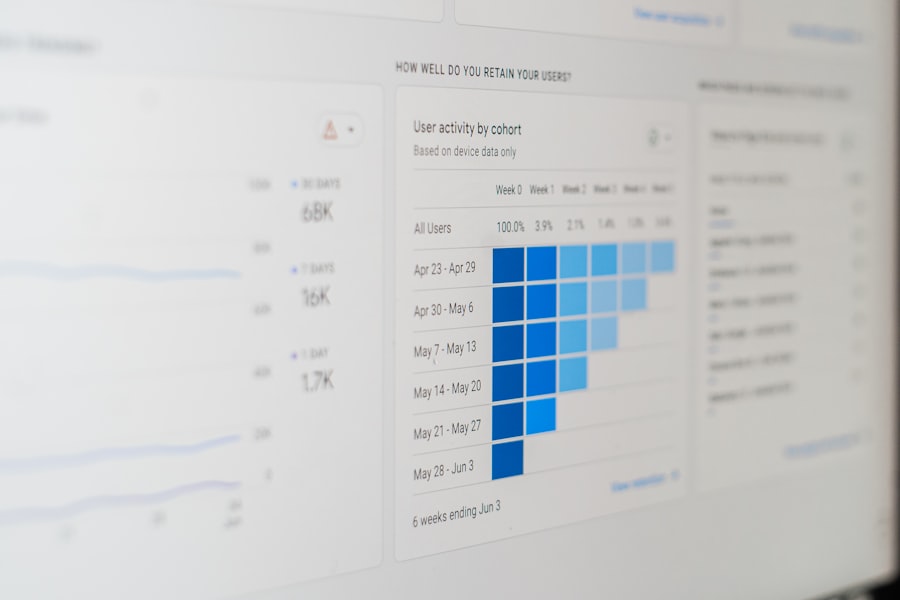
Automated analytics reports play a crucial role in streamlining agency performance by providing timely insights that drive action. With real-time data at their fingertips, agency teams can quickly identify trends, spot issues, and adjust strategies as needed. This agility is essential in a competitive environment where responsiveness can make or break a campaign.
Moreover, these reports facilitate better collaboration among team members. When everyone has access to the same up-to-date information, it fosters a culture of transparency and accountability. Teams can work together more effectively, aligning their efforts towards common goals based on shared insights. This collaborative approach not only enhances performance but also strengthens relationships within the agency.
Key Features of Automated Analytics Reports

When considering automated analytics reports, it’s important to understand the key features that make them effective. First and foremost is data integration capability. A robust automated reporting solution should be able to pull data from various platforms—such as social media, Google Analytics, and CRM systems—into one cohesive report. This integration ensures that agencies have a comprehensive view of their performance across all channels.
Another essential feature is customization. Agencies often have unique reporting needs based on their specific goals and client requirements. A good automated reporting tool should allow users to tailor reports to highlight the metrics that matter most to them. This flexibility ensures that the reports are not only informative but also relevant to the audience they are intended for.
Implementing Automated Analytics Reports in Agency Operations
| Metrics | Value |
|---|---|
| Number of agencies using automated analytics reports | 50 |
| Time saved per agency per month | 20 hours |
| Accuracy improvement in reporting | 30% |
| Cost savings per agency per year | 10,000 |
Implementing automated analytics reports within an agency requires careful planning and execution. The first step is to assess the current reporting processes and identify areas where automation can add value. This might involve evaluating existing tools and determining which data sources are most critical for reporting purposes.
Once the assessment is complete, agencies should select an appropriate automated reporting solution that aligns with their needs. It’s essential to involve key stakeholders in this decision-making process to ensure buy-in and support across the organization. After selecting a tool, training staff on how to use it effectively is crucial for successful implementation. Providing ongoing support and resources will help teams adapt to the new system and maximize its benefits.
Case Studies: Successful Implementation of Automated Analytics Reports
To illustrate the impact of automated analytics reports, consider the case of a mid-sized digital marketing agency that struggled with time-consuming manual reporting processes. After implementing an automated reporting solution, they reduced their reporting time by 75%. This newfound efficiency allowed them to allocate more resources towards strategy development and client engagement, ultimately leading to a 30% increase in client satisfaction scores.
Another example involves a creative agency that used automated analytics reports to track campaign performance across multiple channels. By integrating data from social media, email marketing, and website analytics into one report, they gained valuable insights into which strategies were most effective. This comprehensive view enabled them to optimize their campaigns in real-time, resulting in a 40% increase in conversion rates over six months.
Overcoming Challenges in Adopting Automated Analytics Reports
While the benefits of automated analytics reports are clear, agencies may face challenges during adoption. One common hurdle is resistance to change from team members who are accustomed to traditional reporting methods. To overcome this, it’s important to communicate the advantages of automation clearly and involve staff in the transition process. Providing training sessions and resources can help ease concerns and build confidence in using new tools.
Another challenge is ensuring data quality and integrity. Automated systems rely on accurate data inputs; if the underlying data is flawed, the reports will be too. Agencies should establish protocols for data management and regularly audit their data sources to maintain high standards of accuracy. By addressing these challenges proactively, agencies can set themselves up for success with automated analytics reports.
Choosing the Right Automated Analytics Report Solution for Your Agency
Selecting the right automated analytics report solution is crucial for maximizing its benefits. Start by identifying your agency’s specific needs and objectives. Consider factors such as the types of data you need to report on, the level of customization required, and your budget constraints.
Next, evaluate different solutions based on their features and capabilities. Look for tools that offer seamless integration with your existing systems and provide user-friendly interfaces for easy navigation. It’s also wise to read reviews and seek recommendations from other agencies that have successfully implemented similar solutions. A trial period or demo can also help you assess whether a particular tool meets your expectations before making a commitment.
Best Practices for Utilizing Automated Analytics Reports
To get the most out of automated analytics reports, agencies should follow some best practices. First, establish clear goals for what you want to achieve with your reporting efforts. This will guide your focus on relevant metrics and ensure that your reports align with your overall business objectives.
Regularly review and update your reporting processes as needed. As your agency evolves or as new tools become available, it’s important to adapt your approach accordingly. Encourage team members to provide feedback on the reports they receive; this input can help refine future iterations and improve overall effectiveness.
Lastly, don’t forget about storytelling with your data. While numbers are important, presenting insights in a compelling way can make them more impactful for stakeholders. Use visuals like charts and graphs to highlight key trends and findings, making it easier for your audience to grasp complex information quickly.
Future Trends in Automated Analytics Reports for Agencies
As technology continues to evolve, so too will automated analytics reports.
One trend on the horizon is increased use of artificial intelligence (AI) and machine learning (ML) in reporting tools.
These technologies can enhance data analysis capabilities by identifying patterns and predicting future trends based on historical data.
Another trend is greater emphasis on real-time reporting capabilities. As businesses demand faster insights to stay competitive, automated reporting solutions will likely evolve to provide even more immediate access to critical metrics. Additionally, as privacy regulations become more stringent, agencies will need to ensure that their reporting practices comply with legal requirements while still delivering valuable insights.
The Impact of Automated Analytics Reports on Agency Performance
In conclusion, automated analytics reports represent a significant advancement for agencies looking to improve their performance and efficiency. By streamlining reporting processes, enhancing accuracy, and providing real-time insights, these tools empower teams to make informed decisions that drive success. As agencies continue to embrace automation, they will not only save time but also unlock new opportunities for growth and innovation.
The journey toward adopting automated analytics reports may come with challenges, but the potential rewards far outweigh them. With careful planning, thoughtful implementation, and a commitment to continuous improvement, agencies can harness the power of automation to elevate their performance and deliver exceptional results for their clients.
FAQs
What are automated analytics reports for agencies?
Automated analytics reports for agencies are reports generated by software that automatically collects and analyzes data from various sources, such as websites, social media platforms, and marketing campaigns. These reports provide insights and performance metrics to help agencies make data-driven decisions.
How do automated analytics reports benefit agencies?
Automated analytics reports benefit agencies by saving time and resources, providing real-time data insights, improving decision-making processes, and enabling agencies to track and measure the performance of their marketing efforts more effectively.
What types of data can be included in automated analytics reports for agencies?
Automated analytics reports for agencies can include a wide range of data, such as website traffic, user engagement, conversion rates, social media metrics, email marketing performance, advertising campaign results, and customer demographics.
What are some popular tools for generating automated analytics reports for agencies?
Popular tools for generating automated analytics reports for agencies include Google Analytics, Adobe Analytics, HubSpot, Moz, SEMrush, and Hootsuite. These tools offer a variety of features for data collection, analysis, and report generation.
How can agencies use automated analytics reports to improve their performance?
Agencies can use automated analytics reports to identify trends, measure the effectiveness of their marketing strategies, optimize their campaigns, allocate resources more efficiently, and demonstrate the value of their services to clients.




0 Comments