





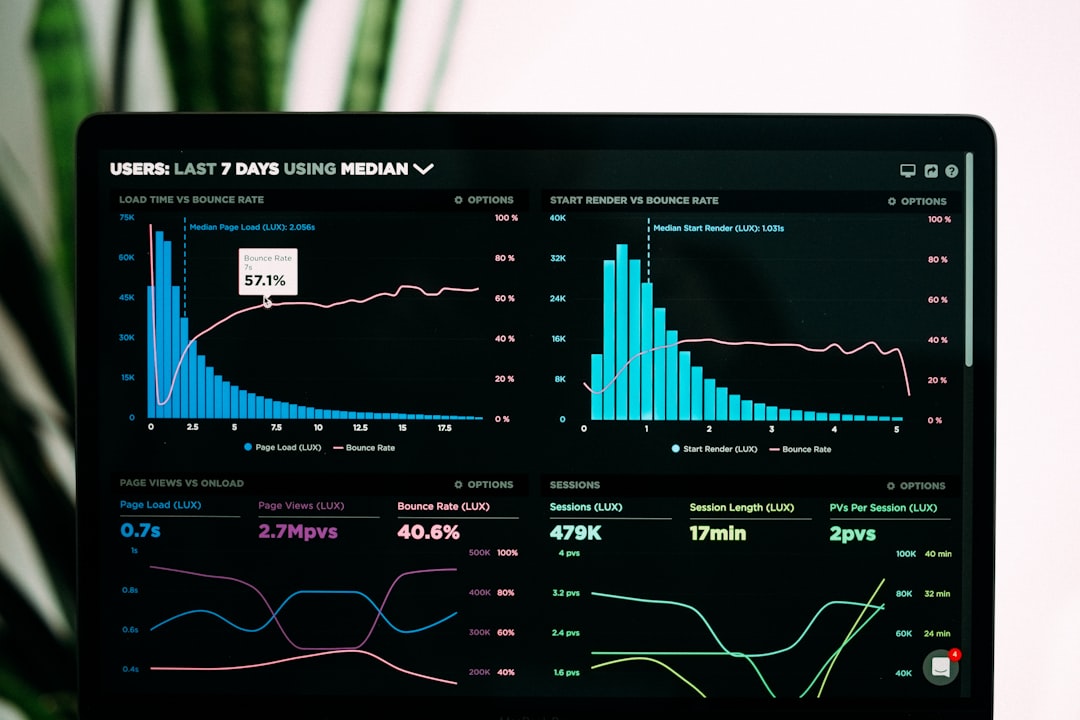
Artificial Intelligence (AI) has become a transformative force across various industries, and ecommerce is no exception. One of the innovative applications of AI in this sector is the use of heat maps, which provide visual representations of data that can significantly enhance decision-making processes. By analyzing user behavior and interactions on ecommerce platforms, AI heat maps help businesses understand customer preferences and optimize their online presence. This article delves into the intricacies of AI heat maps, their role in ecommerce analysis, and how they can be effectively implemented to drive success.
The integration of AI into ecommerce analysis has opened new avenues for understanding consumer behavior. Traditional methods of data analysis often fall short in providing real-time insights, whereas AI-driven heat maps offer a dynamic approach to visualizing complex data sets. These tools not only highlight areas of interest on a webpage but also reveal patterns that can inform marketing strategies and website design. As ecommerce continues to evolve, the importance of leveraging AI heat maps becomes increasingly evident for businesses aiming to stay competitive.
Key Takeaways
- AI heat maps provide visual insights into customer behavior on ecommerce platforms.
- They enhance ecommerce analysis by identifying user engagement and pain points.
- AI-driven heat maps improve decision-making through precise data interpretation.
- Implementing AI heat maps can boost conversion rates and overall sales performance.
- Avoid common pitfalls by understanding proper usage and continuously updating strategies.
Understanding Ecommerce Analysis
Ecommerce analysis encompasses a range of techniques and methodologies aimed at understanding consumer behavior, sales trends, and overall market dynamics. It involves collecting and interpreting data from various sources, including website traffic, customer interactions, and sales performance. The goal is to gain insights that can inform business strategies, improve customer experiences, and ultimately drive revenue growth. In an increasingly digital marketplace, effective ecommerce analysis is crucial for identifying opportunities and addressing challenges.
At its core, ecommerce analysis relies on data-driven decision-making. Businesses utilize various tools and metrics to assess their performance, such as conversion rates, average order value, and customer retention rates. By analyzing these metrics, companies can identify strengths and weaknesses in their operations. However, the sheer volume of data generated in the ecommerce space can be overwhelming. This is where advanced technologies like AI come into play, enabling more sophisticated analysis and interpretation of data.
The Role of AI in Ecommerce Analysis

AI plays a pivotal role in enhancing ecommerce analysis by automating data processing and providing deeper insights into consumer behavior. Machine learning algorithms can analyze vast amounts of data at unprecedented speeds, identifying trends and patterns that may not be immediately apparent to human analysts. This capability allows businesses to make informed decisions based on real-time data rather than relying solely on historical trends.
Moreover, AI can personalize the shopping experience for consumers by analyzing their preferences and behaviors. By leveraging predictive analytics, businesses can anticipate customer needs and tailor their offerings accordingly. This level of personalization not only improves customer satisfaction but also increases the likelihood of conversions. As AI technology continues to advance, its integration into ecommerce analysis will become even more sophisticated, enabling businesses to stay ahead of the curve.
What are Heat Maps?

Heat maps are graphical representations of data where individual values are represented by colors. In the context of ecommerce, heat maps visualize user interactions on a website, indicating where users click, scroll, or spend the most time. This visual format makes it easier for businesses to understand user behavior at a glance, allowing them to identify which areas of their website are most engaging or problematic.
There are several types of heat maps commonly used in ecommerce analysis. Click maps show where users click on a webpage, while scroll maps illustrate how far down a page users scroll before losing interest. Attention maps combine these elements to provide a comprehensive view of user engagement. By utilizing these tools, businesses can gain valuable insights into how customers navigate their sites and what elements capture their attention.
How AI Heat Maps are Revolutionizing Ecommerce Analysis
| Metric | Description | Typical Value / Range | Importance for Ecommerce |
|---|---|---|---|
| Click Density | Number of clicks per area on a webpage | High density on product images and CTA buttons | Identifies most engaging elements to optimize layout |
| Scroll Depth | Percentage of page scrolled by users | 50-80% on product pages | Measures content visibility and engagement |
| Hover Time | Duration users hover over specific elements | 2-5 seconds on product descriptions | Indicates user interest and potential friction points |
| Attention Heat Zones | Areas attracting most user focus based on AI analysis | Top fold and product thumbnails | Helps prioritize content placement for conversions |
| Conversion Rate by Zone | Percentage of users converting after interacting with specific areas | 5-15% on featured product sections | Measures effectiveness of page elements in driving sales |
| Drop-off Points | Areas where users frequently leave the page | Checkout button or lengthy forms | Identifies UX issues to reduce cart abandonment |
AI heat maps are revolutionizing ecommerce analysis by combining traditional heat mapping techniques with advanced AI algorithms. This integration allows for more accurate predictions and deeper insights into user behavior. For instance, AI can analyze historical data to identify patterns in user interactions and predict future behavior based on these trends. This predictive capability enhances the effectiveness of heat maps by providing context to the visual data.
Furthermore, AI heat maps can adapt in real-time as user behavior changes. Unlike static heat maps that reflect a single point in time, AI-driven heat maps continuously update based on ongoing interactions. This dynamic nature enables businesses to respond quickly to shifts in consumer behavior, optimizing their websites for maximum engagement and conversion rates. As a result, companies can make more informed decisions about design changes, marketing strategies, and product placements.
Benefits of Using AI Heat Maps in Ecommerce Analysis
The benefits of using AI heat maps in ecommerce analysis are manifold. First and foremost, they provide a clear visual representation of complex data sets, making it easier for stakeholders to understand user behavior without needing extensive analytical training. This accessibility allows teams across various departments—such as marketing, design, and product development—to collaborate more effectively based on shared insights.
Additionally, AI heat maps enhance decision-making by offering actionable insights that can lead to improved user experiences. By identifying which elements of a webpage are most engaging or which areas may be causing frustration, businesses can make targeted adjustments that enhance usability. This iterative process not only improves customer satisfaction but also contributes to higher conversion rates and increased sales.
Case Studies: Success Stories of AI Heat Maps in Ecommerce
Several companies have successfully implemented AI heat maps to enhance their ecommerce strategies. For example, an online fashion retailer utilized AI heat maps to analyze user interactions on their product pages. By identifying which images attracted the most clicks and which descriptions were frequently ignored, they were able to redesign their pages to highlight popular items more effectively. As a result, the retailer saw a significant increase in conversion rates and overall sales.
Another case involved a major electronics retailer that used AI heat maps to optimize its checkout process. By analyzing user behavior during the checkout phase, they discovered that many customers abandoned their carts at specific points due to confusion or frustration with the interface. Armed with this information, the retailer streamlined the checkout process and made it more intuitive. The changes led to a marked decrease in cart abandonment rates and an increase in completed transactions.
Implementing AI Heat Maps in Your Ecommerce Strategy
To effectively implement AI heat maps in an ecommerce strategy, businesses should start by selecting the right tools that align with their specific needs. There are various software solutions available that offer heat mapping capabilities integrated with AI analytics. Once a tool is chosen, it is essential to establish clear objectives for what insights the business hopes to gain from the heat map analysis.
After implementation, continuous monitoring is crucial. Regularly reviewing heat map data allows businesses to track changes in user behavior over time and assess the impact of any modifications made to the website or marketing strategies. Additionally, integrating heat map insights with other analytics tools can provide a more comprehensive view of overall performance and customer engagement.
Common Mistakes to Avoid When Using AI Heat Maps
While AI heat maps offer valuable insights, there are common pitfalls that businesses should avoid when utilizing them.
One significant mistake is relying solely on heat map data without considering other metrics or qualitative feedback from users.
Heat maps provide a visual representation of behavior but do not explain why users behave in certain ways; thus, combining quantitative data with qualitative insights is essential for a holistic understanding.
Another common error is failing to act on the insights gained from heat map analysis. Businesses may identify areas for improvement but neglect to implement changes based on those findings. It is crucial to create an action plan that outlines how insights will be translated into tangible improvements on the website or within marketing strategies.
The Future of AI Heat Maps in Ecommerce Analysis
The future of AI heat maps in ecommerce analysis looks promising as technology continues to evolve. Advancements in machine learning and data analytics will likely lead to even more sophisticated tools that provide deeper insights into consumer behavior. For instance, future iterations may incorporate predictive modeling that not only visualizes past behavior but also forecasts future trends based on emerging patterns.
Moreover, as ecommerce becomes increasingly competitive, businesses will need to leverage every available tool to gain an edge over their rivals. The integration of AI heat maps with other technologies—such as augmented reality or virtual reality—could further enhance user experiences and engagement levels on ecommerce platforms.
Embracing AI Heat Maps for Ecommerce Success
In conclusion, AI heat maps represent a significant advancement in ecommerce analysis that can drive success for businesses willing to embrace this technology. By providing clear visualizations of user behavior and enabling real-time insights, these tools empower companies to make informed decisions that enhance customer experiences and optimize online performance. As the ecommerce landscape continues to evolve, integrating AI heat maps into business strategies will be essential for staying competitive and meeting the ever-changing demands of consumers. Embracing this technology not only facilitates better understanding but also paves the way for sustained growth in an increasingly digital marketplace.
FAQs
What are AI heat maps in ecommerce?
AI heat maps in ecommerce are visual representations generated using artificial intelligence to analyze customer behavior on online stores. They highlight areas of a webpage where users focus their attention, click, or scroll, helping retailers understand user engagement and optimize site design.
How do AI heat maps improve ecommerce websites?
AI heat maps improve ecommerce websites by providing insights into user interactions, such as which products or sections attract the most attention. This data helps businesses enhance user experience, increase conversion rates, and strategically place calls-to-action or promotions.
What data sources do AI heat maps use in ecommerce?
AI heat maps typically use data from user interactions like mouse movements, clicks, scroll depth, and sometimes eye-tracking information. This data is collected through tracking scripts embedded in the ecommerce site and processed by AI algorithms to generate the heat maps.
Are AI heat maps suitable for all types of ecommerce platforms?
Yes, AI heat maps can be integrated with most ecommerce platforms, including Shopify, Magento, WooCommerce, and custom-built sites. The key requirement is the ability to embed tracking code or use compatible plugins to collect user interaction data.
Can AI heat maps help increase sales in ecommerce?
Yes, by identifying which parts of a webpage attract the most attention and which are ignored, AI heat maps enable ecommerce businesses to optimize product placement, navigation, and design elements. This targeted optimization can lead to improved user engagement and higher sales conversions.


0 Comments