





Website performance metrics are essential indicators that help assess how well a website functions. These metrics provide insights into various aspects of a website’s operation, including load times, responsiveness, and overall user experience. Key performance indicators (KPIs) such as page load time, time to first byte (TTFB), and bounce rate are commonly used to evaluate a website’s efficiency. By analyzing these metrics, website owners can identify areas that require improvement and implement strategies to enhance performance.
In addition to load times and responsiveness, other metrics like conversion rates and user engagement levels are crucial for understanding how visitors interact with a website. High bounce rates may indicate that users are not finding what they expect, while low conversion rates can suggest that the website is not effectively guiding visitors toward making a purchase. By monitoring these performance metrics, businesses can make informed decisions to optimize their websites for better user experiences and increased sales.
Key Takeaways
- Website speed and performance are critical for ecommerce success, directly impacting user experience and sales.
- Mobile optimization and responsive design ensure accessibility and usability across all devices.
- Techniques like image/video optimization, browser caching, and minimizing HTTP requests improve load times.
- Using CDNs and selecting the right hosting provider enhance website reliability and speed globally.
- Continuous monitoring, A/B testing, and data analysis are essential for ongoing ecommerce website optimization.
Importance of Website Speed in Ecommerce
Website speed plays a critical role in the success of ecommerce platforms. Research has shown that even a one-second delay in page load time can lead to significant drops in conversion rates. Customers expect fast-loading pages, and any delay can result in frustration, leading them to abandon their shopping carts. Therefore, optimizing website speed is not just a technical requirement; it is a fundamental aspect of customer satisfaction and retention.
Moreover, website speed also impacts search engine rankings. Search engines like Google consider page load times as a ranking factor, meaning that slower websites may be penalized in search results. This can lead to decreased visibility and traffic, further affecting sales potential. For ecommerce businesses, where competition is fierce, ensuring fast load times is essential for maintaining a competitive edge and attracting new customers.
Mobile Optimization for Ecommerce Websites

With the increasing use of smartphones for online shopping, mobile optimization has become a necessity for ecommerce websites. A significant portion of web traffic now comes from mobile devices, and if a website is not optimized for mobile viewing, it risks losing potential customers. Mobile optimization involves ensuring that the website is responsive and provides a seamless experience across various screen sizes.
In addition to responsive design, mobile optimization also includes optimizing navigation and checkout processes for mobile users.
Simplifying these processes can significantly enhance user experience and reduce cart abandonment rates.
Features such as larger buttons, easy-to-read text, and streamlined forms are essential for catering to mobile shoppers. By prioritizing mobile optimization, ecommerce businesses can tap into a broader audience and improve overall sales performance.
Optimizing Images and Videos for Ecommerce Websites

Images and videos are integral components of ecommerce websites, as they showcase products and engage customers. However, large file sizes can slow down page load times, negatively impacting user experience. Therefore, optimizing images and videos is crucial for maintaining website performance while still providing high-quality visuals. Techniques such as compressing images without sacrificing quality and using appropriate file formats can significantly reduce loading times.
Additionally, implementing lazy loading for images and videos can enhance performance further. This technique allows media files to load only when they are visible on the user’s screen, reducing initial load times and improving overall site speed. By balancing visual appeal with performance optimization, ecommerce websites can create an engaging shopping experience that encourages conversions.
Utilizing Content Delivery Networks (CDNs) for Ecommerce Websites
| Metric | Description | Typical Range | Importance |
|---|---|---|---|
| Page Load Time | Time taken for a page to fully load | 2-5 seconds | High – affects user experience and SEO |
| Conversion Rate | Percentage of visitors who make a purchase | 1-3% | High – directly impacts revenue |
| Cart Abandonment Rate | Percentage of users who add items to cart but do not complete purchase | 60-80% | High – indicates checkout process issues |
| Average Order Value (AOV) | Average amount spent per order | Varies by industry | Medium – helps in revenue forecasting |
| Bounce Rate | Percentage of visitors who leave after viewing one page | 20-45% | Medium – indicates site engagement |
| Customer Lifetime Value (CLV) | Projected revenue from a customer over their lifetime | Varies widely | High – guides marketing spend |
| Mobile Traffic Percentage | Percentage of visitors accessing site via mobile devices | 50-70% | High – impacts design and UX |
| Site Uptime | Percentage of time the website is operational | 99.9%+ | High – critical for sales continuity |
| Checkout Completion Time | Average time taken to complete checkout | 1-3 minutes | Medium – affects user satisfaction |
| Repeat Purchase Rate | Percentage of customers who make multiple purchases | 20-40% | High – indicates customer loyalty |
Content Delivery Networks (CDNs) are valuable tools for enhancing the performance of ecommerce websites. A CDN is a network of servers distributed across various geographical locations that store cached versions of website content. When a user accesses an ecommerce site, the CDN delivers content from the server closest to them, reducing latency and improving load times.
Using a CDN can also help manage traffic spikes during peak shopping periods, such as holidays or sales events. By distributing the load across multiple servers, CDNs can prevent slowdowns or crashes that may occur due to high traffic volumes. This reliability is crucial for ecommerce businesses that rely on consistent performance to maintain customer trust and satisfaction.
Implementing Browser Caching for Ecommerce Websites
Browser caching is another effective strategy for improving website performance. When a user visits an ecommerce site, their browser stores certain elements of the site locally on their device. This means that when they return to the site, their browser can load these elements from the cache rather than downloading them again from the server. This process significantly reduces load times for repeat visitors.
To implement browser caching effectively, ecommerce websites should set appropriate cache expiration policies for different types of content. Static resources like images and stylesheets can be cached for longer periods, while dynamic content may require shorter caching durations. By leveraging browser caching, ecommerce businesses can enhance user experience and encourage repeat visits.
Minimizing HTTP Requests for Ecommerce Websites
Minimizing HTTP requests is an important aspect of optimizing ecommerce websites. Each element on a webpage—such as images, scripts, and stylesheets—requires an individual HTTP request to load. The more requests a page makes, the longer it takes to load. Therefore, reducing the number of HTTP requests can lead to faster page load times.
One effective way to minimize HTTP requests is by combining multiple CSS and JavaScript files into single files. This reduces the number of requests needed to load these resources. Additionally, using CSS sprites to combine multiple images into one file can also decrease the number of requests made by the browser. By streamlining these elements, ecommerce websites can improve performance and provide a better user experience.
Choosing the Right Hosting Provider for Ecommerce Websites
Selecting an appropriate hosting provider is crucial for the performance of an ecommerce website. The hosting environment directly affects factors such as uptime, speed, and security. A reliable hosting provider should offer robust infrastructure capable of handling high traffic volumes while ensuring fast load times.
When choosing a hosting provider, ecommerce businesses should consider factors such as server location, scalability options, and customer support. A provider with data centers close to the target audience can enhance loading speeds due to reduced latency. Additionally, scalability options are essential for accommodating traffic spikes during peak shopping seasons. By carefully selecting a hosting provider that meets these criteria, ecommerce businesses can ensure optimal performance.
Implementing Responsive Design for Ecommerce Websites
Responsive design is an approach that ensures an ecommerce website adapts seamlessly to different screen sizes and devices. This design philosophy is essential in today’s digital landscape where users access websites from various devices, including smartphones, tablets, and desktops. A responsive design enhances user experience by providing consistent navigation and layout across all platforms.
Implementing responsive design involves using flexible grids and layouts that adjust based on the user’s screen size. This approach not only improves usability but also positively impacts SEO rankings since search engines favor mobile-friendly sites. By adopting responsive design principles, ecommerce businesses can cater to a wider audience while enhancing customer satisfaction.
Utilizing A/B Testing for Ecommerce Website Optimization
A/B testing is a valuable method for optimizing ecommerce websites by comparing two versions of a webpage to determine which performs better in terms of user engagement or conversion rates. This testing approach allows businesses to make data-driven decisions based on actual user behavior rather than assumptions or guesswork.
To conduct A/B testing effectively, ecommerce sites should identify specific elements to test—such as call-to-action buttons, product descriptions, or layout changes—and create two variations of the page. By analyzing user interactions with both versions over time, businesses can gain insights into what resonates with their audience. This iterative process enables continuous improvement of the website’s performance and user experience.
Monitoring and Analyzing Website Performance Data for Ecommerce Websites
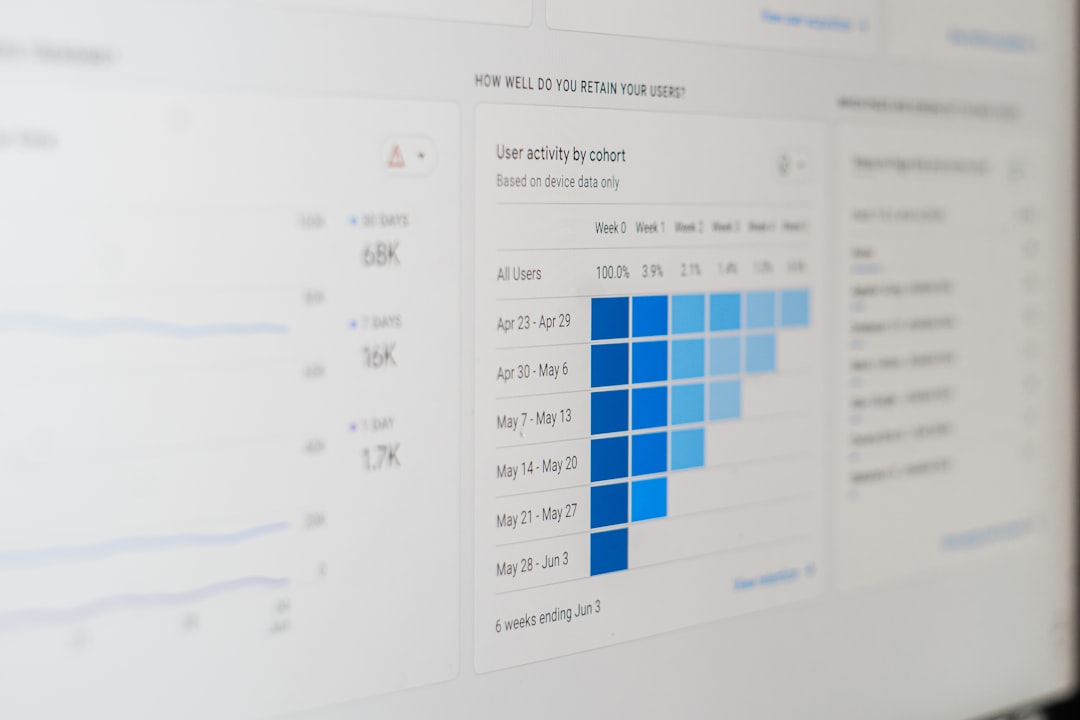
Regularly monitoring and analyzing website performance data is essential for maintaining an effective ecommerce platform. Tools such as Google Analytics provide valuable insights into user behavior, traffic sources, and conversion rates. By examining this data, businesses can identify trends and patterns that inform their optimization strategies.
In addition to tracking standard metrics like page views and bounce rates, ecommerce sites should also focus on specific KPIs relevant to their goals—such as cart abandonment rates or average order value. By continuously analyzing this data, businesses can make informed adjustments to their websites that enhance performance and drive sales growth over time. Regular monitoring ensures that any issues are addressed promptly, maintaining a smooth shopping experience for customers.
FAQs
What factors affect the performance of an ecommerce website?
Several factors influence ecommerce website performance, including server speed, website design and coding efficiency, image and media optimization, the use of content delivery networks (CDNs), and the quality of hosting services. Additionally, the number of plugins or third-party scripts can impact load times.
Why is website speed important for ecommerce sites?
Website speed is crucial because faster-loading sites provide a better user experience, reduce bounce rates, and increase conversion rates. Studies show that even a one-second delay in page load time can lead to significant drops in customer satisfaction and sales.
How can ecommerce websites improve their loading times?
Ecommerce websites can improve loading times by optimizing images, minimizing code (HTML, CSS, JavaScript), leveraging browser caching, using CDNs, choosing reliable hosting providers, and reducing the number of HTTP requests. Regular performance testing and monitoring also help identify bottlenecks.
What role does mobile optimization play in ecommerce website performance?
Mobile optimization is essential because a significant portion of ecommerce traffic comes from mobile devices. A mobile-optimized site ensures fast loading times, responsive design, and easy navigation on smaller screens, which enhances user experience and increases the likelihood of purchases.
How can website performance impact SEO for ecommerce sites?
Website performance directly affects SEO rankings since search engines prioritize fast-loading, user-friendly websites. Poor performance can lead to higher bounce rates and lower engagement, negatively impacting search engine rankings and reducing organic traffic to the ecommerce site.



0 Comments