



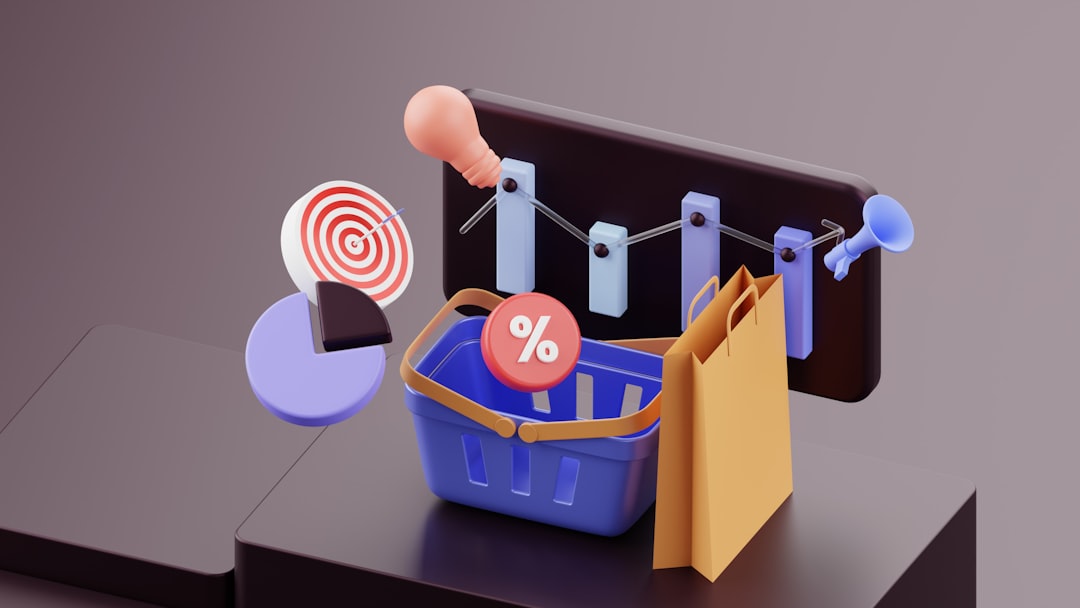
The ecommerce sales funnel is a conceptual model that illustrates the journey potential customers take from the moment they become aware of a product to the point of purchase and beyond. This funnel typically consists of several stages: awareness, interest, consideration, intent, evaluation, and purchase. Each stage represents a different level of engagement and commitment from the customer. Understanding this funnel is crucial for businesses as it helps them identify where they can improve their marketing strategies and enhance customer experiences.
At the top of the funnel, awareness is generated through various marketing channels such as social media, search engines, and advertisements. As potential customers move down the funnel, they express interest by visiting product pages or engaging with content. The consideration stage involves comparing options, while intent signifies a stronger inclination to purchase. Finally, evaluation leads to the decision-making process, culminating in the purchase stage. Recognizing these stages allows ecommerce businesses to tailor their marketing efforts to guide customers effectively through the funnel.
Key Takeaways
- Understanding and tracking key metrics in the ecommerce sales funnel is essential for identifying conversion opportunities.
- Utilizing customer data and analyzing traffic sources helps tailor marketing strategies effectively.
- Conversion rate optimization and A/B testing are critical for improving funnel performance.
- Personalization, retargeting, and remarketing techniques enhance customer engagement and boost conversions.
- Continuous improvement through email marketing, optimized checkout processes, and customer feedback drives sustained sales growth.
Identifying Key Metrics for Tracking Sales Funnel
To effectively manage and optimize the ecommerce sales funnel, it is essential to identify key metrics that provide insights into customer behavior and funnel performance. Metrics such as conversion rates, drop-off rates, and average order value are critical indicators of how well each stage of the funnel is functioning. Conversion rates measure the percentage of visitors who complete a desired action, such as making a purchase or signing up for a newsletter. Monitoring these rates helps businesses understand which stages are performing well and which require improvement.
Another important metric is the drop-off rate, which indicates how many potential customers abandon the funnel at various stages. High drop-off rates can signal issues such as unclear messaging or complicated navigation. Additionally, tracking average order value can provide insights into customer spending habits and help businesses identify opportunities for upselling or cross-selling. By focusing on these key metrics, ecommerce businesses can make data-driven decisions to enhance their sales funnel and improve overall performance.
Utilizing Customer Data for Effective Funnel Tracking

Customer data plays a vital role in tracking and optimizing the ecommerce sales funnel. By collecting and analyzing data from various sources, businesses can gain valuable insights into customer preferences, behaviors, and pain points. This information can be gathered through website analytics, customer relationship management (CRM) systems, and feedback surveys. Understanding customer demographics and behaviors allows businesses to create targeted marketing strategies that resonate with their audience.
Moreover, utilizing customer data enables businesses to segment their audience based on specific criteria such as purchase history or browsing behavior. This segmentation allows for more personalized marketing efforts, which can lead to higher engagement and conversion rates. For instance, targeting customers who have previously shown interest in a particular product category with tailored promotions can effectively guide them further down the sales funnel. By leveraging customer data, ecommerce businesses can enhance their tracking efforts and create a more efficient sales process.
Implementing Conversion Rate Optimization Strategies

Conversion rate optimization (CRO) involves implementing strategies aimed at increasing the percentage of visitors who complete a desired action within the sales funnel. This process often begins with identifying areas of friction that may hinder conversions. Common issues include slow-loading pages, unclear calls-to-action (CTAs), or complicated checkout processes. By addressing these obstacles, businesses can create a smoother experience for potential customers.
A/B testing is a widely used method in CRO that involves comparing two versions of a webpage or element to determine which performs better in terms of conversions. For example, an ecommerce site might test different headlines or button colors to see which version leads to more purchases. Additionally, optimizing product descriptions and images can significantly impact conversion rates by providing customers with the information they need to make informed decisions. By continuously refining their approach through CRO strategies, ecommerce businesses can enhance their sales funnel effectiveness.
Analyzing Traffic Sources and Referral Data
| Funnel Stage | Metric | Description | Example Value | Conversion Rate (%) |
|---|---|---|---|---|
| Awareness | Website Visitors | Number of users visiting the ecommerce site | 50,000 | 100 |
| Interest | Product Page Views | Number of users viewing product details | 20,000 | 40 |
| Consideration | Add to Cart | Number of users adding products to cart | 8,000 | 16 |
| Intent | Initiate Checkout | Number of users starting the checkout process | 5,000 | 10 |
| Purchase | Completed Transactions | Number of users completing a purchase | 3,500 | 7 |
| Post-Purchase | Repeat Customers | Number of users making additional purchases | 700 | 1.4 |
Understanding where website traffic originates is crucial for optimizing the ecommerce sales funnel. Analyzing traffic sources helps businesses identify which channels are most effective in driving potential customers to their site. Common traffic sources include organic search, paid advertising, social media, and email marketing. By evaluating the performance of each channel, businesses can allocate resources more effectively and focus on strategies that yield the best results.
Referral data also provides insights into how customers find an ecommerce site. This information can reveal partnerships or collaborations that may be driving traffic and conversions. For instance, if a significant portion of traffic comes from a specific influencer or affiliate program, businesses may consider strengthening those relationships or investing further in similar partnerships. By analyzing traffic sources and referral data, ecommerce companies can make informed decisions about their marketing strategies and optimize their sales funnel accordingly.
A/B Testing for Funnel Optimization
A/B testing is an essential tool for optimizing various elements within the ecommerce sales funnel. This method involves creating two versions of a webpage or marketing asset—Version A and Version B—and measuring their performance against specific goals, such as conversion rates or click-through rates. By systematically testing different variables, businesses can identify which elements resonate best with their audience and drive higher conversions.
For example, an ecommerce site might test two different layouts for its product pages to see which one leads to more purchases. Alternatively, they could experiment with different email subject lines to determine which generates higher open rates. The insights gained from A/B testing not only help improve individual components of the sales funnel but also contribute to a deeper understanding of customer preferences and behaviors. By continually refining their approach through A/B testing, ecommerce businesses can enhance their overall funnel performance.
Leveraging Retargeting and Remarketing Techniques
Retargeting and remarketing are powerful techniques that allow ecommerce businesses to re-engage potential customers who have previously interacted with their site but did not complete a purchase. These strategies involve displaying targeted ads to users who have visited specific product pages or added items to their cart without finalizing the transaction. By reminding these users of their interest in products, businesses can encourage them to return and complete their purchase.
Implementing retargeting campaigns requires careful planning and execution. Businesses must create compelling ad content that resonates with their audience while ensuring that ads are displayed at appropriate intervals to avoid overwhelming potential customers. Additionally, segmenting retargeting audiences based on their behavior—such as those who abandoned carts versus those who viewed products—can lead to more effective campaigns. By leveraging retargeting and remarketing techniques, ecommerce companies can significantly improve their conversion rates and drive additional sales.
Personalizing the Customer Journey for Higher Conversions
Personalization is increasingly recognized as a key factor in enhancing the customer journey within the ecommerce sales funnel. By tailoring experiences based on individual preferences and behaviors, businesses can create more relevant interactions that resonate with potential customers. Personalization can take many forms, including product recommendations based on browsing history or personalized email campaigns that address specific customer needs.
Implementing personalization strategies requires access to customer data and insights into their behaviors. For instance, utilizing machine learning algorithms can help analyze past purchases and browsing patterns to suggest products that align with individual preferences. Additionally, personalized landing pages that reflect users’ interests can lead to higher engagement rates. By focusing on personalization throughout the sales funnel, ecommerce businesses can foster stronger connections with customers and ultimately drive higher conversion rates.
Optimizing Product Pages and Checkout Process
The product page and checkout process are critical components of the ecommerce sales funnel that directly impact conversion rates. Optimizing these elements involves ensuring that product pages provide comprehensive information while maintaining an appealing design. High-quality images, detailed descriptions, customer reviews, and clear pricing information are essential for helping customers make informed decisions.
The checkout process should be streamlined to minimize friction points that could lead to cart abandonment. This includes offering multiple payment options, simplifying form fields, and providing clear progress indicators throughout the checkout journey. Additionally, implementing trust signals such as security badges or money-back guarantees can reassure customers during this critical stage. By optimizing product pages and the checkout process, ecommerce businesses can enhance user experience and increase conversion rates.
Utilizing Email Marketing to Nurture Leads and Drive Sales
Email marketing remains one of the most effective tools for nurturing leads within the ecommerce sales funnel. By building an email list of interested prospects and existing customers, businesses can engage with their audience through targeted campaigns that promote products, share valuable content, or offer exclusive discounts. Email marketing allows for direct communication with potential customers at various stages of their journey.
Segmentation is key in email marketing; by categorizing subscribers based on their behaviors or preferences, businesses can send tailored messages that resonate with each group. For example, sending follow-up emails to customers who abandoned their carts can encourage them to return and complete their purchase. Additionally, personalized recommendations based on past purchases can drive repeat business. By utilizing email marketing effectively, ecommerce companies can nurture leads and ultimately drive sales through targeted engagement.
Implementing Customer Feedback and Surveys for Funnel Improvement
Customer feedback is invaluable for identifying areas of improvement within the ecommerce sales funnel. Implementing surveys or feedback forms allows businesses to gather insights directly from customers about their experiences during various stages of the purchasing process. This information can highlight pain points or obstacles that may be hindering conversions.
Analyzing feedback helps businesses understand customer perceptions regarding product offerings, website usability, and overall satisfaction levels. For instance, if multiple customers report difficulties navigating the checkout process, it may indicate a need for optimization in that area. Additionally, positive feedback can provide insights into what aspects of the sales funnel are working well and should be maintained or enhanced further. By actively seeking customer feedback and implementing changes based on those insights, ecommerce companies can continuously improve their sales funnel effectiveness and enhance overall customer satisfaction.
FAQs
What is an ecommerce sales funnel?
An ecommerce sales funnel is a step-by-step process that guides potential customers from their first interaction with an online store to making a purchase. It typically includes stages such as awareness, interest, consideration, and conversion.
Why is it important to track the ecommerce sales funnel?
Tracking the ecommerce sales funnel helps businesses understand customer behavior, identify where potential buyers drop off, and optimize each stage to increase conversions and overall sales.
What tools can be used to track an ecommerce sales funnel?
Common tools for tracking ecommerce sales funnels include Google Analytics, Shopify Analytics, Facebook Pixel, and specialized funnel tracking software like ClickFunnels or Hotjar.
Which key metrics should be monitored in an ecommerce sales funnel?
Important metrics include traffic sources, bounce rate, cart abandonment rate, conversion rate, average order value, and customer acquisition cost.
How can businesses improve their ecommerce sales funnel performance?
Businesses can improve performance by analyzing funnel data to identify bottlenecks, optimizing website design and user experience, personalizing marketing efforts, offering incentives like discounts, and simplifying the checkout process.



0 Comments