




The conversion funnel is a critical concept in digital marketing, representing the journey potential customers take from initial awareness of a product or service to the final action of making a purchase. This funnel is typically divided into several stages: awareness, interest, consideration, intent, evaluation, and purchase. Each stage reflects a different level of engagement and commitment from the user, and understanding this progression is essential for marketers aiming to optimize their strategies. By mapping out the conversion funnel, businesses can identify where they may be losing potential customers and develop targeted strategies to address these drop-off points.
At the top of the funnel, awareness is generated through various marketing channels such as social media, search engine optimization, and paid advertising. As users move down the funnel, they express interest by engaging with content, signing up for newsletters, or following social media accounts. The consideration stage involves users comparing options and evaluating features, while intent is marked by actions like adding items to a shopping cart. Finally, the evaluation stage leads to the purchase decision. Understanding these stages allows marketers to tailor their messaging and tactics to guide users effectively through the funnel.
Key Takeaways
- Grasp the stages of the conversion funnel to effectively guide users toward desired actions.
- Use key metrics and user behavior analysis to identify drop-off points and opportunities for improvement.
- Employ A/B testing and continuous measurement to optimize landing pages and checkout processes.
- Personalize user experiences and incorporate social proof to build trust and increase conversions.
- Leverage mobile optimization and retargeting strategies to enhance engagement and drive repeat visits.
Identifying Key Metrics for Conversion
To effectively manage and optimize the conversion funnel, it is essential to identify key performance indicators (KPIs) that provide insight into user behavior and conversion rates. Common metrics include conversion rate, bounce rate, average session duration, and customer acquisition cost. The conversion rate measures the percentage of users who complete a desired action, such as making a purchase or signing up for a newsletter. A high conversion rate indicates that the marketing efforts are resonating with the target audience, while a low rate may signal the need for adjustments in strategy.
Bounce rate is another important metric that reflects the percentage of visitors who leave a site after viewing only one page. A high bounce rate can indicate that users are not finding what they expected or that the landing page is not engaging enough. Average session duration provides insight into how long users are spending on a site, which can be an indicator of content quality and user engagement. Lastly, customer acquisition cost helps businesses understand how much they are spending to acquire each new customer, allowing for better budget allocation and strategy refinement.
Analyzing User Behavior

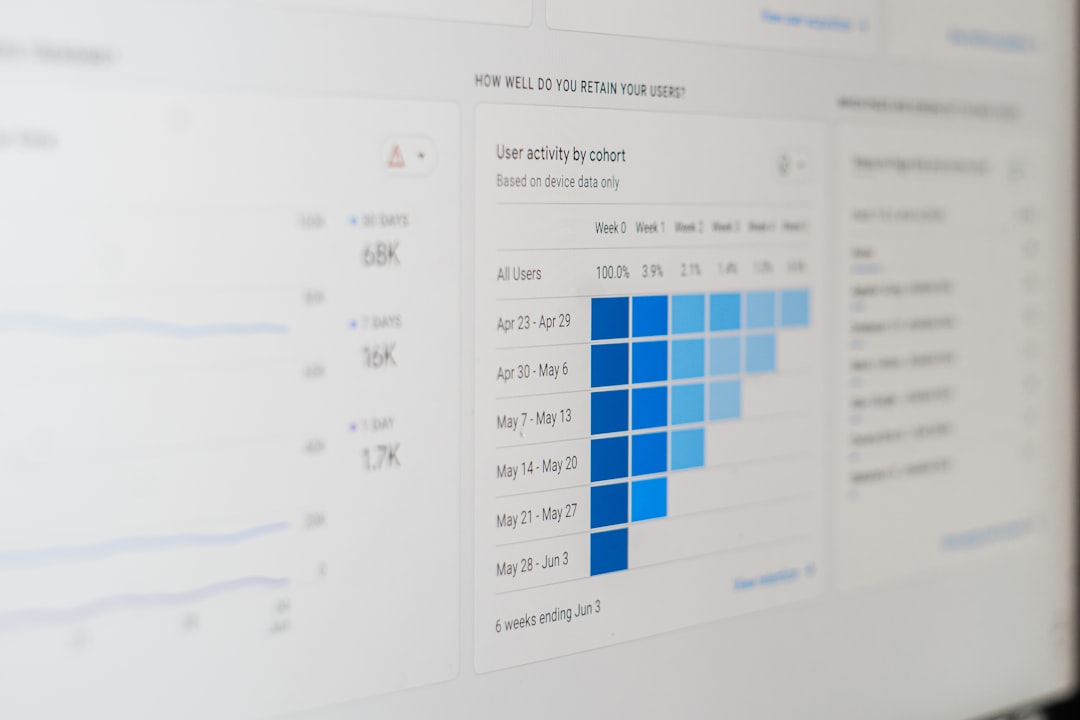
Understanding user behavior is crucial for optimizing the conversion funnel. By analyzing how users interact with a website or application, marketers can gain valuable insights into their preferences and pain points. Tools such as Google Analytics, heatmaps, and user session recordings can provide data on user navigation patterns, click behavior, and engagement levels. This information helps identify which elements of a site are working well and which may need improvement.
For instance, if analytics reveal that users frequently abandon their shopping carts at a specific point in the checkout process, it may indicate a need for simplification or clarification of that step. Additionally, understanding user demographics and psychographics can help tailor marketing messages to resonate more effectively with different segments of the audience. By continuously monitoring and analyzing user behavior, businesses can make informed decisions that enhance the overall user experience and drive conversions.
A/B Testing for Optimization

A/B testing is a powerful method for optimizing various elements of the conversion funnel. This technique involves comparing two versions of a webpage or marketing asset to determine which one performs better in terms of user engagement and conversion rates.
By systematically testing different variables—such as headlines, images, call-to-action buttons, or layout—marketers can identify what resonates most with their audience.
The process begins by formulating a hypothesis about what changes might improve performance. For example, if a marketer believes that changing the color of a call-to-action button from blue to green will increase clicks, they would create two versions of the page: one with the original button color and one with the new color. After running the test for a sufficient period to gather data, marketers can analyze the results to see which version led to higher conversions. This iterative approach allows businesses to make data-driven decisions rather than relying on assumptions.
Improving Landing Page Performance
| Funnel Stage | Metric | Current Value | Target Value | Improvement Strategy |
|---|---|---|---|---|
| Awareness | Website Visitors | 50,000 | 70,000 | Increase SEO and paid ads |
| Interest | Landing Page Views | 20,000 | 30,000 | Optimize landing page design and messaging |
| Consideration | Sign-ups / Leads | 5,000 | 8,000 | Improve call-to-action and offer incentives |
| Intent | Product Page Views | 3,000 | 5,000 | Enhance product descriptions and reviews |
| Evaluation | Add to Cart Rate | 1,200 | 2,000 | Simplify add-to-cart process |
| Purchase | Conversion Rate | 8% | 12% | Streamline checkout and reduce friction |
| Retention | Repeat Purchase Rate | 25% | 35% | Implement loyalty programs and follow-up emails |
Landing pages play a pivotal role in converting visitors into leads or customers. An effective landing page should be designed with a clear purpose and should align closely with the expectations set by the marketing campaign that brought users there. Key elements include compelling headlines, concise copy that highlights benefits, and strong calls to action. Additionally, visual elements such as images or videos can enhance engagement but should not distract from the primary goal of conversion.
To improve landing page performance, it is essential to ensure that the page loads quickly and is mobile-friendly.
Slow-loading pages can lead to high bounce rates as users abandon sites that do not meet their expectations for speed.
Furthermore, incorporating testimonials or case studies can build credibility and trust with potential customers. Regularly reviewing analytics data related to landing page performance can help identify areas for improvement and inform ongoing optimization efforts.
Streamlining the Checkout Process
A streamlined checkout process is vital for reducing cart abandonment rates and increasing conversions. Complicated or lengthy checkout procedures can frustrate users and lead them to abandon their purchases altogether. To enhance this experience, businesses should aim to simplify forms by minimizing the number of required fields and offering guest checkout options. This approach allows users to complete their purchases quickly without unnecessary barriers.
Additionally, providing multiple payment options can cater to diverse customer preferences and increase the likelihood of completing a transaction. Clear communication regarding shipping costs and delivery times is also essential; unexpected fees at checkout can deter customers from finalizing their purchases. By continuously evaluating and refining the checkout process based on user feedback and analytics data, businesses can create a more efficient experience that encourages conversions.
Personalizing the User Experience
Personalization has become an increasingly important aspect of digital marketing as consumers expect tailored experiences that cater to their individual preferences. By leveraging data collected from user interactions, businesses can create personalized content and recommendations that resonate with specific segments of their audience. This could include personalized product suggestions based on past purchases or browsing behavior.
Implementing personalization strategies can significantly enhance user engagement and drive conversions. For example, email marketing campaigns that address recipients by name and recommend products based on their previous interactions tend to yield higher open and click-through rates. Additionally, personalized landing pages that reflect users’ interests can lead to improved conversion rates by making visitors feel understood and valued.
Utilizing Retargeting Strategies
Retargeting is an effective strategy for re-engaging users who have previously interacted with a brand but did not convert. By displaying targeted ads to these users across various platforms—such as social media or display networks—businesses can remind them of products they viewed or left in their shopping carts. This approach keeps the brand top-of-mind and encourages users to return to complete their purchases.
Retargeting campaigns can be customized based on user behavior; for instance, showing ads for specific products that users viewed or offering discounts on items left in their carts can increase the likelihood of conversion. Additionally, segmenting retargeting audiences based on their level of engagement allows marketers to tailor messages more effectively. By utilizing retargeting strategies thoughtfully, businesses can recover potentially lost sales and improve overall conversion rates.
Implementing Mobile Optimization
With an increasing number of consumers using mobile devices for online shopping, optimizing websites for mobile use has become essential for maximizing conversions. A mobile-optimized site should load quickly, have responsive design elements that adjust to different screen sizes, and provide easy navigation through touch-friendly interfaces. Ensuring that all features available on desktop versions are also accessible on mobile devices is crucial for maintaining a seamless user experience.
Moreover, mobile optimization extends beyond just website design; it also includes optimizing content for mobile consumption. This means using concise text, clear calls-to-action, and appropriately sized images that enhance rather than detract from usability on smaller screens. By prioritizing mobile optimization, businesses can capture a larger share of mobile traffic and improve conversion rates among users who prefer shopping on their devices.
Integrating Social Proof and Trust Signals
Social proof and trust signals play a significant role in influencing consumer behavior during the decision-making process. These elements help establish credibility and reassure potential customers about their purchasing decisions. Common forms of social proof include customer reviews, testimonials, case studies, and endorsements from influencers or industry experts. Displaying these elements prominently on product pages or landing pages can enhance trustworthiness.
Trust signals such as security badges, money-back guarantees, and clear return policies also contribute to building confidence among consumers. When users feel secure about their transactions and believe in the quality of a product or service based on others’ experiences, they are more likely to convert. Integrating social proof and trust signals into marketing strategies can significantly impact conversion rates by addressing potential customers’ concerns.
Measuring and Iterating for Continuous Improvement
The process of optimizing the conversion funnel is ongoing; it requires regular measurement and iteration based on performance data. Marketers should continuously track key metrics related to user engagement and conversion rates while also gathering qualitative feedback from customers through surveys or interviews. This combination of quantitative and qualitative data provides a comprehensive view of what is working well and what needs improvement.
By adopting an iterative approach—testing new strategies, analyzing results, making adjustments based on findings—businesses can foster an environment of continuous improvement. This cycle not only enhances conversion rates but also contributes to overall customer satisfaction by ensuring that marketing efforts align with user needs and preferences over time. Ultimately, staying responsive to data-driven insights allows businesses to adapt effectively in an ever-evolving digital landscape.
FAQs
What is a conversion funnel?
A conversion funnel is a marketing model that illustrates the journey potential customers take from first becoming aware of a product or service to completing a desired action, such as making a purchase or signing up for a newsletter.
Why is improving the conversion funnel important?
Improving the conversion funnel helps increase the percentage of visitors who complete desired actions, leading to higher sales, better customer engagement, and improved return on investment for marketing efforts.
What are the common stages of a conversion funnel?
The common stages include Awareness, Interest, Consideration, Intent, Evaluation, and Purchase. Each stage represents a step in the customer’s decision-making process.
How can I identify where users drop off in my conversion funnel?
You can use analytics tools like Google Analytics or specialized funnel analysis software to track user behavior and identify at which stage visitors leave the funnel without converting.
What strategies can improve conversion rates at the top of the funnel?
Strategies include optimizing content for SEO, running targeted advertising campaigns, improving website speed and usability, and creating engaging landing pages to attract and retain visitors.
How does A/B testing help in improving the conversion funnel?
A/B testing allows you to compare different versions of web pages, calls to action, or other elements to determine which performs better, enabling data-driven decisions to optimize conversion rates.
What role does user experience (UX) play in the conversion funnel?
Good UX ensures that visitors can easily navigate your site, find information, and complete actions without frustration, which reduces drop-offs and increases conversions.
Can personalization improve conversion funnel performance?
Yes, personalization tailors content and offers to individual user preferences and behaviors, making the experience more relevant and increasing the likelihood of conversion.
How important is mobile optimization for the conversion funnel?
Mobile optimization is critical as a significant portion of users access websites via mobile devices. A mobile-friendly design ensures smooth navigation and faster load times, which positively impact conversions.
What metrics should I track to measure conversion funnel effectiveness?
Key metrics include conversion rate, bounce rate, average session duration, cart abandonment rate (for e-commerce), and the number of leads or sign-ups generated at each funnel stage.



0 Comments