





User engagement metrics are essential indicators that provide insights into how users interact with a website or application. These metrics encompass a variety of data points, including page views, time spent on site, bounce rates, and interaction rates with specific elements such as buttons or forms. Understanding these metrics is crucial for businesses aiming to enhance user experience and drive conversions.
For instance, a high bounce rate may indicate that users are not finding the content relevant or engaging enough, prompting a need for content optimization or redesign. Moreover, user engagement metrics can be segmented into qualitative and quantitative data. Quantitative metrics provide numerical insights, such as the number of clicks on a call-to-action button, while qualitative metrics might include user feedback or satisfaction ratings.
By analyzing both types of data, businesses can gain a comprehensive understanding of user behavior and preferences. For example, if a website sees a significant number of users clicking on a particular product but not completing the purchase, it may suggest issues with the checkout process or pricing strategy that need to be addressed.
Key Takeaways
- User engagement metrics are essential for understanding how visitors interact with a website.
- Tracking technologies like heatmaps and click tracking provide detailed insights into user behavior.
- A/B testing and personalization based on tracking data can significantly enhance user experience and engagement.
- Retargeting and remarketing strategies leverage user data to re-engage visitors effectively.
- Ethical considerations are crucial when implementing user tracking to ensure privacy and trust.
Implementing Tracking Technology for User Engagement
To effectively measure user engagement, businesses must implement tracking technology that captures relevant data points. This often involves using tools such as Google Analytics, which provides a robust framework for tracking user interactions across various digital platforms. By embedding tracking codes into web pages, businesses can monitor user behavior in real-time, allowing for immediate insights into how users navigate through the site.
This technology not only tracks page views but also captures events such as downloads, video plays, and form submissions. In addition to Google Analytics, other tracking technologies like heatmaps and session recording tools can provide deeper insights into user engagement. Heatmaps visually represent where users click, scroll, and hover on a webpage, revealing which areas attract the most attention.
Session recording tools allow businesses to replay user sessions, providing a firsthand look at the user journey. By combining these technologies, organizations can create a comprehensive picture of user engagement that informs design and content decisions.
Analyzing User Behavior with Tracking Tools
Once tracking technology is in place, the next step is to analyze the data collected to understand user behavior better. This analysis involves examining patterns and trends in how users interact with the website or application. For instance, by analyzing the flow of users through different pages, businesses can identify bottlenecks where users tend to drop off.
This information is invaluable for optimizing the user journey and ensuring that potential customers are guided smoothly toward conversion points.
By segmenting users based on their behavior—such as frequent visitors versus first-time users—businesses can develop targeted campaigns that resonate with specific audiences.
For example, if data shows that returning users engage more with certain types of content, businesses can prioritize creating similar content to enhance retention and loyalty.
Utilizing Heatmaps and Click Tracking for User Engagement
Heatmaps and click tracking are powerful tools for visualizing user engagement on a website. Heatmaps provide a graphical representation of user interactions, highlighting areas of high activity in warm colors and areas of low activity in cooler tones. This visual data allows businesses to quickly identify which parts of their website are most engaging and which may require improvement.
Click tracking complements heatmaps by providing detailed information about specific user actions. By tracking where users click on a page, businesses can assess the effectiveness of their calls-to-action and navigation elements.
For example, if a significant number of clicks are directed toward a non-functional button, it may signal a need for redesign or clarification of its purpose. Together, heatmaps and click tracking offer actionable insights that can drive design improvements and enhance overall user engagement.
A/B Testing and User Engagement Optimization
| Metric | Description | Typical Use | Example Value |
|---|---|---|---|
| Page Views | Number of times a page is loaded or reloaded | Measure overall site traffic and popular pages | 15,000 per day |
| Unique Visitors | Count of distinct users visiting the site | Assess audience size and reach | 4,500 per day |
| Session Duration | Average time a user spends on the site per visit | Evaluate user engagement | 3 minutes 45 seconds |
| Bounce Rate | Percentage of visitors who leave after viewing one page | Identify content or UX issues | 42% |
| Conversion Rate | Percentage of visitors completing a desired action | Measure effectiveness of marketing and UX | 5.2% |
| Click-Through Rate (CTR) | Ratio of users clicking a specific link or ad | Evaluate campaign or link performance | 3.8% |
| New vs Returning Visitors | Ratio of first-time visitors to repeat visitors | Understand user loyalty and acquisition | 60% new / 40% returning |
| Exit Pages | Pages from which users most frequently leave the site | Identify potential drop-off points | /checkout, /pricing |
| Device Type | Breakdown of visitors by device (desktop, mobile, tablet) | Optimize design and performance | Desktop 55%, Mobile 40%, Tablet 5% |
| Geographic Location | Distribution of visitors by country or region | Target marketing and localization efforts | USA 45%, UK 20%, India 15%, Others 20% |
A/B testing is a critical method for optimizing user engagement by comparing two versions of a webpage or app feature to determine which performs better. This technique involves creating two variations—Version A and Version B—and directing traffic to both versions to measure performance based on specific metrics such as click-through rates or conversion rates. For instance, an e-commerce site might test two different layouts for its product pages to see which one leads to higher sales.
The results from A/B testing provide concrete evidence of what resonates with users, allowing businesses to make data-driven decisions rather than relying on assumptions. By continuously testing and refining elements such as headlines, images, and calls-to-action, organizations can incrementally improve user engagement over time. This iterative process not only enhances the user experience but also contributes to higher conversion rates as businesses align their offerings more closely with user preferences.
Personalizing User Experience with Tracking Data
Personalization is increasingly becoming a cornerstone of effective user engagement strategies. By leveraging tracking data, businesses can tailor the user experience to meet individual preferences and behaviors. For example, if a user frequently browses specific categories of products on an e-commerce site, personalized recommendations can be generated based on their past interactions.
This level of customization not only enhances the user experience but also increases the likelihood of conversion by presenting users with relevant options. Moreover, personalization extends beyond product recommendations; it can also include personalized messaging and content delivery. For instance, email marketing campaigns can be tailored based on user behavior tracked on the website.
If a user abandons their shopping cart, sending a follow-up email with a reminder or an incentive can effectively re-engage them. By utilizing tracking data for personalization, businesses can create meaningful connections with their audience and foster long-term loyalty.
Retargeting and Remarketing Strategies for User Engagement
Retargeting and remarketing are powerful strategies that leverage tracking data to re-engage users who have previously interacted with a brand but did not convert. These strategies involve displaying targeted ads to users as they browse other websites or social media platforms after leaving the original site. For example, if a user visits an online store but leaves without making a purchase, retargeting ads featuring the products they viewed can remind them of their interest and encourage them to return.
The effectiveness of retargeting lies in its ability to keep the brand top-of-mind for potential customers. By using cookies to track user behavior across the web, businesses can create tailored ad experiences that resonate with individual users based on their previous interactions. Remarketing campaigns can also be enhanced by segmenting audiences based on their level of engagement; for instance, users who added items to their cart but did not complete the purchase may receive different messaging than those who simply browsed without taking action.
Leveraging Analytics for User Engagement Insights
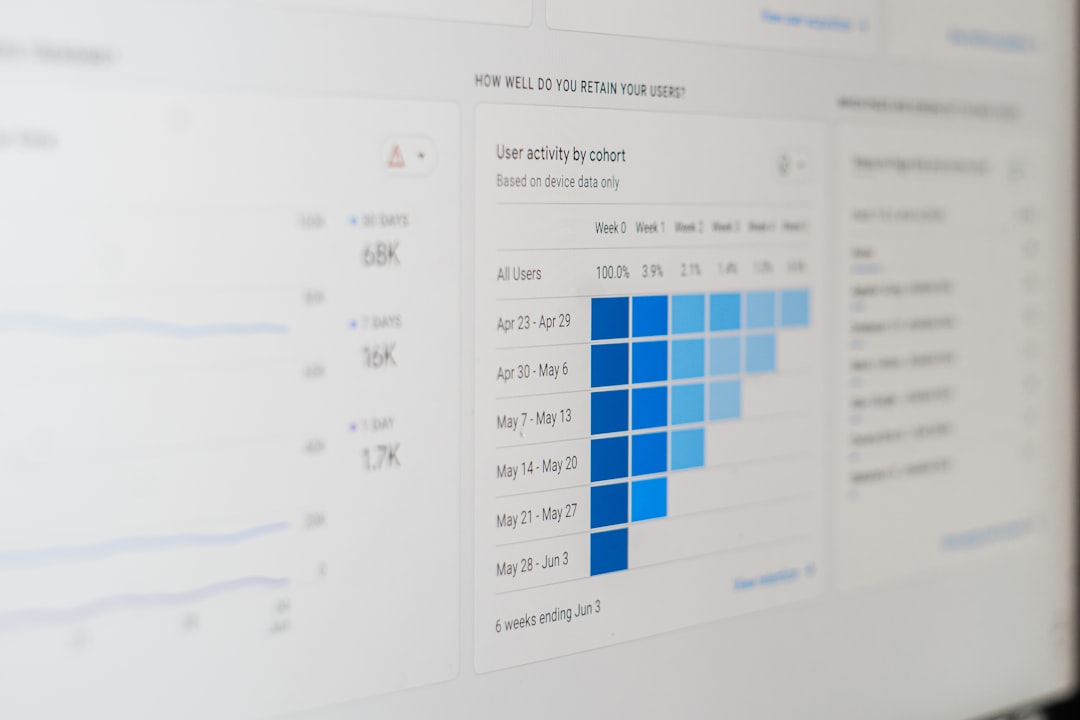
Analytics play a pivotal role in deriving insights from user engagement data. By utilizing advanced analytics tools, businesses can uncover trends and patterns that inform strategic decision-making. For instance, cohort analysis allows organizations to track specific groups of users over time to understand how their behavior changes based on various factors such as marketing campaigns or product launches.
This type of analysis can reveal valuable insights into customer retention and lifetime value. Additionally, predictive analytics can be employed to forecast future user behavior based on historical data. By analyzing past interactions and engagement levels, businesses can anticipate which users are likely to convert or churn.
This foresight enables proactive measures to be taken—such as targeted outreach or personalized offers—to enhance engagement and drive conversions effectively.
Improving Conversion Rates with Tracking Technology
Tracking technology is instrumental in identifying opportunities for improving conversion rates across digital platforms. By monitoring user interactions at every stage of the customer journey—from initial awareness through consideration to final purchase—businesses can pinpoint where users drop off and why. For example, if analytics reveal that many users abandon their carts during checkout due to complicated forms or unexpected shipping costs, organizations can take steps to streamline the process and reduce friction.
Furthermore, tracking technology allows for continuous monitoring of conversion rates over time. By implementing changes based on insights gained from tracking data—such as optimizing landing pages or adjusting pricing strategies—businesses can measure the impact of these changes in real-time. This iterative approach ensures that organizations remain agile in responding to user needs and preferences while steadily improving conversion rates.
Creating Targeted Content with User Engagement Data
User engagement data serves as a valuable resource for creating targeted content that resonates with specific audiences. By analyzing which types of content generate the most engagement—be it blog posts, videos, or infographics—businesses can tailor their content strategies accordingly. For instance, if analytics show that video content receives significantly higher engagement than written articles, organizations may choose to invest more resources into video production.
Additionally, understanding audience demographics and preferences through engagement data allows for more effective content segmentation. Businesses can create tailored content that speaks directly to different audience segments based on their interests and behaviors. For example, an online retailer might develop targeted blog posts around seasonal trends for different customer segments—such as fashion-forward millennials versus budget-conscious parents—ensuring that each piece of content delivers maximum relevance and value.
Ethical Considerations in User Tracking for Website Engagement
As businesses increasingly rely on tracking technology to enhance user engagement, ethical considerations surrounding data privacy and consent have come to the forefront. Users are becoming more aware of how their data is collected and used; therefore, organizations must prioritize transparency in their tracking practices. Providing clear information about what data is being collected and how it will be used fosters trust between businesses and their customers.
Moreover, compliance with regulations such as GDPR (General Data Protection Regulation) and CCPA (California Consumer Privacy Act) is essential in maintaining ethical standards in user tracking. These regulations mandate that businesses obtain explicit consent from users before collecting personal data and provide options for users to opt-out of tracking practices if they choose. By adhering to these guidelines and prioritizing ethical considerations in tracking practices, organizations can build stronger relationships with their audience while ensuring responsible use of data for enhancing user engagement.
FAQs
What is website user tracking?
Website user tracking refers to the process of collecting data about visitors’ interactions and behaviors on a website. This can include information such as pages visited, time spent on the site, clicks, and other user activities.
Why do websites track user behavior?
Websites track user behavior to improve user experience, analyze website performance, personalize content, and optimize marketing strategies. Tracking helps businesses understand how visitors use their site and identify areas for improvement.
What methods are used for website user tracking?
Common methods include cookies, web beacons, tracking pixels, and browser fingerprinting. These tools collect data about user sessions, preferences, and interactions to build a profile of user behavior.
Is website user tracking legal?
Website user tracking is legal in many jurisdictions but is subject to privacy laws and regulations such as the GDPR in Europe and CCPA in California. Websites must often obtain user consent and provide transparency about data collection practices.
Can users opt out of website tracking?
Yes, many websites offer options to opt out of tracking through cookie consent banners or privacy settings. Additionally, users can use browser settings or extensions to block tracking technologies.
What types of data are collected through user tracking?
Data collected can include IP addresses, device information, browsing history, click patterns, location data, and sometimes personally identifiable information if users provide it.
How is the collected tracking data used?
Collected data is used for analytics, targeted advertising, content personalization, improving website functionality, and measuring the effectiveness of marketing campaigns.
Are there privacy concerns related to website user tracking?
Yes, privacy concerns include unauthorized data collection, data breaches, and the potential misuse of personal information. This has led to increased regulation and demand for greater transparency and user control.
What is the difference between first-party and third-party tracking?
First-party tracking is conducted by the website the user is visiting, while third-party tracking involves external services or advertisers tracking users across multiple websites.
How can website owners implement user tracking responsibly?
Website owners should comply with relevant privacy laws, obtain clear user consent, provide transparent privacy policies, limit data collection to necessary information, and ensure data security.



0 Comments