





Behavioral analytics software is a powerful tool that enables organizations to collect, analyze, and interpret data related to user behavior. This type of software focuses on understanding how users interact with products, services, and digital platforms. By tracking various metrics such as clicks, page views, time spent on specific sections, and user journeys, businesses can gain insights into customer preferences and pain points.
The data collected can be both quantitative and qualitative, providing a comprehensive view of user interactions that can inform strategic decisions. The core functionality of behavioral analytics software often includes user segmentation, funnel analysis, and cohort analysis. User segmentation allows businesses to categorize users based on their behaviors, demographics, or engagement levels.
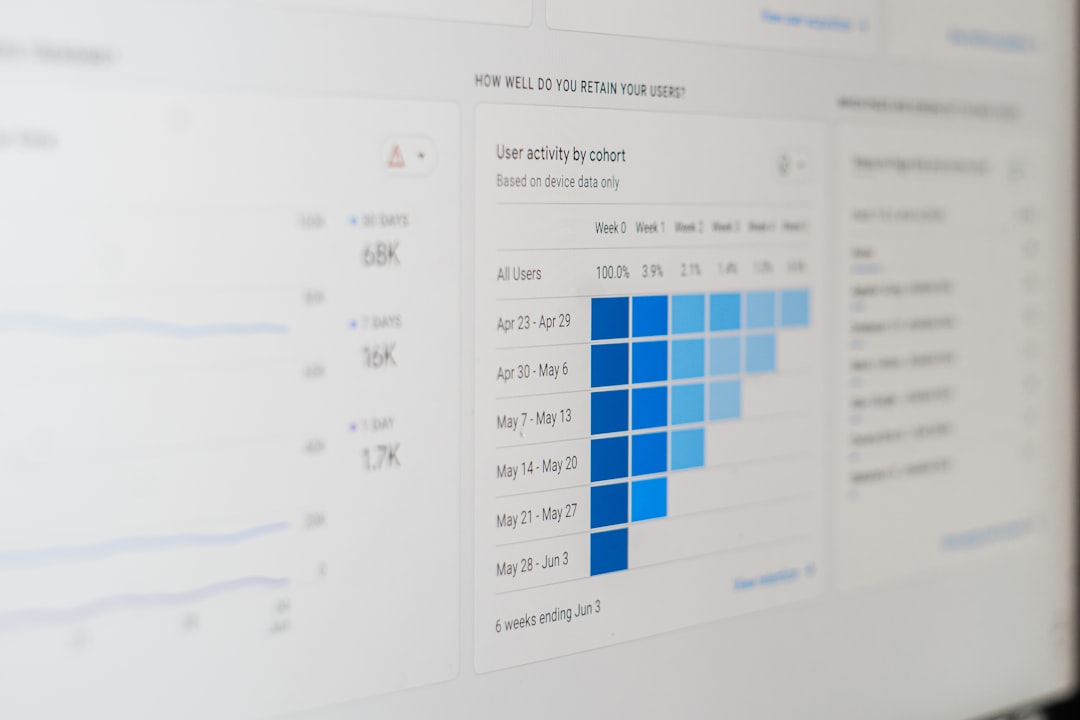
Funnel analysis helps organizations visualize the steps users take before completing a desired action, such as making a purchase or signing up for a newsletter. Cohort analysis enables businesses to track the behavior of specific groups over time, revealing trends and patterns that can inform future marketing and product development strategies. By leveraging these capabilities, organizations can create a more tailored experience for their users, ultimately driving engagement and loyalty.
Key Takeaways
- Behavioral analytics software helps businesses understand customer behavior to improve decision-making and user engagement.
- It enhances marketing strategies and product development by providing data-driven insights.
- Implementing this software can improve customer experience and enable predictive analysis for future trends.
- Overcoming challenges in adoption is crucial for maximizing the software’s benefits.
- The future of behavioral analytics promises greater impact on business growth and innovation.
The Benefits of Using Behavioral Analytics Software
The advantages of implementing behavioral analytics software are manifold. One of the most significant benefits is the ability to make data-driven decisions. In an era where consumer preferences are constantly evolving, relying on intuition or outdated data can lead to missed opportunities.
Behavioral analytics provides real-time insights that allow businesses to adapt quickly to changing market conditions and user expectations. For instance, an e-commerce platform might discover through behavioral analytics that users are abandoning their shopping carts at a particular stage in the checkout process. Armed with this information, the business can investigate further and implement changes to streamline the process, thereby reducing cart abandonment rates.
Another key benefit is enhanced customer understanding. By analyzing user behavior, businesses can uncover valuable insights into what drives customer satisfaction and loyalty. For example, a streaming service might use behavioral analytics to identify which genres or types of content are most popular among different user segments.
This information can guide content creation and marketing strategies, ensuring that the service remains relevant and appealing to its audience. Additionally, understanding user behavior can help organizations identify potential issues before they escalate, allowing for proactive measures that enhance the overall customer experience.
How Behavioral Analytics Software Can Improve Decision Making
Behavioral analytics software significantly enhances decision-making processes by providing actionable insights derived from user data. Traditional decision-making often relies on historical data or gut feelings, which may not accurately reflect current user needs or market trends.
For example, a mobile app developer might analyze user engagement metrics to determine which features are most popular and which are underutilized. This data-driven approach allows for prioritization of feature updates that align with user preferences.
With access to detailed insights about user behavior, teams can conduct A/B testing to evaluate the effectiveness of different strategies or features. For instance, an online retailer might test two different layouts for their product pages to see which one leads to higher conversion rates. By analyzing the results through behavioral analytics software, the retailer can make evidence-based decisions about which layout to implement permanently.
This iterative approach not only improves decision-making but also encourages innovation and agility within the organization.
Implementing Behavioral Analytics Software in Your Business
Implementing behavioral analytics software requires careful planning and execution to ensure that it aligns with organizational goals and objectives. The first step in this process is identifying the specific business needs that the software will address. Organizations should consider what questions they want to answer through behavioral analytics and what metrics are most relevant to their operations.
For example, a SaaS company may focus on user retention rates and feature usage patterns, while an e-commerce business might prioritize conversion rates and customer journey mapping. Once the objectives are clear, selecting the right behavioral analytics tool is crucial. There are numerous options available in the market, each with its own set of features and capabilities.
Organizations should evaluate potential software based on factors such as ease of integration with existing systems, scalability, user interface design, and customer support. After selecting a tool, it is essential to train staff on how to use it effectively. This training should encompass not only technical skills but also an understanding of how to interpret the data generated by the software.
By fostering a data-driven culture within the organization, businesses can maximize the benefits of behavioral analytics.
The Role of Behavioral Analytics Software in Customer Experience
| Metric | Description | Typical Value / Range | Importance |
|---|---|---|---|
| User Engagement Rate | Percentage of active users interacting with the software over a period | 30% – 70% | High |
| Session Duration | Average time a user spends per session using the software | 5 – 20 minutes | Medium |
| Event Tracking Accuracy | Percentage of user actions correctly captured and logged | 95% – 99.9% | High |
| Data Processing Latency | Time taken to process and analyze behavioral data | Milliseconds to a few seconds | High |
| Conversion Rate Improvement | Percentage increase in conversions attributed to insights from the software | 5% – 25% | High |
| Retention Rate | Percentage of users retained over a specific period | 40% – 80% | High |
| Integration Compatibility | Number of third-party tools and platforms supported | 10 – 50+ | Medium |
| Custom Event Creation | Ability to define and track custom user behaviors | Yes / No | High |
| Real-time Analytics | Capability to provide live data insights | Yes / No | High |
| Data Retention Period | Duration for which behavioral data is stored | 30 days – 2 years | Medium |
Behavioral analytics software plays a pivotal role in enhancing customer experience by providing insights that help organizations tailor their offerings to meet user needs more effectively. By analyzing user interactions across various touchpoints—such as websites, mobile apps, and customer support channels—businesses can identify friction points in the customer journey. For instance, if data reveals that users frequently drop off at a specific stage in a sign-up process, organizations can investigate further to understand why this occurs and implement changes to improve the experience.
Additionally, behavioral analytics enables personalized experiences that resonate with individual users. By segmenting users based on their behaviors and preferences, businesses can deliver targeted content and recommendations that enhance engagement. For example, an online retailer might use behavioral analytics to suggest products based on previous purchases or browsing history.
This level of personalization not only increases the likelihood of conversion but also fosters a sense of connection between the brand and its customers.
Leveraging Behavioral Analytics Software for Marketing Strategies
Marketing strategies can be significantly enhanced through the use of behavioral analytics software. By understanding how users interact with marketing campaigns—whether through email newsletters, social media ads, or website promotions—organizations can refine their approaches for maximum impact. For instance, if an email campaign shows low open rates among a particular segment of users, marketers can analyze the subject lines or content to identify areas for improvement.
Moreover, behavioral analytics allows for more effective audience targeting. By analyzing user behavior patterns, businesses can create highly targeted marketing campaigns that resonate with specific demographics or interest groups. For example, a travel company might use behavioral analytics to identify users who frequently search for beach destinations and tailor their advertising efforts accordingly.
This targeted approach not only increases engagement but also improves return on investment (ROI) for marketing initiatives.
Enhancing User Engagement with Behavioral Analytics Software
User engagement is critical for long-term success in any business model, and behavioral analytics software provides valuable insights into how to foster this engagement effectively. By tracking user interactions over time, organizations can identify trends in engagement levels and understand what drives users to return or disengage from their platforms. For instance, a gaming company might analyze player behavior to determine which game features keep players engaged for longer periods and which aspects lead to drop-offs.
Furthermore, behavioral analytics enables organizations to implement strategies that encourage ongoing engagement. For example, by identifying peak usage times or popular content types, businesses can optimize their communication strategies—sending notifications or updates when users are most likely to engage with them. Additionally, gamification elements can be introduced based on user behavior data; if certain challenges or rewards resonate well with users, these can be integrated into the overall experience to boost engagement further.
Harnessing the Power of Behavioral Analytics Software for Product Development
Behavioral analytics software is instrumental in guiding product development efforts by providing insights into user preferences and pain points. By analyzing how users interact with existing products or features, organizations can identify areas for improvement or innovation. For instance, a software company might discover through behavioral analytics that users frequently request specific functionalities that are currently lacking in their product offerings.
This information can drive the development of new features that align with user needs. Additionally, behavioral analytics allows for iterative product development based on real-time feedback from users. Organizations can launch minimum viable products (MVPs) and use behavioral data to assess how well these products meet user expectations.
If certain features are underutilized or receive negative feedback, teams can pivot quickly based on this data rather than relying solely on assumptions or market research surveys. This agile approach not only accelerates product development cycles but also ensures that final products are more closely aligned with user demands.
Using Behavioral Analytics Software for Predictive Analysis
Predictive analysis is one of the most powerful applications of behavioral analytics software, enabling organizations to forecast future trends based on historical user behavior data. By employing machine learning algorithms and statistical models, businesses can identify patterns that indicate potential future actions by users. For example, an online subscription service might analyze past subscription behaviors to predict which users are at risk of canceling their subscriptions in the near future.
This predictive capability allows organizations to take proactive measures to retain customers before they churn. For instance, if predictive analysis indicates that certain users are likely to cancel their subscriptions due to decreased engagement levels, businesses can implement targeted retention strategies—such as personalized offers or re-engagement campaigns—to encourage continued usage. By leveraging predictive analysis through behavioral analytics software, organizations can enhance customer retention efforts while optimizing resource allocation.
Overcoming Challenges in Implementing Behavioral Analytics Software
While the benefits of behavioral analytics software are substantial, organizations may encounter several challenges during implementation. One common hurdle is data privacy concerns; as businesses collect more user data for analysis purposes, they must navigate complex regulations such as GDPR or CCPA that govern data protection and privacy rights. Ensuring compliance while still gathering meaningful insights requires careful planning and transparency with users about how their data will be used.
Another challenge lies in integrating behavioral analytics software with existing systems and processes within an organization. Many businesses operate with legacy systems that may not easily accommodate new tools or technologies. To overcome this challenge, organizations should prioritize selecting software solutions that offer seamless integration capabilities or consider investing in custom development efforts that align with their unique infrastructure needs.
The Future of Behavioral Analytics Software and Its Impact on Business
The future of behavioral analytics software is poised for significant evolution as advancements in technology continue to reshape how businesses understand and engage with their customers. As artificial intelligence (AI) and machine learning become increasingly sophisticated, behavioral analytics tools will likely offer even deeper insights into user behavior patterns and preferences. This evolution will enable organizations to create hyper-personalized experiences that cater specifically to individual users’ needs.
Moreover, as consumer expectations continue to rise in terms of personalization and responsiveness from brands, businesses will increasingly rely on behavioral analytics software as a cornerstone of their strategies for customer engagement and retention. The ability to anticipate user needs before they arise will become a competitive differentiator in many industries—driving innovation in product development while enhancing overall customer satisfaction levels. In conclusion, as organizations continue to embrace digital transformation initiatives across various sectors—from retail to healthcare—the role of behavioral analytics software will only grow in importance as a vital tool for understanding consumer behavior and driving business success.
FAQs
What is behavioral analytics software?
Behavioral analytics software is a tool that collects and analyzes data on user behavior to understand how individuals interact with websites, applications, or products. It helps businesses identify patterns, trends, and user preferences to improve user experience and optimize performance.
How does behavioral analytics software work?
Behavioral analytics software tracks user actions such as clicks, page views, navigation paths, and time spent on specific features. It then processes this data using algorithms and visualization tools to provide insights into user behavior, enabling businesses to make data-driven decisions.
What are the key features of behavioral analytics software?
Key features typically include user journey tracking, event tracking, funnel analysis, cohort analysis, heatmaps, segmentation, real-time reporting, and integration with other marketing or CRM tools.
Who can benefit from using behavioral analytics software?
Businesses across various industries, including e-commerce, SaaS, finance, healthcare, and media, can benefit from behavioral analytics software to enhance customer engagement, increase conversion rates, reduce churn, and improve product design.
Is behavioral analytics software different from web analytics?
Yes, while web analytics focuses on overall website metrics like traffic and page views, behavioral analytics delves deeper into individual user actions and patterns to understand the “why” behind user behavior.
What types of data are collected by behavioral analytics software?
The software collects data such as clicks, scrolls, mouse movements, session duration, navigation paths, form interactions, and transaction history, depending on the platform and tracking setup.
How is user privacy handled in behavioral analytics software?
Reputable behavioral analytics software complies with data protection regulations like GDPR and CCPA by anonymizing personal data, obtaining user consent, and providing options to opt-out of tracking.
Can behavioral analytics software integrate with other business tools?
Yes, most behavioral analytics platforms offer integrations with CRM systems, marketing automation tools, customer support software, and data warehouses to provide a comprehensive view of customer behavior.
What are some popular behavioral analytics software solutions?
Popular solutions include Mixpanel, Amplitude, Heap, Pendo, and Hotjar, each offering various features tailored to different business needs.
How can businesses get started with behavioral analytics software?
Businesses can start by defining their goals, selecting a suitable software platform, implementing tracking codes on their digital properties, and analyzing the collected data to inform product and marketing strategies.



0 Comments