





Understanding website visitor behavior is crucial for businesses and organizations aiming to optimize their online presence. The digital landscape is increasingly competitive, and the ability to analyze how visitors interact with a website can provide invaluable insights. This understanding not only helps in enhancing user experience but also plays a pivotal role in driving conversions and achieving business objectives.
By delving into the intricacies of visitor behavior, companies can tailor their strategies to meet the needs and preferences of their audience, ultimately leading to improved engagement and retention. Website visitor behavior encompasses a wide range of activities, from the initial landing on a page to the final action taken, whether that be making a purchase, signing up for a newsletter, or simply leaving the site. Each interaction provides data points that can be analyzed to understand user intent, preferences, and pain points.
By leveraging this information, businesses can create more effective marketing strategies, optimize their content, and enhance overall site functionality. The journey of a visitor on a website is not just a linear path; it is a complex interplay of choices influenced by design, content, and external factors.
Key Takeaways
- Understanding website visitor behavior is crucial for optimizing user experience and increasing conversions.
- Tracking and analyzing visitor interactions help identify navigation patterns and engagement levels.
- Utilizing specialized tools enables detailed insights into visitor behavior and conversion paths.
- Data-driven decisions based on visitor analysis can enhance personalization and content relevance.
- Implementing targeted strategies improves visitor retention and overall website performance.
Identifying and Tracking Website Visitors
To effectively analyze visitor behavior, it is essential to identify and track website visitors accurately. This process begins with the implementation of tracking tools such as Google Analytics, which provides detailed insights into who is visiting a site, where they are coming from, and how they are interacting with the content. By utilizing cookies and tracking pixels, businesses can gather data on user sessions, including the duration of visits, pages viewed, and actions taken.
This information is critical for understanding the demographics of the audience and tailoring content accordingly. Moreover, tracking visitors goes beyond mere identification; it involves segmenting them based on various criteria such as geographic location, device type, and referral source. For instance, a business may find that mobile users behave differently than desktop users, prompting them to optimize their site for mobile devices.
Additionally, understanding where visitors are coming from—whether through organic search, social media, or paid advertising—can inform marketing strategies and budget allocation. By effectively identifying and tracking visitors, organizations can create a more personalized experience that resonates with their audience.
Analyzing Visitor Interaction with Website Content
Once visitors are identified and tracked, the next step is to analyze how they interact with website content. This analysis involves examining metrics such as bounce rates, time spent on pages, and click-through rates on various elements like buttons and links. High bounce rates may indicate that visitors are not finding what they expected or that the content is not engaging enough.
Conversely, longer time spent on pages can suggest that users are finding value in the content presented. In addition to quantitative metrics, qualitative analysis through heatmaps and session recordings can provide deeper insights into visitor interactions. Heatmaps visually represent where users click, scroll, and hover on a page, revealing which areas attract attention and which are ignored.
Session recordings allow businesses to watch real-time interactions as users navigate through the site. This combination of quantitative and qualitative data enables organizations to identify content that resonates with visitors and areas that require improvement.
Understanding Visitor Navigation Patterns
Understanding how visitors navigate through a website is essential for optimizing user experience and ensuring that users can easily find the information they seek. Navigation patterns can reveal common pathways taken by users as they move from one page to another. By analyzing these patterns, businesses can identify popular routes as well as potential bottlenecks where users may become frustrated or confused.
For example, if analytics show that many visitors drop off after viewing a specific page, it may indicate that the content is not compelling enough or that there are obstacles preventing further exploration. On the other hand, if certain pages consistently lead to conversions or further engagement, these pathways can be highlighted or streamlined to encourage more visitors to follow them. Understanding navigation patterns allows businesses to create a more intuitive site structure that guides users seamlessly toward their goals.
Recognizing Visitor Engagement Levels
| Metric | Description | Typical Value | Importance |
|---|---|---|---|
| Number of Visitors | Total count of unique users visiting the website | 1,000 – 100,000 per month | High |
| Page Views | Number of pages viewed by visitors | 3 – 10 pages per session | High |
| Average Session Duration | Average time a visitor spends on the website | 2 – 5 minutes | Medium |
| Bounce Rate | Percentage of visitors who leave after viewing one page | 30% – 70% | High |
| Traffic Sources | Origin of visitors (e.g., organic, direct, referral, social) | Varies by site | High |
| New vs Returning Visitors | Ratio of first-time visitors to repeat visitors | 60% new / 40% returning | Medium |
| Geographic Location | Visitor distribution by country or region | Varies by audience | Medium |
| Device Type | Percentage of visitors using desktop, mobile, or tablet | 50% mobile / 40% desktop / 10% tablet | Medium |
| Conversion Rate | Percentage of visitors completing a desired action | 1% – 5% | High |
Visitor engagement levels are critical indicators of how well a website captures and retains user interest. Engagement can be measured through various metrics such as social shares, comments on blog posts, newsletter sign-ups, and repeat visits. High engagement levels often correlate with increased brand loyalty and higher conversion rates.
Therefore, recognizing these levels is essential for developing strategies that foster deeper connections with visitors. Engagement can also be influenced by the type of content presented on the site. For instance, interactive elements such as quizzes, polls, or videos tend to generate higher engagement compared to static text-based content.
By analyzing which types of content yield the highest engagement rates, businesses can refine their content strategy to focus on formats that resonate most with their audience. Additionally, understanding engagement levels can help in identifying segments of highly engaged users who may be more likely to convert or advocate for the brand.
Uncovering Visitor Conversion Paths
Uncovering visitor conversion paths is a vital aspect of understanding how users move through the sales funnel on a website. A conversion path refers to the series of steps a visitor takes before completing a desired action, such as making a purchase or signing up for a service. By mapping out these paths, businesses can identify which channels and touchpoints are most effective in driving conversions.
For example, an e-commerce site may find that visitors who first engage with a product through social media ads tend to follow a specific path that includes viewing product reviews and checking out related items before making a purchase. Understanding these paths allows businesses to optimize their marketing efforts by focusing on high-performing channels and ensuring that each step in the conversion process is as seamless as possible. Additionally, identifying drop-off points along these paths can highlight areas for improvement in the user journey.
Utilizing Tools for Visitor Behavior Analysis
To effectively analyze visitor behavior, organizations must leverage various tools designed for this purpose. Google Analytics remains one of the most widely used platforms for tracking website performance and visitor interactions. It offers comprehensive reporting features that allow businesses to monitor traffic sources, user demographics, and behavior flow through the site.
In addition to Google Analytics, other tools such as Hotjar and Crazy Egg provide valuable insights through heatmaps and session recordings. These tools enable businesses to visualize user interactions in real-time and understand how visitors engage with different elements on their site. Furthermore, A/B testing tools like Optimizely allow organizations to experiment with different layouts or content variations to determine which versions yield better results in terms of engagement and conversions.
By utilizing these tools effectively, businesses can gain a holistic view of visitor behavior and make informed decisions based on data.
Making Data-Driven Decisions Based on Visitor Behavior
The ultimate goal of analyzing visitor behavior is to make data-driven decisions that enhance website performance and user experience. By interpreting the data collected from various analytics tools, organizations can identify trends and patterns that inform strategic planning. For instance, if data reveals that certain blog topics generate significantly more traffic than others, businesses can prioritize creating similar content to attract more visitors.
Moreover, data-driven decision-making extends beyond content creation; it also influences design choices and marketing strategies. For example, if analytics show that users are abandoning their shopping carts at a particular stage in the checkout process, businesses can investigate potential issues such as complicated forms or unexpected shipping costs. By addressing these pain points based on concrete data rather than assumptions, organizations can improve conversion rates and enhance overall customer satisfaction.
Improving User Experience Based on Visitor Insights
Improving user experience (UX) is an ongoing process that relies heavily on insights gained from visitor behavior analysis. By understanding how users interact with a website, businesses can identify areas where UX may be lacking and implement changes accordingly. For instance, if analytics indicate that users struggle to find specific information due to poor navigation structure or unclear labeling, adjustments can be made to enhance clarity and accessibility.
Additionally, feedback mechanisms such as surveys or user testing sessions can complement behavioral data by providing qualitative insights into user experiences. This combination allows organizations to create a more user-centric design that meets the needs of their audience effectively.
Personalizing Website Content for Different Visitor Segments
Personalization has become an essential strategy for engaging website visitors effectively. By segmenting visitors based on demographics, behavior patterns, or interests, businesses can tailor content to resonate with specific groups. For example, an online retailer might display different product recommendations based on previous purchases or browsing history.
Personalization extends beyond product recommendations; it can also include customized landing pages or targeted messaging based on user behavior. For instance, returning visitors may see different promotions compared to first-time users. This level of personalization not only enhances user experience but also increases the likelihood of conversions by presenting relevant content at the right time.
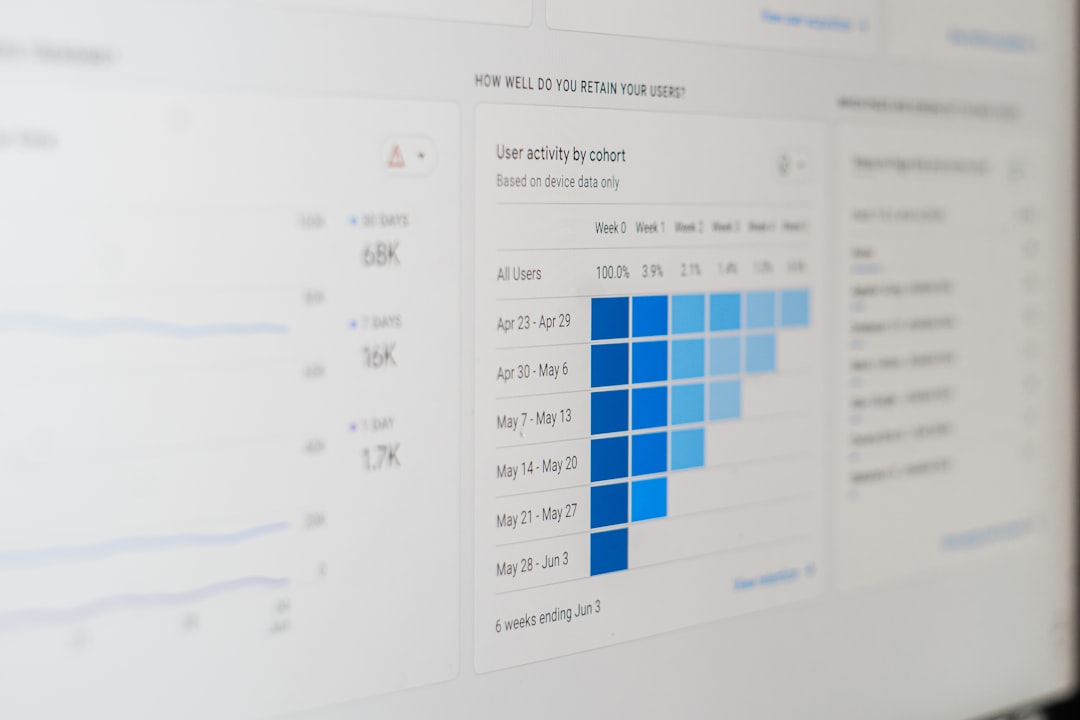
Implementing Strategies to Increase Visitor Retention
Visitor retention is critical for long-term success in any online business model. Implementing strategies aimed at keeping visitors engaged over time requires an understanding of their preferences and behaviors. One effective approach is creating valuable content that encourages repeat visits—such as informative blog posts, engaging videos, or exclusive offers for returning customers.
Additionally, email marketing campaigns can play a significant role in retaining visitors by providing regular updates about new products or services tailored to their interests. By analyzing past interactions with email campaigns—such as open rates and click-through rates—businesses can refine their messaging to better align with what resonates with their audience. Ultimately, fostering loyalty among visitors leads not only to increased retention but also to higher lifetime value as satisfied customers are more likely to return for future purchases or recommend the brand to others.
FAQs
What does it mean to understand website visitors?
Understanding website visitors involves analyzing their behavior, preferences, and demographics to improve user experience and achieve business goals. This includes tracking how visitors navigate the site, what content they engage with, and their conversion patterns.
Why is it important to understand website visitors?
Understanding website visitors helps businesses tailor their content, design, and marketing strategies to meet user needs, increase engagement, and boost conversions. It also aids in identifying issues that may hinder user experience and optimizing the website accordingly.
What tools can be used to understand website visitors?
Common tools include Google Analytics, heatmaps (like Hotjar or Crazy Egg), session recording software, and customer feedback tools. These tools provide data on visitor behavior, traffic sources, and user interactions.
What kind of data is collected to understand website visitors?
Data collected typically includes visitor location, device type, browser, pages visited, time spent on site, click patterns, referral sources, and conversion actions. Some tools also collect demographic and interest data.
Is it legal to track website visitors?
Tracking website visitors is legal when done in compliance with privacy laws such as GDPR, CCPA, and others. Websites must inform users about data collection practices and often require consent through cookie banners or privacy policies.
How can understanding website visitors improve website performance?
By analyzing visitor data, website owners can identify popular content, navigation issues, and drop-off points. This insight allows for targeted improvements in design, content, and functionality, leading to better user engagement and higher conversion rates.
Can understanding website visitors help in marketing strategies?
Yes, understanding visitor behavior and preferences enables marketers to create personalized campaigns, target the right audience segments, and optimize advertising spend for better ROI.
How often should website visitor data be analyzed?
Regular analysis is recommended, ranging from weekly to monthly reviews depending on website traffic and business needs. Continuous monitoring helps quickly identify trends and respond to changes in visitor behavior.



0 Comments